A Samburu note
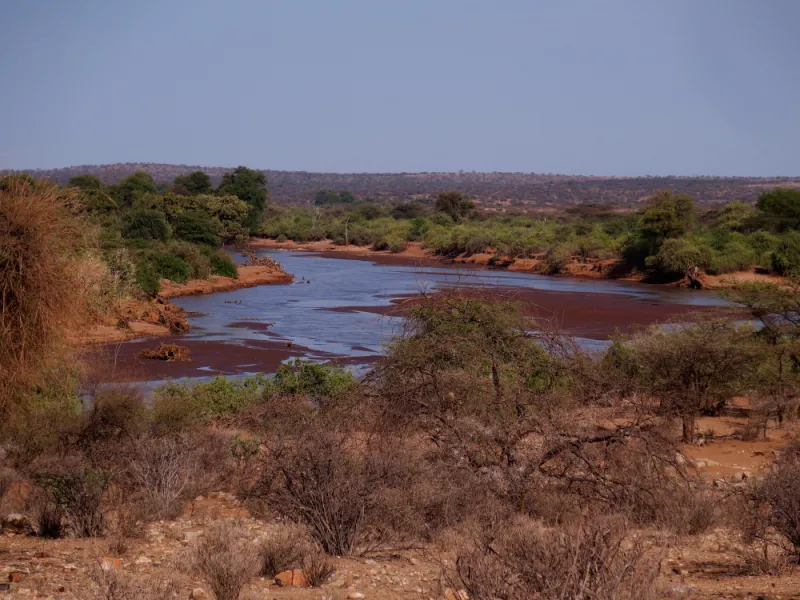
The reserve is small and the river is everything — a patient morning along the Ewaso Ng'iro usually beats a long loop into the dry scrub.
The 'giraffe-necked' antelope that stands on its hind legs to browse — found almost nowhere else.
Bigger, narrower-striped and rarer than the common zebra; this is one of its last strongholds.
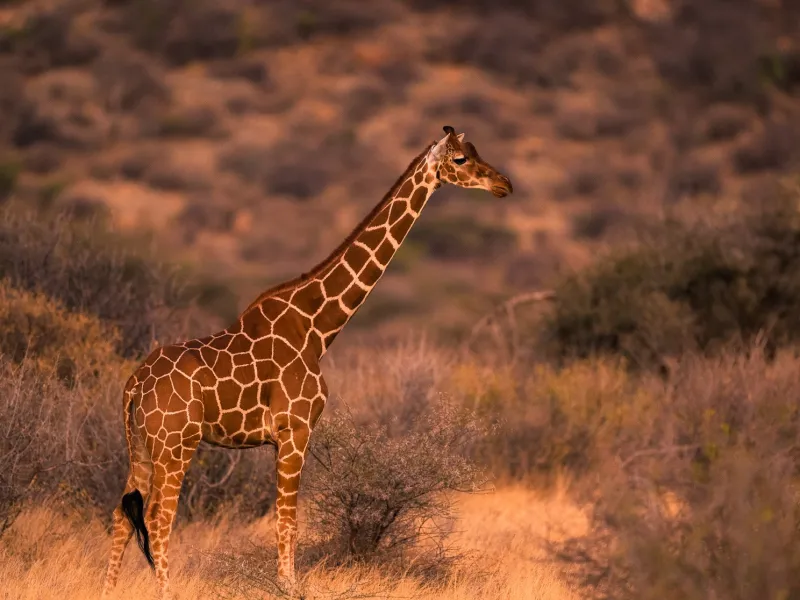
The sharp-edged, map-patterned giraffe of the north — the most striking of them all.
A desert antelope with rapier horns, at home in the heat.
Blue-legged and northern, distinct from the common ostrich of the south.
The reserve is small and the river is everything — a patient morning along the Ewaso Ng'iro usually beats a long loop into the dry scrub.
Samburu sits in the lands of the Samburu people, close cousins of the Maasai, and their culture is woven through any honest visit — not staged, but present.
It is hot, arid and remote, and the game is sparser than the Mara. That is the trade: in exchange you get rarity, space and a north most safaris never reach.
We've left out the reserve-boundary detail. What matters to a visit is the river, the season and the Special Five.
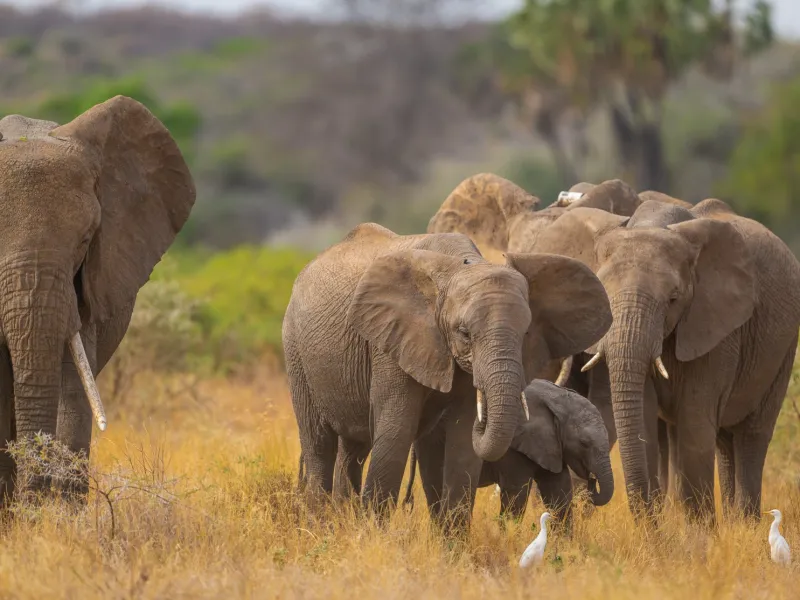
Tracking elephant, leopard and the Special Five along the Ewaso Ng'iro.
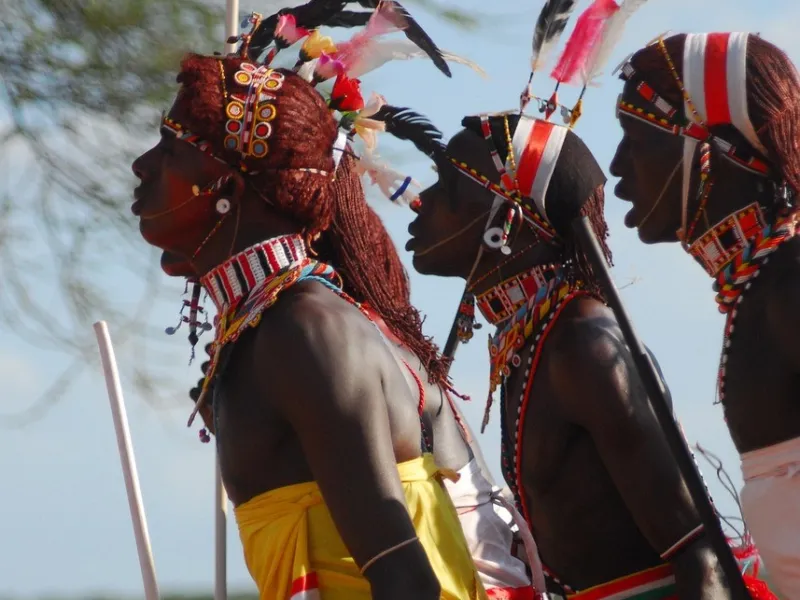
Time with Samburu communities — pastoral life, on its own terms.
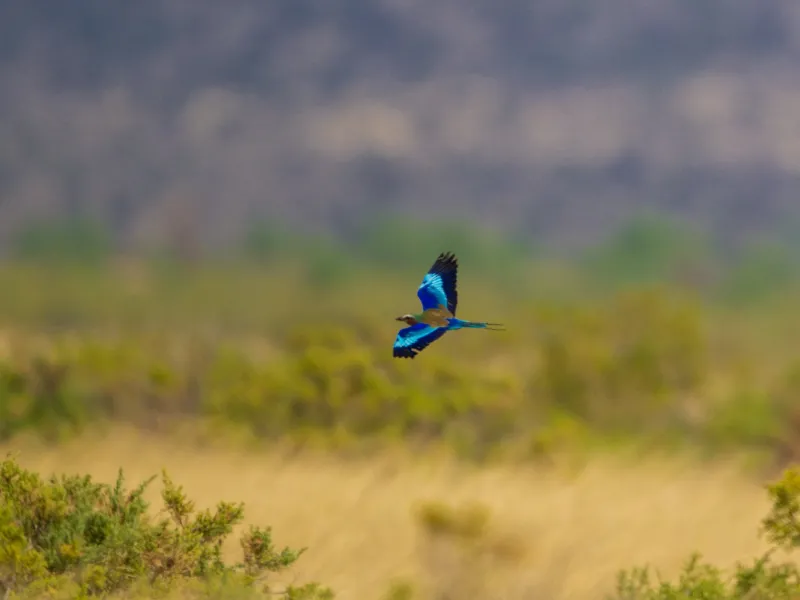
Vulturine guineafowl, palm-nut vultures and northern specials.
Guides who know the north's species and the river's rhythm — not a handoff to an unknown local agent.
We time and route your drives around the Special Five and the river, where the dry-country game concentrates.
Samburu slots naturally with Laikipia, Ol Pejeta or the Mara for a Kenya that isn't just the famous plains.
A Moroccan-influenced lodge above the Ewaso Nyiro, open and airy with plunge pools and strong community ties.
A striking lodge on a rocky ridge with vast views and a fine eye for design and conservation.
A relaxed riverside camp shaded by doum palms, with elephants often wandering through.
A well-run tented camp on the river, central to the reserve's special-five wildlife.
The dry north and the Mara plains make a contrast-rich trip — two ecosystems, two casts of wildlife.
Plan a Samburu safari