What a safari is really like.
An honest orientation to your first East African safari — the rhythms, the realities and the small things worth knowing before you go.
A safari is unlike any other holiday. There are no tarmac roads in the parks, no air-conditioning in the vehicle, and no schedule but the one the animals keep. That’s the magic of it — but it helps to arrive knowing what to expect. This guide covers the experience itself; it isn’t specific to any one country, and your planner will fill in the details for your route. When anything here is unclear, just ask them.
The rhythm of a day
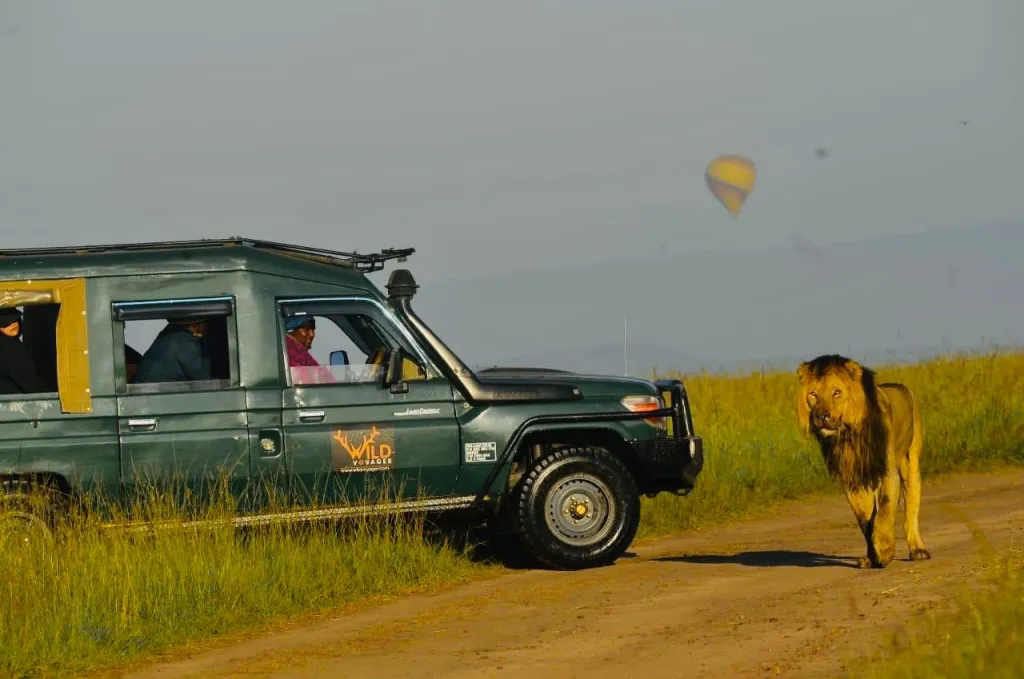
The heart of every safari. You explore in a 4x4 with a driver-guide who is an expert tracker, between sunrise and sunset. On a private safari the timings are yours — full days in the field, or a morning and an afternoon drive with a rest in between.
- Drives run roughly dawn to dusk; entry and exit follow each park’s official timings.
- Roads inside reserves are unpaved — expect dust and a bumpy ride. A buff or face covering helps.
- You stay inside the vehicle near wildlife, and you’re safe there. Never step out, call to the animals, or throw anything from the vehicle.
- There are no proper washrooms in the parks — breaks are discreet, in the bush, with tissue you carry.
- Off-roading needs a written permit; parks are strictly regulated and entry is at the warden’s discretion.
Night drives and balloon mornings
Some of the most memorable hours sit outside the ordinary drive.
- Night game drives are offered only in certain conservancies where rules allow — a two-to-three-hour drive after dinner, in search of nocturnal life you’ll never see by day.
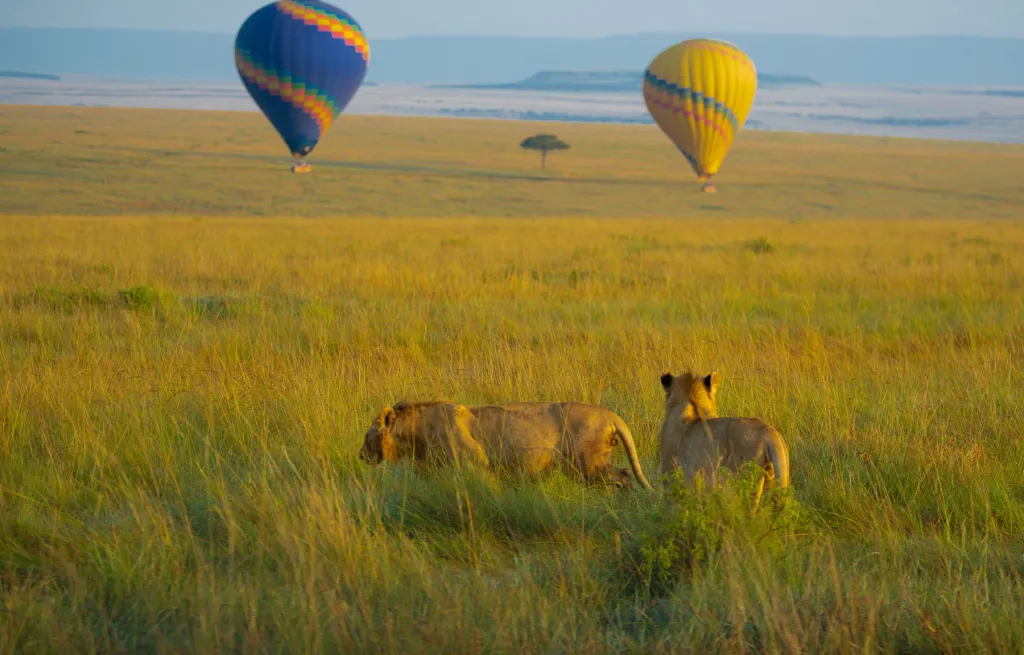
- Balloon safaris drift over the plains at sunrise for 45–60 minutes as the light comes up, followed by a champagne breakfast in the bush.
- Both must be arranged in advance and at the right camps — tell your planner early if either matters to you.
Beyond the game drive
The quieter, human moments that travellers often remember longest.
- Walking safaris — where offered, a one-to-two-hour walk with a naturalist; less about big game, more about tracks, plants and how the land works.
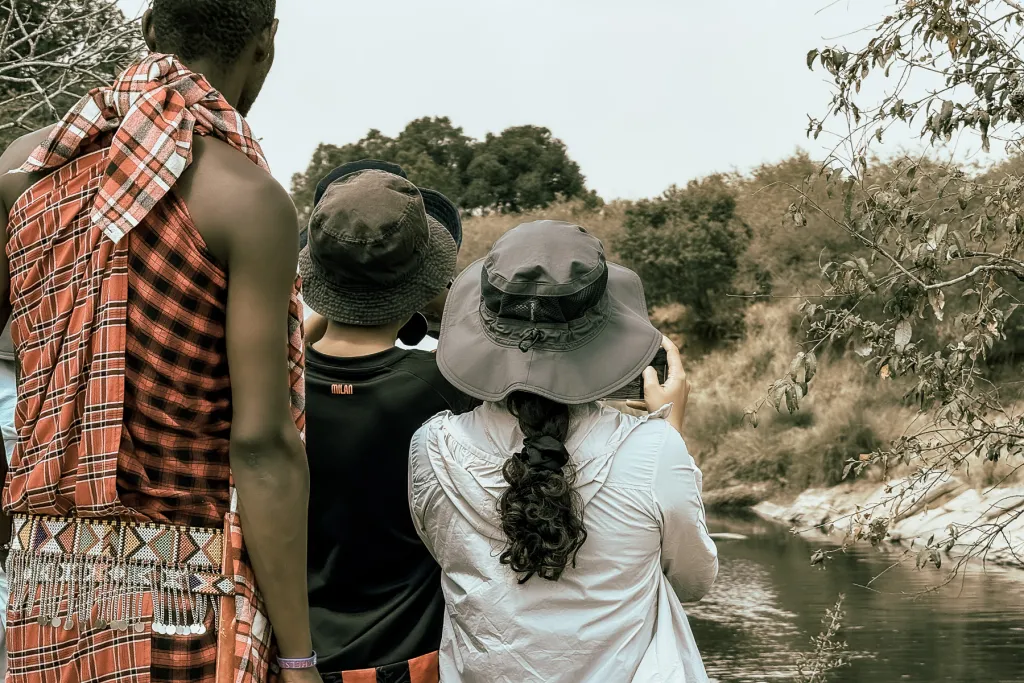
- Village visits — in several regions, time with a local community, often Maasai, to hear their history and join a traditional song and dance.
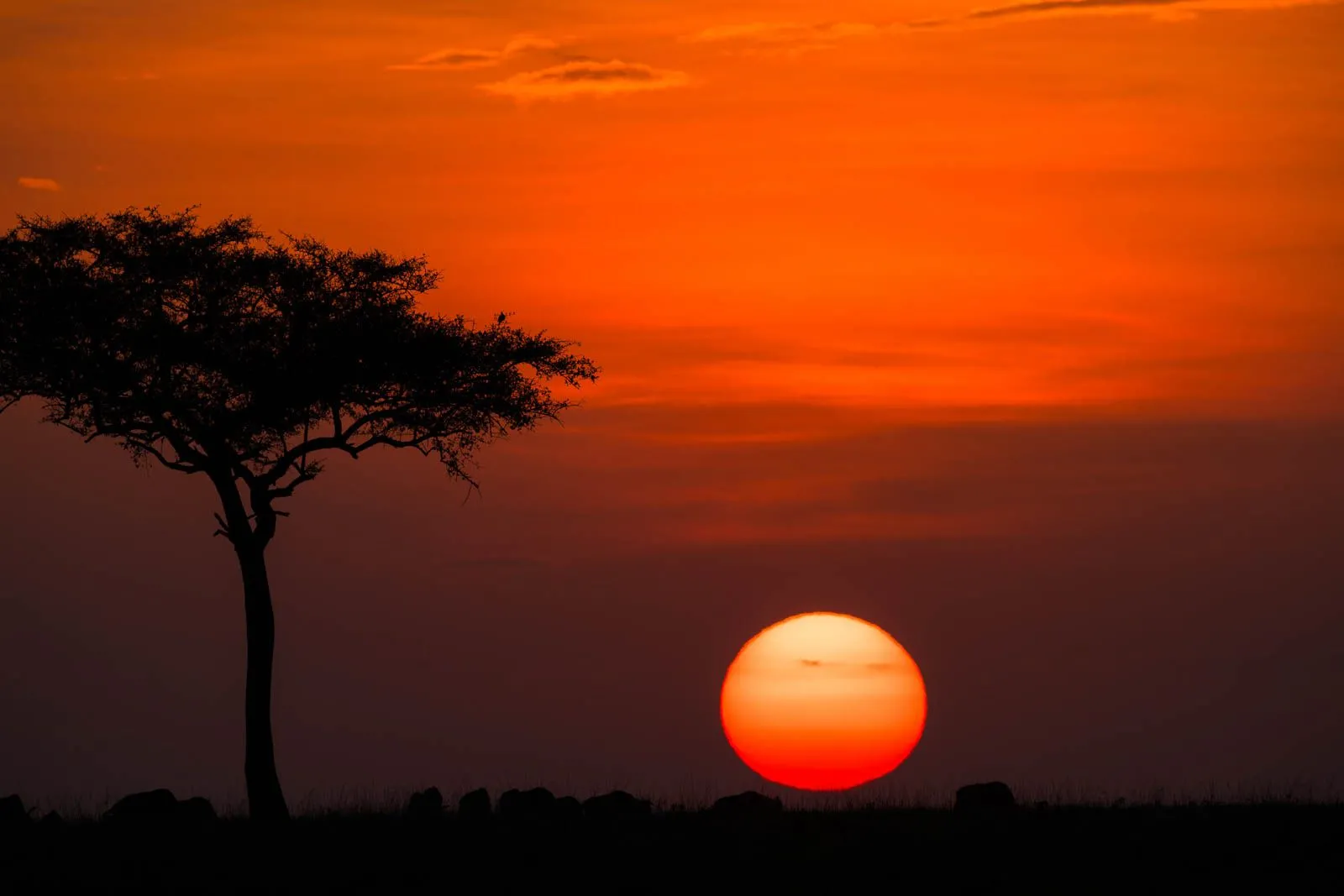
- Sundowners — drinks and snacks set out in the bush as the sun goes down, usually around 6–7pm beneath a tree.
- Bush dining — breakfast in a beautiful wild spot, or a secluded dinner in camp; both are weather-dependent.
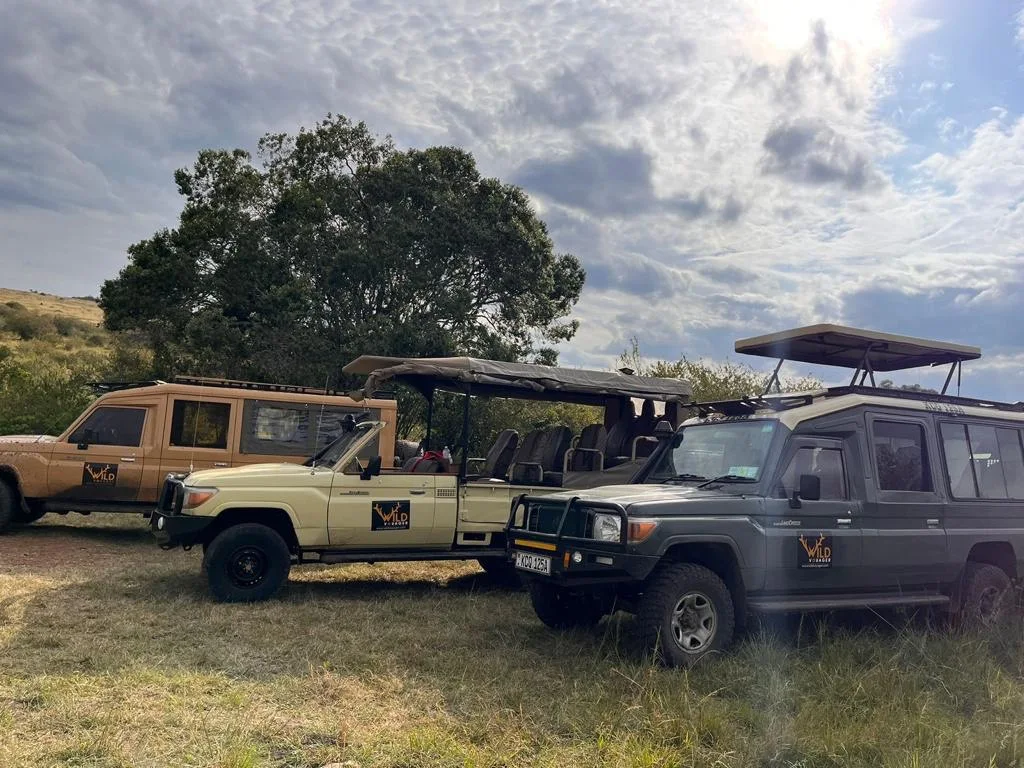
The vehicles, and the open air
Safari travel is built for rough terrain, not comfort in the usual sense — and that is part of the experience.
- Safaris run in 4x4 vehicles — some open, some semi-open, some with glass windows.
- There is no air-conditioning. You are in the open air, exposed to sun and wind.
- On a private safari the whole vehicle is yours and your group’s. Transfers between regions may use a Land Cruiser, SUV or minivan.
- In the rare event of a breakdown, we aim to replace the vehicle within about two hours.
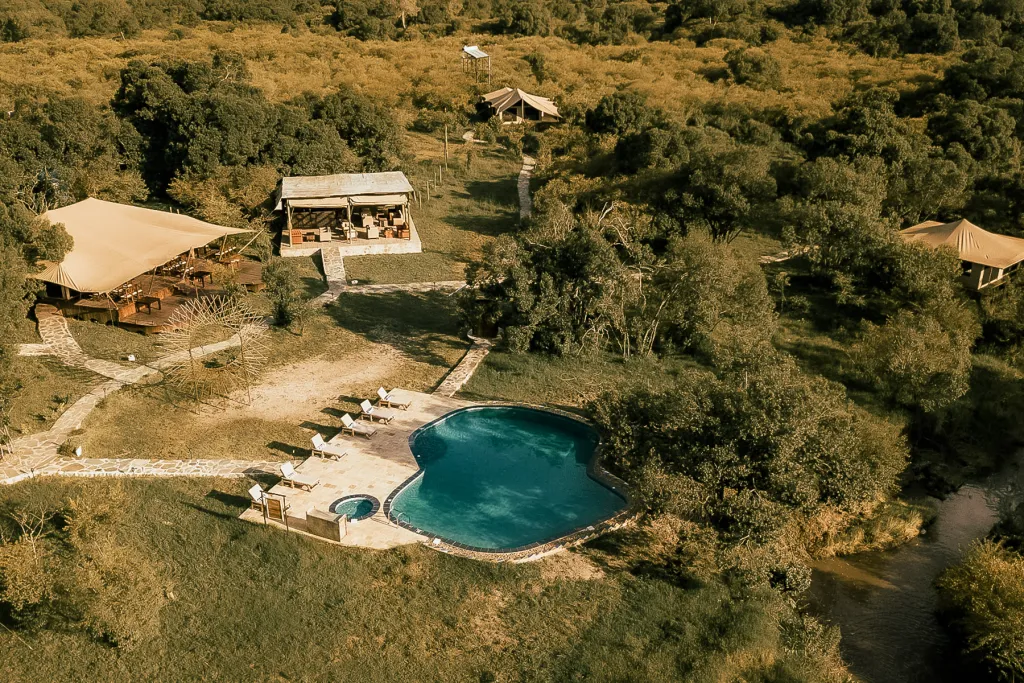
From canvas to lodge
Accommodation ranges from tented camps deep in the bush to lodges and, in towns, conventional hotels.
- Some camps inside reserves are unfenced; staff escort you after dark. If you hear animals at night, stay inside — you’re safe there.
- Never approach any animal on foot, by day or night.
- Wi-Fi is often in common areas only. Some camps run on generators with limited night-time power or fixed hot-water hours — tell us if constant power matters to you.
- Use the room safe for valuables; better still, travel light on them.
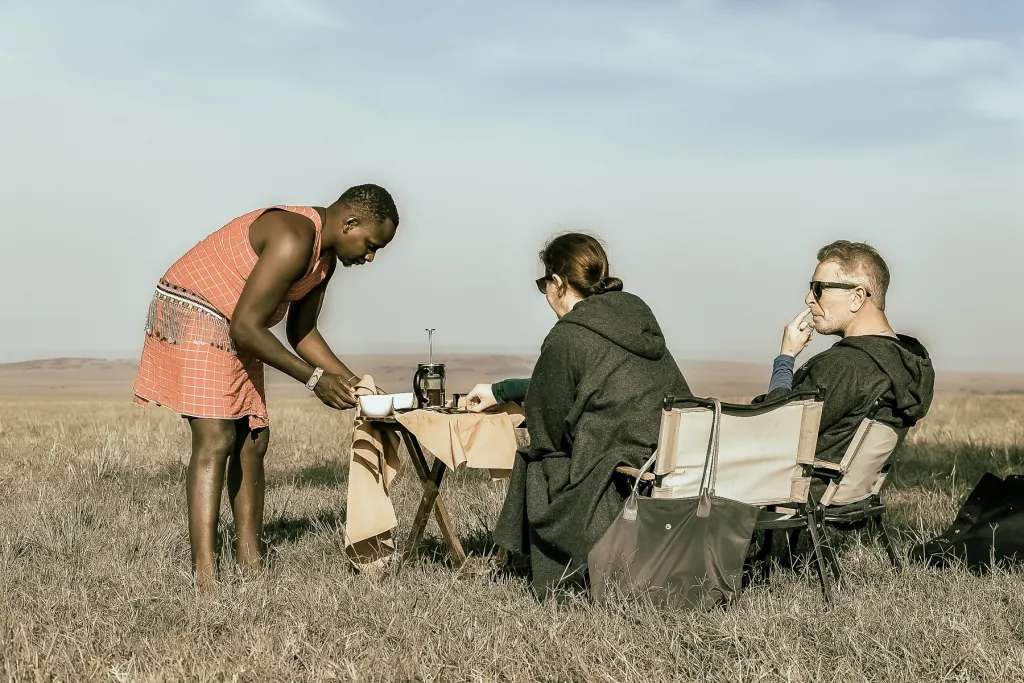
Meals, on the bush’s clock
Camps and lodges keep fixed meal times — it helps to plan your drives around them.
- Choice can be limited in remote bush kitchens. Share any dietary needs or medical issues well in advance and we’ll do our best.
- Drinks are often not included in full-board plans, and drinking water may be limited per day.
- Tap water is generally not safe to drink — stick to bottled or filtered.
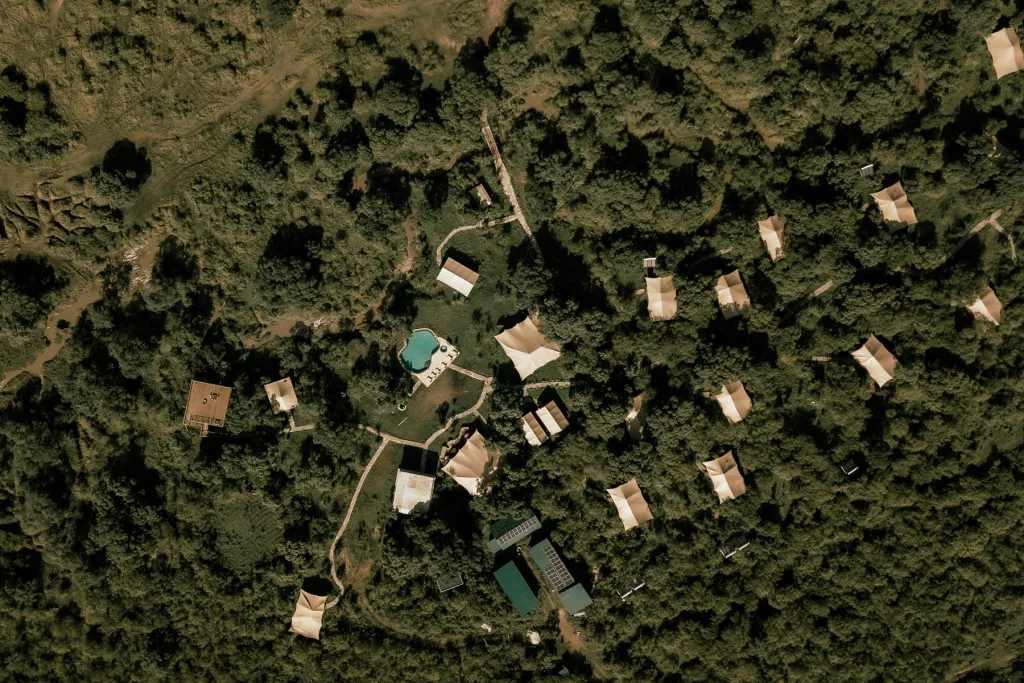
Far from the nearest town
Deep in a reserve, proper medical care can be hours away — so a little preparation goes a long way.
- We strongly recommend travel insurance that includes air evacuation; we can arrange it.
- Bring enough of any regular or prescribed medication for the whole trip; don’t rely on finding it locally.
- Wear closed shoes when walking in the bush, against snakes and insects.
Cold dawns, warm days
Mornings on a game drive can be genuinely cold — around 12–14°C (53–57°F) — before the day warms to a pleasant 25–27°C (77–80°F). Bring warm layers for the early start and light, earth-toned clothes for the day; a light waterproof earns its place in any season.
Still have questions?
Read the detailed FAQs for practical matters like visas, vaccinations, money and connectivity — or simply ask your planner.
Read the FAQs