We plan the trips we’d want to take ourselves.
I started Wild Voyager because the trips I wanted didn’t quite exist — planned by someone who had actually been there, not assembled from a brochure.
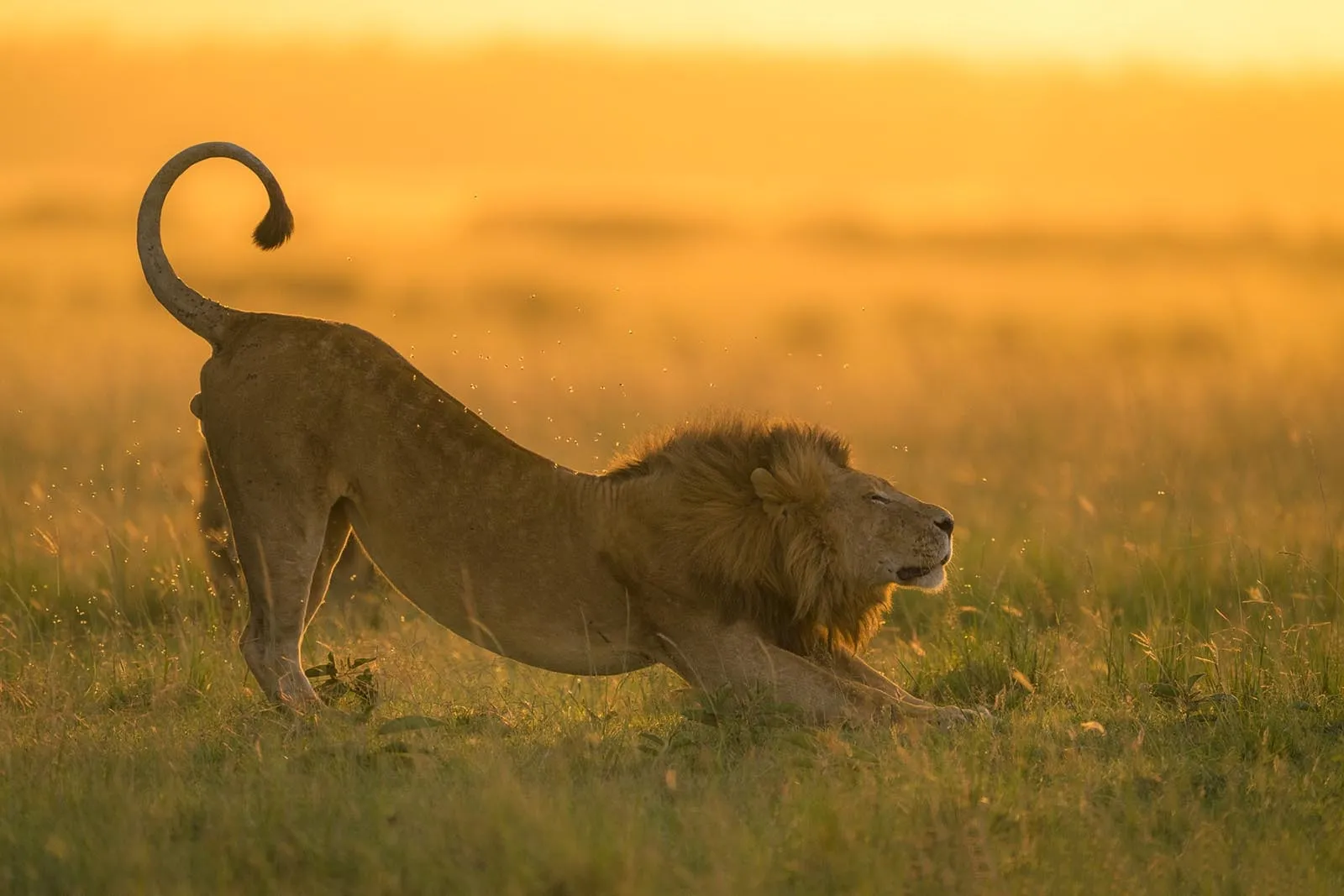
I’m Alankar Chandra. I’ve spent years in these landscapes, much of it behind a camera, learning the small things that decide a day in the wild: where the light falls, when the rivers run, which guide reads the bush and which only drives through it. The lion on our homepage is one of mine.
In Kenya, Tanzania and India we run our own operations — our vehicles, our guides, our standards. I’ve stayed in the camps myself, so when we put you somewhere it isn’t a recommendation made off a screen. It’s how most of our travellers go, and it’s the part I’m proudest of.
Beyond those three, I send people only where I’ve travelled myself, and we build each journey with local specialists I would trust with my own family. You get our planning and the best people on the ground — named openly, never hidden behind a logo.
What I care about hasn’t changed since the first trip: get you to the right place at the right hour, on knowledge rather than guesswork, and leave the wild a little better than we found it.
Known first-hand, or designed with people we trust.
We run it ourselves
In our three core countries the guides, the vehicles and the standards are ours. We know the parks by season and the camps by name — so the timing, the routing and the small decisions that make a sighting are ours to get right, and ours to answer for.
We design it, with people we trust
Everywhere else, we plan the journey ourselves and place you only with operators and guides we know personally and rate among the best — carefully chosen for each region, from the polar ice to the rainforests of the Americas and Asia. You always know who you’re travelling with.
A great guide is the whole trip.
The difference between a good day and an unforgettable one is rarely the camp or the route. It’s the person beside you — the one who knows which way the cat is heading before it moves, and why the morning is worth starting an hour earlier.
Chosen for what they see
We pick guides for how they read a landscape, not how many seasons they’ve clocked. The best ones anticipate behaviour, understand the light, and know when to wait — the small calls that turn a sighting into a story.
In Kenya, Tanzania & India
In our three core countries the guides are ours — trained to our standard and accountable to us. Everywhere else we travel only with naturalists we know personally and rate among the best in their region.
Built around the image
Many of our guides are photographers themselves, and our founder leads a handful of journeys each year. They understand position, angle and patience — so whether or not you carry a camera, you’re in the right place at the right hour.
The moments you didn’t plan for.
A wildlife journey is more than what you watch from the vehicle. The parts travellers remember longest are often the quiet, human ones — a meal, a walk, a conversation with someone whose life is the place you came to see.
Walk the land
Where it’s safe and permitted, leave the vehicle behind — a walking morning with a tracker who reads the ground tells you more than a week of drives.
Eat where you are
Food cooked by the people who live there, eaten slowly — a bush breakfast as the plains wake, a home meal that no restaurant could stage.
Meet the protectors
Time with the researchers and rangers keeping these species alive — the part of a journey that turns watching the wild into understanding it.
The human landscape
The communities, craft and ceremony woven into every place we travel — met with respect, on their terms, never as a performance laid on for visitors.
How we plan, on every journey.
Known first-hand.
In our core countries, the ground and the camps we recommend are ones we’ve seen ourselves.
Private & personal.
Every journey is tailor-made and planned with you — never a fixed package off a shelf.
Patience, not checklists.
We build days around the wildlife and the light, not a list of boxes to tick.
Conservation, always.
We favour the people and places that protect the wild — and tread lightly while we’re there.
The wild only stays wild if travel pays for it.
We build our journeys around the work that keeps these places wild — the researchers, the patrols and the communities protecting the species we travel to see. It isn’t a line on a page; it’s the reason the wild survives the next generation of travellers.
Come and see for yourself.
Tell us what you’d most want to see, and we’ll build the journey around it.
Plan your journey