Enquire
Home  /  India  /  Jim Corbett National Park
Tiger reserve · Uttarakhand

Jim Corbett National Park

India's oldest national park — terai forest where tigers and wild elephants share the Ramganga.
Getting there
~1.5 hr drive from Ramnagar railhead; ~6 hr from Delhi
Best for
Tigers, large wild elephant herds and dramatic foothill scenery
The land
Sal forest, tall grassland and the Ramganga river under the Himalayan foothills
Good to know
Dhikala zone is the prize and books out far ahead
What it is
Corbett is where Indian conservation began, and it still feels like the wildest version of the foothills.
Established in 1936 as India's first national park, Corbett is named for the hunter-turned-conservationist Jim Corbett. Its terai landscape of sal forest, tall grassland and the braided Ramganga river holds a strong tiger population and some of the largest wild elephant herds in the region — tigers and elephants together, against a backdrop of the Himalayan foothills. The Dhikala zone, deep inside the park, is the classic and the most sought-after.
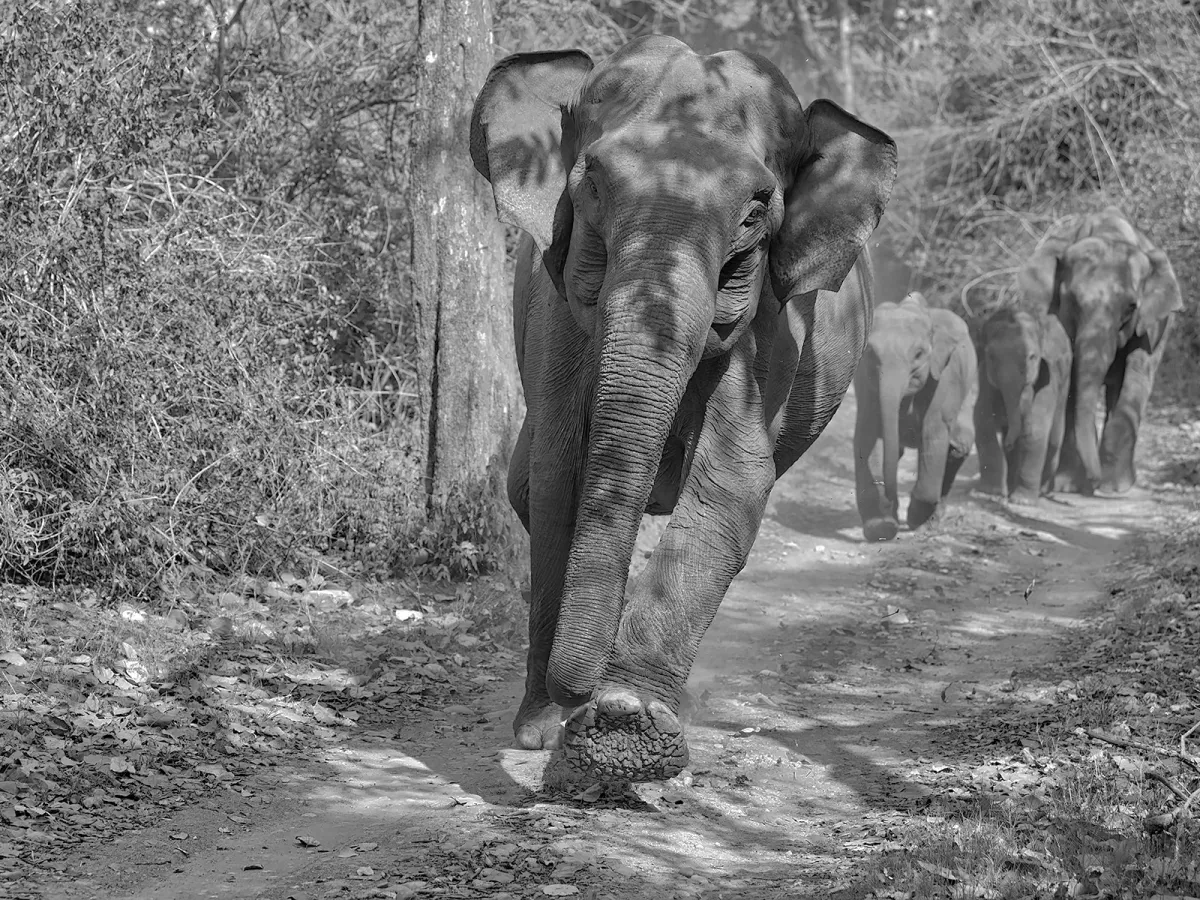
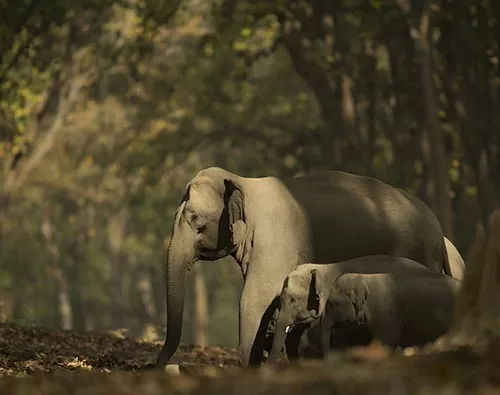
A wild elephant herd crossing the Ramganga's grassland flats.
The reason to come

Tigers and elephants in one landscape

Few parks give you both big tiger numbers and big elephant herds in dramatic foothill country. Corbett does, and the Dhikala grasslands — with the river, the tall grass and the hills — are among the most atmospheric wildlife settings in India.

Dhikala

The core grassland zone, with a forest rest house inside it — the most coveted access in the park.

The elephants

Large herds on the river flats, sometimes hundreds of animals in the grass.

The Ramganga

The river is the park's spine — mahseer fish, gharial, crocodile and game coming down to drink.

An honest note

Corbett's tall grass and forest make tigers harder to see than in open parks like Ranthambhore. You come for the whole landscape and the elephants as much as for guaranteed cats.
Where it all started

The first national park in India.

Corbett, gazetted in 1936, set the template for every tiger reserve that followed, and Project Tiger itself was launched here in 1973. Visiting it is visiting the origin of Indian wildlife protection — the history is woven into the place.
Old forest rest house at Dhikala, grassland stretching beyond.
When to come — honestly

Plan Dhikala early.

March – June
Best
Hot and dry; game and tigers concentrate at the Ramganga and the grass thins for better viewing. Peak season.
November – February
Good
Cool, clear foothill weather with Himalayan views on good days; excellent birding and elephants on the flats.
Different zones open on different calendars and the prized Dhikala permits sell out months ahead. The core typically closes mid-June to mid-November for the monsoon — earlier and longer than the central-India parks.
Corbett's legacy

The man and the movement

Jim Corbett shot man-eating tigers and leopards in these hills, then spent his later life arguing for their protection — a contradiction that mirrors the wider history of Indian conservation. The park carries his name because he helped change how the country saw its predators.

The terai foothills remain a densely populated, fast-developing landscape, and Corbett's edges press against towns, resorts and roads — the pressures on it are very modern.

We skip the trophy-hunting nostalgia. What matters is that this is where India decided tigers were worth saving.
Beyond the obvious

Three ways to read Corbett.

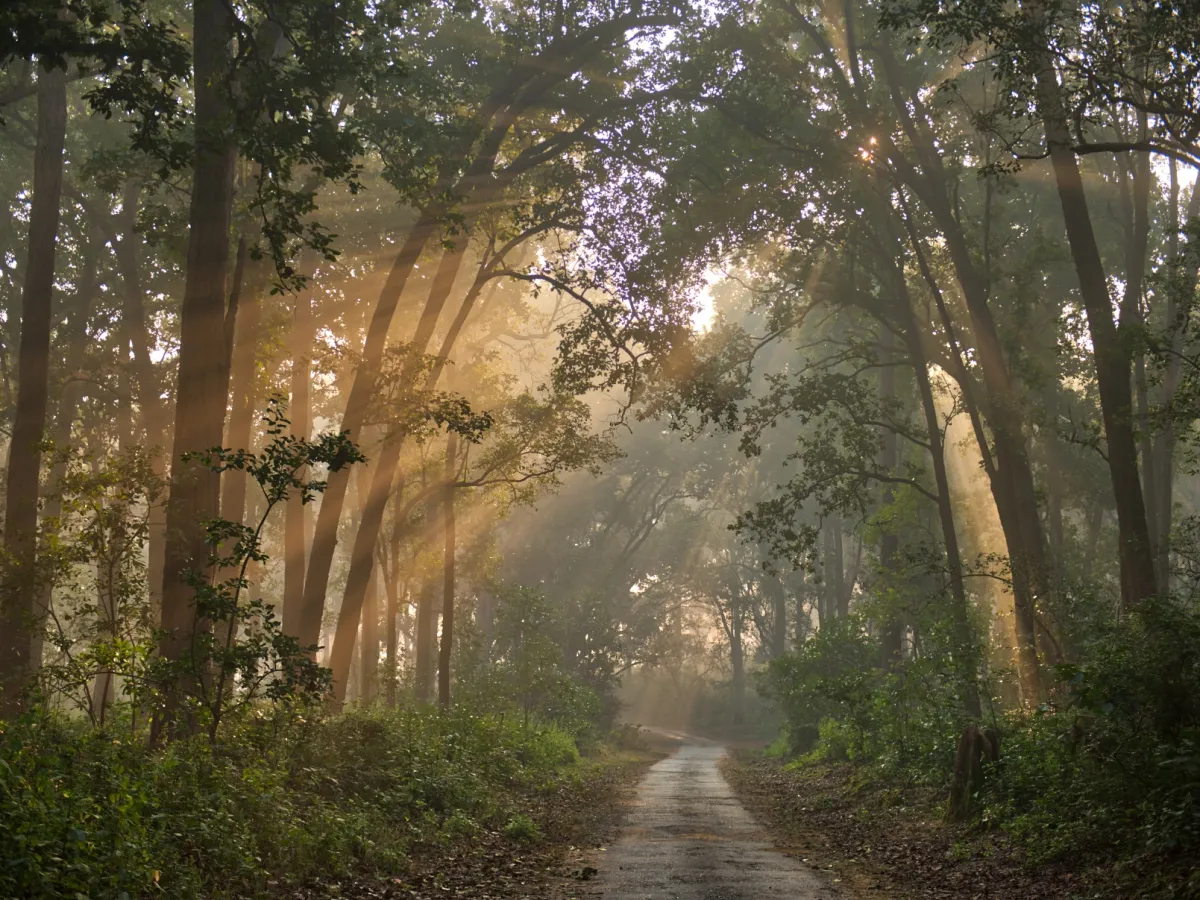
Dhikala core

Dhikala core

The deep-forest grassland zone, where booked far ahead, for the full Corbett.
River and elephant flats

River and elephant flats

The Ramganga grasslands where the big herds gather, especially in the dry months.
Foothill birding

Foothill birding

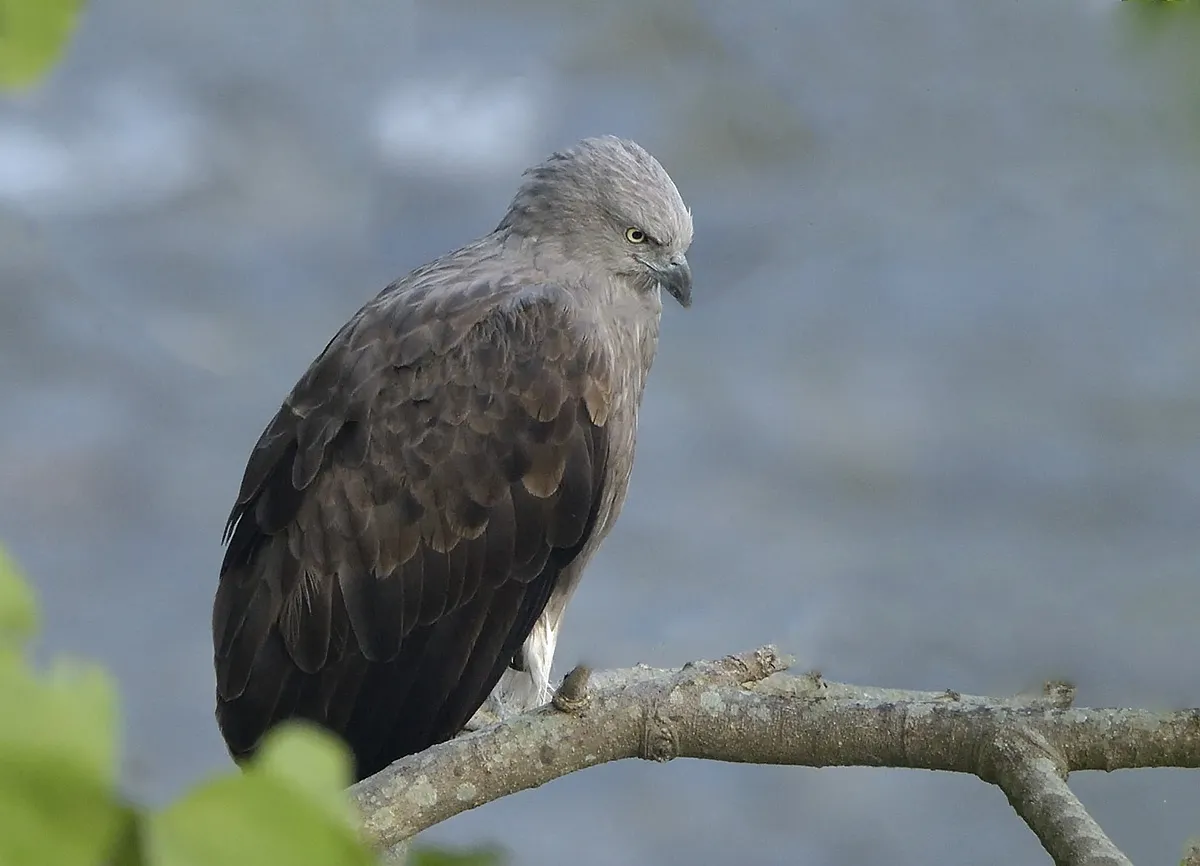
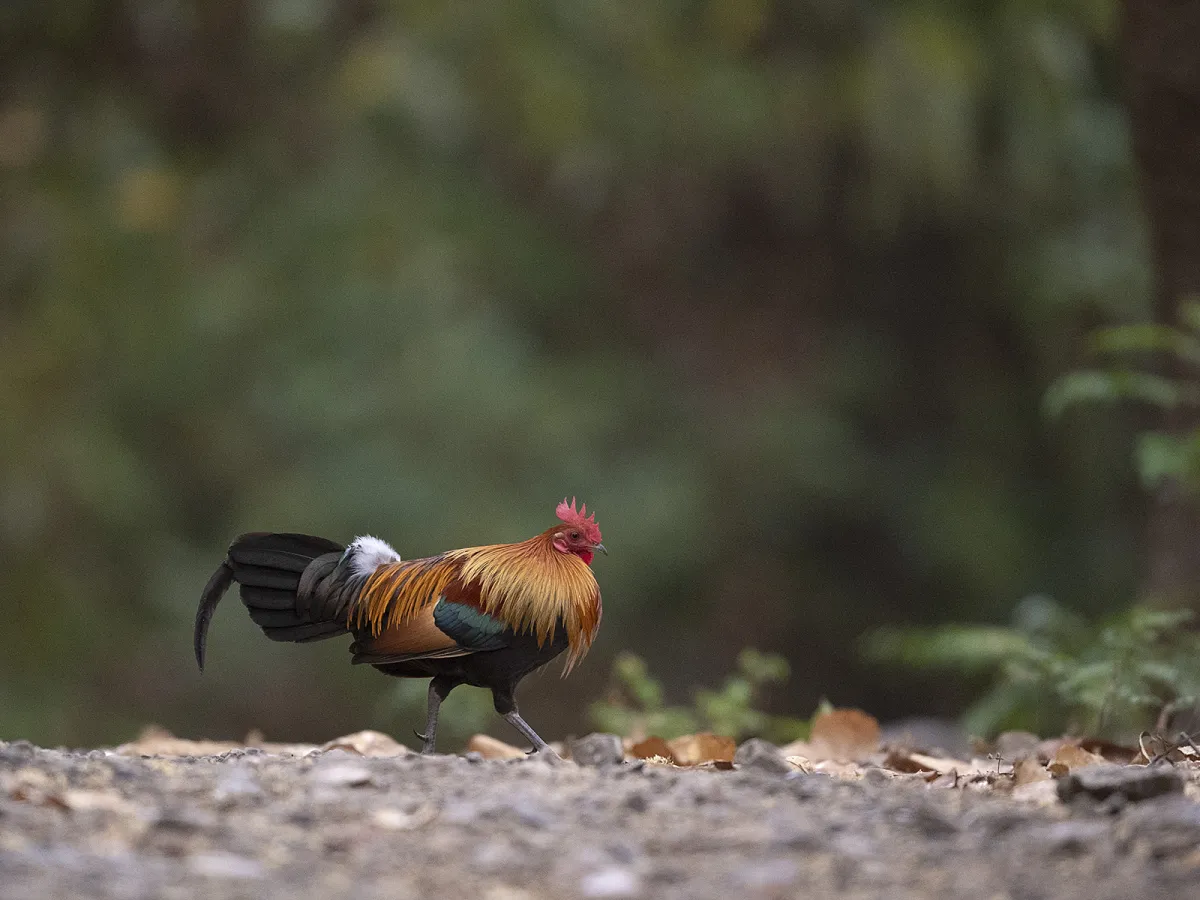
Corbett's forest and river hold huge birdlife, from fish-eating raptors to forktails.
Photo

Why Wild Voyager

We run India on our own ground.

India is one of three countries we run with our own guides and vehicles, not booked through a middleman. In Jim Corbett National Park that means securing the Dhikala or right core permit — the access that separates a real Corbett trip from a buffer-gate one.

We operate it, not a middleman

Our team handles the permits, the zones and the timing, so we answer for your sightings — not a stranger hoping it works out.

We base you in the right zone

Corbett's zones are not equal, and Dhikala books out fast. We plan far enough ahead to get you the access that matters, rather than whatever permit is left.

We guide for wildlife, not a checklist

Our naturalists work the alarm calls, the tracks and the light — they would rather earn you one real sighting than tick a list.
Wildlife you may see
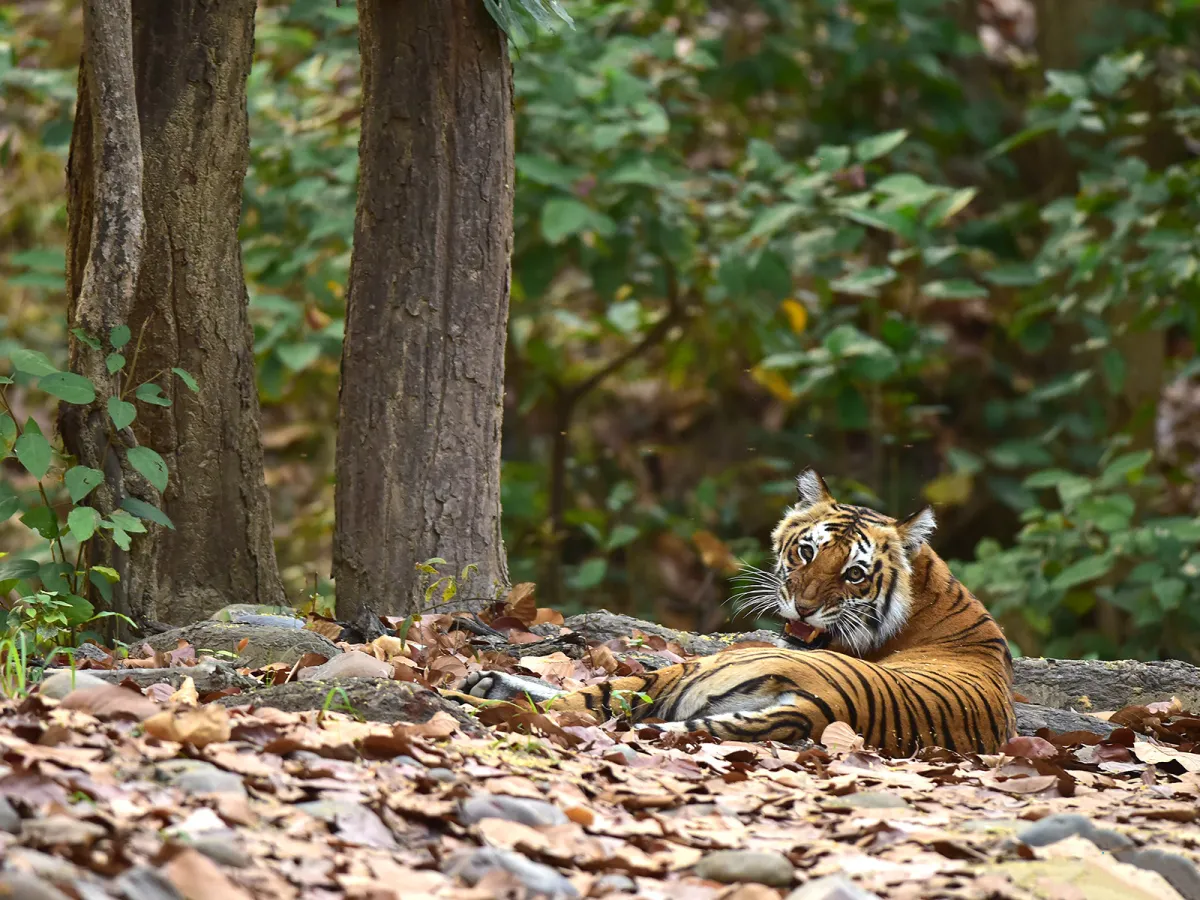
Tiger

Pair Corbett with Rajaji,
and read the whole foothill landscape.

Corbett for tigers and elephants, Rajaji next door for its elephant herds and quiet, make a strong Uttarakhand foothills trip. We route them as one.

Plan a Corbett safari
Field notes, now and then.

Where to go · When to go · Wildlife in season

A few times a year, never more. Unsubscribe anytime. See our Privacy Policy.