An honest note
The tall grass that makes Dudhwa special also hides its tigers. Set expectations for a wilder, harder-to-read park, and its quiet becomes the reward.
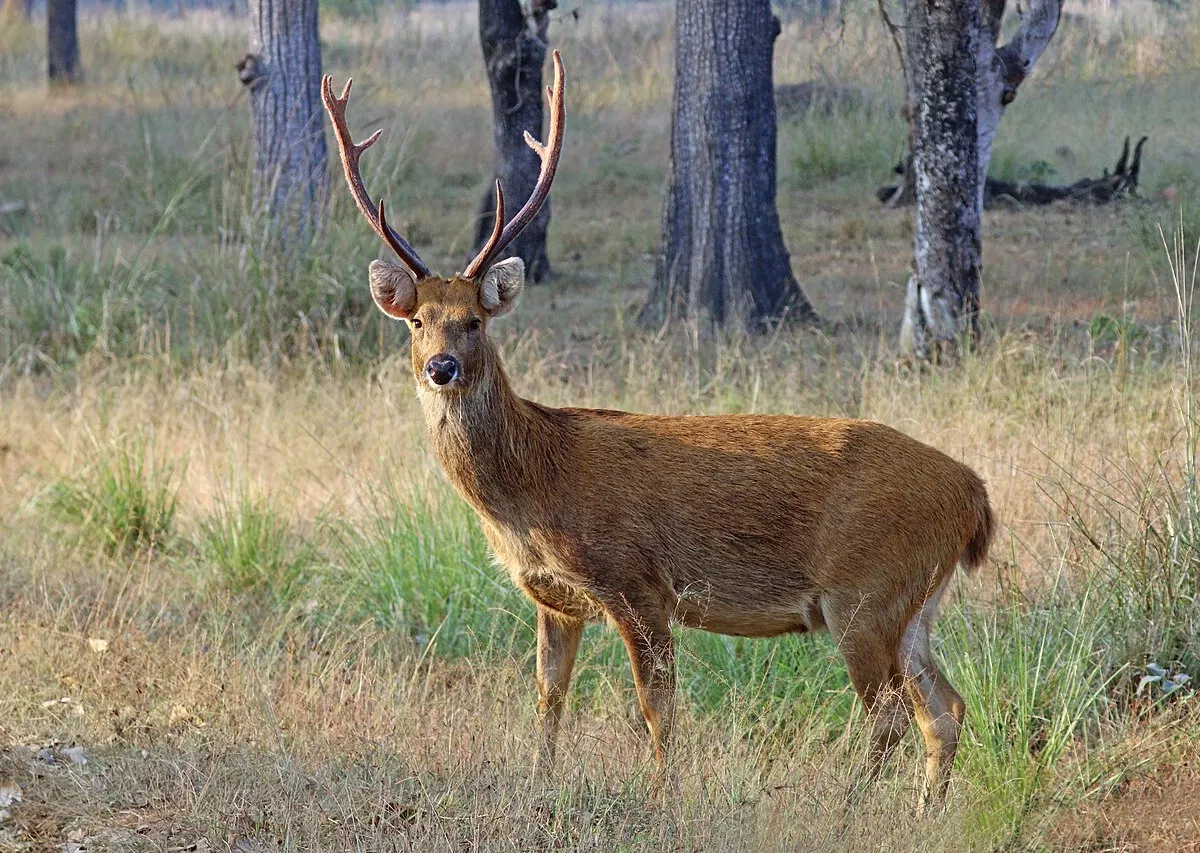
Large herds of the wetland barasingha graze the grassland — Dudhwa is a key refuge for them.
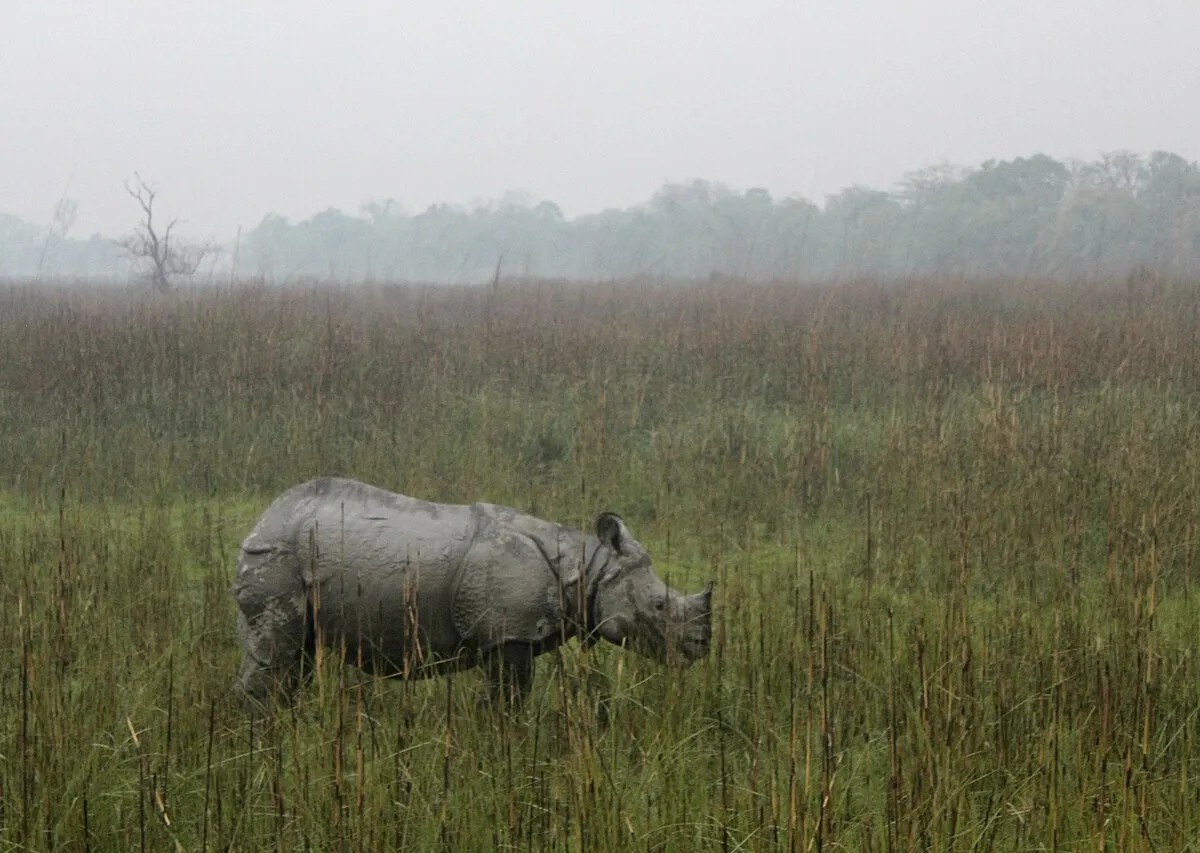
One-horned rhino brought from Assam and Nepal hold on in a managed area — a small, deliberate population.
Few visitors reach Dudhwa, so what you see, you see largely alone — rare for an Indian tiger reserve.
The tall grass that makes Dudhwa special also hides its tigers. Set expectations for a wilder, harder-to-read park, and its quiet becomes the reward.
Dudhwa sits in a densely farmed, fast-changing corner of Uttar Pradesh, and its grassland survives only because it is protected. The pressure from agriculture, sugarcane and people at its edges is intense, and the India-Nepal border runs right alongside it.
Tharu communities have long lived in this terai, and the park's future is bound up with how the surrounding land and people are managed, not just what happens inside the fence.
We do not dress Dudhwa up as a star park. It is a quiet, important refuge — and that is precisely the appeal.
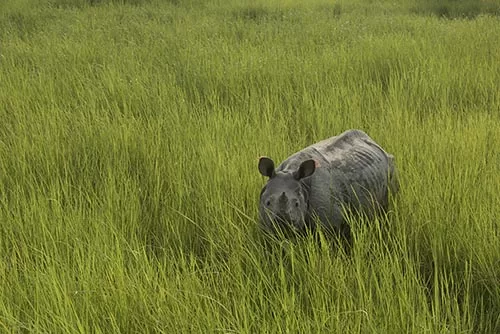
Working the tall terai grass for swamp deer, tiger sign and grassland birds.
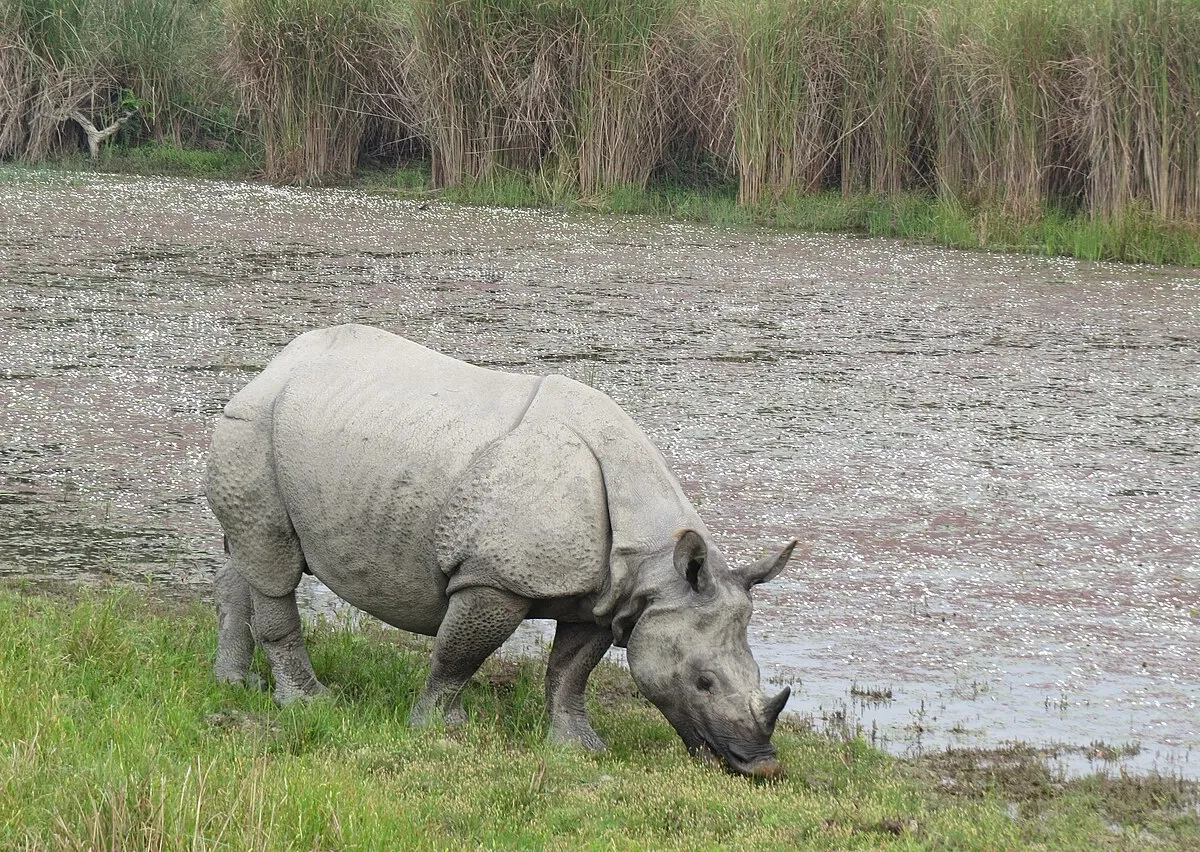
The managed enclosure where reintroduced one-horned rhino can be seen.
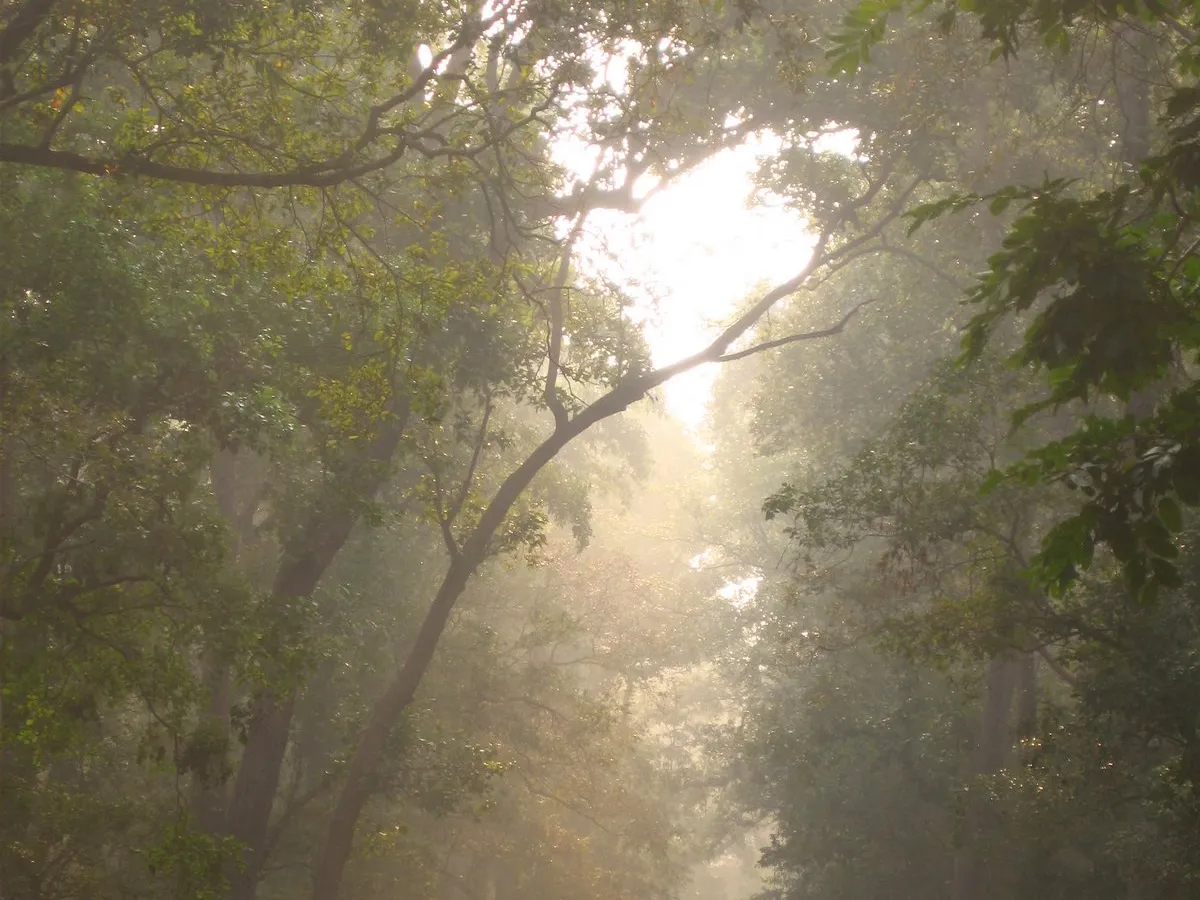
Cool-season mornings when fog lifts off the grassland and the birding is at its best.
Our team handles the permits, the zones and the timing, so we answer for your sightings — not a stranger hoping it works out.
Dudhwa is remote and lightly visited, and that needs planning, not improvisation. We arrange the access and the right zones so the solitude is an asset, not a logistics problem.
Our naturalists work the alarm calls, the tracks and the light — they would rather earn you one real sighting than tick a list.
For travellers who want grassland wildlife and almost no crowds, Dudhwa is a different side of India. We pair it with Corbett or run it for those who want the road less travelled.
Plan a Dudhwa safari