Enquire
Home  /  India  /  Kaziranga National Park
Rhino & grassland park · Assam

Kaziranga National Park

The Brahmaputra floodplain that holds two-thirds of the world's one-horned rhino — and India's densest tigers.
Getting there
~1 hr drive from Jorhat; ~4.5 hr from Guwahati
Best for
One-horned rhino, wild buffalo, elephant and exceptional birdlife
The land
Vast Brahmaputra floodplain grassland, wetland and woodland
Good to know
A UNESCO site; floods in the monsoon and closes, reopening by November
What it is
Kaziranga is the great floodplain of the one-horned rhino — the benchmark against which India's other rhino parks are measured.
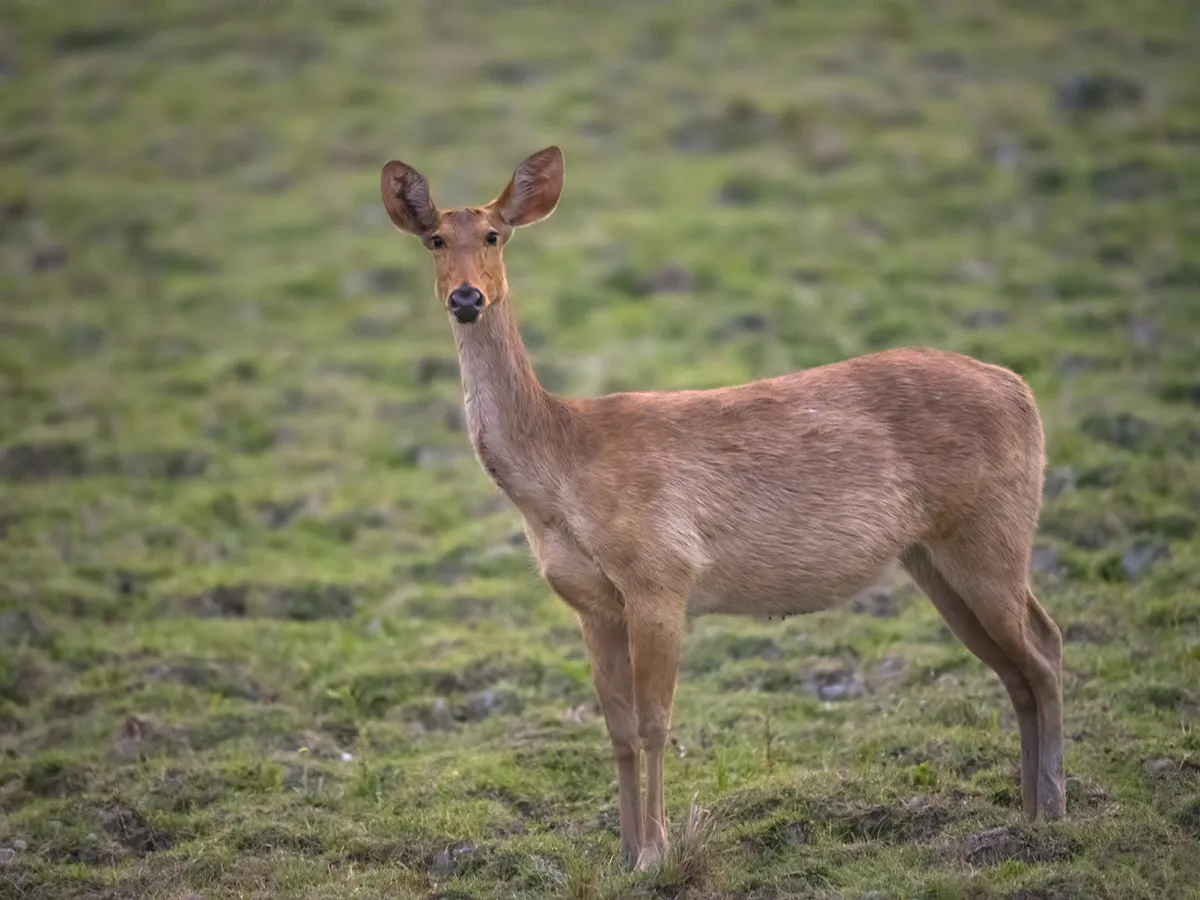
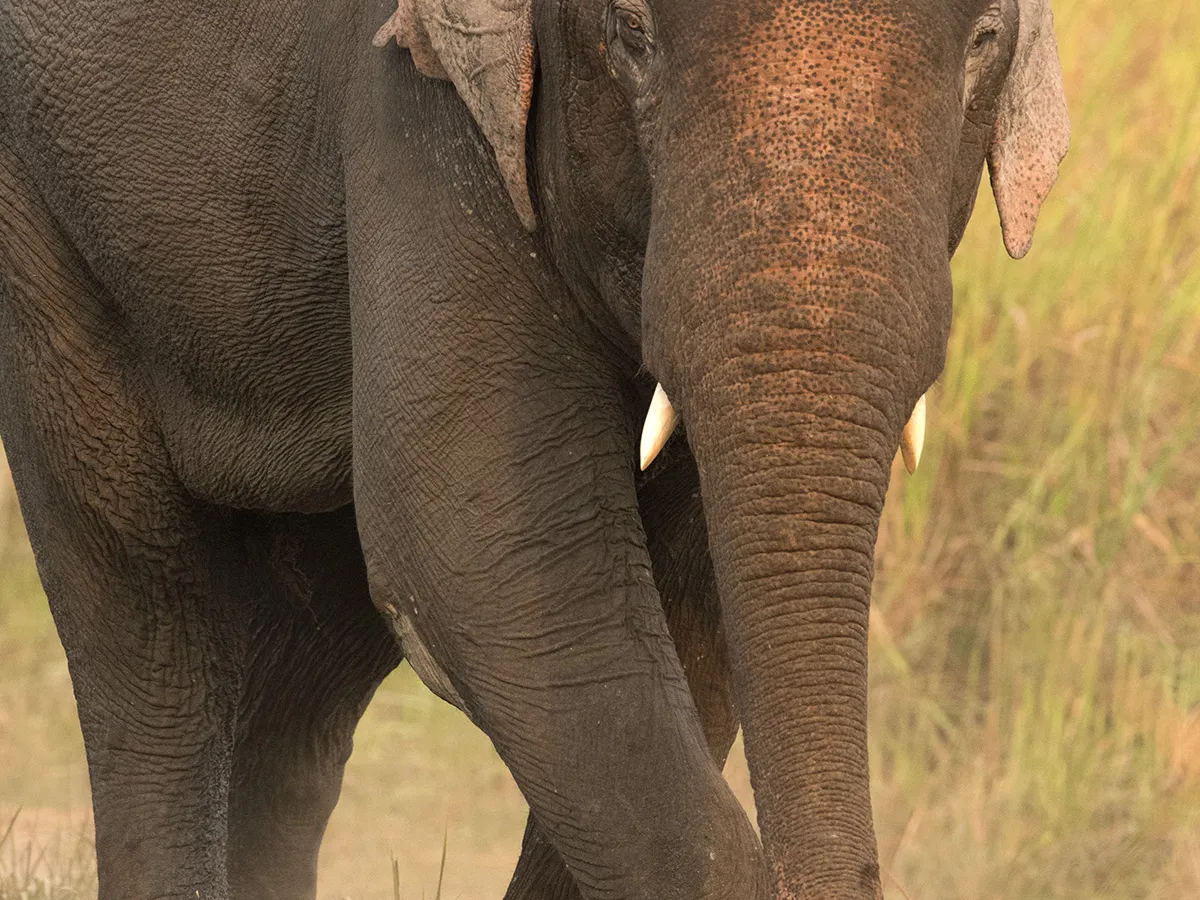
On the southern bank of the Brahmaputra, Kaziranga is a vast floodplain of tall grassland, wetland and woodland that holds roughly two-thirds of the world's greater one-horned rhino — a conservation triumph from near-extinction a century ago. The same grassland carries the highest tiger density of any park on earth (though the tall grass hides them), the largest population of wild water buffalo, eastern swamp deer, big elephant herds and a staggering wealth of birds. A UNESCO World Heritage site, it is the centrepiece of any Assam wildlife trip and one of the finest reserves in Asia.
PhotoOne-horned rhino grazing tall floodplain grassland at dawn.
The reason to come

Rhino, at scale

Kaziranga's rhino are not just numerous — they define the place, grazing the grassland in the open, often several in view at once. After a century of protection brought them back from a few dozen, the park now anchors the species' survival. To see them here, across the floodplain with the Brahmaputra beyond, is to see conservation that worked.

The rhino

Two-thirds of the world's one-horned rhino live here — the single most important population on earth.

The wild buffalo

Kaziranga holds the largest population of wild water buffalo, the true wild ancestor, on the floodplain.

The birds

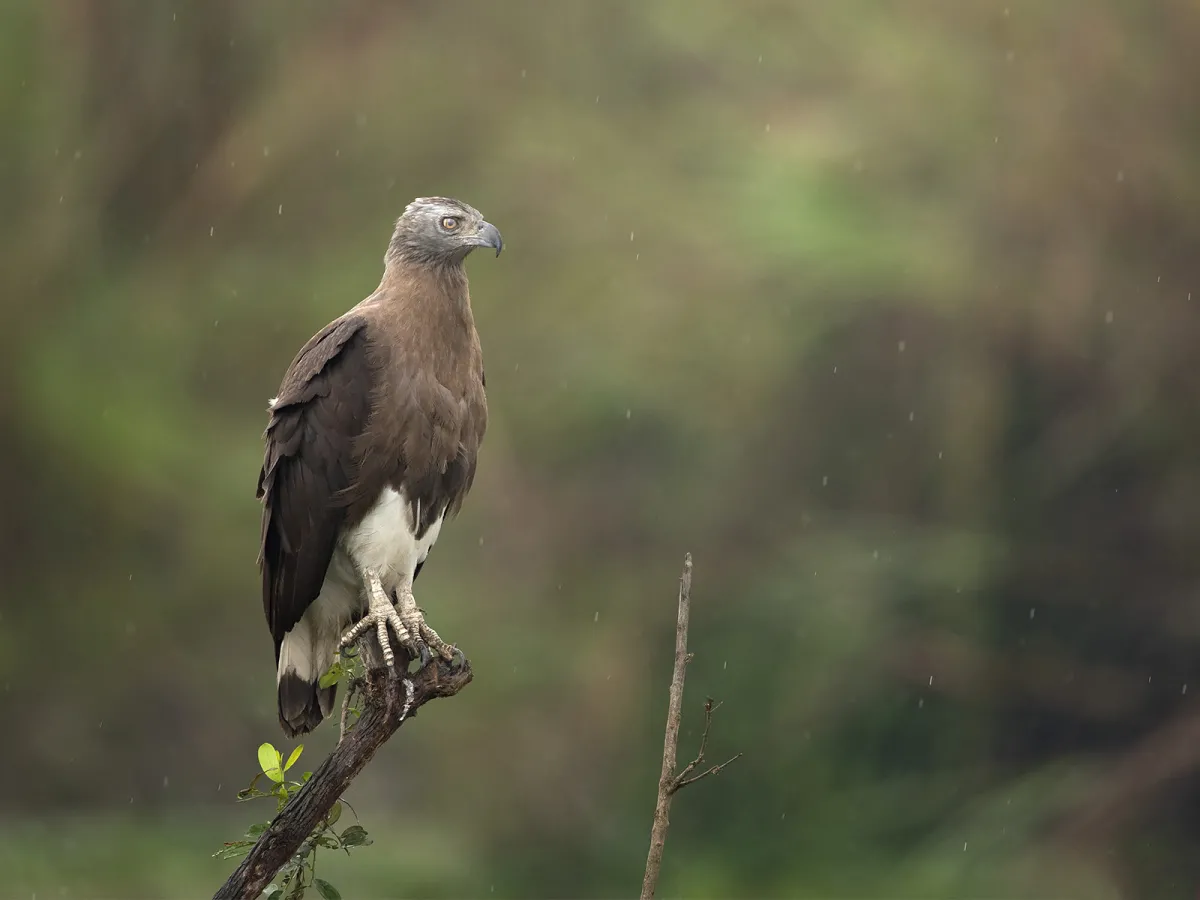
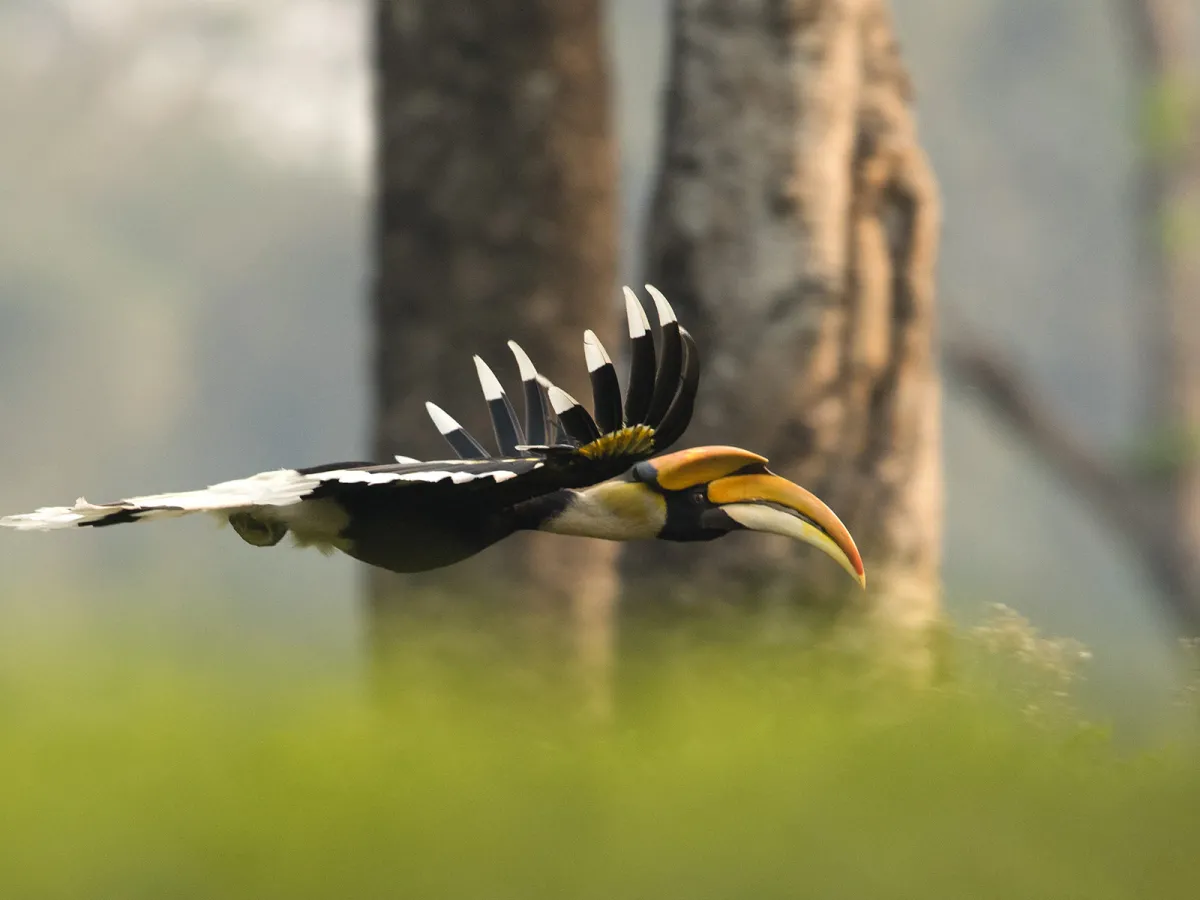
From pelicans and storks to raptors and the rare Bengal florican — the grassland and wetlands teem with birdlife.

Worth knowing

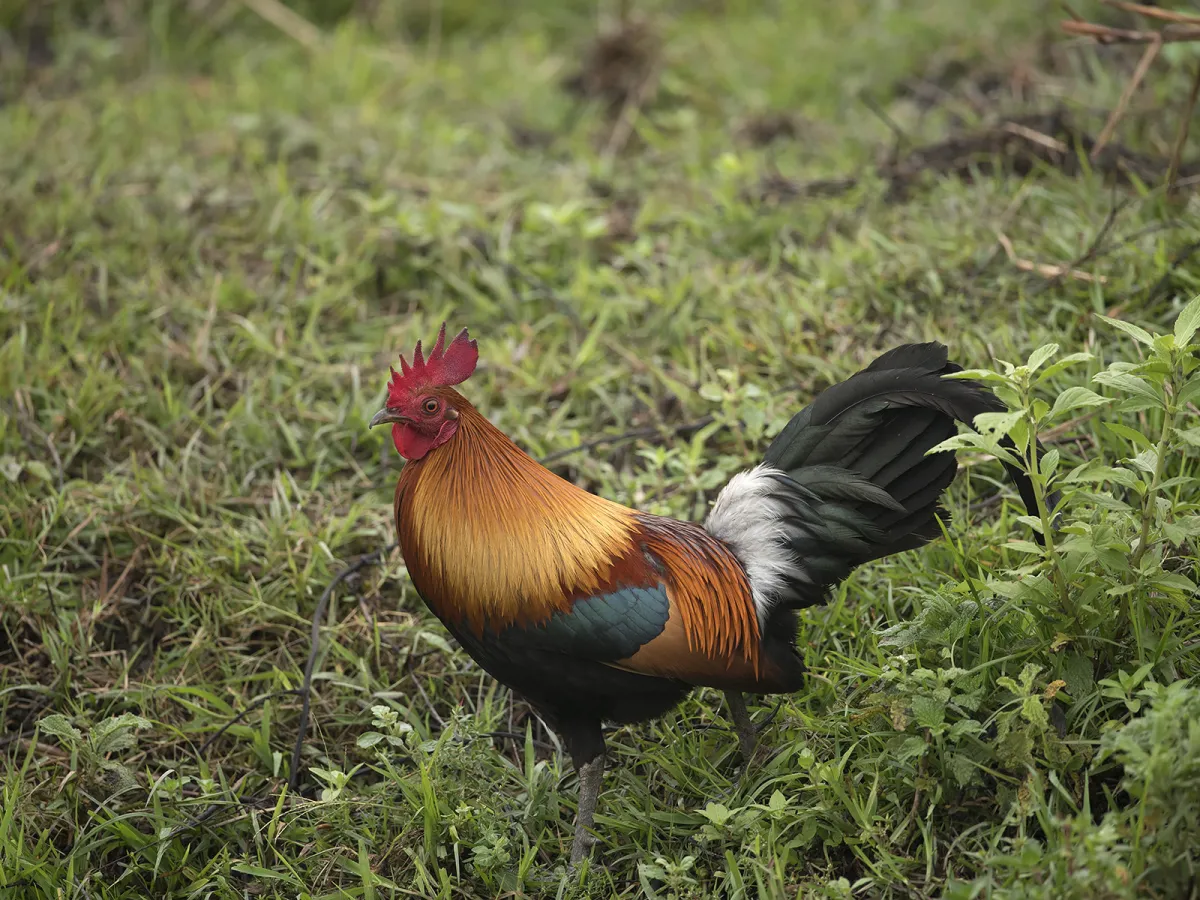
Kaziranga has the highest tiger density anywhere, but the tall grass means sightings are rare and lucky — come for the rhino, buffalo, elephant and birds, and treat a tiger as a bonus.
Brought back from the brink

A century of protection.

Kaziranga's rhino numbered only a few dozen when protection began over a hundred years ago; today they are thousands. It is one of the great conservation recoveries in the world — though it comes with a hard edge, including a tough, sometimes controversial anti-poaching regime that the park's success has depended on.
PhotoThe Brahmaputra's grassland stretching to the river and hills beyond.
When to come — honestly

A floodplain on the river's schedule.

November – April
Best
The dry, accessible season after the floods recede — the core viewing months, with grass shortening and wildlife in the open.
February – April
Good
Late season, when the grass is lowest and shortest — the best visibility for rhino, buffalo and the chance of tiger.
Kaziranga closes through the monsoon, when the Brahmaputra floods the park — the same flooding that renews the grassland and sustains it. It reopens around November as the water drops. The later dry months offer the shortest grass and the clearest viewing.
The river's park

Flood, life and conflict

Kaziranga is made by the Brahmaputra — the annual floods that drown the park and drive its wildlife to higher ground are also what keep the grassland fertile and open. The floods kill animals each year, yet without them there would be no Kaziranga.

The park's success carries tension: animals stray across the highway and into tea estates and villages at its edges, and the anti-poaching effort that saved the rhino has drawn scrutiny. It is a living, contested landscape, not a sealed wilderness.

We read Kaziranga across its ranges and pair it with Assam's other reserves — the rhino are the headline, but the floodplain's full wealth is the story.
Beyond the obvious

Three ways to read Kaziranga.

PhotoRhino on the floodplain

Rhino on the floodplain

Jeep safaris across the grassland ranges for rhino, buffalo and elephant.
PhotoThe wetlands and birds

The wetlands and birds

The beels and channels, rich with pelicans, storks, raptors and waterbirds.
PhotoRange by range

Range by range

Central, Western and Eastern ranges each read differently — grassland, water and woodland.

Why Wild Voyager

We run India on our own ground.

India is one of three countries we run with our own guides and vehicles, not booked through a middleman. In Kaziranga National Park that means working the park's ranges for the rhino, buffalo and birds, and pairing it with Assam's wider wildlife.

We operate it, not a middleman

Our team handles the permits, the zones and the timing, so we answer for your sightings — not a stranger hoping it works out.

We base you in the right zone

Kaziranga's ranges each offer something different, and timing matters as the grass shortens through the season. We route you across them and pair the park with Assam's other reserves for the full picture.

We guide for wildlife, not a checklist

Our naturalists work the alarm calls, the tracks and the light — they would rather earn you one real sighting than tick a list.

Wildlife you may see
Rhinos

Pair Kaziranga with Assam's
wider wildlife.

Kaziranga's rhino, with Pobitora, the gibbons of Hoollongapar and the Eastern Himalayan foothills, make a complete Assam trip. We route the floodplain with the forests and the hills.

Plan a Kaziranga trip

Field notes, now and then.

Where to go · When to go · Wildlife in season

A few times a year, never more. Unsubscribe anytime. See our Privacy Policy.