An honest note
Bharatpur once hosted the Siberian crane, which no longer reaches India — a reminder that even great wetlands lose species. What remains is still one of the country's finest winter bird sites.
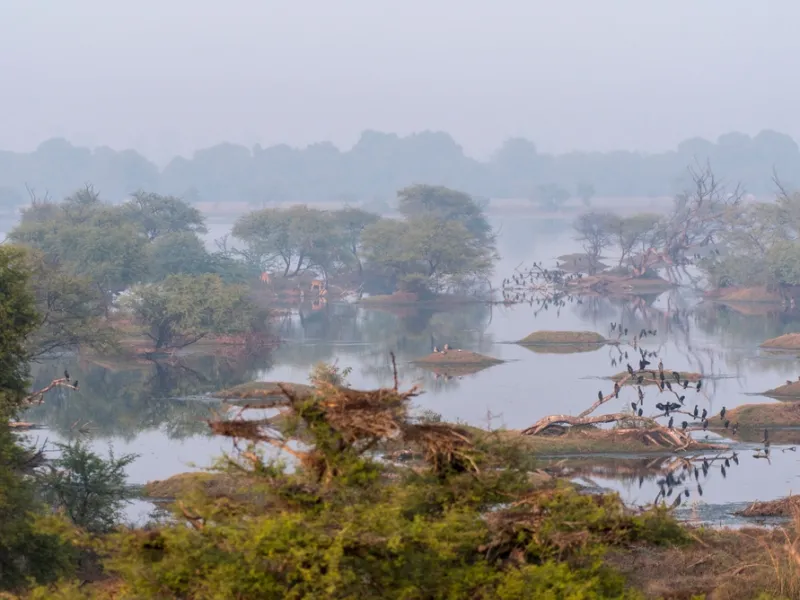
Trees full of nesting storks, egrets, herons and cormorants — a noisy, teeming spectacle in the breeding season.
Tens of thousands of ducks and geese on the shallow water through the cool months.
Walked or cycled along the dykes, with no vehicle — intimate, quiet birding open to everyone.
Bharatpur once hosted the Siberian crane, which no longer reaches India — a reminder that even great wetlands lose species. What remains is still one of the country's finest winter bird sites.
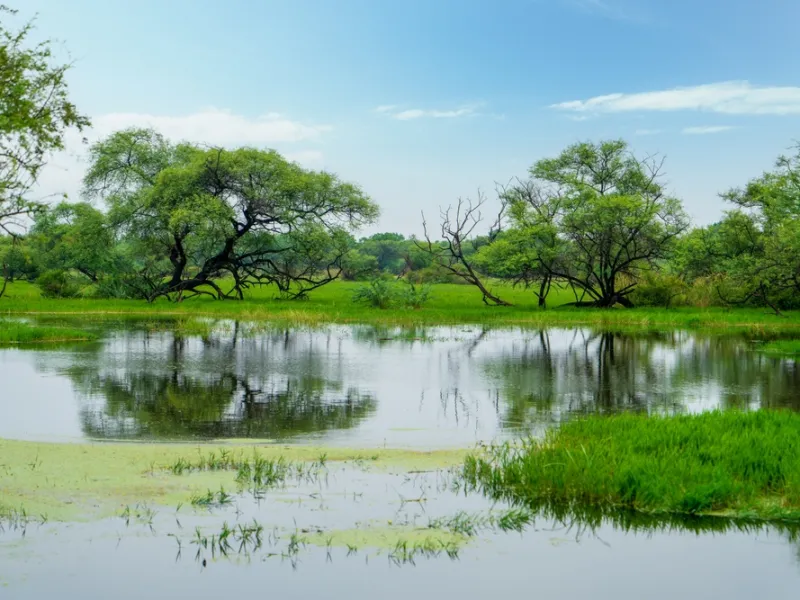
Bharatpur depends on water deliberately channelled into it, and disputes over that water — needed by farmers as well as birds — have periodically threatened the wetland. It is an artificial habitat that survives only through active management and political will.
The cycle-rickshaw guides, many of them expert self-taught birders, are part of the local economy the sanctuary supports — and among the best naturalists you will meet.
We bird Bharatpur with its expert rickshaw-guides, on foot and by cycle, the quiet way the wetland is meant to be seen.
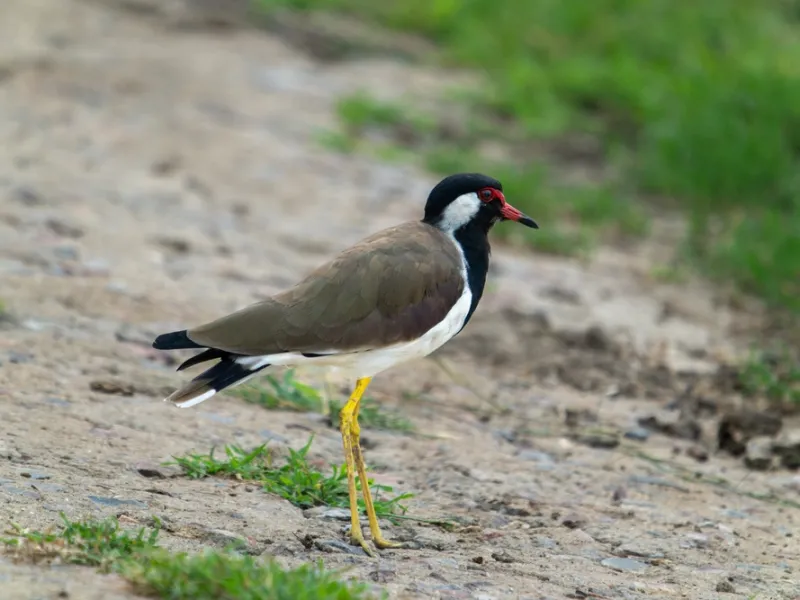
Early walking or cycling along the wetland for the best light and activity.
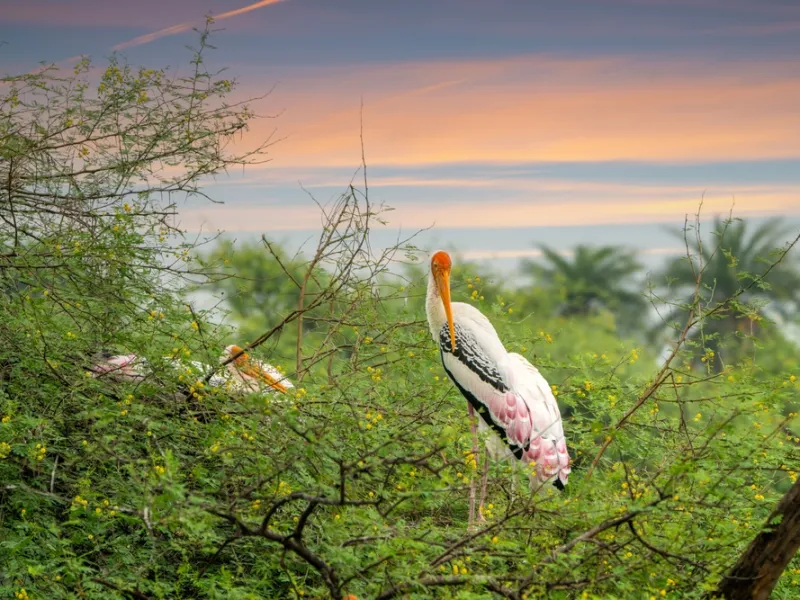
The breeding colonies of storks, herons and cormorants in full clamour.
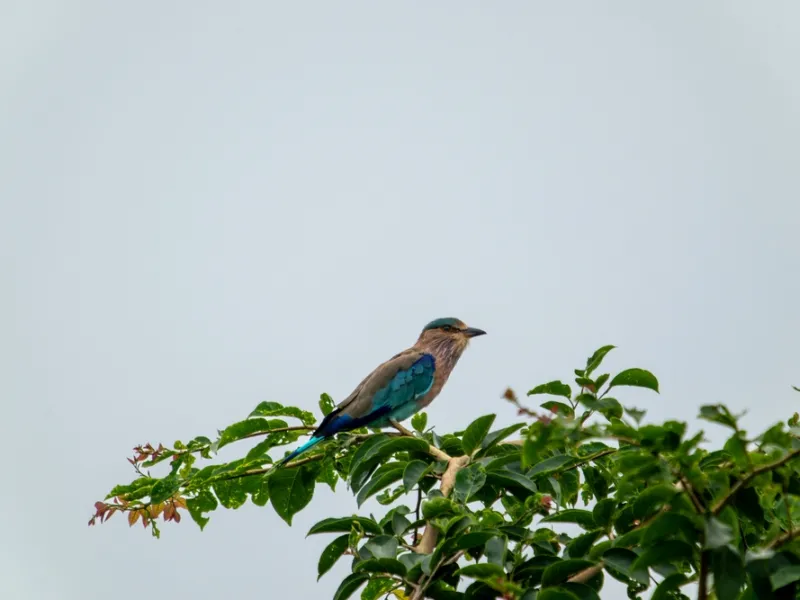
An easy birding day beside the Taj Mahal on a Golden Triangle route.
Our team handles the permits, the zones and the timing, so we answer for your sightings — not a stranger hoping it works out.
Bharatpur is walked and cycled, not driven, and its rickshaw-guides are among India's best birders. We bird it with them, at dawn, so the wetland's density actually reveals itself.
Our naturalists work the alarm calls, the tracks and the light — they would rather earn you one real sighting than tick a list.
Bharatpur's birds, an hour from Agra, fold neatly into a Golden Triangle or Rajasthan route. We pair the wetland with the Taj and the cities.
Plan a Bharatpur trip