Enquire
Home  /  Namibia  /  Kaokoland
Remote wilderness · Namibia

Kaokoland

Namibia's last great wilderness — desert elephants, the Himba, and roadless country in the far north-west.
Getting there
Fly-in, or a serious 4x4 expedition into the remote north-west
Best for
True wilderness, desert-adapted wildlife, Himba culture and the Kunene River
The land
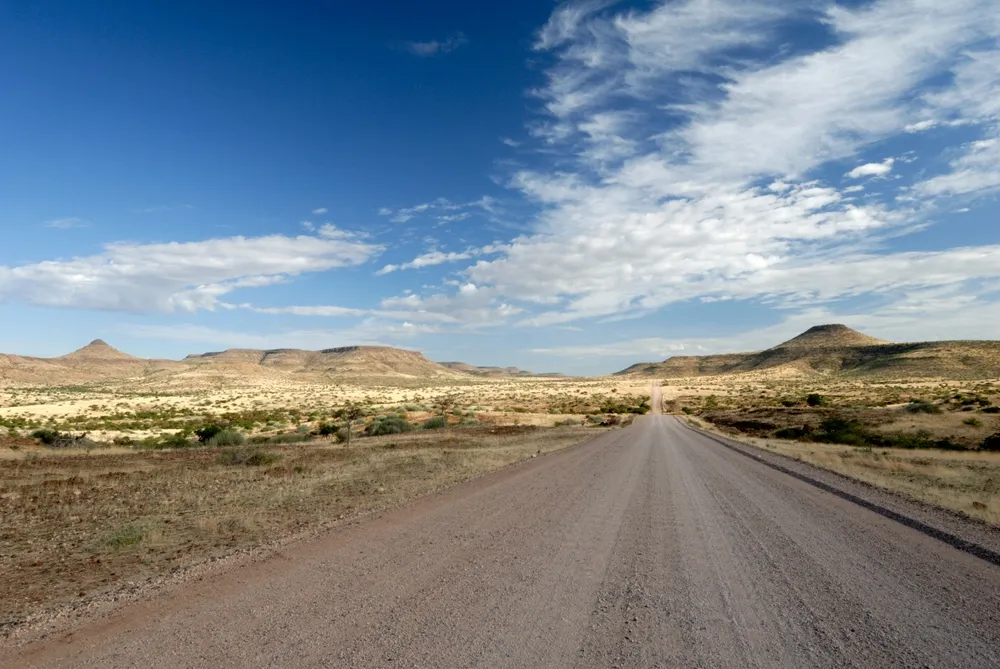
Vast, rugged, roadless desert mountains in the far north-west
Good to know
Remote and demanding; fly-in or expedition, not a casual self-drive
What it is
Kaokoland is the wildest corner of Namibia — roadless, ancient, and home to the Himba and the desert elephant.
In the far north-west, beyond Damaraland, lies Kaokoland — one of the last true wildernesses in southern Africa, a vast, rugged, almost roadless land of desert mountains, dry rivers and immense distances. It is the homeland of the Himba, the semi-nomadic, ochre-painted pastoralists who still live much as they have for centuries, and the range of desert-adapted elephants and other hardy wildlife along its ephemeral rivers. The Kunene River and the Epupa Falls mark its northern border with Angola. This is wilderness travel at its most demanding and rewarding — fly-in or full 4x4 expedition, for those who want Namibia at its rawest.
PhotoA Himba homestead in the rugged Kaokoland mountains.
The reason to come

True wilderness and the Himba

Kaokoland offers something almost gone from the world — genuine, roadless wilderness, and a living traditional culture within it. To travel here, among the Himba and the desert elephants, across landscapes few ever see, is to experience Namibia at its most remote, ancient and authentic. It is the deep end of the country.

The Himba

The semi-nomadic, ochre-painted Himba people, living a traditional pastoral life across the region — a profound cultural encounter.

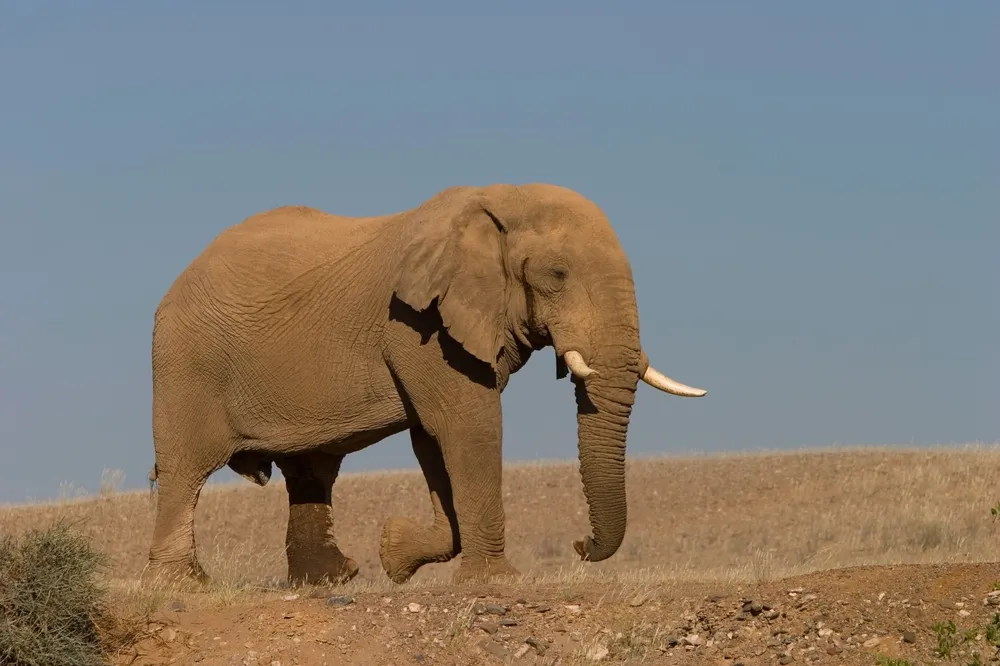
Desert elephants

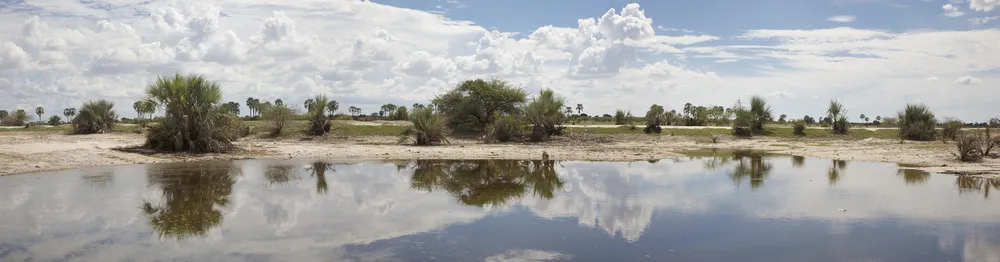
Desert-adapted elephants and hardy wildlife along the ephemeral rivers of a near-roadless land.

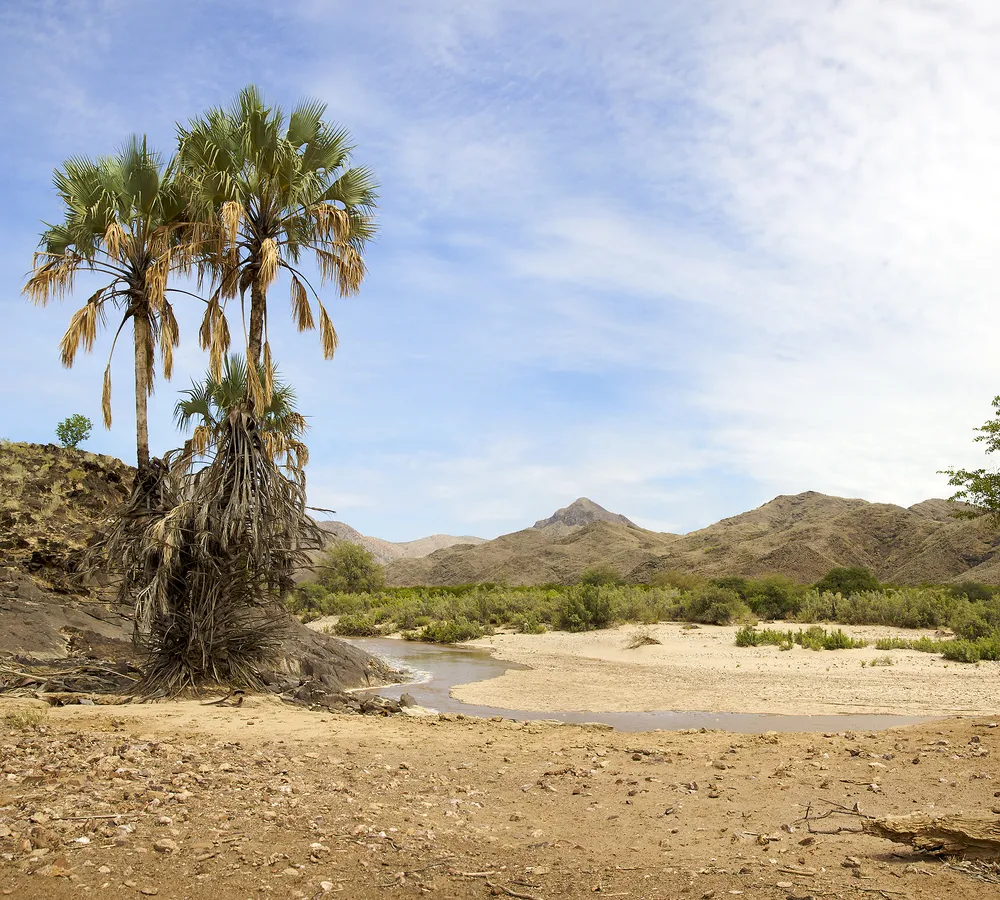
The Kunene & Epupa

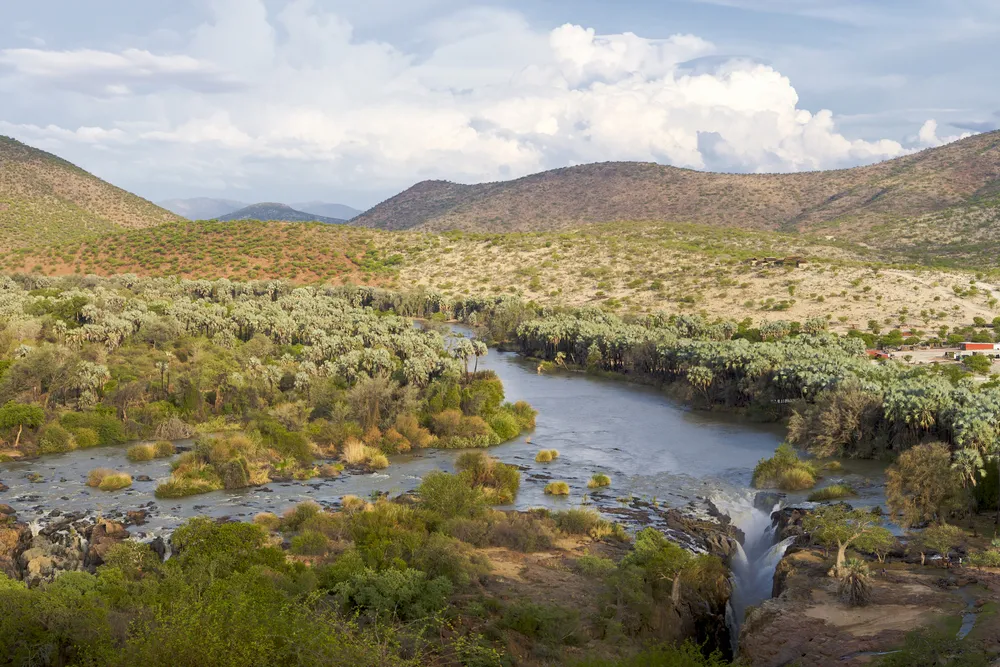
The Kunene River and the Epupa Falls on the Angolan border — water and palms in the desert.

An honest note

Kaokoland is demanding wilderness, not an easy safari — wildlife is sparse, access is by fly-in or serious expedition, and the rewards are remoteness, culture and landscape rather than big-game density. It is for the adventurous.
The deep end

Why the effort rewards.

Kaokoland is not convenient, and that is the point. It is among the last genuinely roadless wildernesses in southern Africa, home to the Himba and the desert elephant, reached only by fly-in or hard expedition. For those who want true remoteness and a living traditional culture, it offers what few places still can.
PhotoEpupa Falls and palms on the Kunene River border.
When to come — honestly

Best in the dry winter.

May – October
Best
Dry, cool winter — the prime months for travel and wildlife along the rivers, with the most reliable access to this demanding terrain.
November – April
Good
Hot summer — fierce, and rains can make the rivers run and the tracks impassable, though the desert briefly transforms.
Kaokoland's extreme terrain is most accessible, and its wildlife most concentrated along the rivers, in the cool dry season. Summer brings punishing heat and rains that can cut off the already-difficult tracks — the dry months are the time to come.
The last wilderness

Land of the Himba

Kaokoland remains one of the most remote and least developed regions in southern Africa, its ruggedness and roadlessness having preserved both a genuine wilderness and the traditional life of the Himba, who have largely maintained their culture against the pressures of the modern world.

Its desert-adapted elephants and wildlife, like Damaraland's, survive on a knife-edge along the ephemeral rivers, protected in part through the same communal conservancy model that gives local people a stake in the wildlife.

We run Kaokoland as the serious wilderness it is — fly-in or properly equipped expedition, with respectful Himba engagement — so the remoteness is the reward, not a risk.
Beyond the obvious

Three ways to read Kaokoland.

PhotoThe Himba

The Himba

Respectful encounters with the semi-nomadic, traditional pastoralists of the region.
PhotoDesert elephants

Desert elephants

Tracking the desert-adapted elephants along the ephemeral rivers.
PhotoThe Kunene & Epupa

The Kunene & Epupa

The river border with Angola and the palm-fringed Epupa Falls.

Why Wild Voyager

We get the Namibia route right.

Namibia is a country of vast distances and dramatic landscapes — self-drive or fly-in, desert and wildlife in sequence. In Kaokoland that means running it as the serious wilderness it is — fly-in or properly equipped expedition, with respectful Himba engagement — so the remoteness is the reward, not a risk.

We plan the route, not just the beds

Namibia is about distance and landscape — the wrong route is days lost on gravel. We plan the self-drive or fly-in logistics so the desert and the wildlife actually connect.

We base you in the right place

Kaokoland is roadless and demanding, reached by fly-in or full expedition. We set up the right approach — aircraft or equipped 4x4, the right guides and respectful Himba engagement — so this raw wilderness is met safely and well.

We guide for wildlife, not a checklist

Our guides and trackers work the terrain, the tracks and the light for real encounters — they would rather earn you one great sighting than rush a list.

Wildlife you may see
Elephants

Travel Namibia's
last wilderness.

Kaokoland is the wildest corner of Namibia — desert elephants, the Himba and roadless country. We arrange the fly-in or expedition to reach it well.

Plan a Namibia trip
Field notes, now and then.

Where to go · When to go · Wildlife in season

A few times a year, never more. Unsubscribe anytime. See our Privacy Policy.