An honest note
Agumbe is for people who want frogs, snakes and rainforest, not tigers and big game. Come in the monsoon, expect to get wet, and the forest rewards you with life found nowhere else.
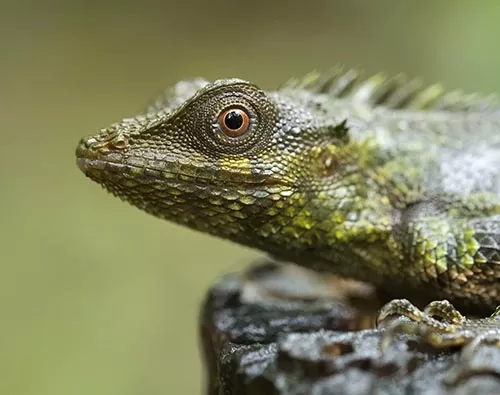
The largest venomous snake on earth, studied here for decades — Agumbe is its best-known Indian stronghold.
Monsoon brings out a spectacular array of endemic frogs and caecilians — the Ghats are a global amphibian hotspot.
Leeches, downpours, dripping canopy — the genuine article, not a tidied-up version.
Agumbe is for people who want frogs, snakes and rainforest, not tigers and big game. Come in the monsoon, expect to get wet, and the forest rewards you with life found nowhere else.
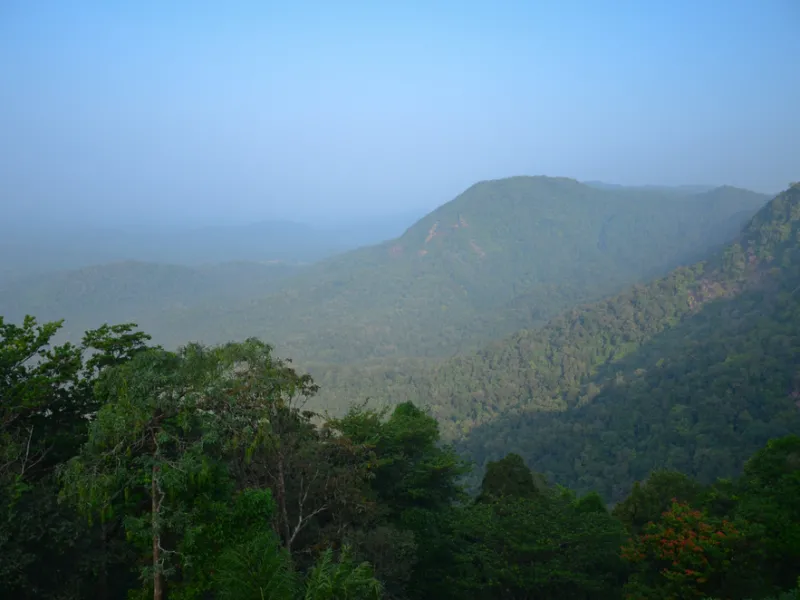
Agumbe has been a base for rainforest and king cobra research for years, and visiting well means engaging with that — guided by people who study the forest, not just pass through it. The science is part of what protects it.
The Western Ghats are under intense pressure from plantations, roads and dams, and fragments like Agumbe matter out of all proportion to their size as refuges for endemic life.
We guide Agumbe with naturalists and herpers who know the forest, because its wildlife is the kind you find with knowledge, not luck.
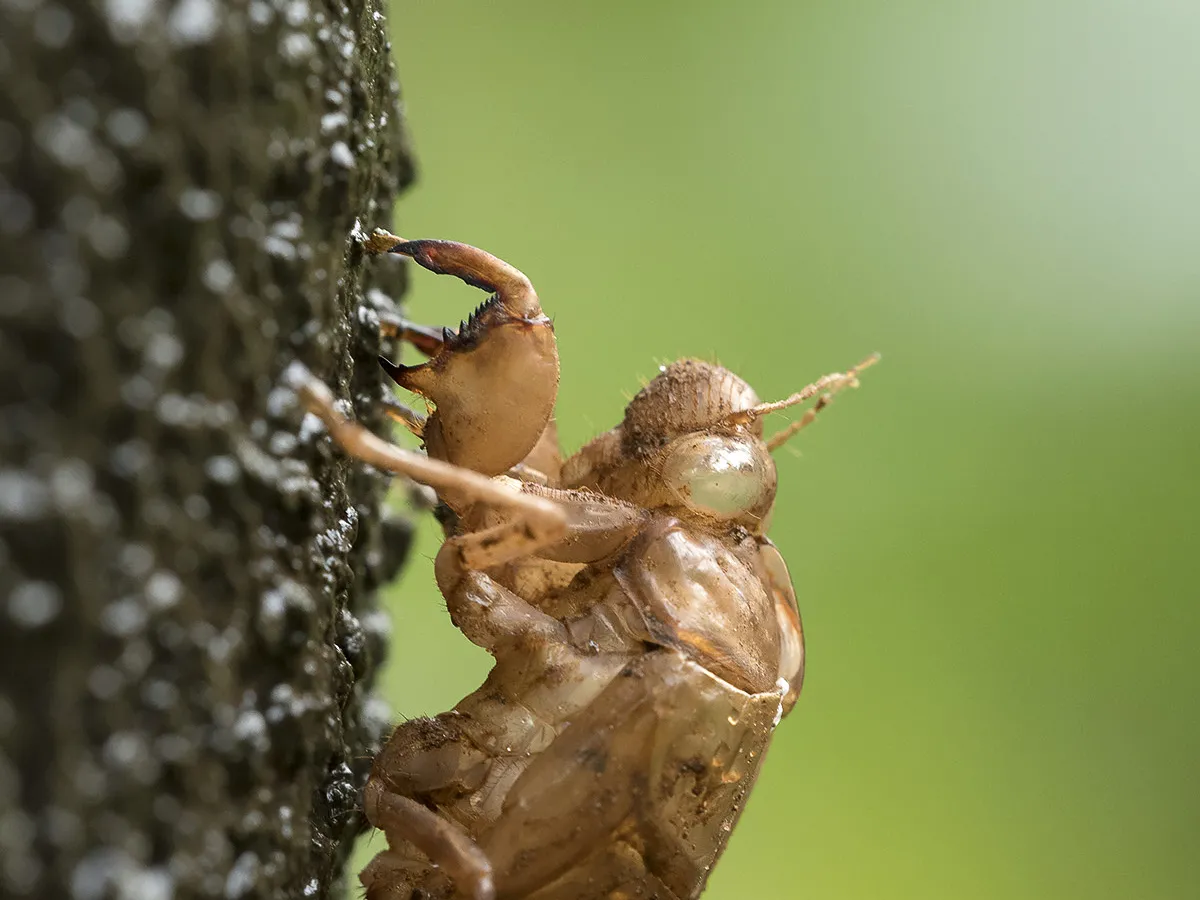
Out after dark in the rain for frogs, snakes and the forest's nocturnal life.
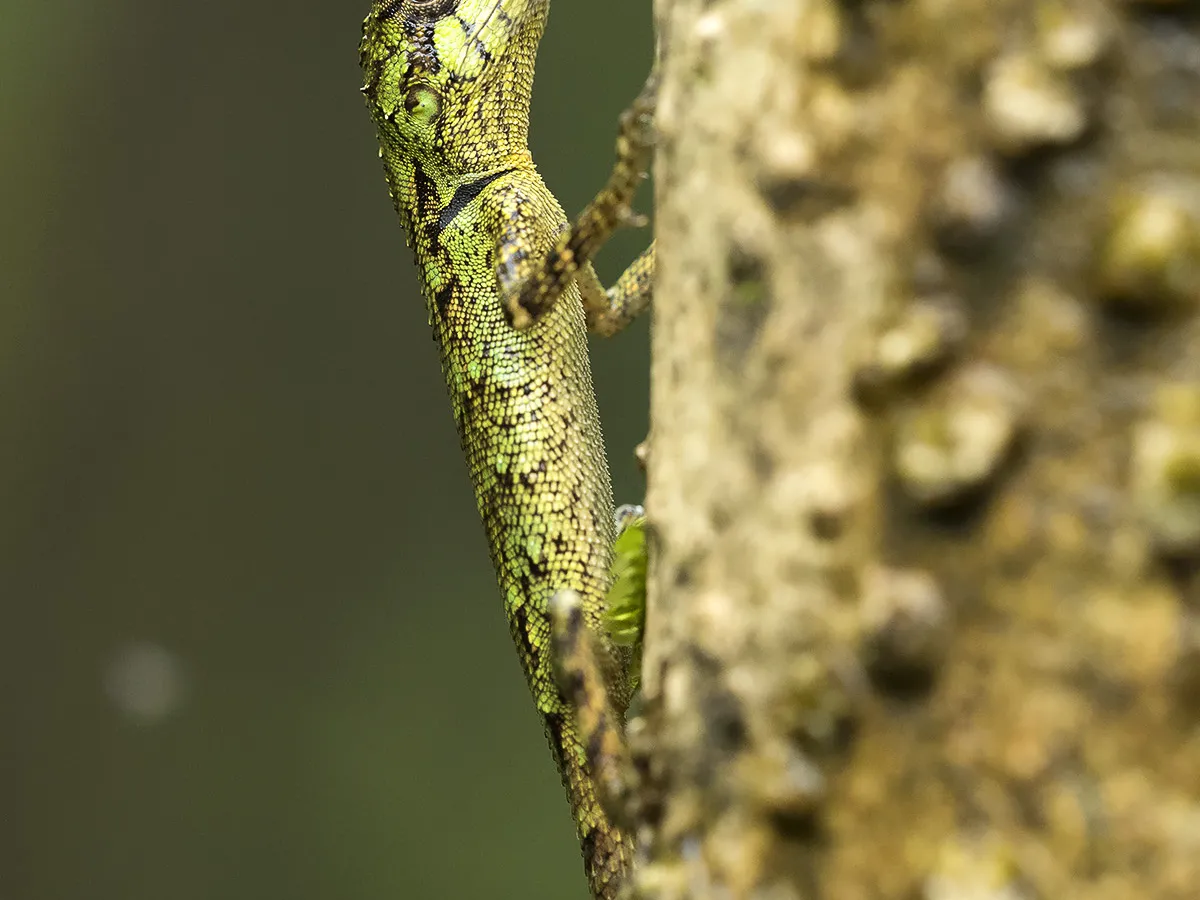
Time with researchers in the forest that made Agumbe famous.
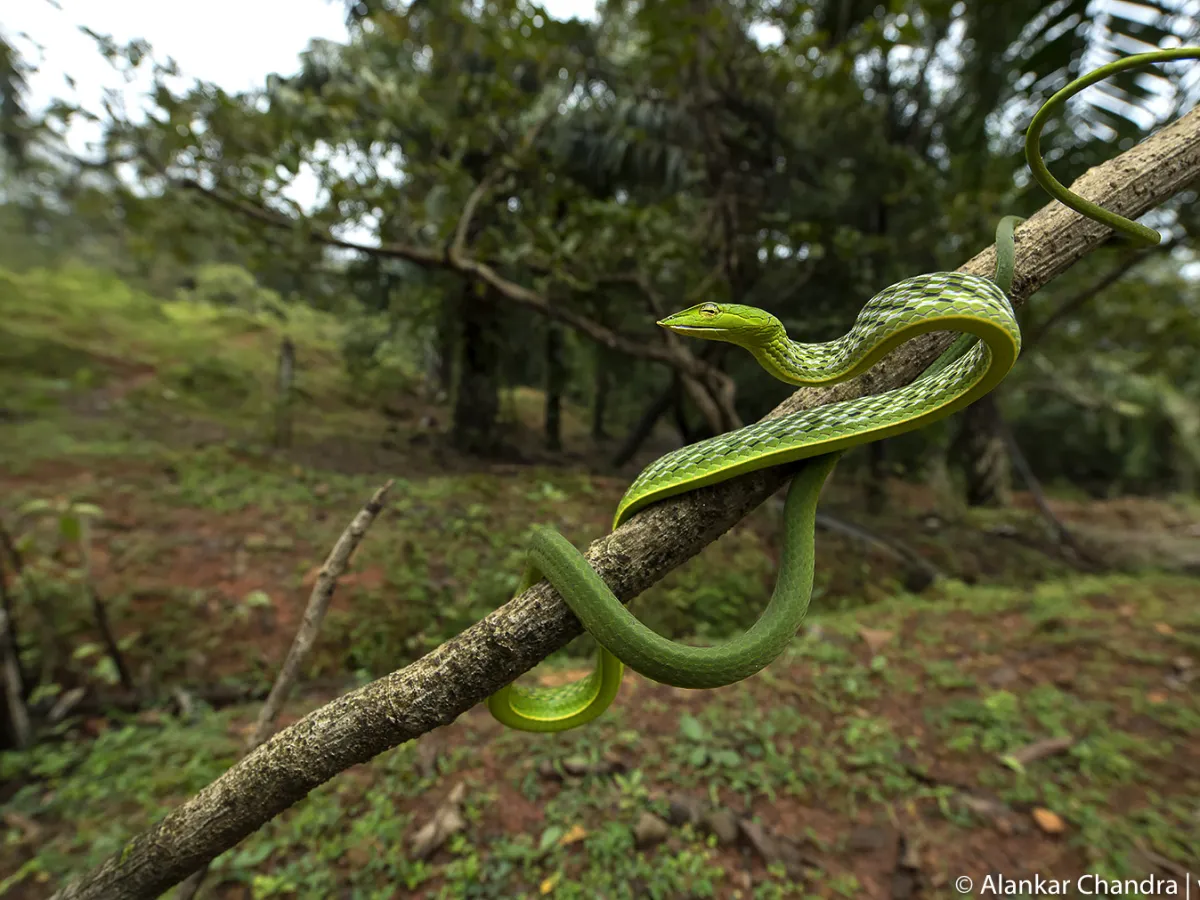
The dripping canopy, streams and falls of the Ghats in full monsoon.
Our team handles the permits, the zones and the timing, so we answer for your sightings — not a stranger hoping it works out.
Agumbe's wildlife is small, cryptic and found by knowledge, not luck. We guide it with naturalists and herpers who know the forest, so the king cobra and the endemics actually turn up.
Our naturalists work the alarm calls, the tracks and the light — they would rather earn you one real sighting than tick a list.
Agumbe for the king cobra and the monsoon herping, with Dandeli or the coast, makes a Western Ghats trip for the small and endemic. We route it for the rains.
Plan an Agumbe trip