Enquire
Home  /  India  /  Amboli
Western Ghats hill reserve · Maharashtra

Amboli

A monsoon hill station that turns into one of India's great amphibian hotspots.
Getting there
~3 hr drive from Goa; ~2.5 hr from Kolhapur
Best for
Endemic frogs, snakes and monsoon herping in the Sahyadris
The land
High Western Ghats hill country on the Maharashtra-Goa border
Good to know
The monsoon is the season; expect rain, mist and leeches
What it is
Amboli looks like a quiet hill station — until the monsoon, when the forest fills with frogs found nowhere else.
High in the Sahyadris near the Goa border, Amboli is a sleepy hill town that becomes, in the monsoon, one of the richest amphibian and reptile sites in the Western Ghats. The rains bring out an astonishing array of endemic frogs — several described from here — along with snakes, caecilians and a forest dripping with life. It is a herper's and naturalist's destination, not a big-game park: come for the small, the endemic and the strange, in a hotspot of extraordinary biodiversity.
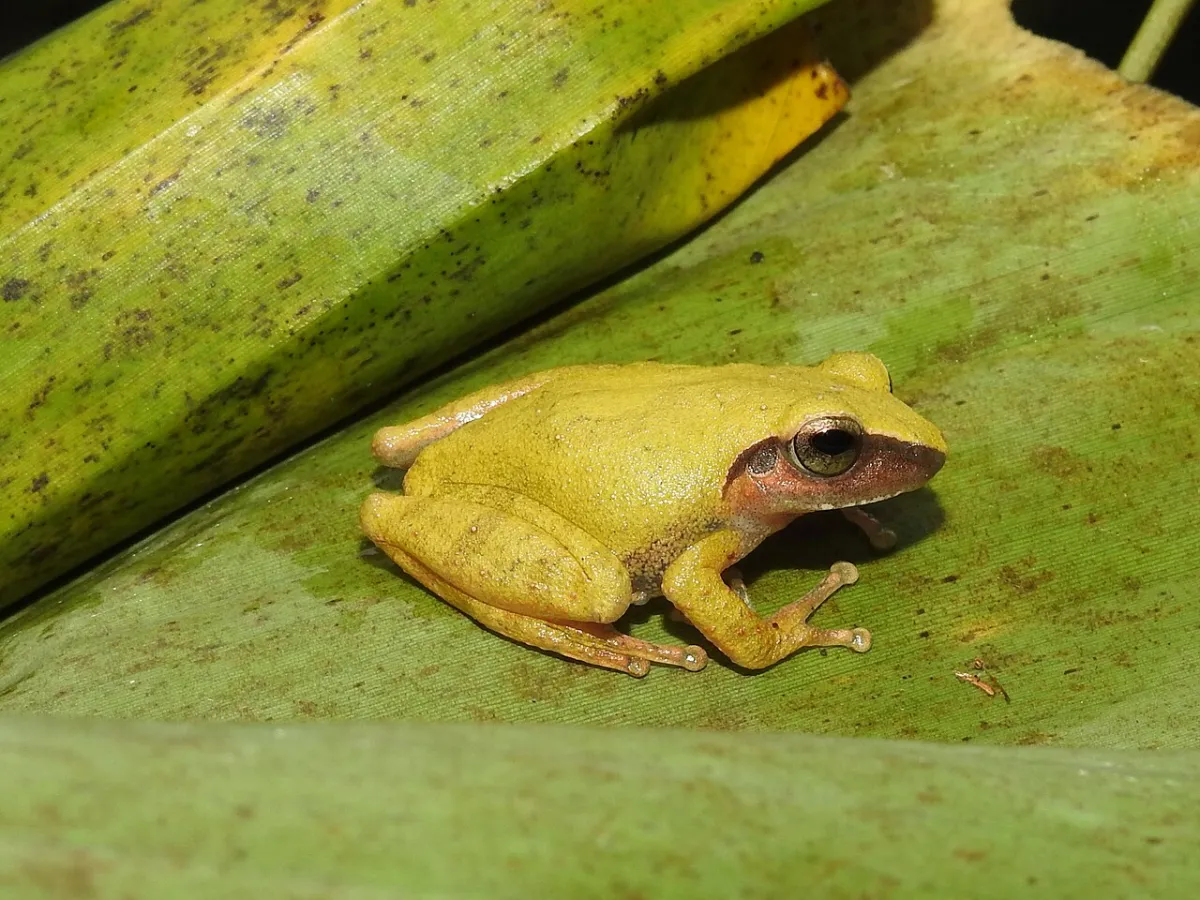
PhotoA tiny endemic bush frog on a wet leaf in monsoon forest.
The reason to come

The monsoon awakening

When the rains hit, Amboli's forest erupts — frogs calling everywhere, breeding in every pool, with species endemic to these few hills. Out at night with a torch in the rain, finding creatures known from almost nowhere else, is the heart of an Amboli visit.

The endemic frogs

Several species are found only in this corner of the Ghats — the monsoon is when they emerge and breed.

The night herping

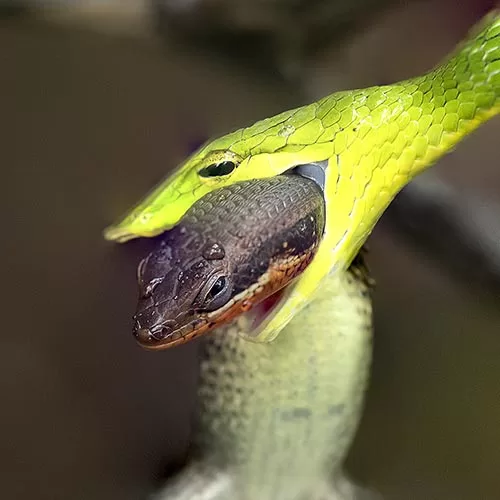
Snakes, frogs and caecilians come out after dark in the rain — the prime time and method here.

The biodiversity

Amboli sits in one of the world's eight hottest biodiversity hotspots — small in area, vast in endemic life.

An honest note

Amboli is for naturalists and the curious, not safari-goers after big cats. Its wildlife is small, often rare, and found by torchlight in the rain — which is precisely its appeal.
Endemism in miniature

Why a few hills matter so much.

The Western Ghats are a global hotspot because so much of their life exists nowhere else, and places like Amboli concentrate that endemism. A single hillside here can hold species with a world range of a few square kilometres — which is why protecting these fragments matters far beyond their size.
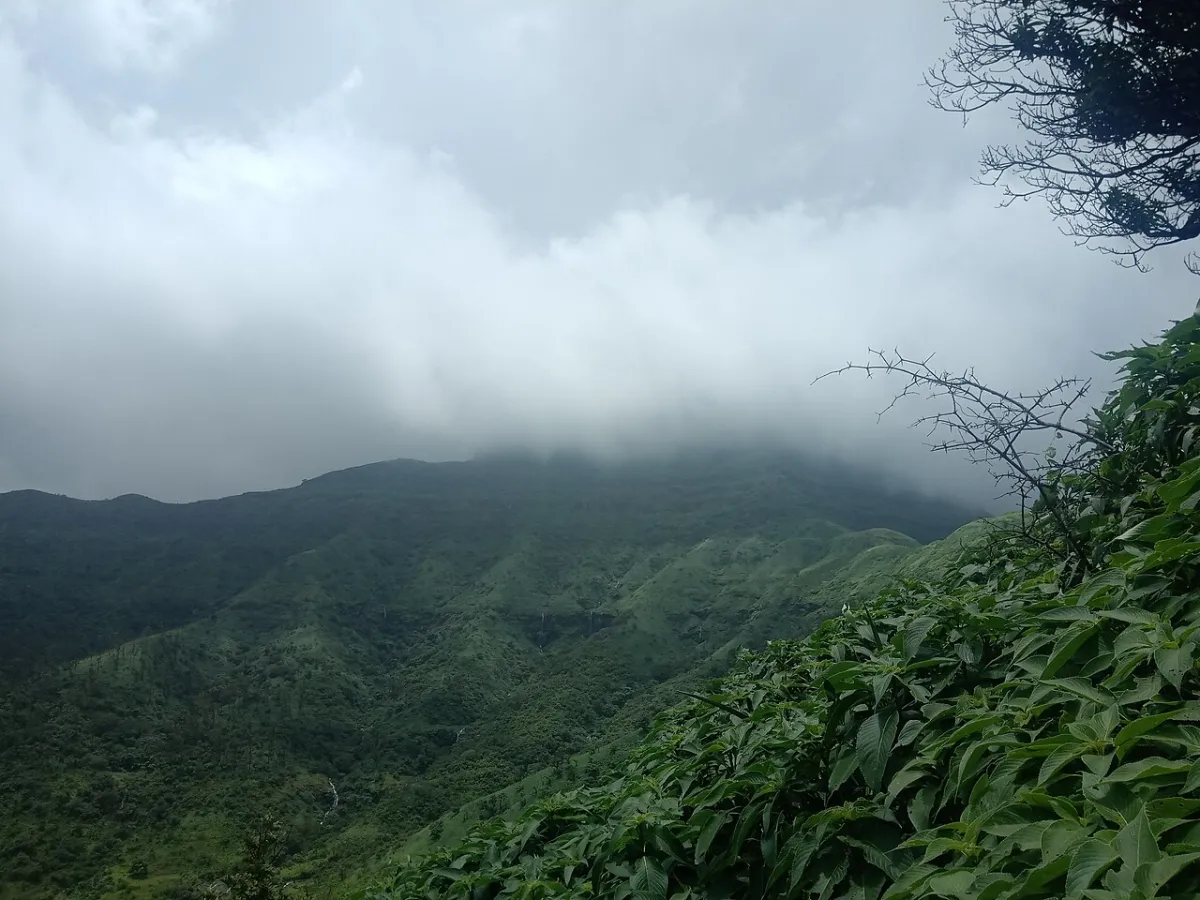
PhotoMist pouring over the Sahyadri escarpment in the monsoon.
When to come — honestly

A monsoon destination.

June – September
Best
The monsoon — Amboli's signature. Frogs and snakes are active and breeding, the forest is alive, and the herping is exceptional. Wet and leech-ridden.
October – February
Good
Post-monsoon and cooler, still green and good for birding and general naturalism in easier, drier conditions.
Like much of the Ghats, Amboli inverts the Indian season — its best wildlife coincides with the heaviest rain. The monsoon is the reason to come, with all the wet and leeches that implies.
A hotspot under pressure

Small forests, big stakes

The Western Ghats face relentless pressure from roads, tourism, plantations and development, and hill sites like Amboli are increasingly squeezed. The endemic life that makes them special has nowhere else to go.

Local naturalists have been central to documenting and protecting Amboli's biodiversity — the species described from here exist on record partly because people on the ground looked.

We guide Amboli with naturalists who know its endemics, and we are clear it is a small-wildlife, monsoon destination — the right traveller loves it for exactly that.
Beyond the obvious

Three ways to read Amboli.

PhotoA monsoon herping night

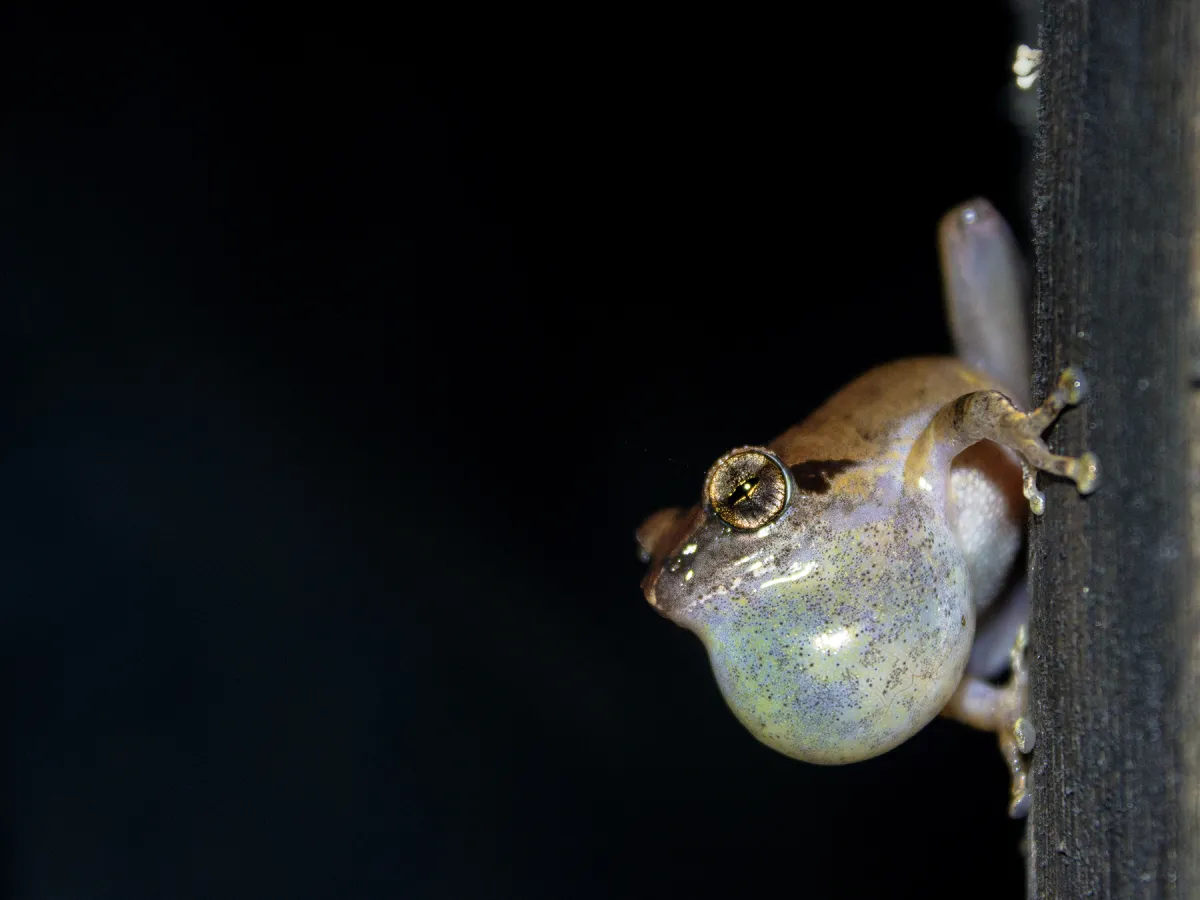
A monsoon herping night

Out in the rain after dark for endemic frogs, snakes and caecilians.
Waterfalls and mist

Waterfalls and mist

The Sahyadri escarpment in full monsoon spate, dramatic and green.
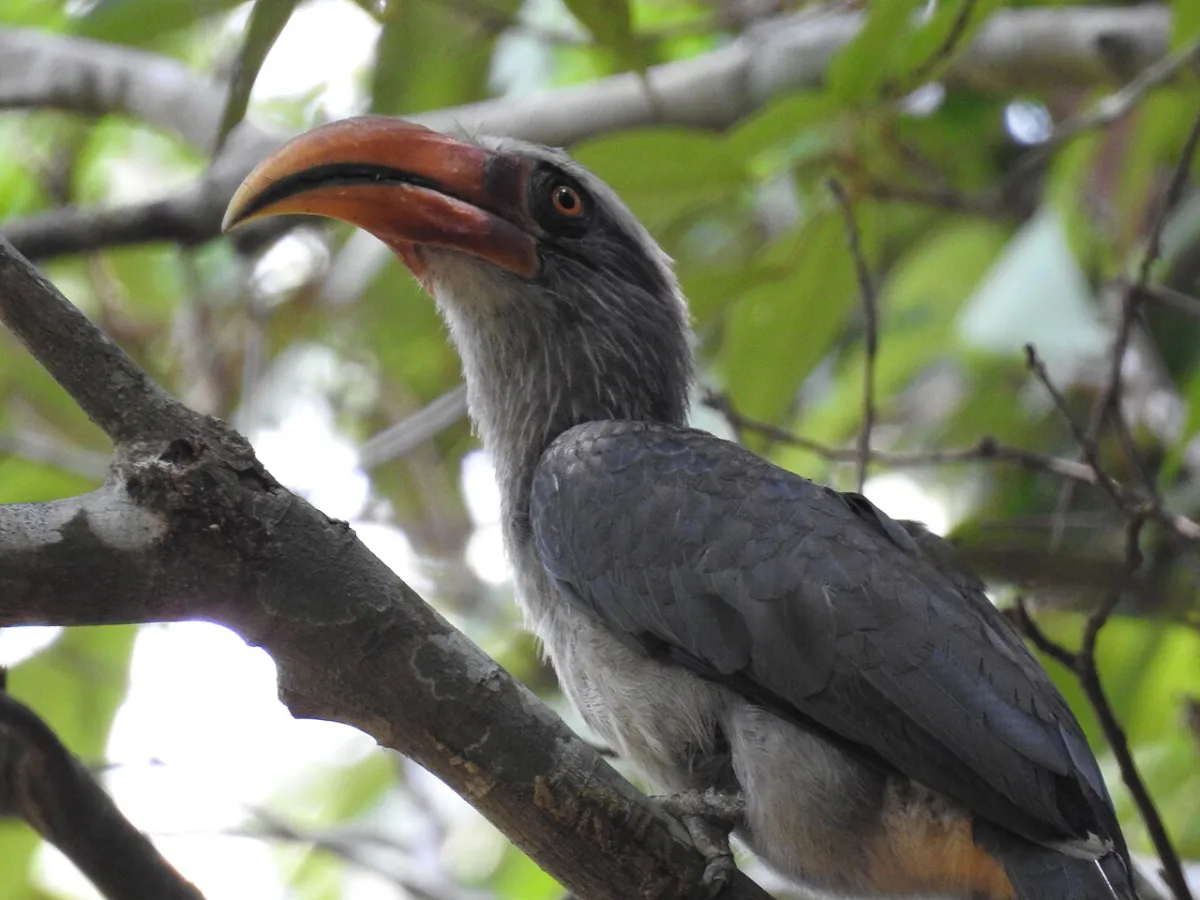
PhotoGhats birding

Ghats birding

The forest's birdlife, rich in Western Ghats specialities, in the drier months.

Why Wild Voyager

We run India on our own ground.

India is one of three countries we run with our own guides and vehicles, not booked through a middleman. In Amboli that means guiding the monsoon herping with naturalists who know which endemic frogs and snakes appear where.

We operate it, not a middleman

Our team handles the permits, the zones and the timing, so we answer for your sightings — not a stranger hoping it works out.

We base you in the right zone

Amboli's wildlife is small and found by knowledge in the rain. We guide it with local naturalists who know the endemics, so a monsoon night actually delivers the species you came for.

We guide for wildlife, not a checklist

Our naturalists work the alarm calls, the tracks and the light — they would rather earn you one real sighting than tick a list.

Journeys

Trips through Amboli

Wildlife you may see
Birds

Pair Amboli with Goa
or the wider Ghats.

Amboli's monsoon herping pairs with Goa's coast or a wider Western Ghats route. We route it for the rains, when the forest is at its most alive.

Plan an Amboli trip
Field notes, now and then.

Where to go · When to go · Wildlife in season

A few times a year, never more. Unsubscribe anytime. See our Privacy Policy.