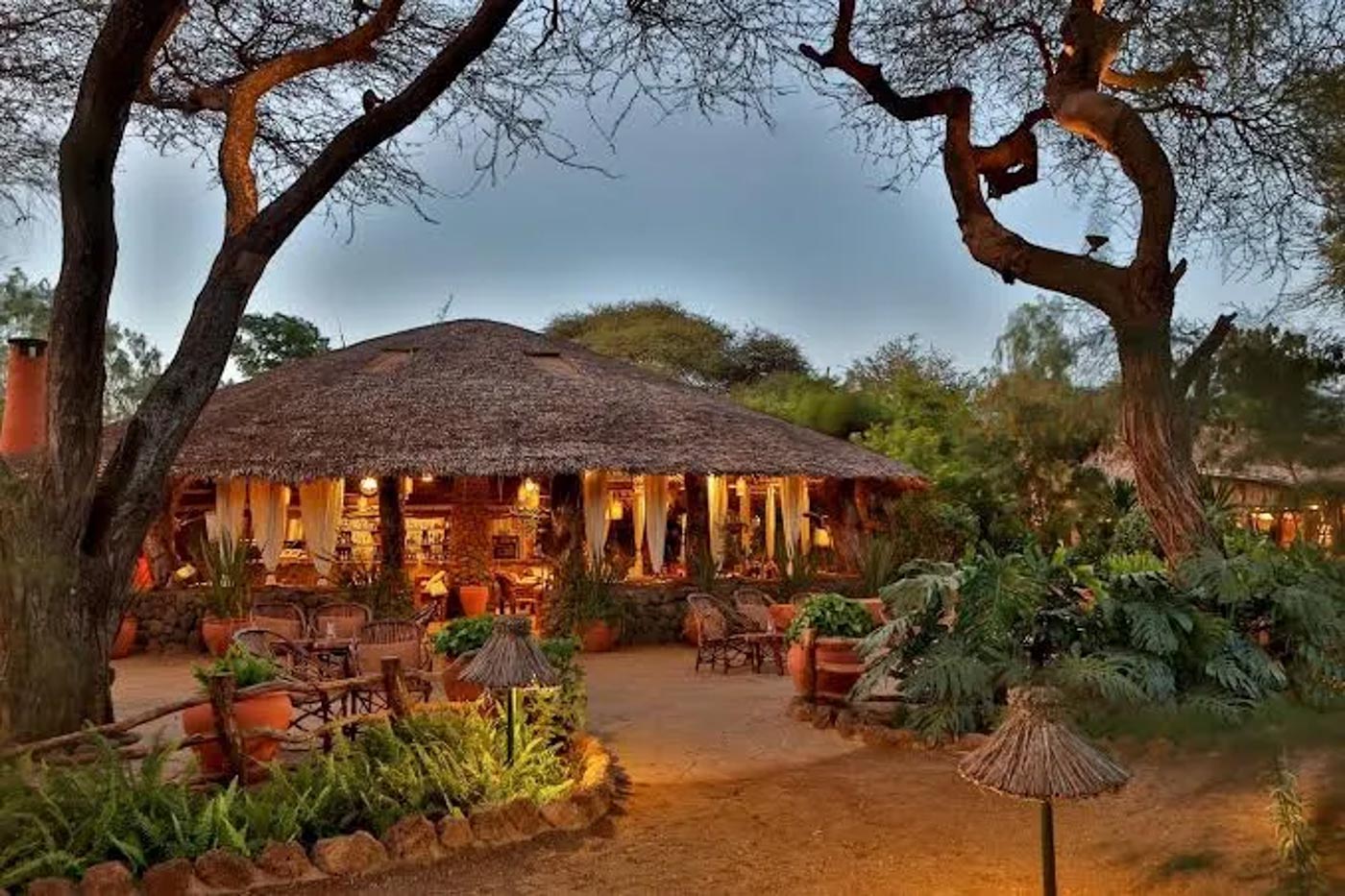
A note on the mountain
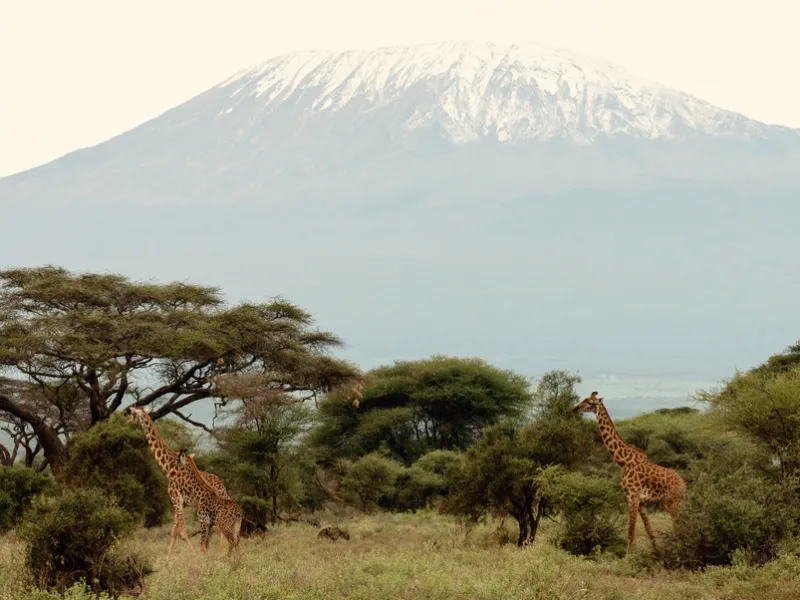
Kilimanjaro is shy. It often hides in cloud through the middle of the day and reveals itself at dawn and dusk. Plan your best photography around first and last light — and treat a clear midday as a gift, not a given.
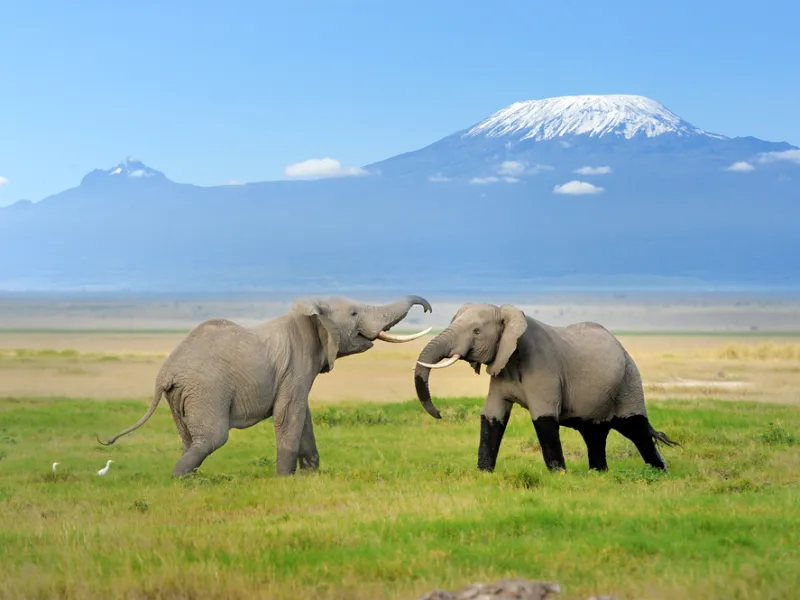
A bull carrying ivory so long and heavy it reaches the ground — the product of rare genes and a long, protected life.
Tight protection and the swamp’s year-round food let bulls grow old enough to carry tusks like that.
Generations have been studied here by name, so guides can read behaviour few others can interpret.
And behind them, when the cloud lifts, the white dome of Kilimanjaro. There is no other shot like it.
Kilimanjaro is shy. It often hides in cloud through the middle of the day and reveals itself at dawn and dusk. Plan your best photography around first and last light — and treat a clear midday as a gift, not a given.
Amboseli is small and ringed by Maasai group ranches, and the elephants don’t respect the boundary — they move between park and community land, which is both the park’s strength and its tension. The conservancies around it exist to keep those corridors open.
Meeting a Maasai community here, on real terms, shows you the other side of the famous elephants: the people who live alongside three-tonne neighbours and increasingly choose to.
We’ve skipped the gazette dates and the rainfall tables. The thing that shapes your trip is the mountain’s mood and the swamps’ pull on the herds.
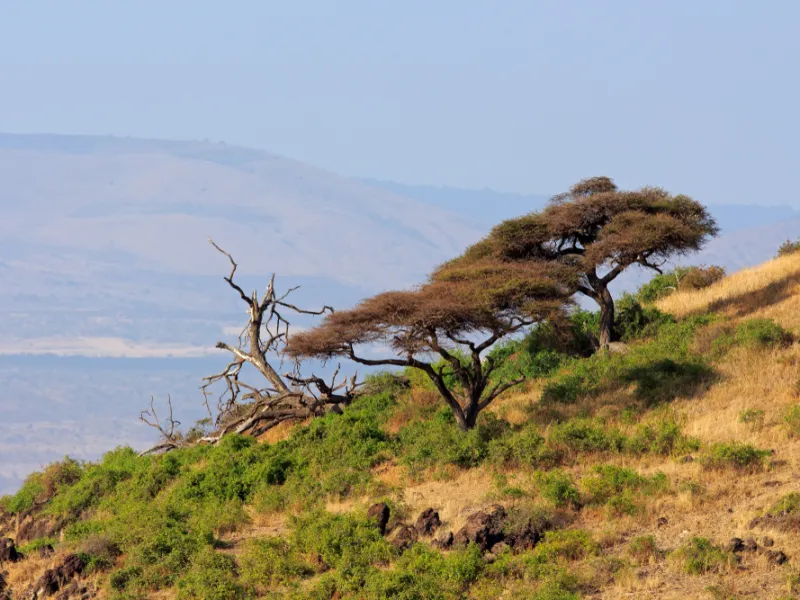
The one rise in a flat park — climb it for the swamps, the elephants and the mountain laid out together.
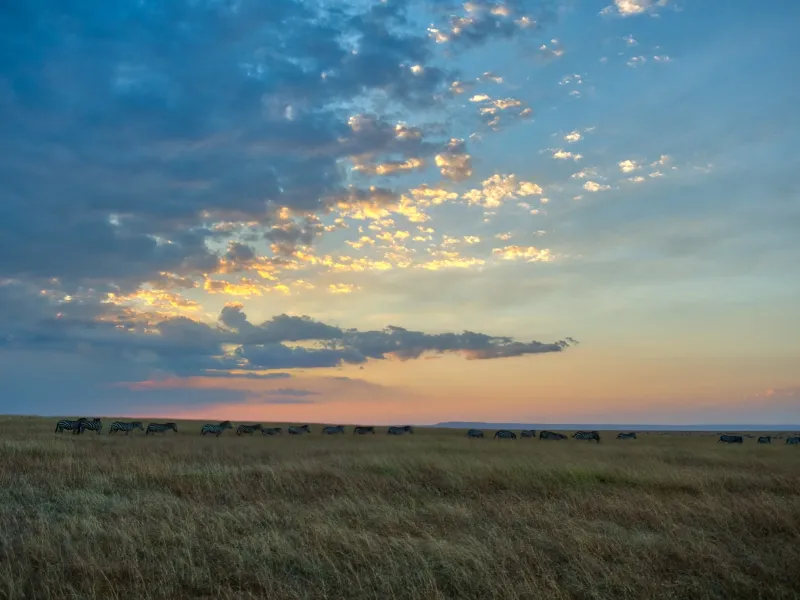
Time in a community living alongside the elephants — arranged with people we know, not staged.
Drinks on the plain as the mountain catches the last pink light — the day’s best half hour.
We work with guiding that reads the known elephant families by behaviour — not a stranger waiting for luck.
We build your hours around first and last light — your best odds of an unclouded mountain behind the tuskers.
Alankar’s photographer’s instinct shapes where you are when the light and the elephants finally line up.
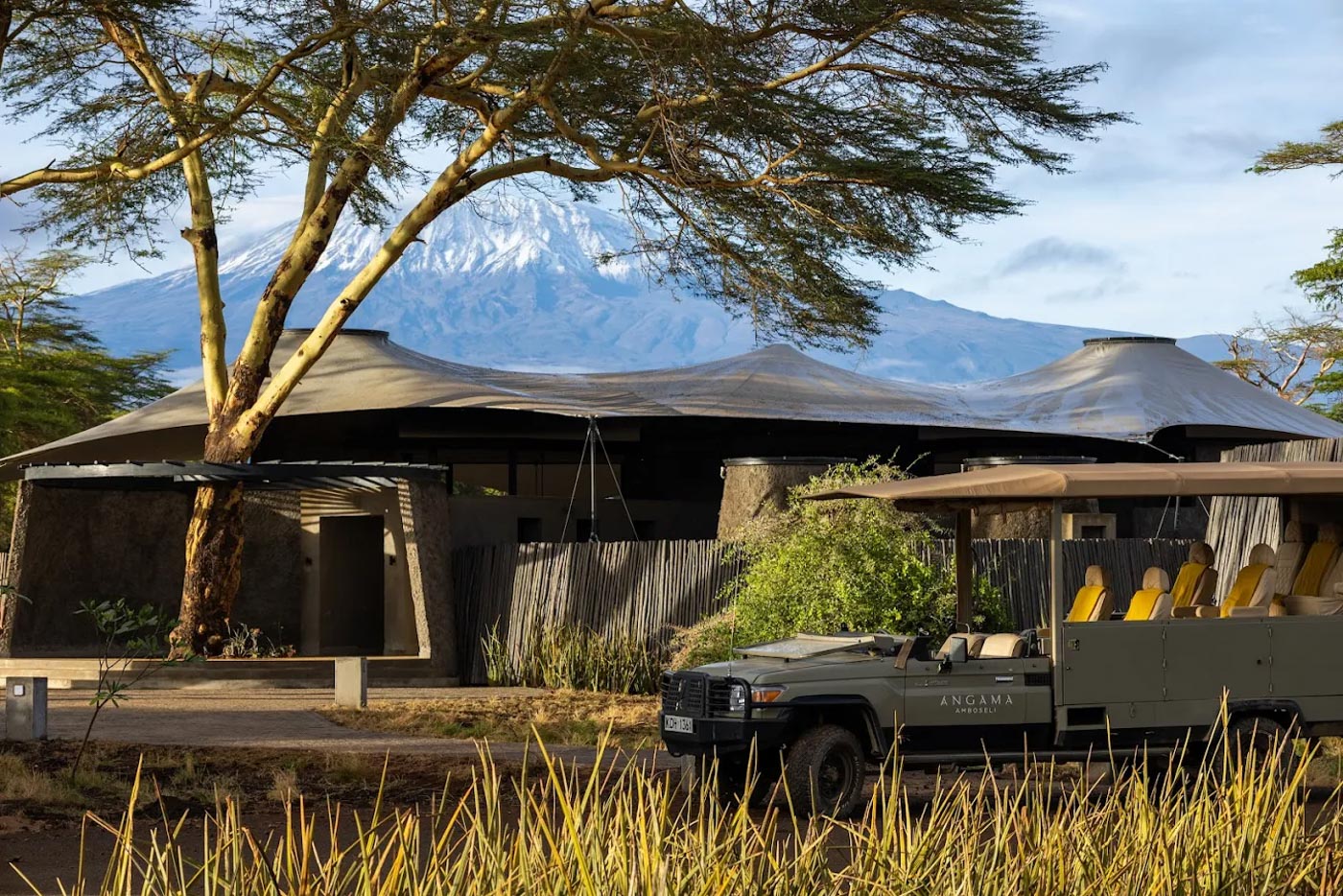
A ten-suite lodge in the Kimana Sanctuary, framed by Kilimanjaro and home to Amboseli's super-tusker elephants.
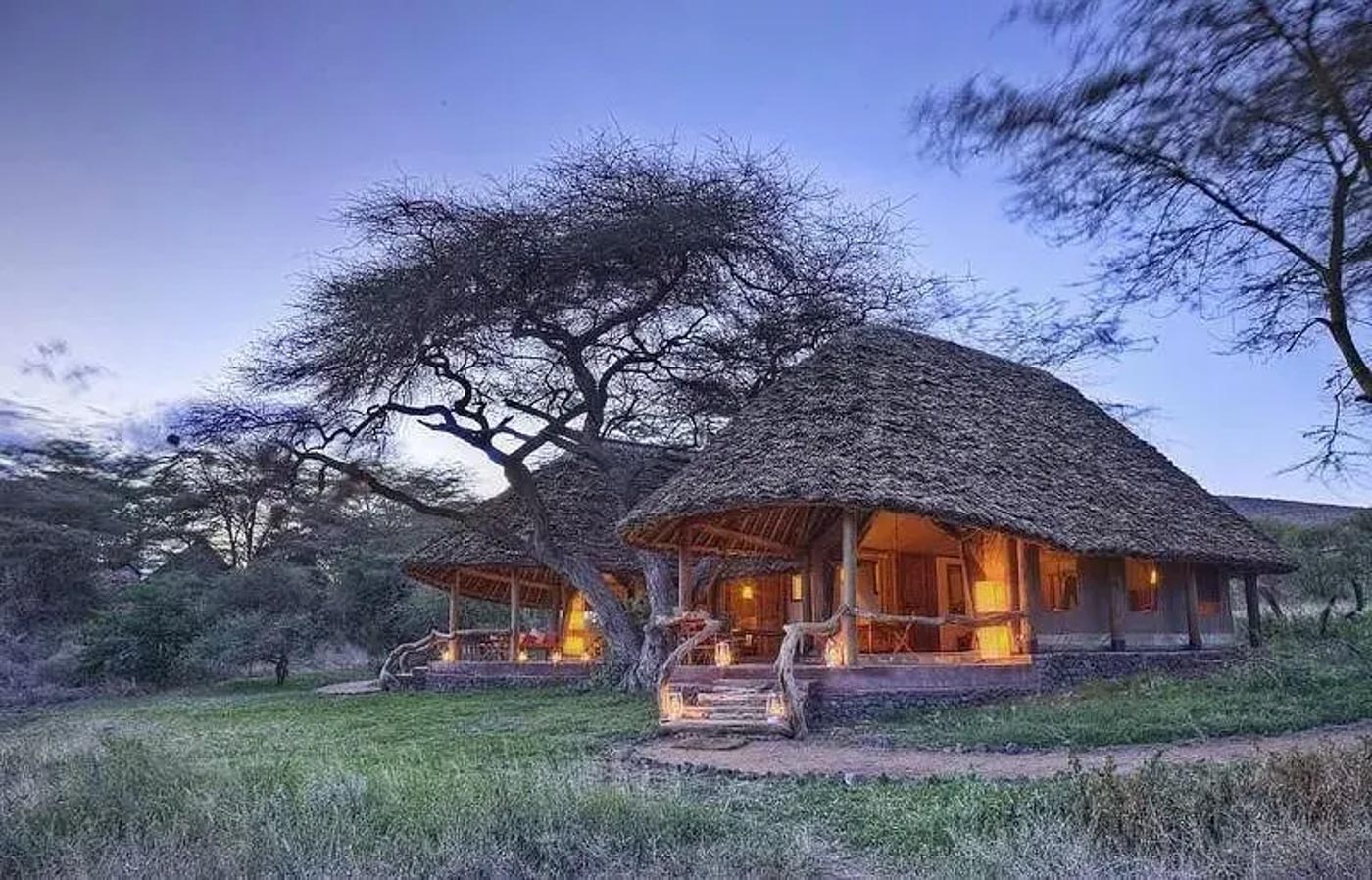
An elegant eco-camp with classic tents and uninterrupted Kilimanjaro views, on a private conservancy.
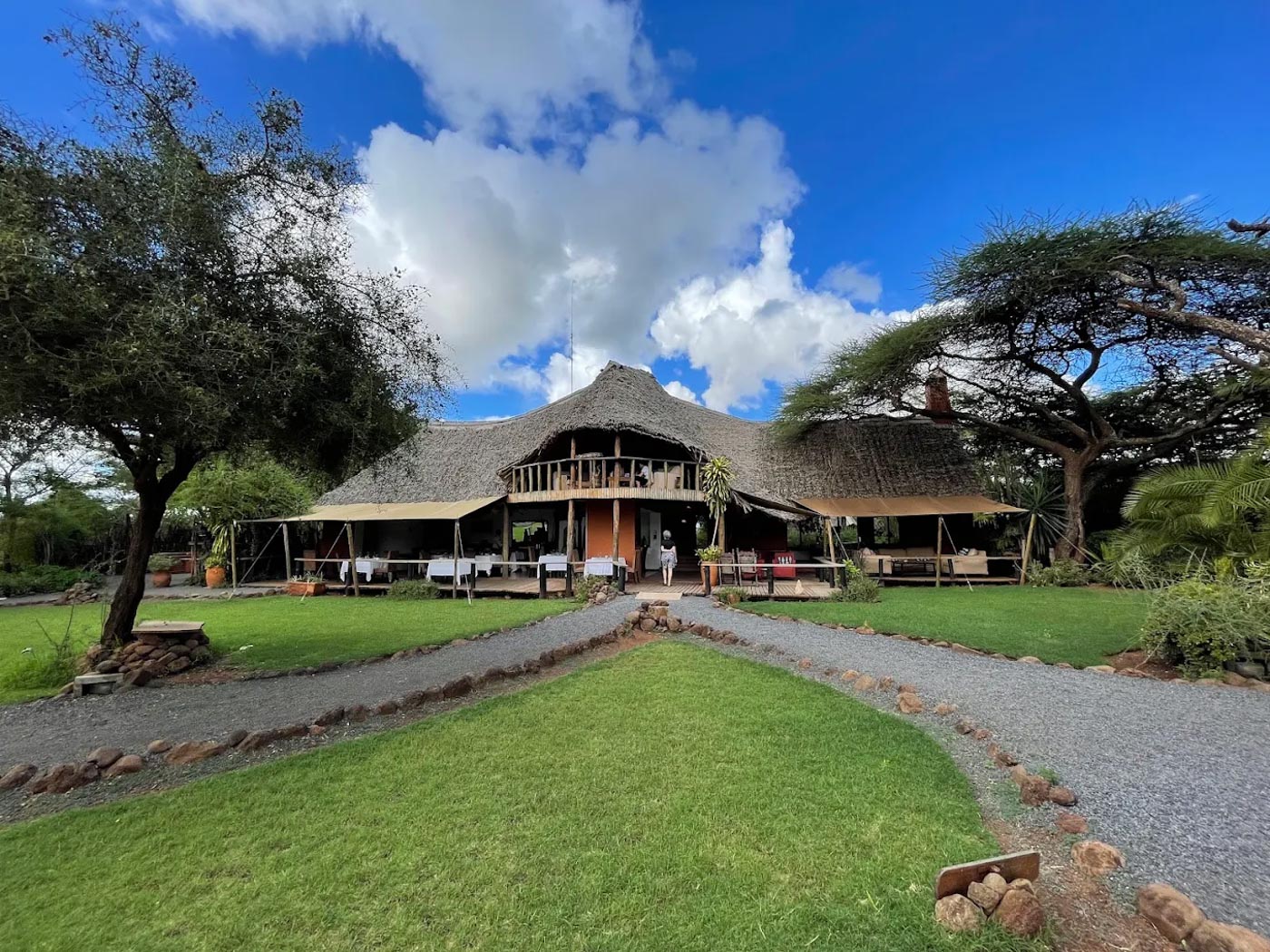
A stylish stone-and-thatch lodge on a private conservancy, the mountain a constant backdrop.
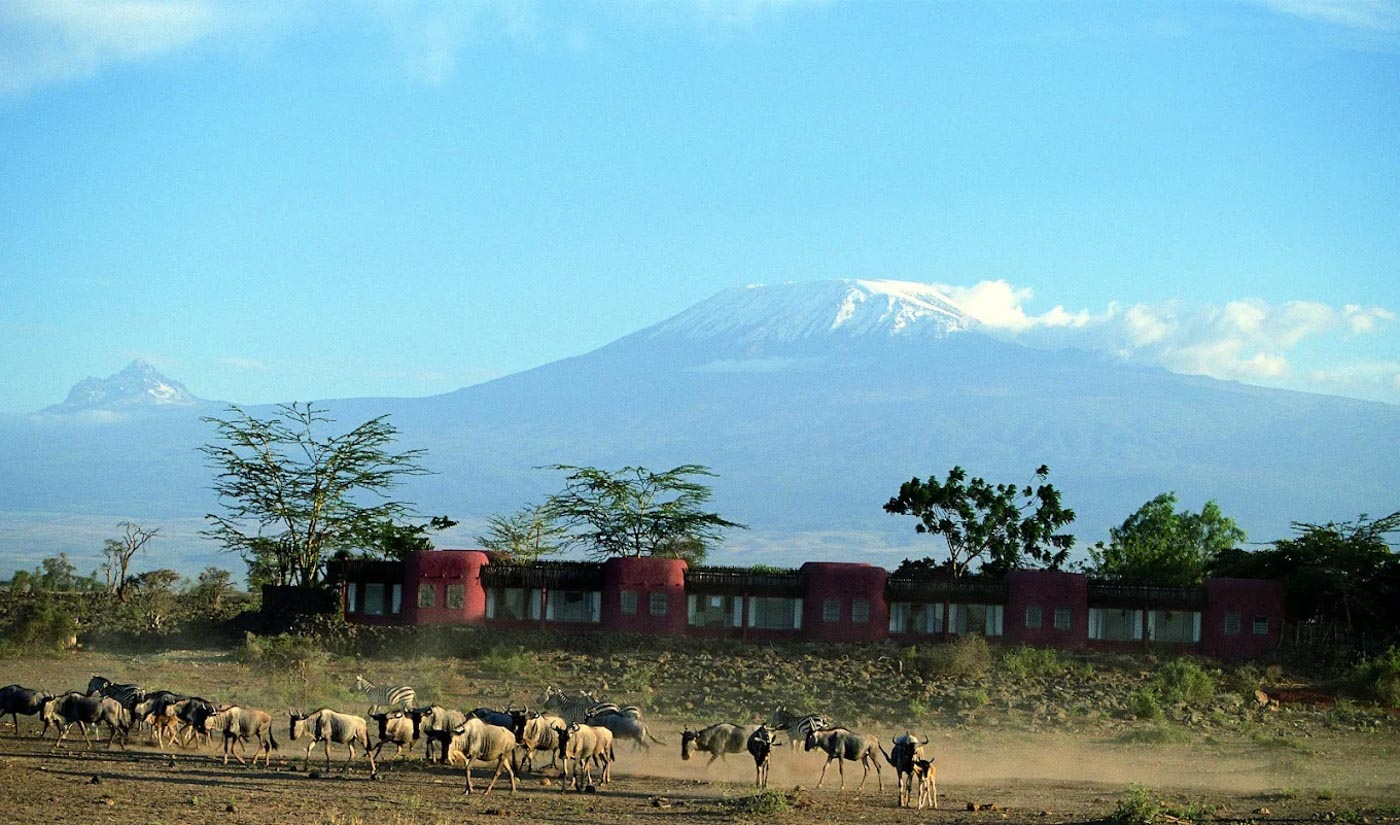
A well-run lodge inside the park, comfortably placed for the swamps and their elephant herds.
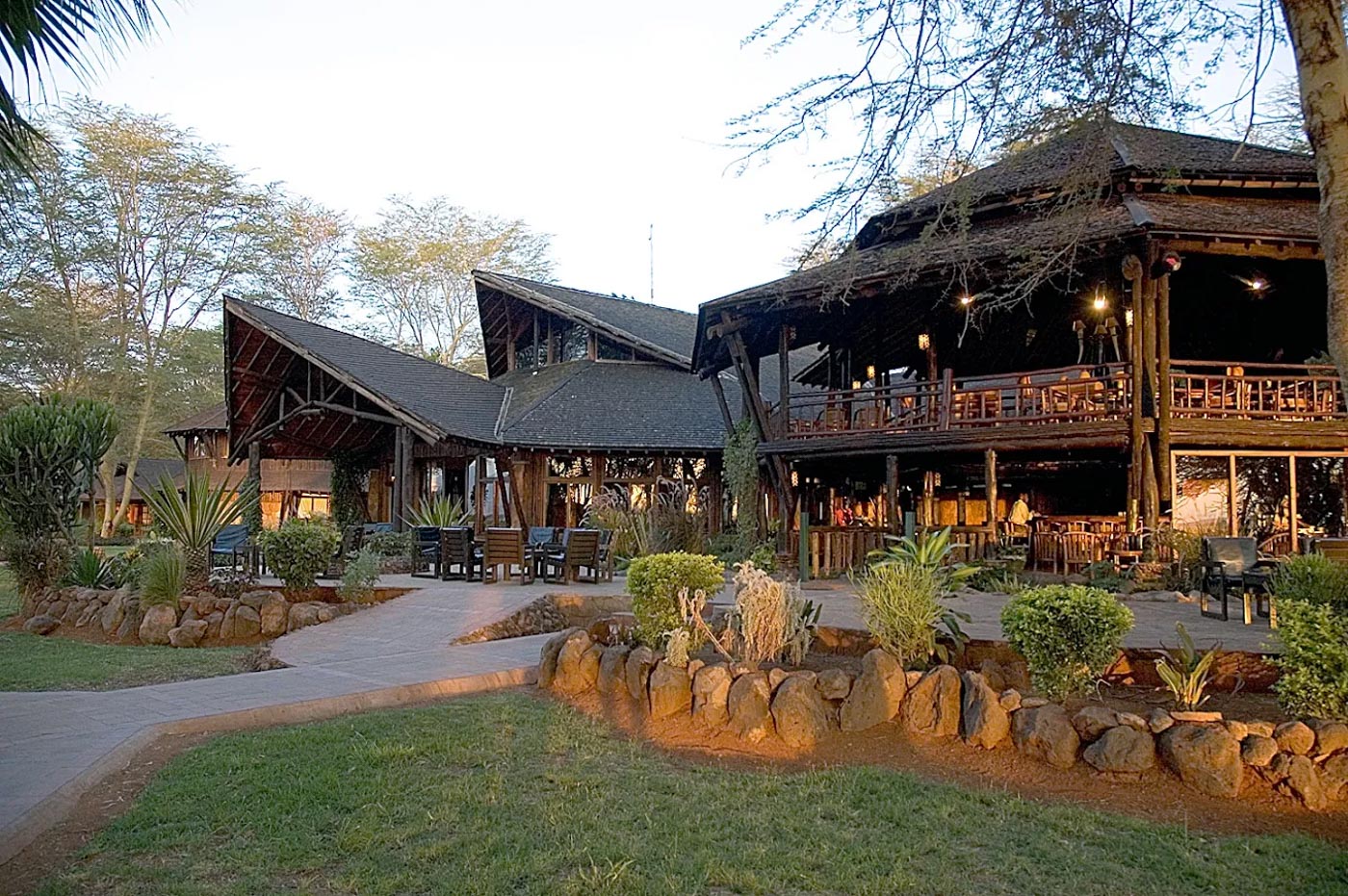
A central park lodge with mature grounds and game viewing from the doorstep.
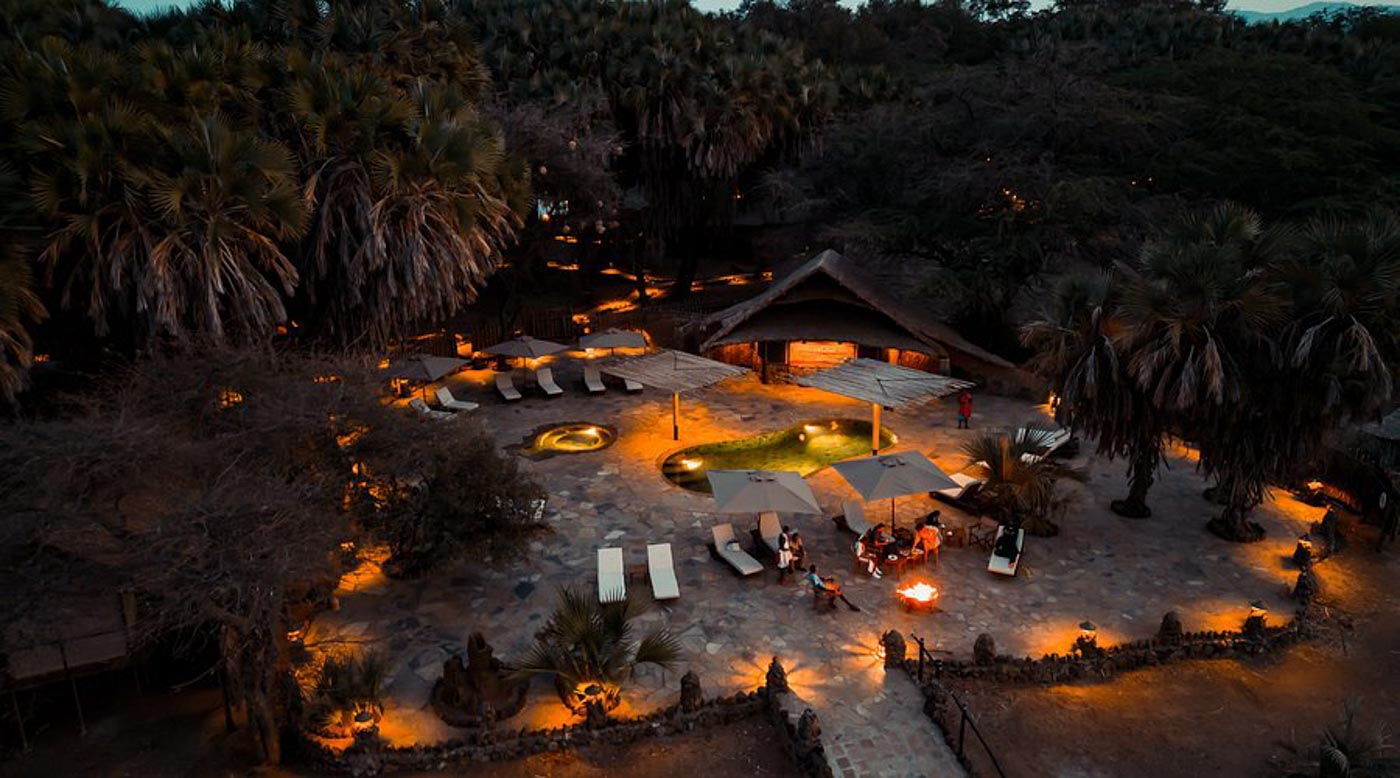
A contemporary tented lodge with sweeping plains and mountain views, quieter than the park interior.
Amboseli pairs naturally with the Mara — the elephant-and-mountain park, then the great cat plains. We’ll time Amboseli for your clearest shot at Kilimanjaro.
Plan an Amboseli safari