Enquire
Home  /  India  /  Bera & Jawai
Leopard country · Rajasthan

Bera & Jawai

Leopards living among granite hills and temples — with no fences, beside the people who share the land.
Getting there
~3 hr drive from Udaipur; ~2.5 hr from Jodhpur
Best for
Wild leopards in open granite country and a rare model of coexistence
The land
Bare granite hills, scrub and the Jawai dam in rural Rajasthan
Good to know
Not a national park — community land, no formal zones or fences
What it is
Bera is the place leopards and people decided to live together, and somehow it works.
In the granite hills around the Jawai dam, leopards den in caves and rocky outcrops in the middle of farmland, beside villages and ancient temples — with no national-park fence and remarkably little conflict with the Rabari herders who share the land. It is one of the most unusual wildlife stories in India: predators and pastoralists coexisting by long habit and mutual tolerance. Sightings are in the open, on the rocks, often at the temples the cats seem to treat as their own.
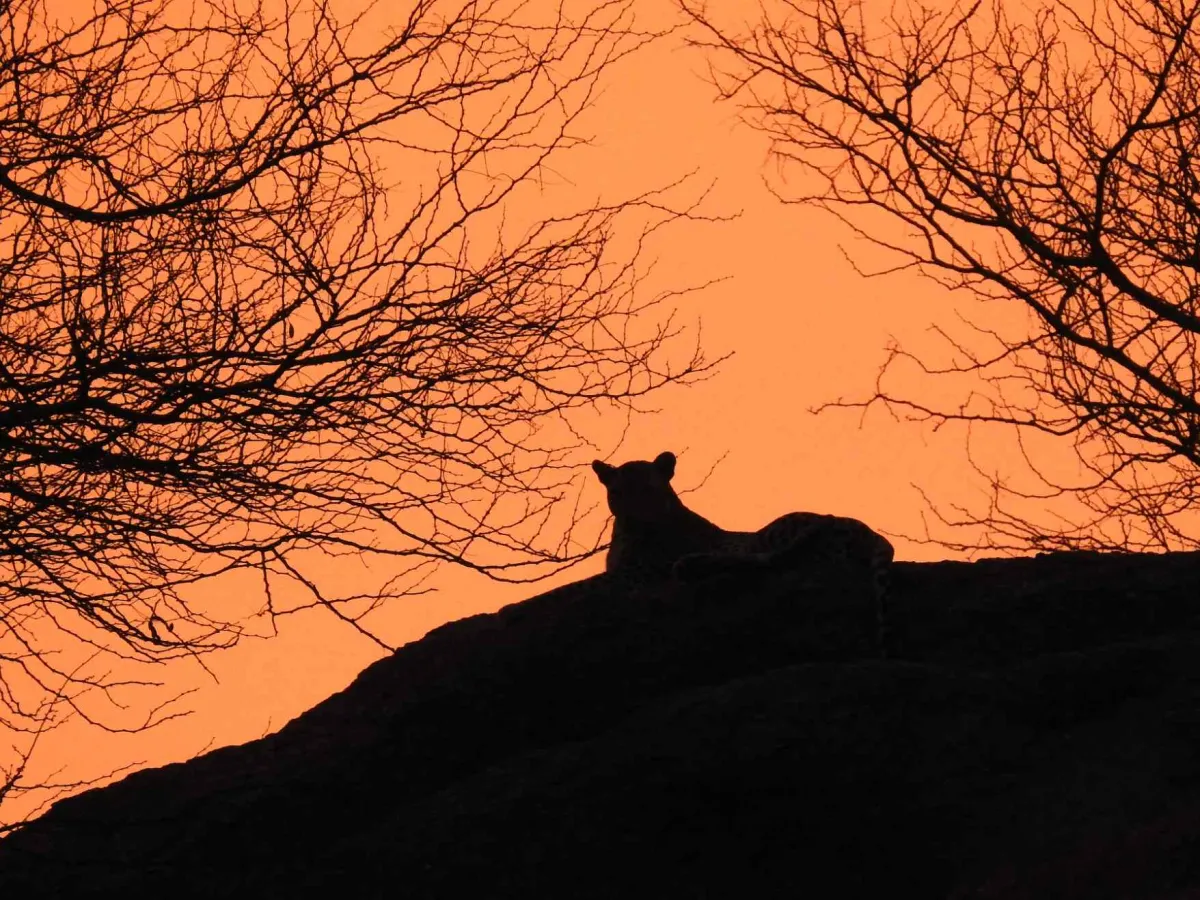
PhotoA leopard on a granite outcrop above scrub and farmland.
The reason to come

Leopards without fences

Nowhere else in India do you watch wild leopards living so openly among people. The cats use the granite hills and temple caves as dens, the Rabari graze their flocks below, and a kind of truce holds — attacks on people are rare, and the leopards are quietly tolerated, even revered.

The granite hills

Smooth boulder kopjes give the leopards cover and lookout perches — and you clear views of cats in the open.

The Rabari

The herding community's tolerance is the whole reason this works — a coexistence built on belief and long habit, not fences.

The temples

Leopards den in and around hill temples, and the community's faith is part of why the cats are left in peace.

Why it matters

Bera challenges the idea that wildlife needs to be sealed away from people. It is a living argument that coexistence, where the culture supports it, can work — and it is fragile.
A different model

Coexistence, not separation.

Most Indian wildlife is protected by drawing a line and keeping people out. Bera does the opposite — leopards and herders share the same unfenced hills. It is one of the few places that shows what tolerance, rather than exclusion, can achieve, and why losing that culture would lose the leopards too.
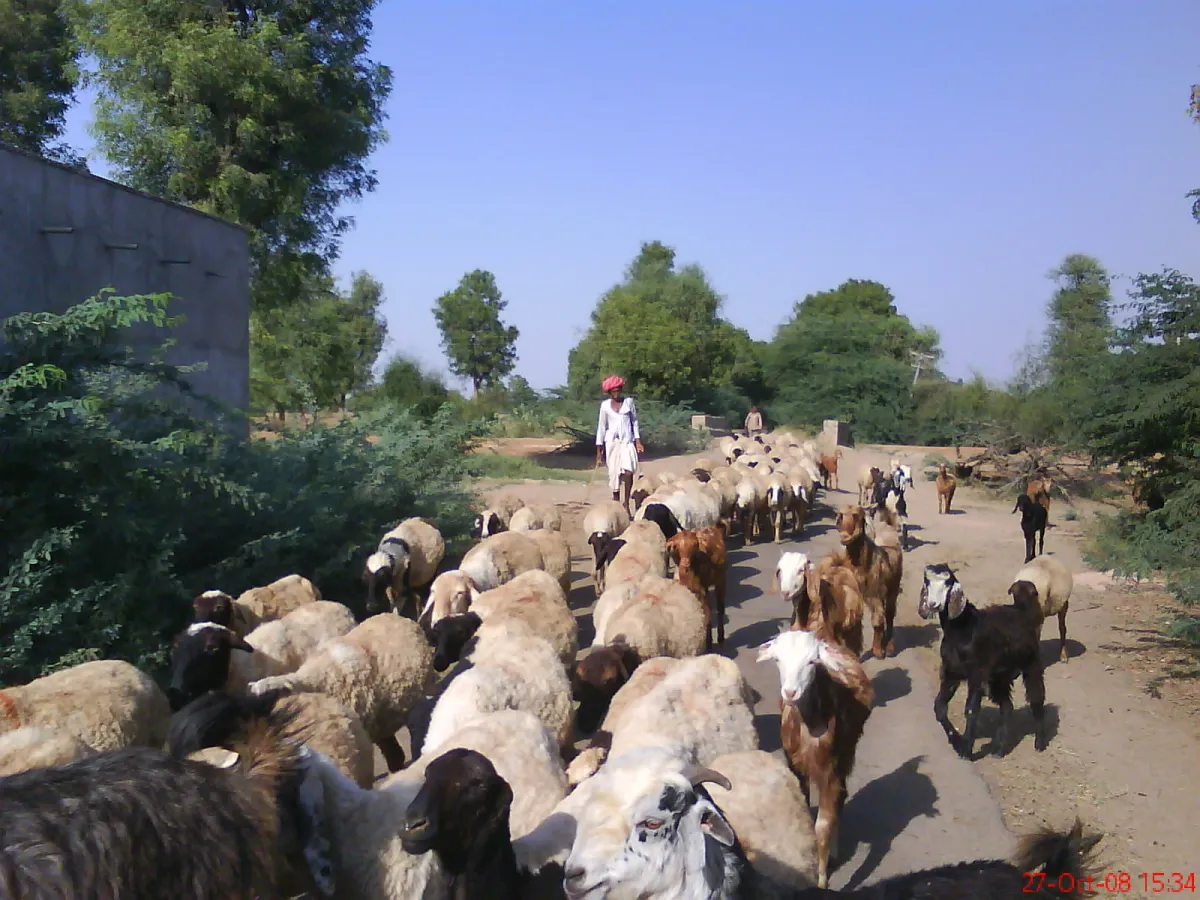
PhotoA Rabari herder with goats below the leopard hills at dusk.
When to come — honestly

A year-round, open landscape.

October – March
Best
Cool and dry, the most comfortable months, with leopards active on the rocks in the mild mornings and evenings.
April – June
Good
Hot but reliable for sightings, as cats and prey concentrate near the Jawai dam and remaining water.
Bera has no formal closed season like a national park, though the cool months are far more pleasant. Because it is open country, leopard sightings here are unusually clear — the rocks leave them nowhere to hide.
Whose land this is

The Rabari and the leopards

The Rabari are a pastoralist community whose grazing lands these hills are, and their tolerance of the leopards — rooted partly in faith, partly in long coexistence — is the foundation of Bera. Without their goodwill, there is no leopard country here.

As tourism grows, the pressure on this informal balance grows too — more vehicles, more money, more reasons for the truce to strain. Visiting well means respecting that the community, not a park authority, makes this possible.

We work with local people who know the leopards and the land, not operators who treat Bera as a free-for-all. The coexistence is the asset, and it is delicate.
Beyond the obvious

Three ways to read Bera.

PhotoLeopards on the rocks

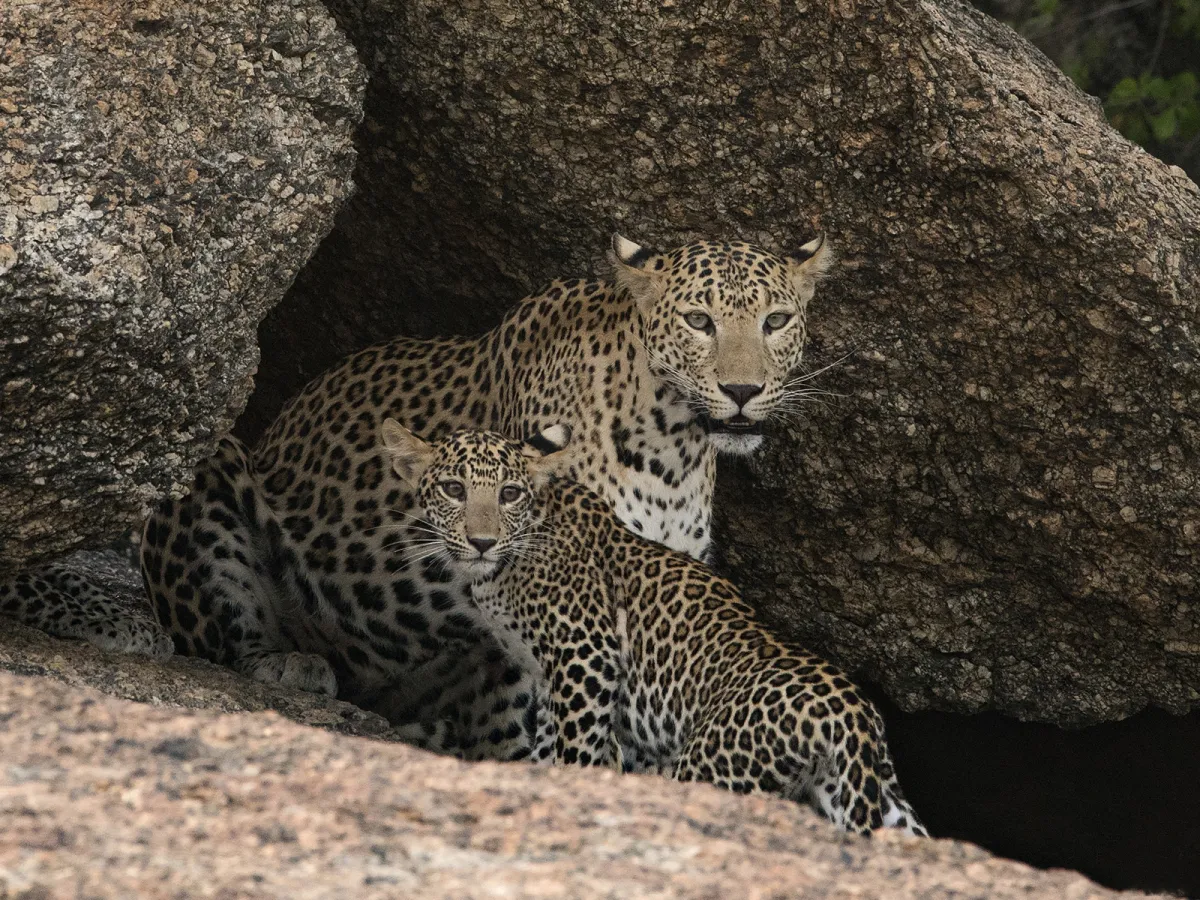
Leopards on the rocks

Open-country drives to the granite hills where the cats den and rest in the open.
PhotoThe Rabari world

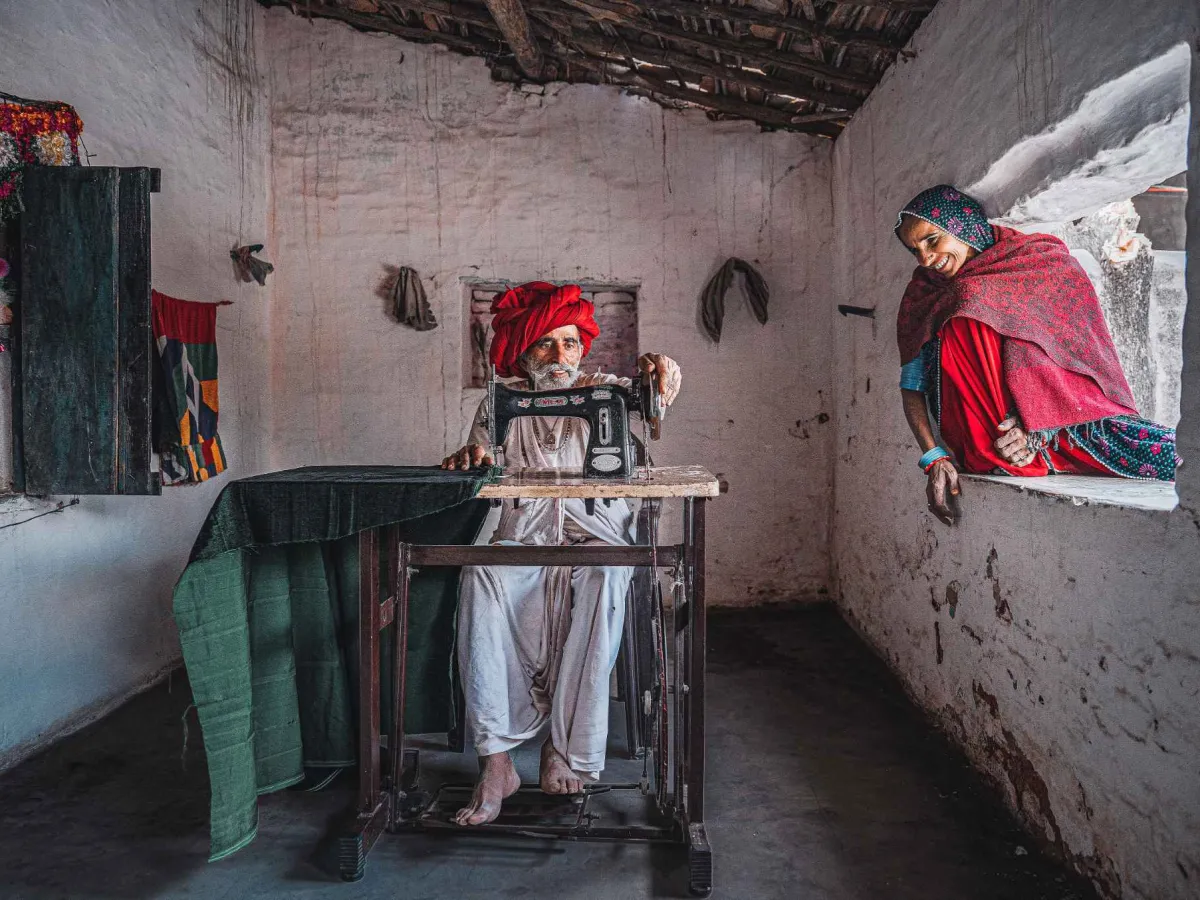
The Rabari world

Time with the herding community whose tolerance keeps the leopards safe.
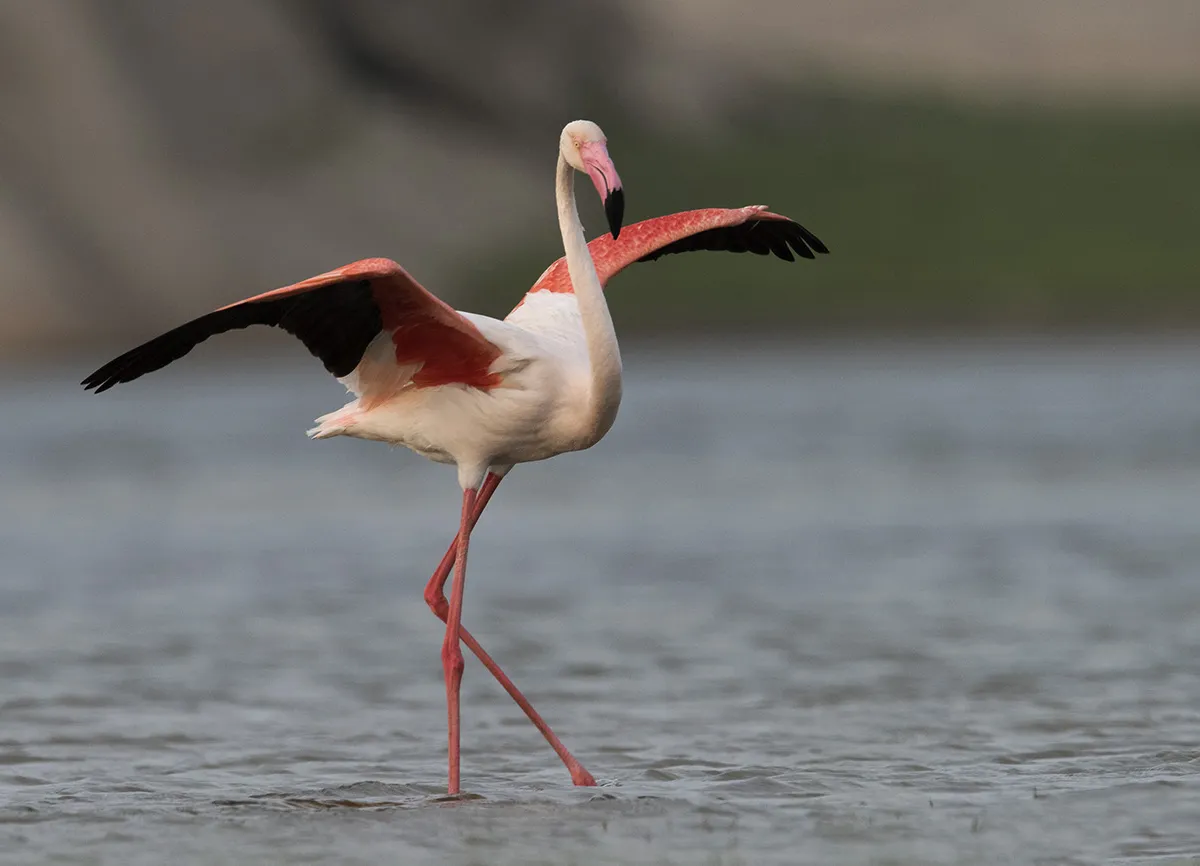
PhotoJawai dam birds

Jawai dam birds

The reservoir below, with flamingos, cranes and crocodiles — a different side of the landscape.

Why Wild Voyager

We run India on our own ground.

India is one of three countries we run with our own guides and vehicles, not booked through a middleman. In Bera & Jawai that means working with the local people who know each leopard and its hill, in country with no fences and no formal guiding system.

We operate it, not a middleman

Our team handles the permits, the zones and the timing, so we answer for your sightings — not a stranger hoping it works out.

We base you in the right zone

Bera has no park rangers or fixed zones — it runs on local knowledge of which cat dens where. We work with the people who hold that knowledge, so the open-country sightings actually happen.

We guide for wildlife, not a checklist

Our naturalists work the alarm calls, the tracks and the light — they would rather earn you one real sighting than tick a list.

Wildlife you may see
Leopard

Pair Bera's leopards
with the Rajasthan circuit.

Bera sits between Udaipur and Jodhpur, so its leopards slot naturally into a Rajasthan route. We pair the wildlife with the cities and the culture.

Plan a Bera trip
Field notes, now and then.

Where to go · When to go · Wildlife in season

A few times a year, never more. Unsubscribe anytime. See our Privacy Policy.