Enquire
Home  /  India  /  Eaglenest Wildlife Sanctuary
Eastern Himalayan birding · Arunachal Pradesh

Eaglenest Wildlife Sanctuary

An Eastern Himalayan birding mecca — home of the bird that rewrote the map.
Getting there
Long mountain drive from Guwahati or Tezpur, ~7–9 hr
Best for
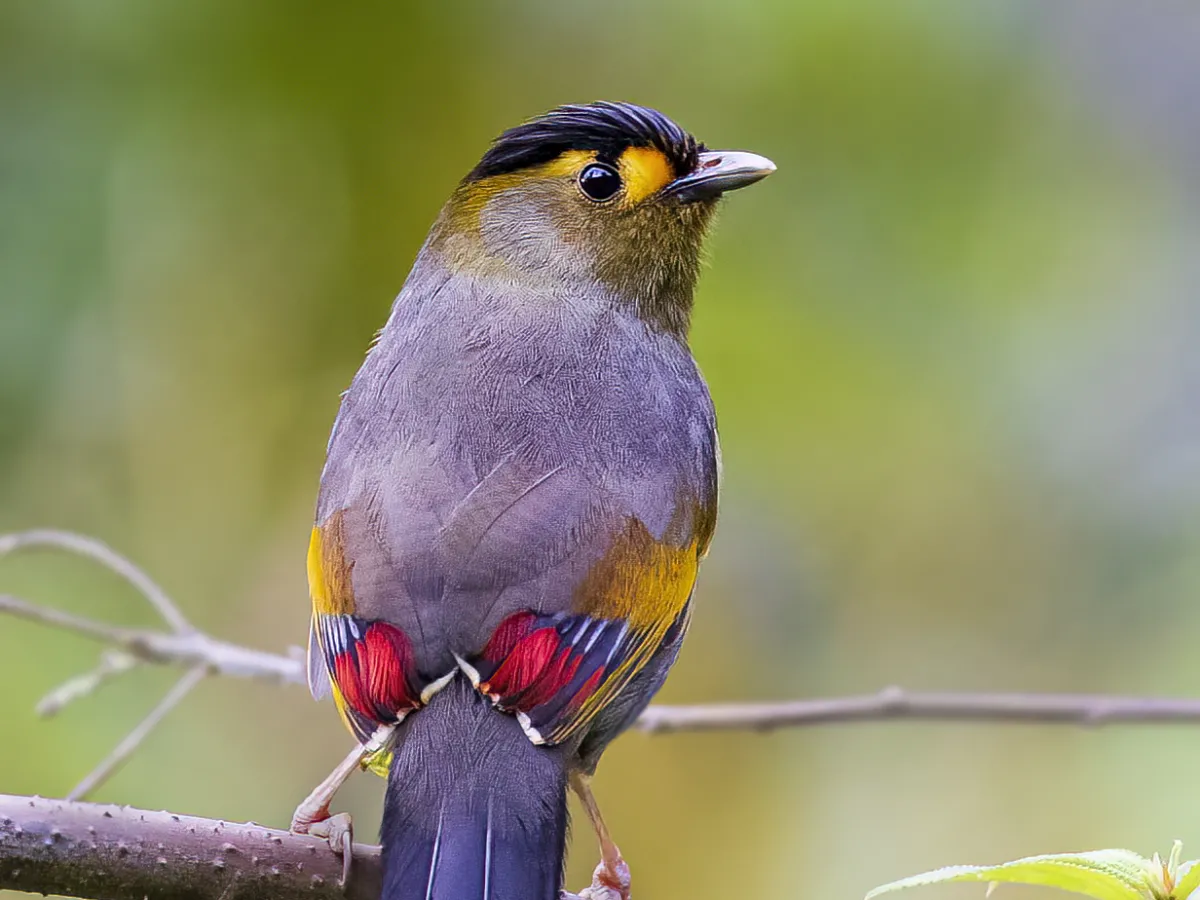
Eastern Himalayan birds across a huge altitude range; the Bugun liocichla
The land
Forest from subtropical foothills to high temperate ridge in west Arunachal
Good to know
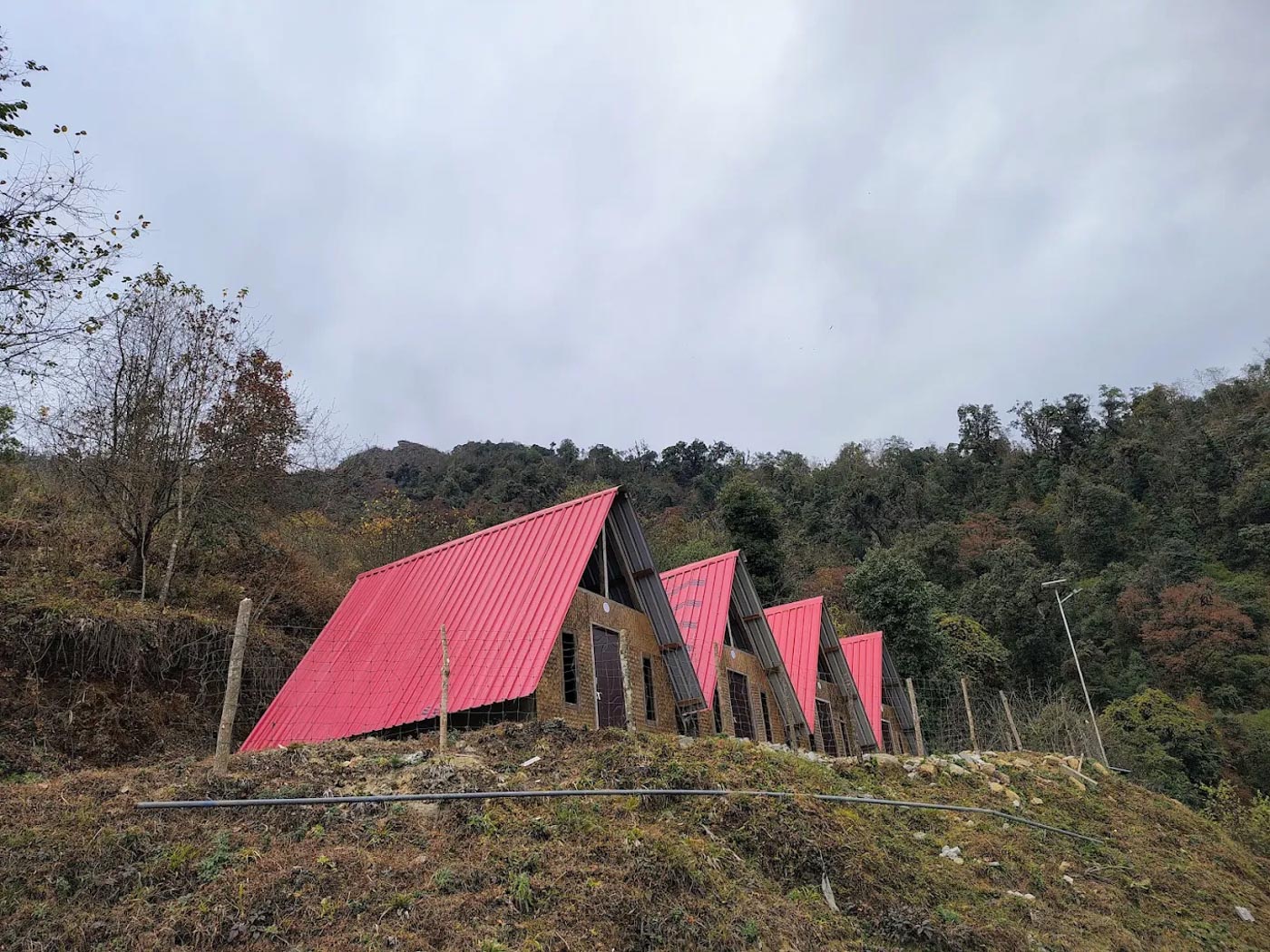
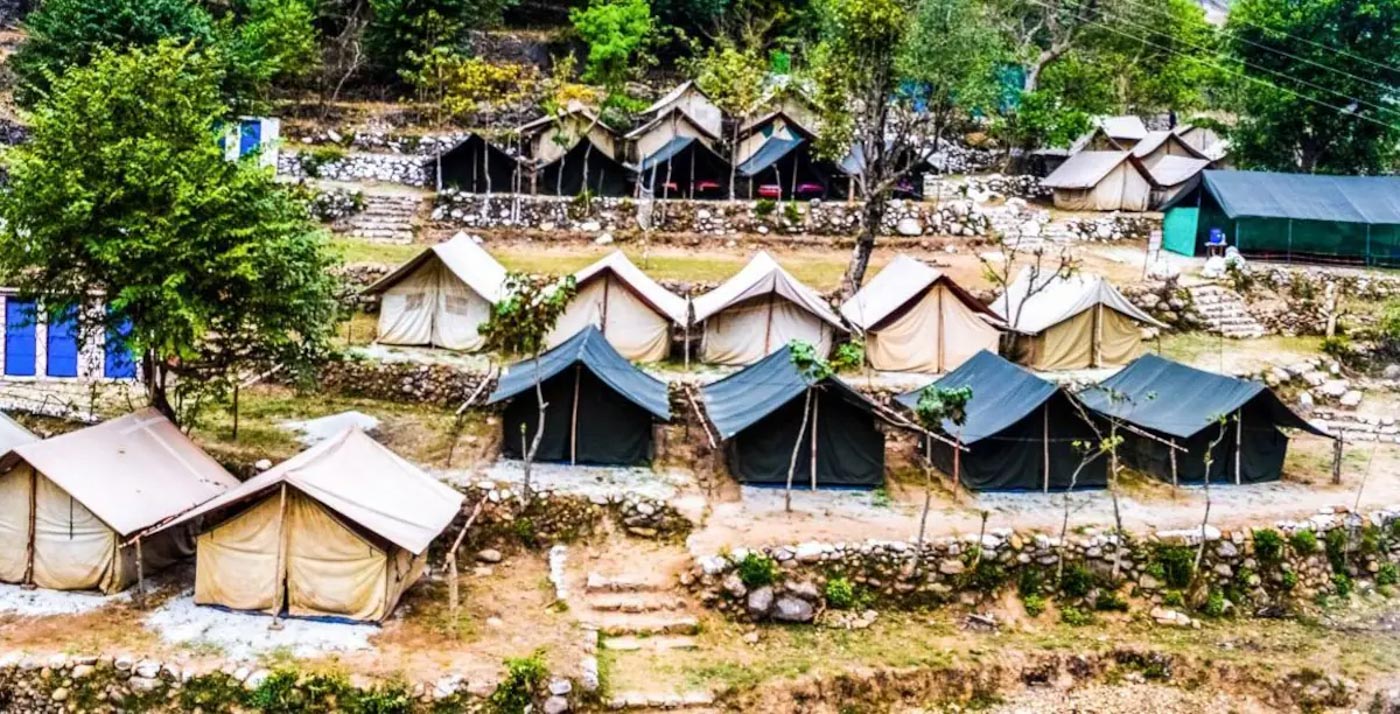
Remote, basic camps, mountain roads — an expedition, not a lodge stay
What it is
Eaglenest is the birding trip serious birders dream about — and the place a brand-new bird was found this century.
In the mountains of western Arunachal Pradesh, Eaglenest drops from high ridge to subtropical foothill across a vast altitudinal range, and that range gives it one of the richest bird lists in India. It is most famous as the home of the Bugun liocichla, a species new to science described as recently as 2006 — proof of how little-known these mountains still are. Red panda and other Eastern Himalayan mammals share the forest. This is a remote, camping birding expedition for the committed, and it repays them like few places can.
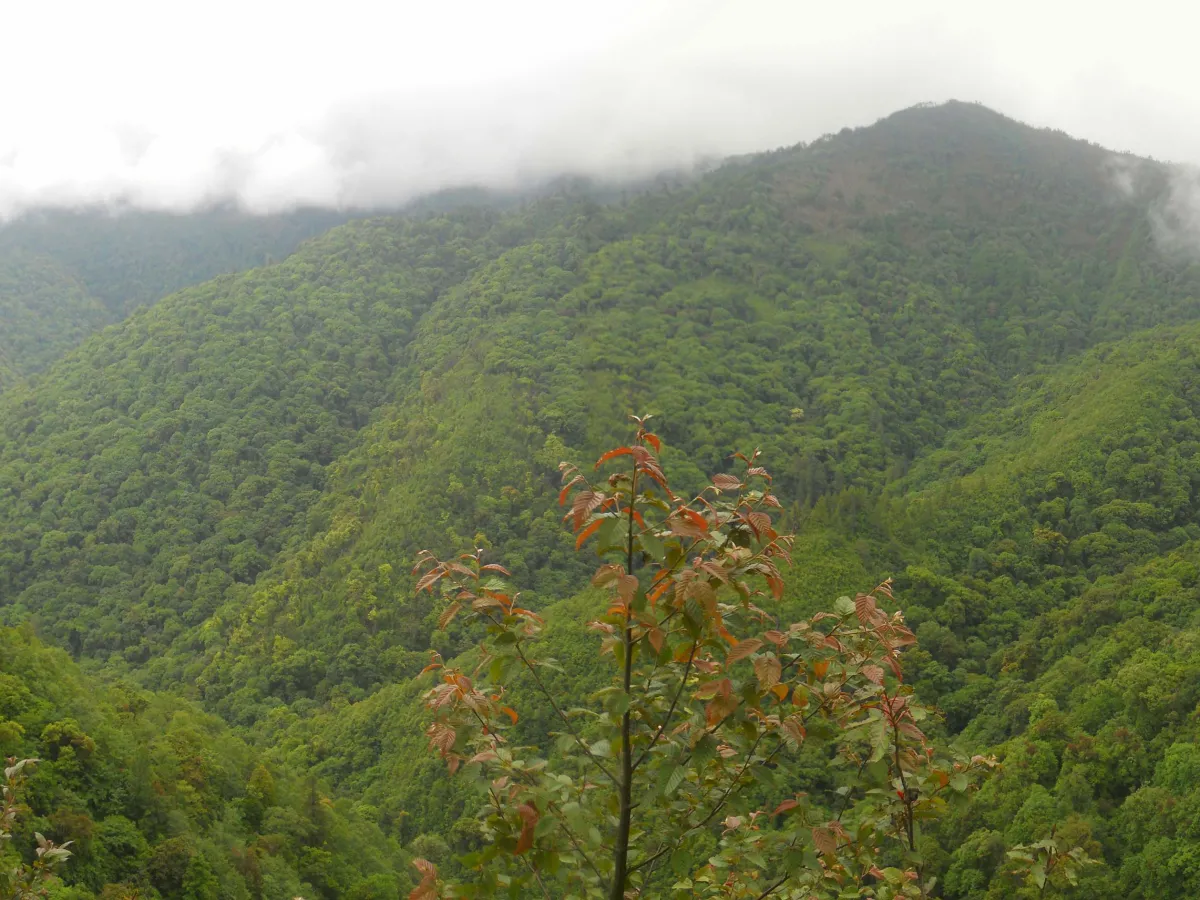
PhotoMist-wrapped forest dropping away along the Eaglenest ridge.
The reason to come

A bird new to science

The Bugun liocichla was found here in 2006 — a full new bird species, in the 21st century, in a country as birded as India. It says everything about Eaglenest: a place so rich and so little-explored that it still surprises the experts.

The Bugun liocichla

A tiny, range-restricted bird known from almost nowhere else — Eaglenest's emblem and a birder's grail.

The altitude range

From foothill to ridge, the sanctuary crosses many forest zones — and so holds an enormous diversity of birds.

The mammals

Red panda and other Eastern Himalayan species live in the forest, for the lucky and the patient.

An honest note

Eaglenest is an expedition — long drives, basic camps, cold and altitude. It is for dedicated birders and naturalists, not casual visitors, and that filter is part of why it stays wild.
The unexplored Himalaya

Why new things still turn up.

Western Arunachal is one of the least-studied corners of the Himalaya, and Eaglenest's biodiversity is still being mapped — the Bugun liocichla is the famous example, but not the only surprise. It is one of the last places in India where the wildlife is genuinely incompletely known, which is its own kind of thrill.
PhotoA birder scanning dense temperate forest along the ridge road.
When to come — honestly

A spring expedition.

March – May
Best
Spring, when birds are breeding and in song across the altitude range — the prime birding window, with rhododendrons in flower.
October – November
Good
Autumn, clear and stable, good for birding and mammals before winter closes the high country.
The monsoon makes the mountain roads treacherous and winter closes the heights. Spring is the classic season — breeding birds, flowering forest — with autumn a cooler alternative. Either way, this is a serious mountain trip.
Bugun land

Conservation by a community

The Bugun liocichla is named for the Bugun community, on whose land it was found, and whose role in protecting the forest has become a model of community-led conservation in the Eastern Himalaya. The bird and the people are bound together.

Western Arunachal is a sensitive border region of many Indigenous communities, and visiting it means travelling respectfully through homelands, with the permits and local arrangements that requires.

We run Eaglenest with the local community and guides who know these mountains and their birds — there is no other way to do it well.
Beyond the obvious

Three ways to read Eaglenest.

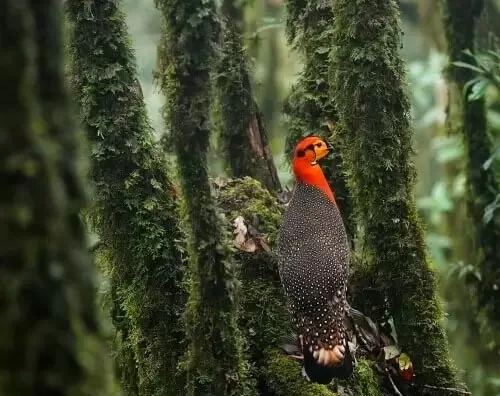
PhotoRidge-to-foothill birding

Ridge-to-foothill birding

Working the altitude range for the sanctuary's huge bird diversity.
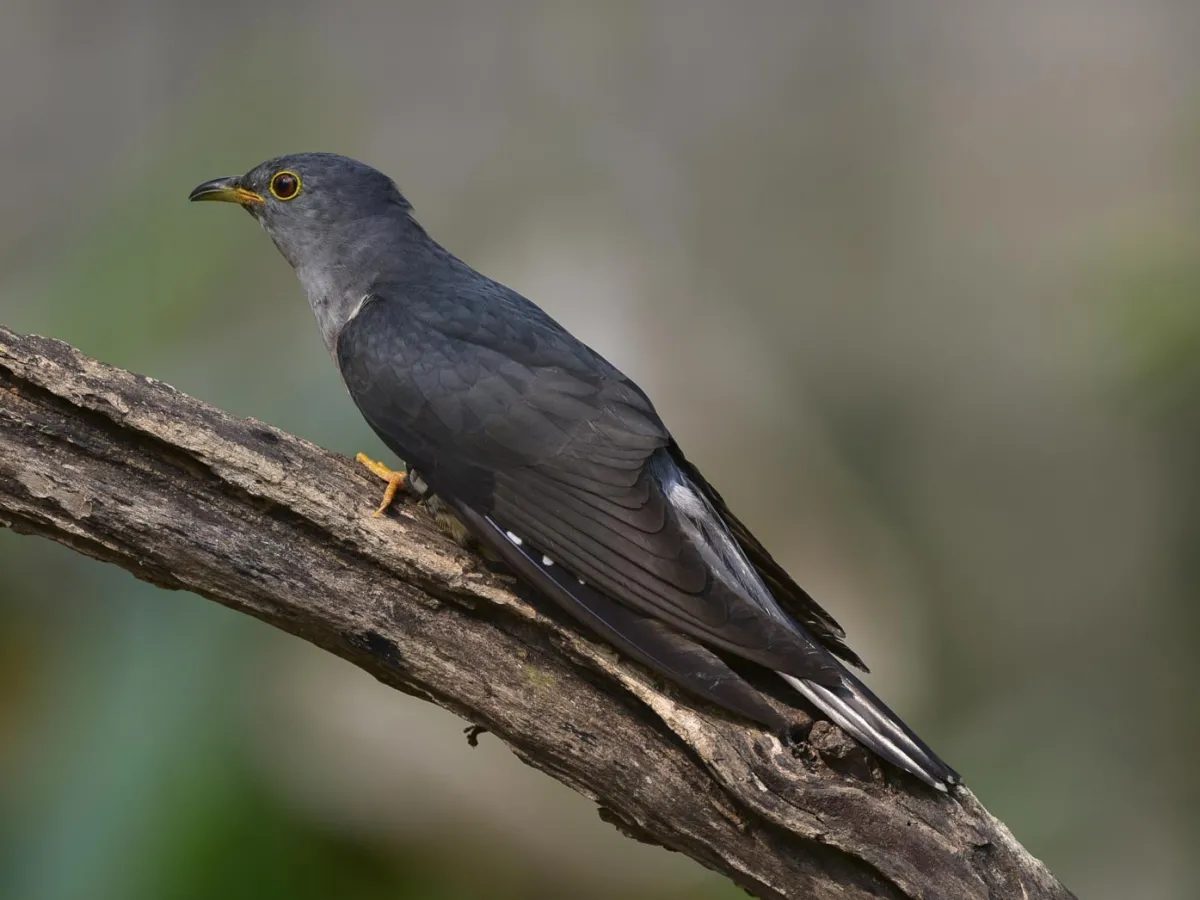
PhotoThe Bugun liocichla

The Bugun liocichla

The search for the bird that rewrote the map, on Bugun land.

PhotoMammal chances

Mammal chances

Red panda and other Eastern Himalayan species, for the patient and lucky.

Why Wild Voyager

We run India on our own ground.

India is one of three countries we run with our own guides and vehicles, not booked through a middleman. In Eaglenest Wildlife Sanctuary that means running the expedition with the Bugun community and guides who know the birds, the roads and the camps.

We operate it, not a middleman

Our team handles the permits, the zones and the timing, so we answer for your sightings — not a stranger hoping it works out.

We base you in the right zone

Eaglenest is remote and runs on local knowledge and community arrangements. We work with the Bugun guides who know the birds and the mountain, so the expedition holds together and delivers.

We guide for wildlife, not a checklist

Our naturalists work the alarm calls, the tracks and the light — they would rather earn you one real sighting than tick a list.

Journeys

Trips through Eaglenest Wildlife Sanctuary

Wildlife you may see
Birds

Pair Eaglenest with Assam's
plains wildlife.

Eaglenest's mountain birding pairs with Kaziranga and the Assam plains for a full northeast trip — foothill to floodplain. We route the expedition and the lowlands together.

Plan an Eaglenest trip
Field notes, now and then.

Where to go · When to go · Wildlife in season

A few times a year, never more. Unsubscribe anytime. See our Privacy Policy.