Enquire
Home  /  India  /  Kanha National Park
Tiger reserve · Madhya Pradesh

Kanha National Park

The great sal-forest park that saved the barasingha and gave Kipling his jungle.
Getting there
~4 hr drive from Jabalpur; ~5 hr from Nagpur or Raipur
Best for
Tigers across big landscapes; hard-ground barasingha
The land
Sal and bamboo forest broken by wide grassy meadows, or maidans
Good to know
One of India's largest tiger reserves; core closes in the monsoon
What it is
Kanha is the one people picture when they imagine an Indian jungle — and that is not an accident.
This is the country that fed Kipling's Jungle Book: deep sal and bamboo forest opening onto wide grassy maidans where deer graze in the open. It is one of India's largest and best-run tiger reserves, and the scale means tigers here move across real landscape rather than a small core. Kanha is also a genuine conservation success — the hard-ground barasingha, a swamp deer found nowhere else, was pulled back from the edge of extinction inside this park, and is now its emblem.
PhotoBarasingha grazing on an open meadow at the forest edge.
The reason to come

The deer that Kanha saved

The hard-ground barasingha — a subspecies of swamp deer adapted to firm meadow rather than marsh — was down to a few dozen animals in the 1960s. A fenced breeding programme inside Kanha brought it back. It is one of the clearest wins in Indian conservation.

The maidans at dawn

Wide meadows fill with barasingha, chital and the occasional tiger working the edge.

The recovery

From near-extinction to a stable population — you are looking at the animal the park was effectively rebuilt around.

The space

Kanha's size means game spreads out; sightings feel earned and uncrowded compared with smaller parks.

Why it matters

Most parks tell you what they have lost. Kanha can tell you what it brought back — which is rarer, and worth seeing.
Kipling's country

The jungle in the Jungle Book.

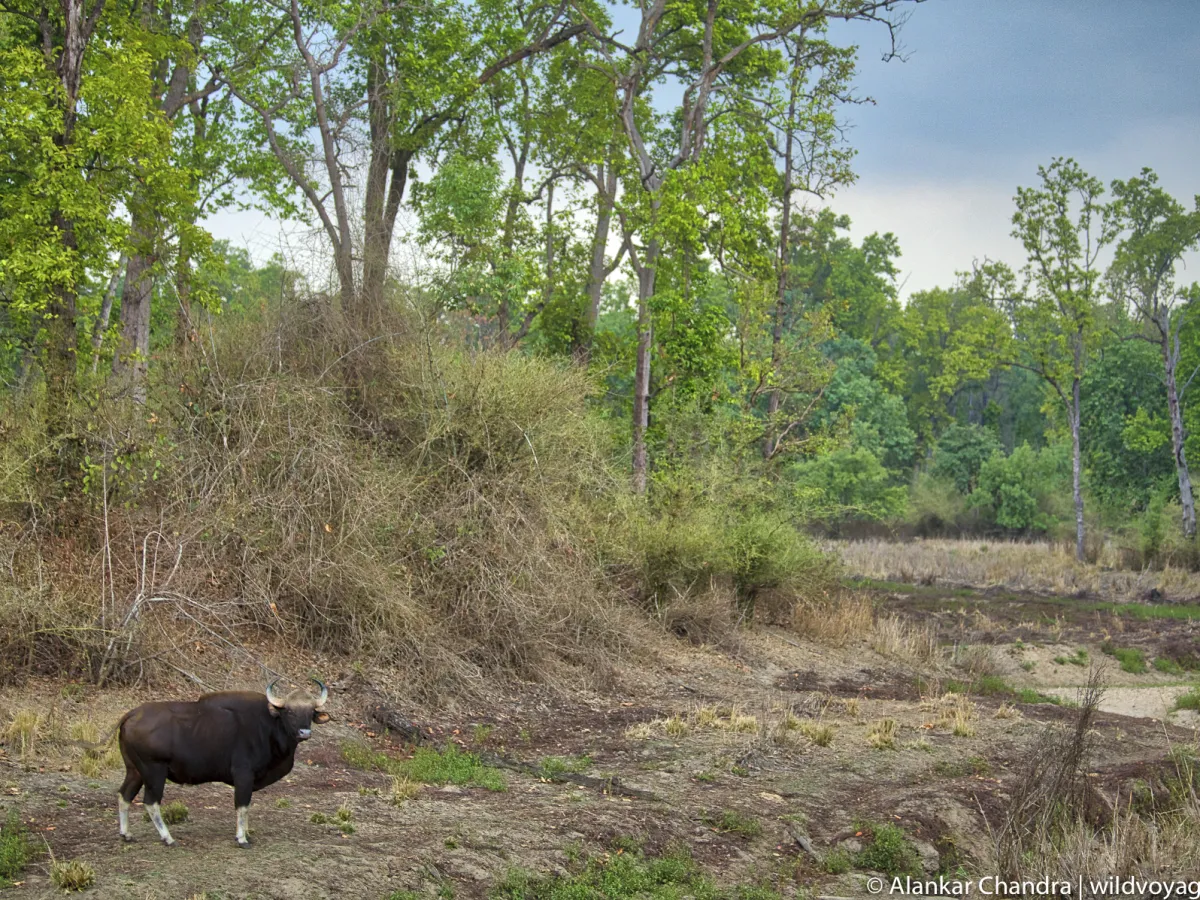
Kanha's sal forest and meadows are widely taken as the landscape behind Kipling's stories, and the park leans into it without turning it into a theme park. What you actually get is one of the most complete dry-forest ecosystems in India — tiger, leopard, dhole, gaur, and the barasingha — across terrain big enough to feel wild.
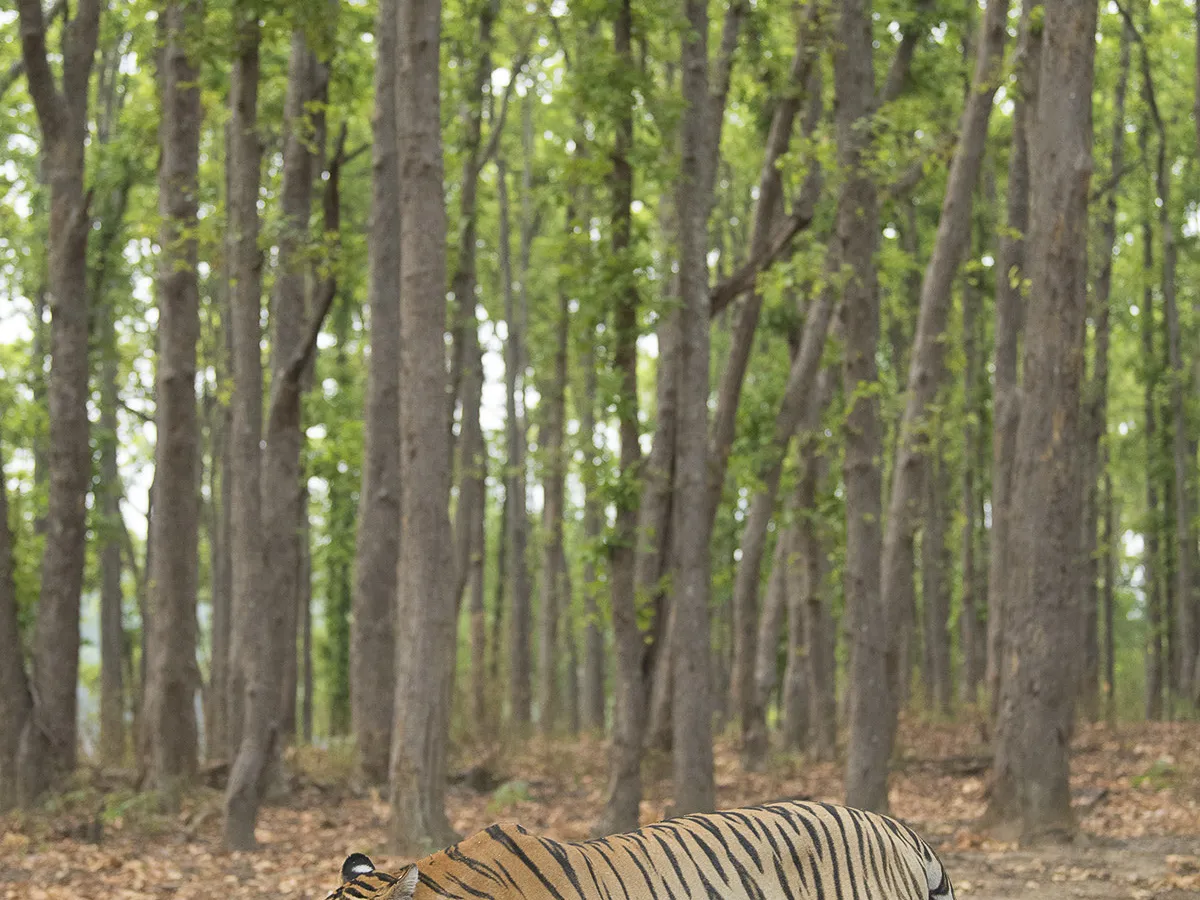
PhotoTall sal trees and bamboo closing over a forest track.
When to come — honestly

Big park, long season.

March – June
Best
Hot and dry; game concentrates at water and tigers are most active. Peak sightings across the large core.
November – February
Good
Cool, misty mornings and green meadows. Beautiful and comfortable, with steady general game.
The core closes roughly July to September. Kanha's size makes it less crowded than smaller reserves, but it also means sightings take patience — you are working real landscape, not a postage stamp.
Whose forest this is

Villages moved, and the debate that follows

Creating and enlarging Kanha involved relocating forest villages out of the core, as at many Indian tiger reserves. It is a genuinely contested subject — good for tigers, hard on the people who lived there — and worth knowing rather than glossing over.

The Baiga and Gond communities of this region have deep ties to these forests, and responsible visiting acknowledges that the wilderness you are enjoying has a human cost as well as a conservation gain.

We do not sell Kanha as empty Eden. The barasingha's recovery and the village relocations are two sides of the same story.
Beyond the obvious

Three ways to read Kanha.

PhotoDawn on the maidans

Dawn on the maidans

The open meadows at first light, when barasingha and chital graze and predators work the tree line.
PhotoDeep-forest drives

Deep-forest drives

Long routes through sal and bamboo where gaur, dhole and tiger turn up away from the crowds.
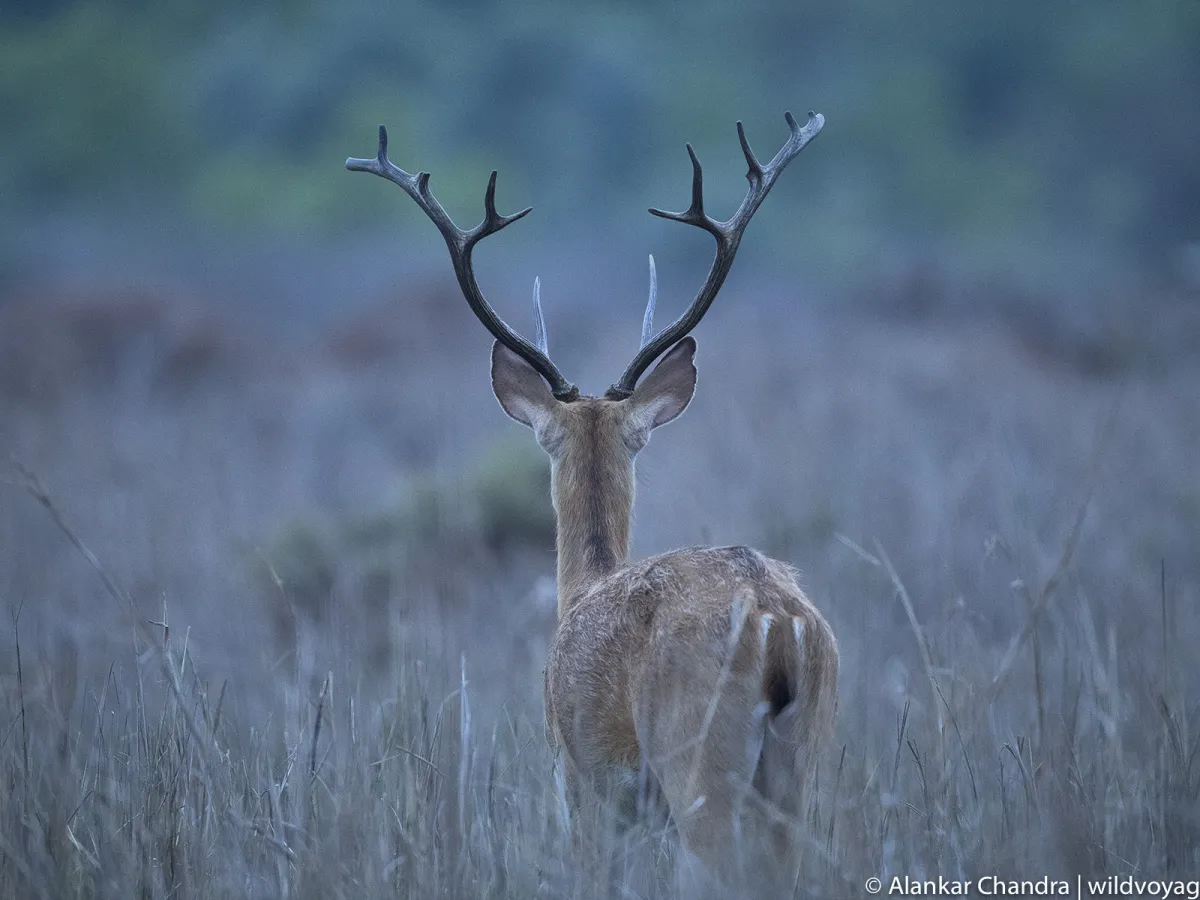
PhotoBarasingha country

Barasingha country

Time in the meadow zones built specifically around the deer Kanha saved.

Why Wild Voyager

We run India on our own ground.

India is one of three countries we run with our own guides and vehicles, not booked through a middleman. In Kanha National Park that means working the large core for tiger movement while building the day around the barasingha meadows.

We operate it, not a middleman

Our team handles the permits, the zones and the timing, so we answer for your sightings — not a stranger hoping it works out.

We base you in the right zone

Kanha is big, and that cuts both ways. We base you for the zones with the best recent movement and the meadow access, so the size works for you rather than against you.

We guide for wildlife, not a checklist

Our naturalists work the alarm calls, the tracks and the light — they would rather earn you one real sighting than tick a list.
Wildlife you may see
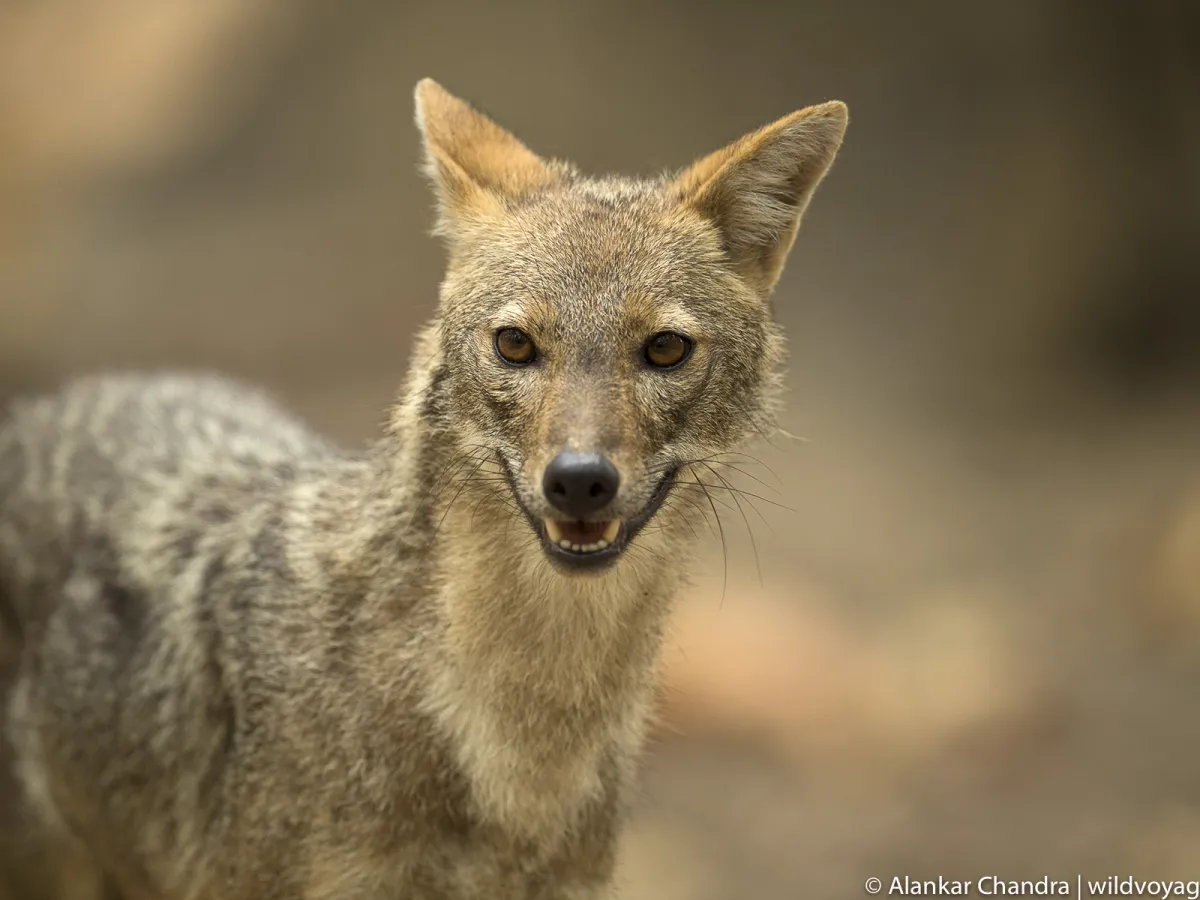
Tiger

Pair Kanha with Bandhavgarh or Pench,
and cover central India properly.

Kanha's scale and the barasingha, with Bandhavgarh's density or Pench's teak forest, make a full central-India circuit. We route it so the forests never repeat.

Plan a Kanha safari
Field notes, now and then.

Where to go · When to go · Wildlife in season

A few times a year, never more. Unsubscribe anytime. See our Privacy Policy.