Enquire
Home  /  Tanzania  /  Karatu
Gateway town · Ngorongoro highlands

Karatu

The highland base camp between Lake Manyara and the Ngorongoro Crater — coffee farms, lodges, and an easy night's sleep before the bowl.
Getting there
On the road between Manyara and Ngorongoro
Best for
A comfortable base for the Crater and Eyasi
The land
Fertile highland farmland below the crater rim
What it is
A base town, not a destination in its own right
What it is
Karatu isn't where you go — it's where you stay to reach the places you go.
A green, fertile farming town on the climb to the Ngorongoro highlands, Karatu is the practical base for the Crater: close enough for a dawn descent, comfortable enough for a good night's sleep, and a launch point for Lake Eyasi too. It's coffee-and-lodge country rather than a wildlife stop, and that's exactly its job — a well-placed, easy pause in a busy northern circuit.
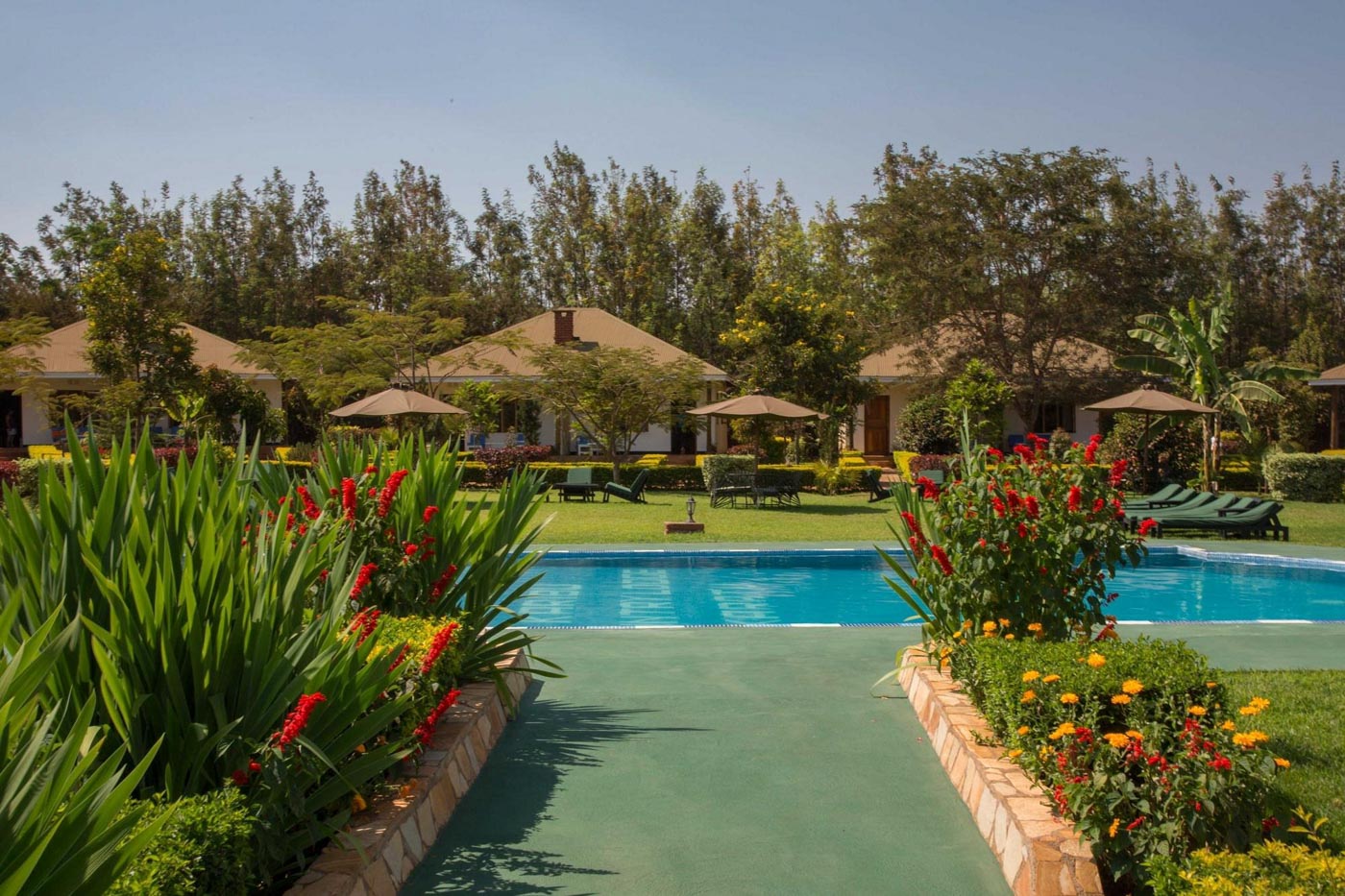
PhotoA lodge veranda among coffee bushes, highland light, Crater rim in the distance.
Why you stop

What Karatu is for

A base, used well — and a couple of genuinely pleasant things to do on a half-day.

Crater base

The closest comfortable base for an early Ngorongoro descent.

Coffee farms

Working coffee estates you can tour and taste — a relaxed half-day.

Eyasi launch

The jumping-off point for a Lake Eyasi cultural visit.

A real night's rest

Good lodges and elevation make it a comfortable pause between long game days.

A Karatu note

Don't overthink Karatu — it earns its place by location, not by sights. A night here is about being rested and close for the Crater at dawn; the coffee tour is a pleasant bonus, not a reason to linger.
The role

A base, not a destination

The honest thing about Karatu is that its value is logistical. It sits at the right altitude and the right distance to make the Crater easy and Eyasi possible, with the lodges to make a stop comfortable. Treat it as the well-placed hinge in a northern circuit and it does its job perfectly; expect a destination and you'll wonder why you're there.
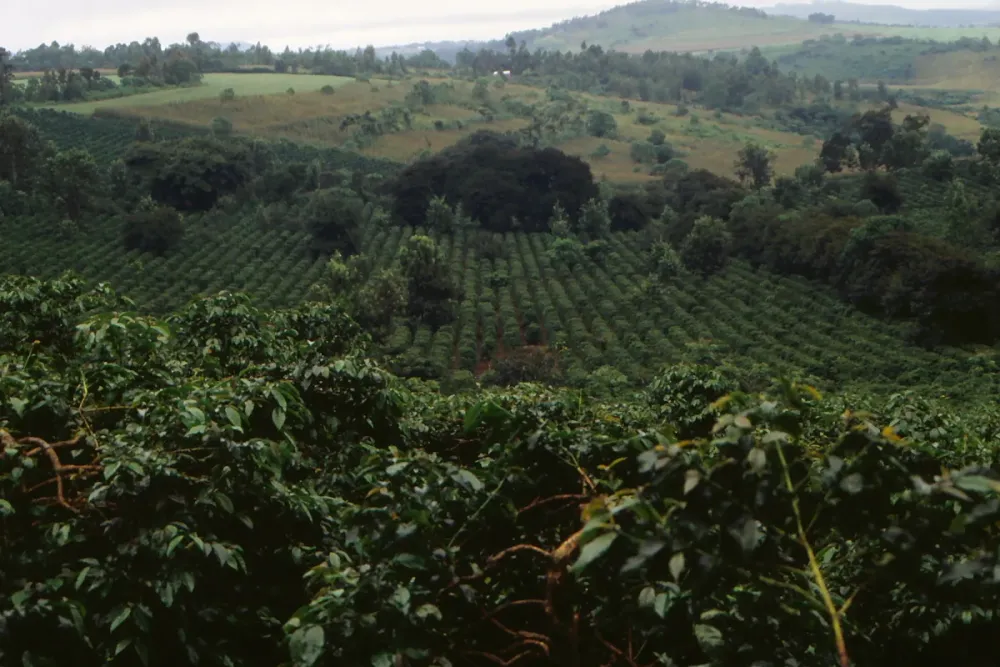
PhotoRows of coffee bushes on a misty highland slope near Karatu.
When to come — honestly

Comfortable year-round

June – October
Best
Dry season — Cool highland nights and easy roads to the Crater — the prime window.
December – March
Good
Green season — Lush farmland and good access; pairs with the southern calving below.
The long rains (April–May) green the highlands beautifully but can make the surrounding tracks (and the Eyasi run) harder going.
Where it sits

The hinge of the northern circuit

Karatu sits at the junction of the northern circuit's key moves — down to Manyara, up to Ngorongoro, across to Eyasi, on to the Serengeti — which is why so many trips spend a night here.

It's farming country, settled and green, a different Tanzania from the parks around it, and a useful reminder that the circuit runs through real, lived-in landscapes.

We've kept this short on purpose. Karatu is a base; its value is where it puts you tomorrow morning.
Beyond the obvious

Three things to do from Karatu

PhotoCoffee-estate tour

Coffee-estate tour

Bean to cup on a working highland farm — a relaxed half-day.
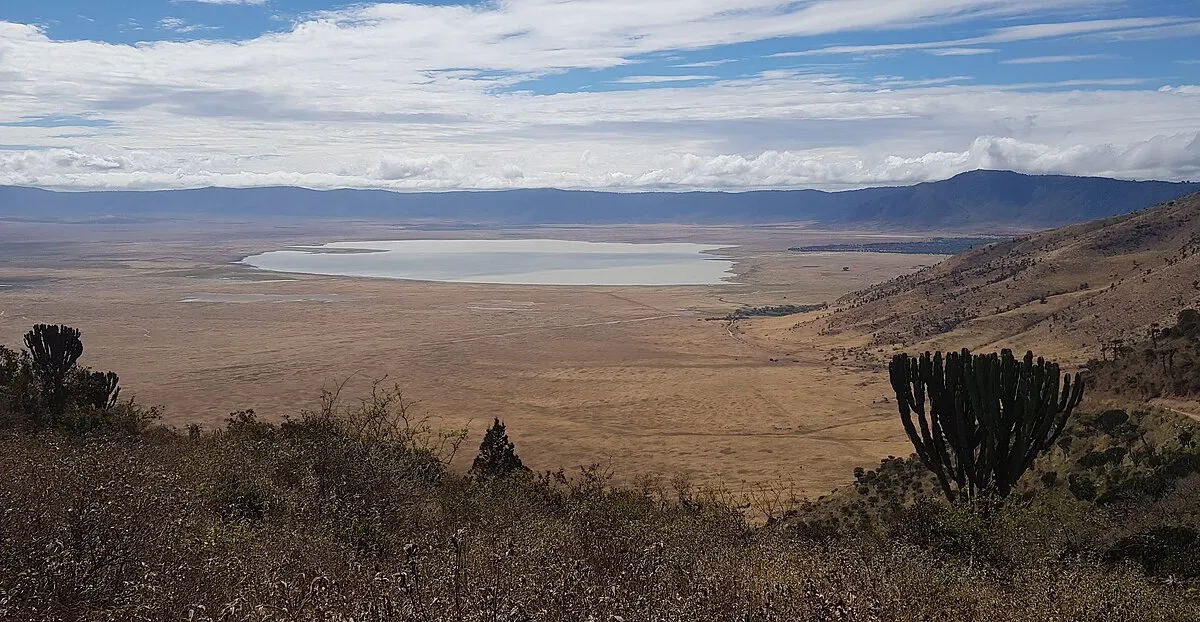
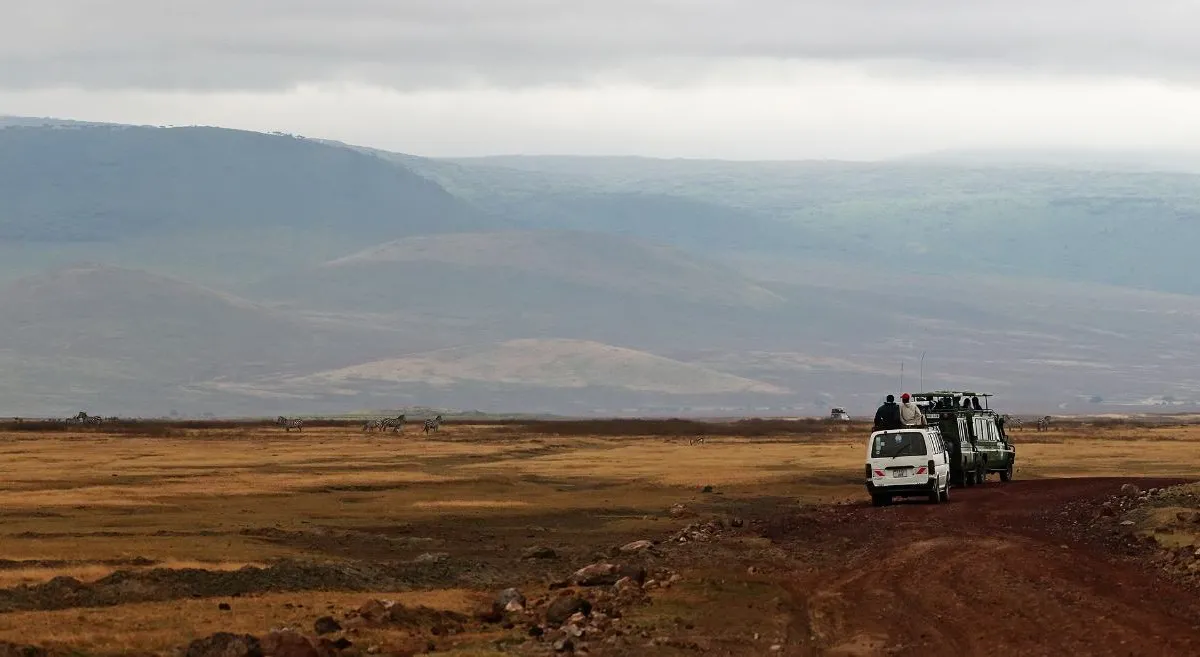
PhotoCrater at dawn

Crater at dawn

The early descent into Ngorongoro, with Karatu as the launch.
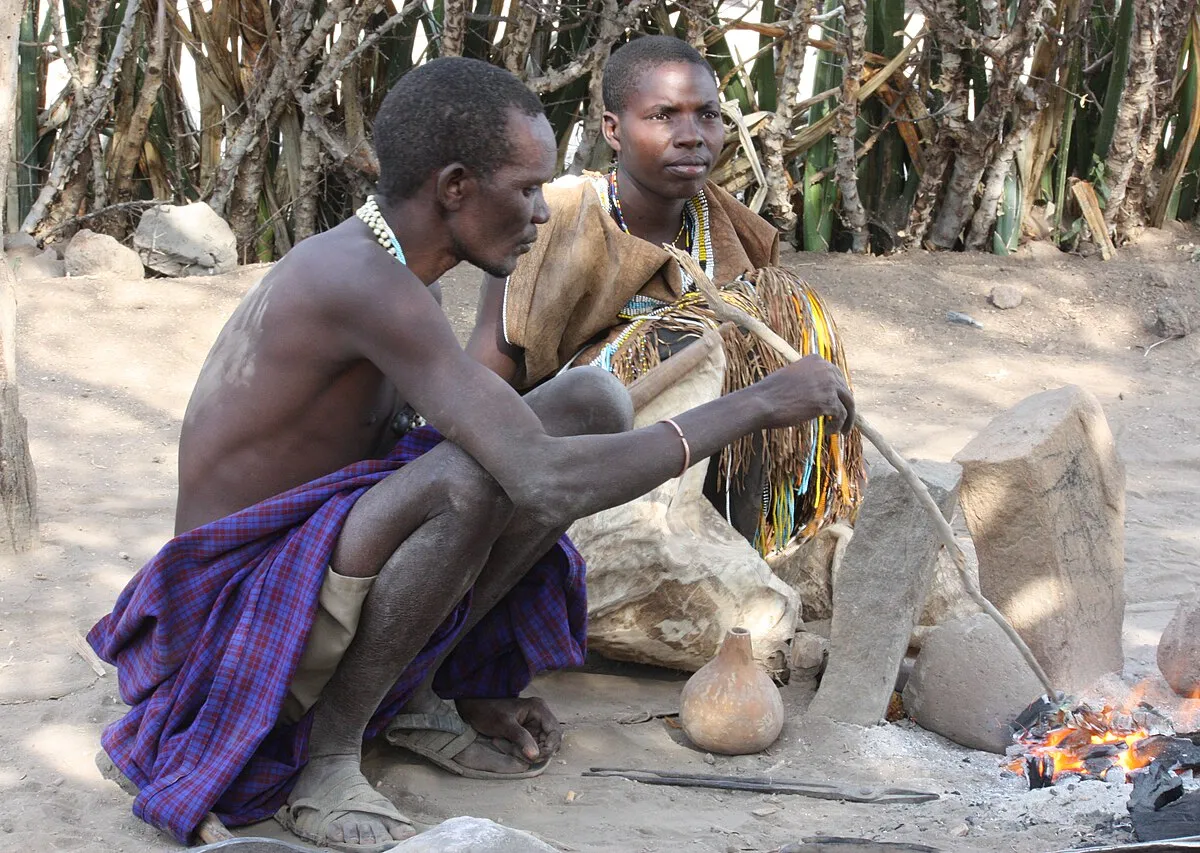
PhotoEyasi day-trip

Eyasi day-trip

The cultural run down to the Hadzabe and Datoga of Lake Eyasi.

Why Wild Voyager

A base placed for the morning after

Karatu's whole value is position and rest. We use it to put you at the crater gate at first light, not to fill a day.

Placed, not padded

We use Karatu as a one-night hinge, sized to its purpose, not stretched into a 'stop'.

First on the floor

A Karatu base lets us get you descending into the Crater at dawn, ahead of the crowds.

Our own ground

Tanzania guides and vehicles who run this circuit daily and know its rhythm.

Rest in the highlands,
then drop into the Crater.

A night in Karatu is the practical setup for an early Crater morning — we place it where it earns its keep.

Plan a northern-circuit safari
Field notes, now and then.

Where to go · When to go · Wildlife in season

A few times a year, never more. Unsubscribe anytime. See our Privacy Policy.