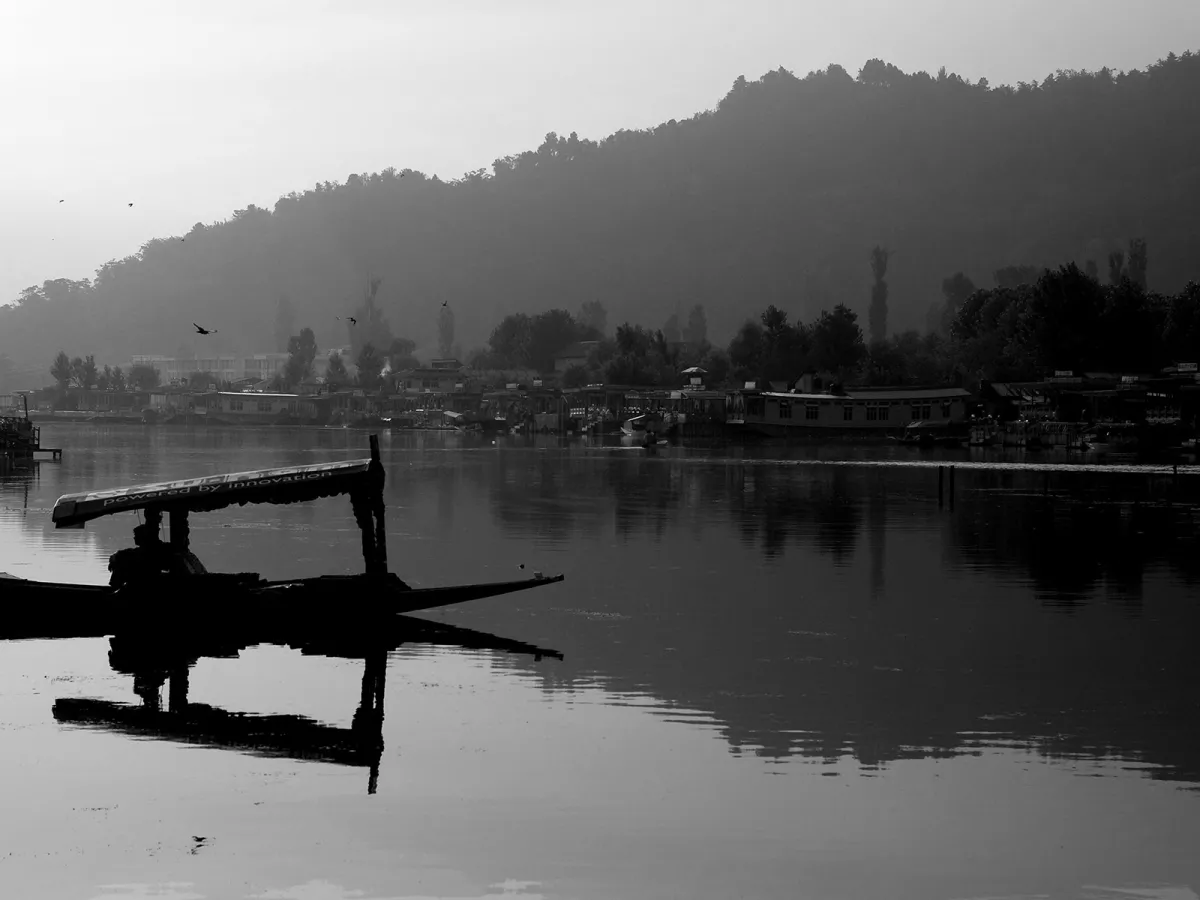
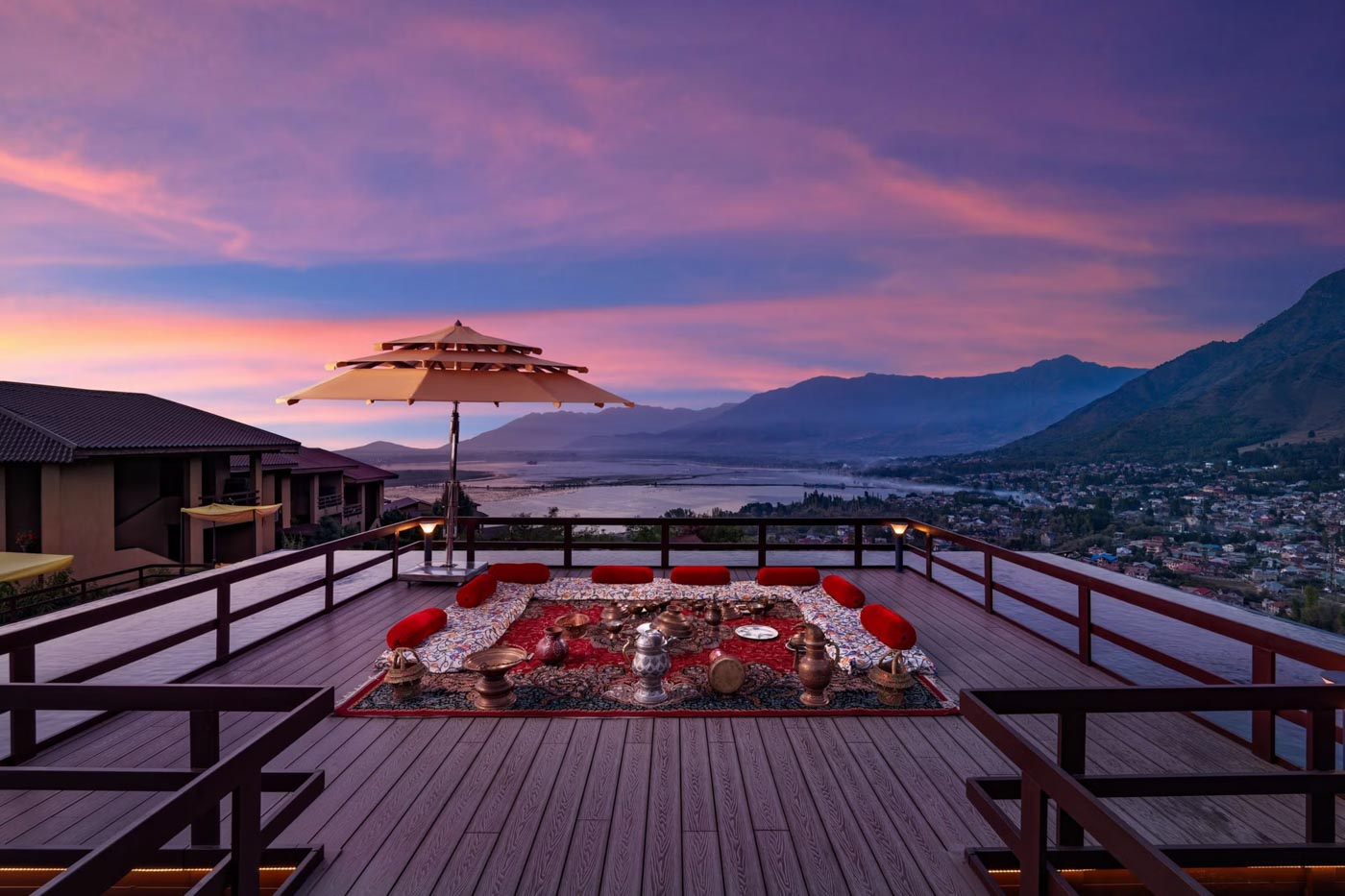
Enquire
Home  /  India  /  Kashmir
Himalayan valley & alpine · Jammu & Kashmir

Kashmir

The Kashmir Valley — home of the hangul, India's only red deer, and alpine wildlife in the western Himalaya.
Getting there
Fly to Srinagar; Dachigam is ~30–45 min from the city
Best for
The hangul, Himalayan black bear, alpine birds and meadow wildlife
The land
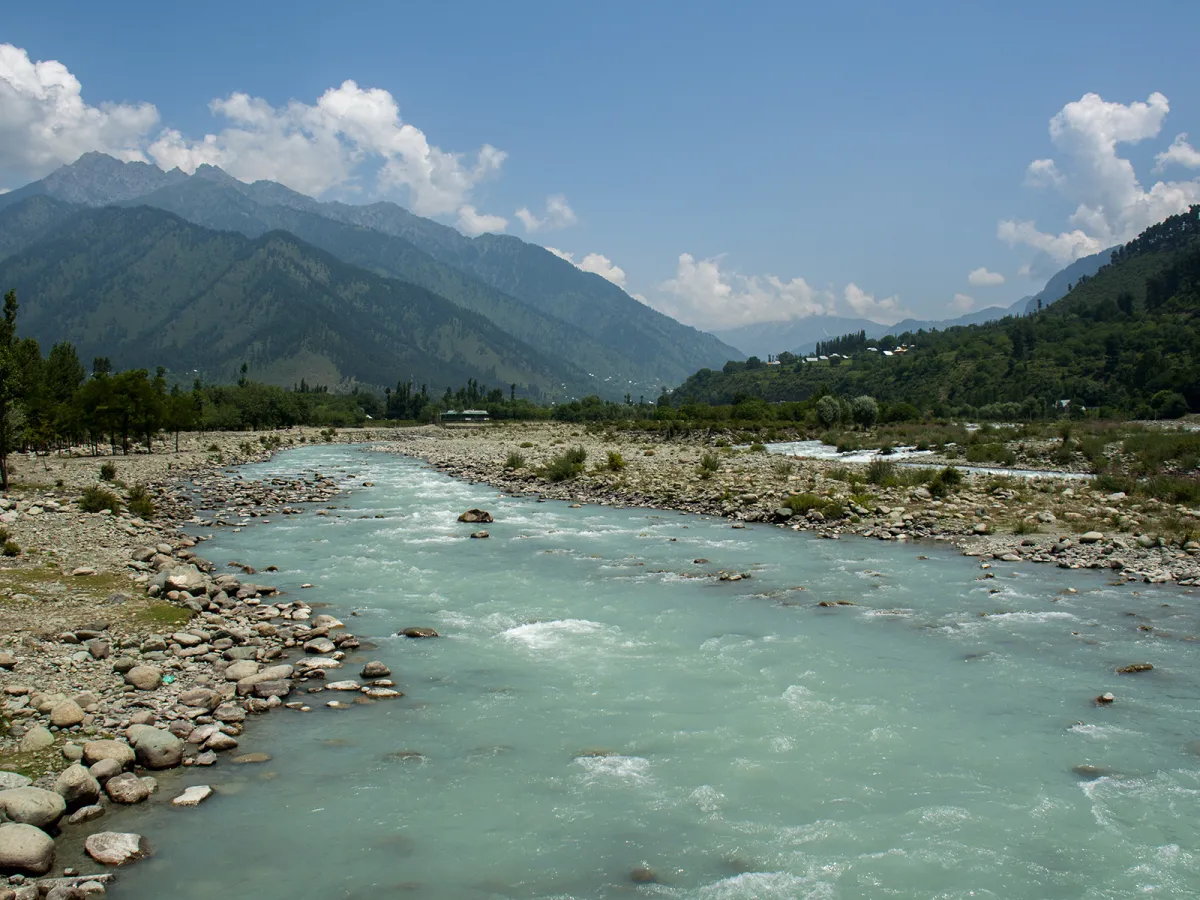
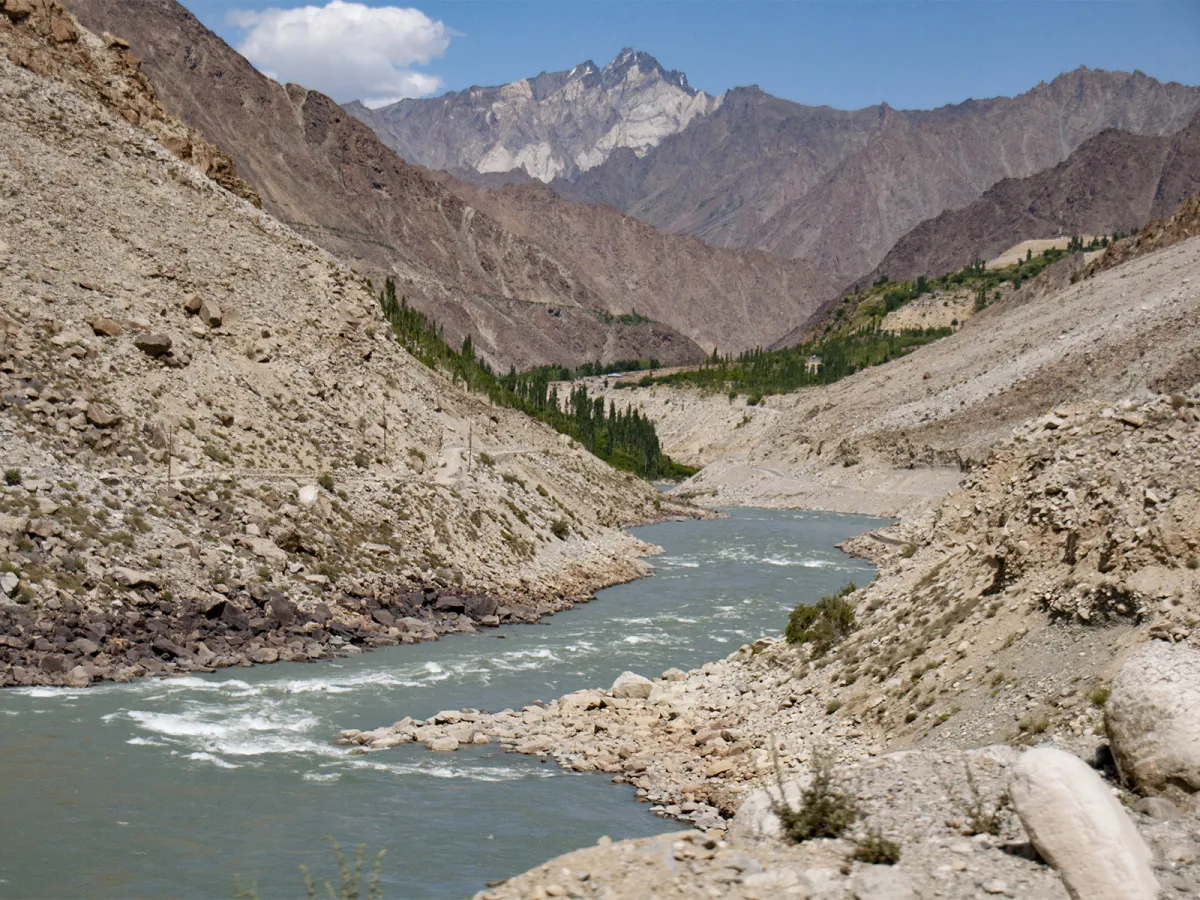
Forested valley slopes and alpine meadows around Srinagar, Dachigam NP
Good to know
The hangul is critically endangered and hard to see; a fragile population
What it is
Kashmir holds a deer that exists nowhere else on earth — the hangul, in the forests above Srinagar.
The Kashmir Valley, ringed by the western Himalaya, is the only home of the hangul, or Kashmir stag — India's only red deer, critically endangered and clinging on in Dachigam National Park just outside Srinagar. The park's forested slopes and alpine meadows also hold Himalayan black bear, leopard, musk deer and rich birdlife, while wetlands like Hokersar draw wintering waterbirds to the valley. It is a wildlife destination of real rarity, set in one of the most beautiful — and complicated — landscapes in India.
PhotoA hangul stag among oak and conifer on a Dachigam slope.
The reason to come

The hangul, found only here

The hangul is the only red deer in India and survives solely in and around Dachigam, its population reduced to a precarious remnant. To see one — a stag on a forested slope above Srinagar — is to see an animal on the edge of existence, in the one valley it has left.

The hangul

India's only red deer, critically endangered, found only in the Kashmir Valley — Dachigam's reason for being.

The forest wildlife

Himalayan black bear, leopard and musk deer share Dachigam's slopes and meadows.

The valley wetlands

Hokersar and other wetlands draw wintering waterbirds to the valley floor — a different side of Kashmir's wildlife.

An honest note

The hangul is rare and elusive, and its small population makes a sighting far from certain. Come for Dachigam's wildlife and beauty as a whole, and treat the hangul as the precious chance it is.
Beauty and complexity

Wildlife in a contested valley.

Kashmir's beauty is matched by its political complexity, and the hangul's decline is bound up with the valley's troubled recent history — disturbance, grazing and instability all bearing on a fragile species. Visiting means engaging with a real, lived-in place, not a postcard, and timing trips to conditions on the ground.
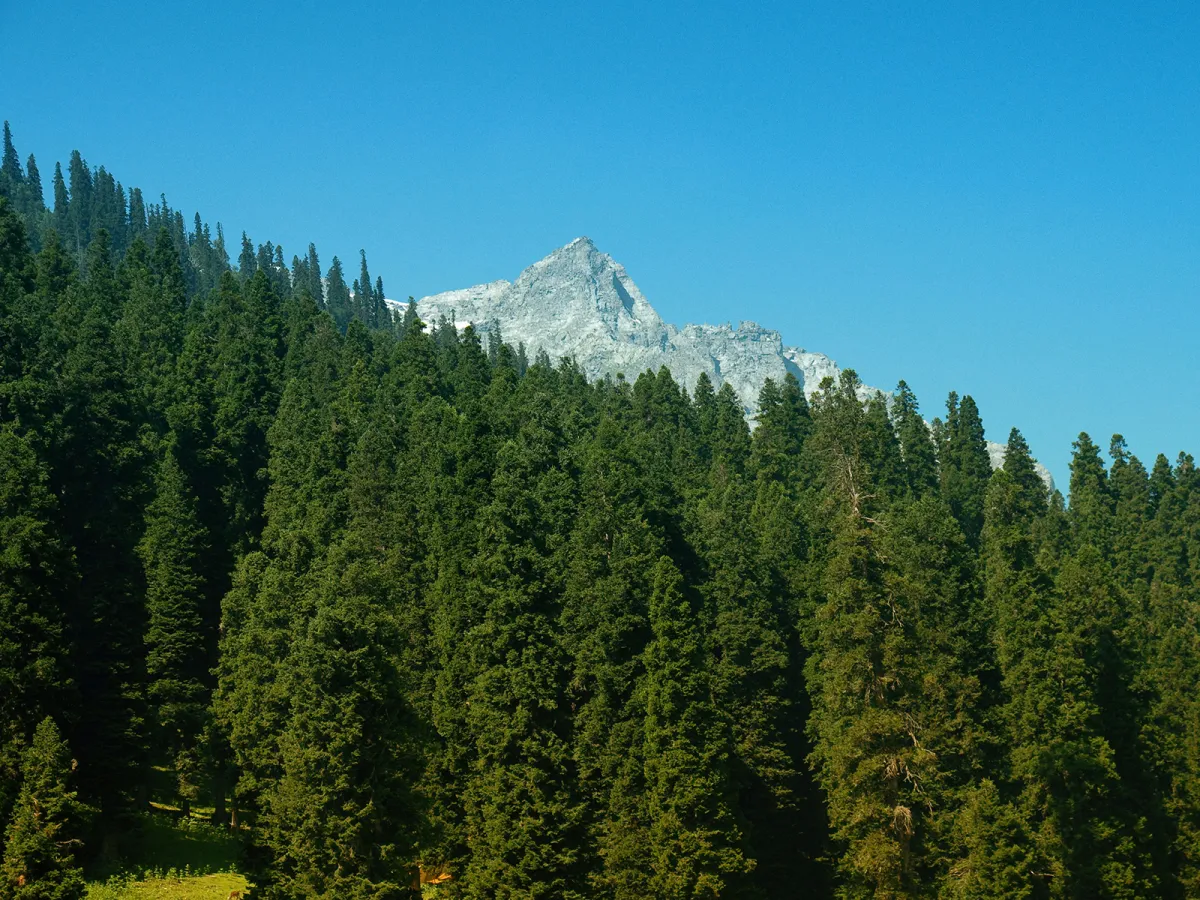
PhotoAlpine meadows of upper Dachigam under western Himalayan peaks.
When to come — honestly

Spring and autumn in the valley.

April – June
Best
Spring, when the hangul gather at lower Dachigam, meadows green and birds are active — the prime window for wildlife and scenery.
September – November
Good
Autumn, crisp and colourful, with the rut and good chances of the hangul before winter.
Dachigam's wildlife is most accessible in spring and autumn, when the hangul move to reachable ground. Winter snow and summer's higher meadows shift the deer's range. Trips should also account for conditions in the valley.
A valley apart

Wildlife in a sensitive land

Kashmir is a politically sensitive region, and its wildlife conservation has unfolded against decades of instability that disrupted protection and research. The hangul's slide is partly a casualty of that, and its recovery depends on stability as much as on biology.

Dachigam sits right beside Srinagar and supplies part of the city's water, tying the park's forests to the valley's people in a direct, practical way.

We plan Kashmir carefully, to conditions on the ground, and focus on Dachigam's wildlife — the hangul above all — with local knowledge guiding the trip.
Beyond the obvious

Three ways to read Kashmir.

PhotoThe hangul in Dachigam

The hangul in Dachigam

Spring or autumn in the park for India's only red deer, on its forested slopes.
PhotoDachigam's forest and meadows

Dachigam's forest and meadows

Himalayan black bear, leopard and alpine wildlife above Srinagar.
PhotoValley wetlands

Valley wetlands

Hokersar and the valley's wetlands for wintering waterbirds.

Why Wild Voyager

We run India on our own ground.

India is one of three countries we run with our own guides and vehicles, not booked through a middleman. In Kashmir that means focusing on Dachigam and the hangul with local knowledge, and planning carefully to conditions in the valley.

We operate it, not a middleman

Our team handles the permits, the zones and the timing, so we answer for your sightings — not a stranger hoping it works out.

We base you in the right zone

Kashmir's wildlife centres on Dachigam, and the hangul is best read with local knowledge of where the deer are each season. We plan it carefully, to the valley and the deer's movements.

We guide for wildlife, not a checklist

Our naturalists work the alarm calls, the tracks and the light — they would rather earn you one real sighting than tick a list.
Journeys

Trips through Kashmir

Wildlife you may see
Leopard

See the hangul
in the Kashmir Valley.

Kashmir offers the hangul, India's only red deer, and Dachigam's alpine wildlife in a valley of rare beauty. We plan it carefully, to conditions, around the wildlife and the seasons.

Plan a Kashmir trip

Field notes, now and then.

Where to go · When to go · Wildlife in season

A few times a year, never more. Unsubscribe anytime. See our Privacy Policy.