Enquire
Home  /  Tanzania  /  Mount Kilimanjaro
National park · The roof of Africa

Mount Kilimanjaro

The highest mountain in Africa, and the highest walk in the world — non-technical, but a serious multi-day climb through five climate zones to a glaciered summit.
Getting there
Fly to Kilimanjaro (JRO); start from Moshi/Arusha
Best for
Trekking to Africa's highest point; no technical climbing
The land
A 5,895m volcano rising alone from the plains
Honest note
A serious trek — altitude, not difficulty, is the test
What it is
You don't climb Kilimanjaro so much as walk up it — but make no mistake, it's hard.
Kilimanjaro is the highest mountain in Africa and the tallest free-standing mountain on Earth, rising alone to 5,895 metres. The remarkable thing is that you can walk to the top — no ropes, no technical climbing — through five climate zones, from rainforest to arctic summit, in a matter of days. That accessibility is the draw and the trap: the mountain is non-technical, but the altitude is real, and reaching Uhuru Peak is a genuine achievement, not a stroll.
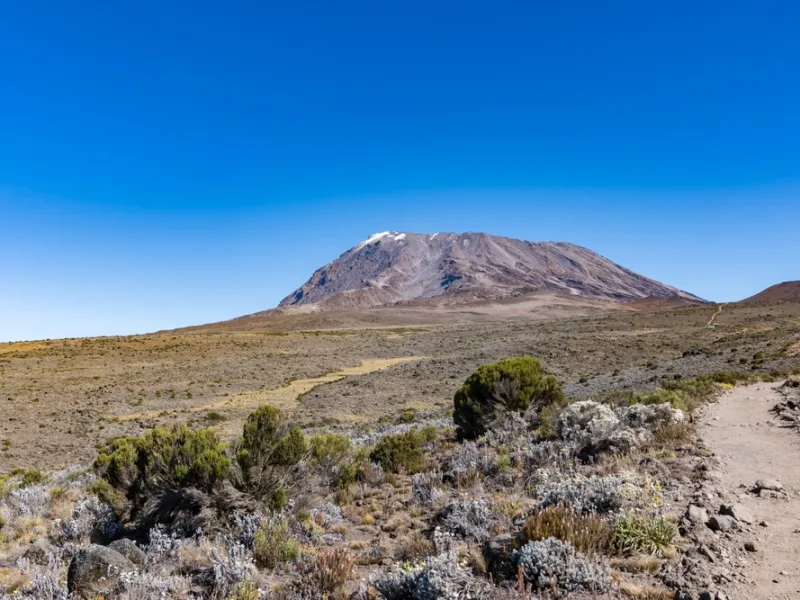
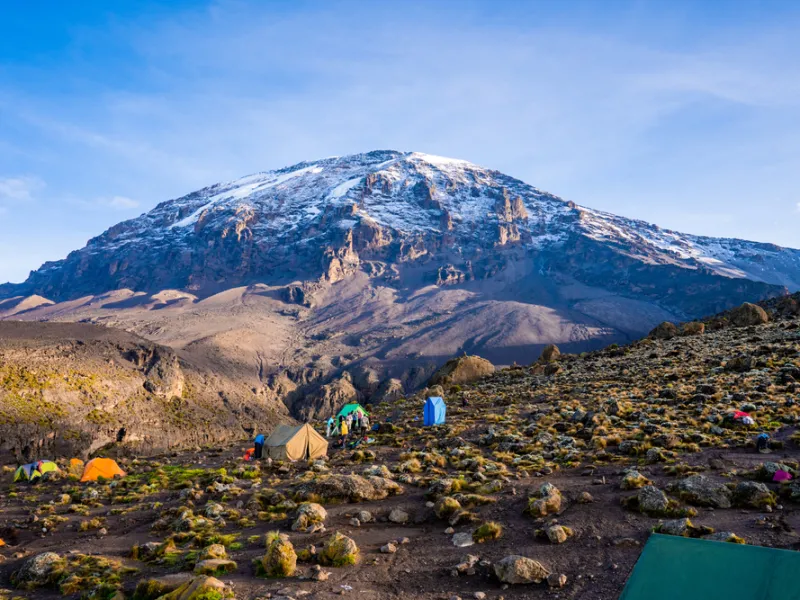
Trekkers crossing the high alpine desert with the glaciered summit ahead.
The reason to come

What the climb involves

Five worlds stacked on one mountain, and a summit that tests everyone.

Five climate zones

From montane rainforest through heath, moorland and alpine desert to an arctic summit — you walk through them all.

Uhuru Peak

At 5,895m, the highest point in Africa and the goal of the climb — reached at dawn after a midnight start.

The routes

Machame, Lemosho, Rongai, Marangu and the Northern Circuit — each with its own scenery, traffic and success rate.

Acclimatisation

Success is mostly about altitude: the slower, longer routes summit far more climbers than the fast ones.

The glaciers

Shrinking ice fields ring the summit — a stark, retreating crown you stand among at the top.

A Kilimanjaro note

The single biggest factor in summiting isn't fitness — it's acclimatisation. Climbers who take a longer route with an extra day on the mountain succeed far more often than fit people who rush a short one. Route and pace are the decisions that matter, and we'd steer you to the ones that get you up.
The decision

The route is the climb

Which route you choose shapes everything — the scenery, the crowds, and crucially your chance of summiting. The longer routes like Lemosho and the Northern Circuit give your body the days it needs to adjust to the altitude, and their success rates show it; the short ones look cheaper and faster on paper and turn back far more people near the top. Choosing the right route, and the right number of days, is the most important thing you do before the first step.
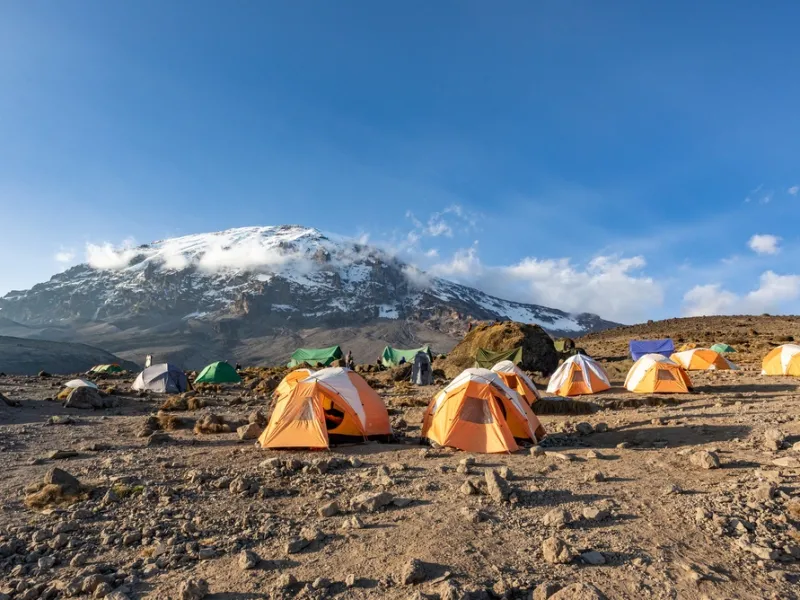
A camp of tents on a high ridge at sunset, the summit looming above.
When to come — honestly

Climb in the dry windows

June – October
Best
Main season — Drier, clearer and the most reliable conditions for the summit — the prime window.
January – February
Good
Second window — Another dry spell, often clear and cold, good for the climb.
The long rains (March–May) and short rains (November) bring wet trails, cloud and poor summit conditions; the dry windows are strongly preferred.
A mountain alone

The free-standing giant

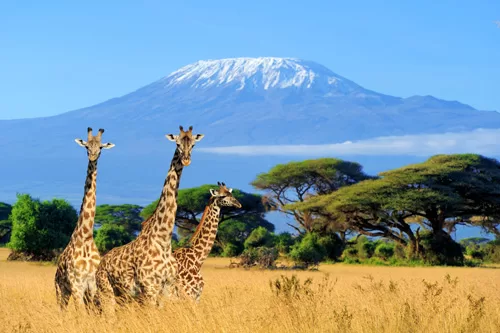
Kilimanjaro is a dormant volcano that rises straight from the plains with no mountain range around it, which is why it's the tallest free-standing mountain on Earth — and why its summit holds glaciers almost on the equator.

Those glaciers are retreating fast; the ice cap you walk among today is a fraction of what it was a century ago, and the mountain is, quietly, one of the clearest places to see a changing climate written on the land.

We've left out the kit lists and permit detail — that's ours to handle. Your decisions are route, days and pace; we manage the rest.

Beyond the obvious

Three things a Kilimanjaro climb does best

The longer routes

The longer routes

Lemosho or the Northern Circuit — the scenic, well-acclimatised ways up.

Summit night

Summit night

The midnight start to reach Uhuru Peak at dawn — the climb's crux.

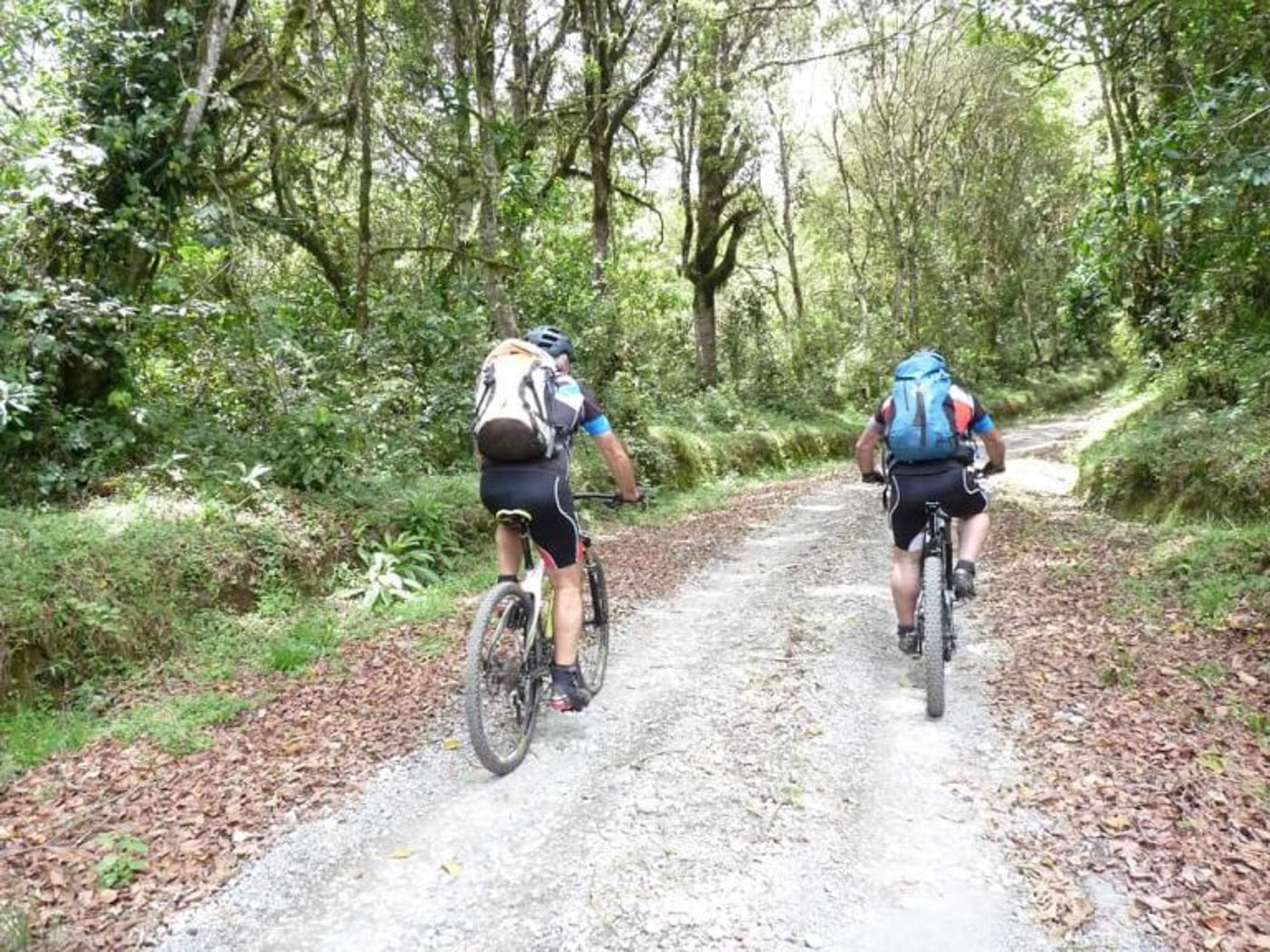
The rainforest base

The rainforest base

The lush montane forest of the lower slopes, full of life.

Why Wild Voyager

A serious climb, run properly

A Kilimanjaro trek is a logistics and safety exercise as much as an adventure — route, acclimatisation, guides, porters. We run our own Tanzania ground and build the climb to get you up.

Our own operation

Guides, porters and route planning under our own control, where pacing and safety decide the summit.

Built to acclimatise

We steer you to the longer, higher-success routes and the extra day that makes the difference.

Mountain, then more

We pair the climb with a northern safari or a Zanzibar recovery — effort, then reward.

Walk to the roof
of Africa.

The right route and pace are what get you to Uhuru Peak — we build the climb to maximise your summit, then add safari or beach.

Plan a Kilimanjaro climb

Field notes, now and then.

Where to go · When to go · Wildlife in season

A few times a year, never more. Unsubscribe anytime. See our Privacy Policy.