Enquire
Home  /  India  /  Ladakh
High-altitude cold desert · Ladakh

Ladakh

The Trans-Himalayan cold desert — snow leopard country, and high lakes of rare cranes.
Getting there
Fly to Leh; high-altitude acclimatisation is essential on arrival
Best for
Snow leopard in winter, Tibetan wildlife and high-altitude birds
The land
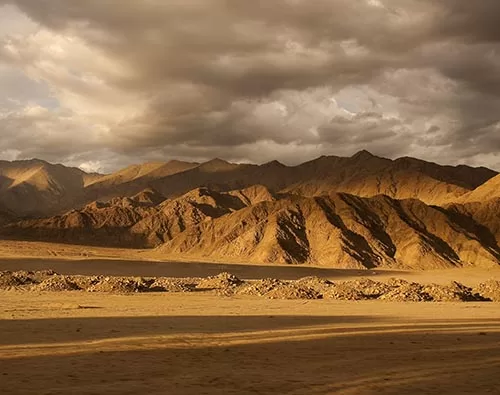
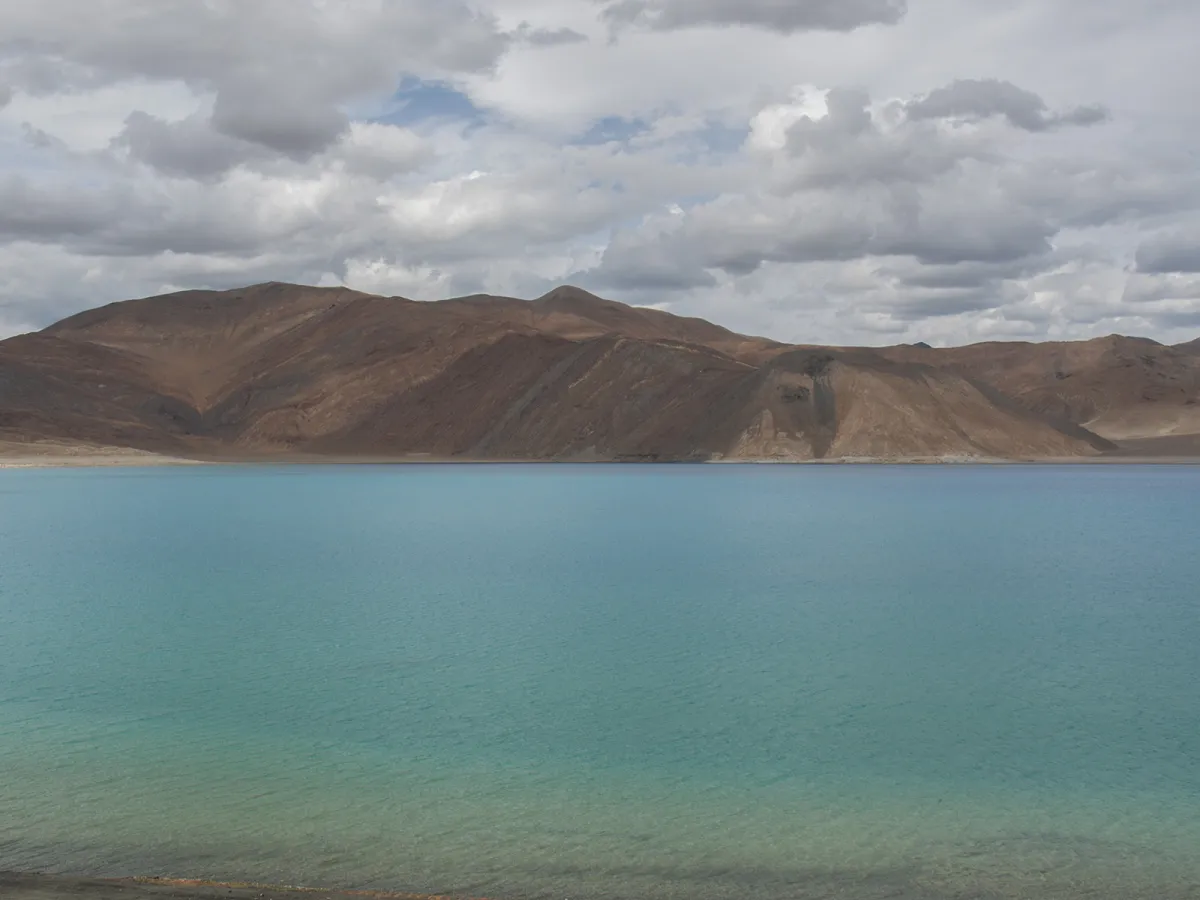
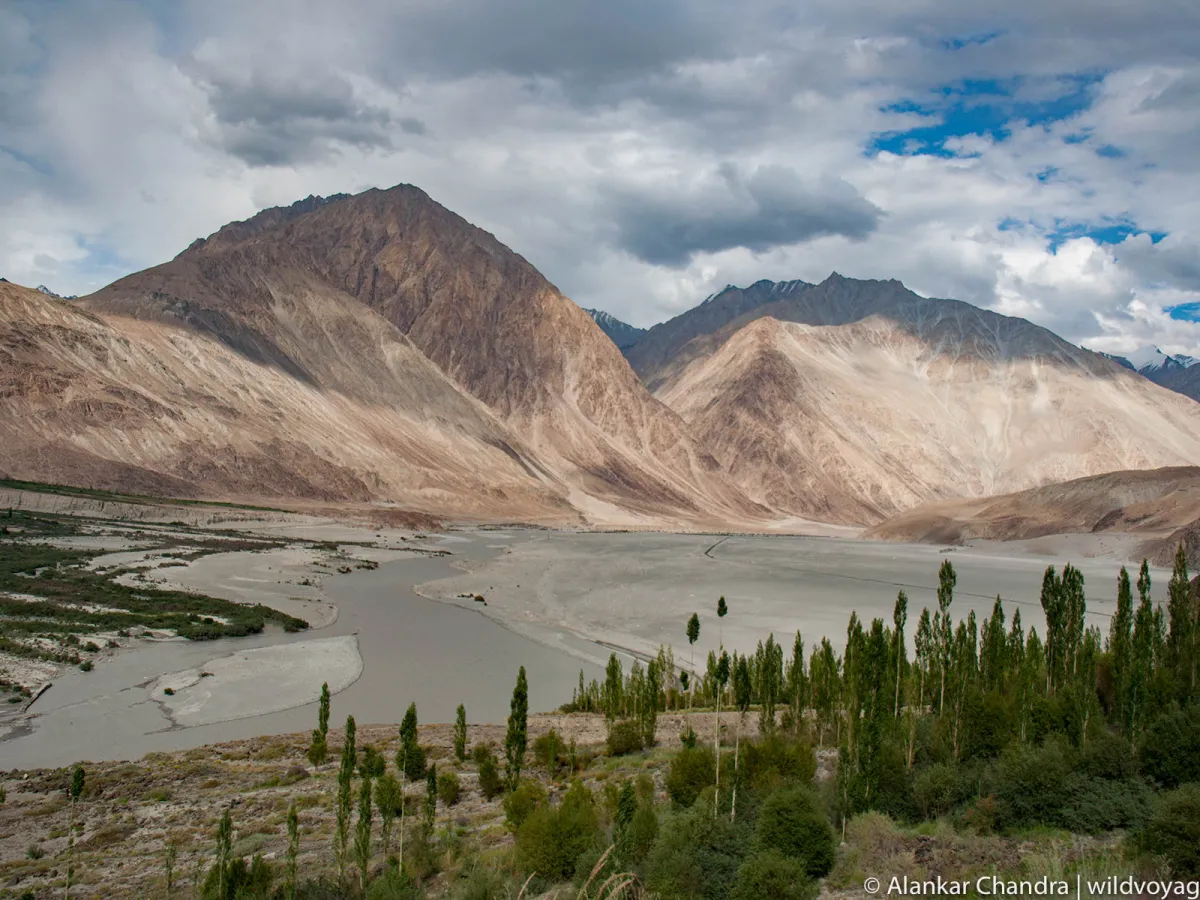
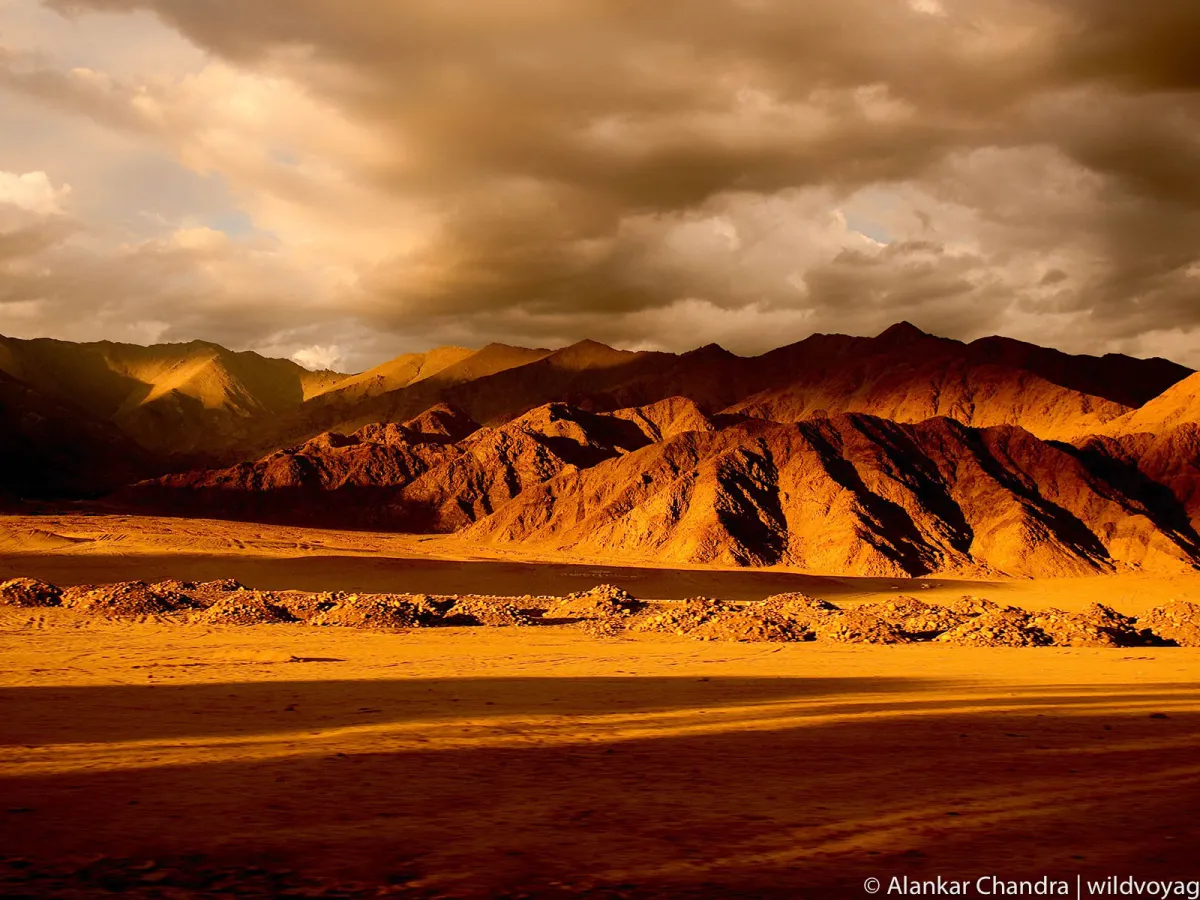
Stark Trans-Himalayan mountains, valleys and high lakes above 3,000 m
Good to know
Very high altitude; winter snow-leopard tracking is cold and demanding
What it is
Ladakh is the cold desert behind the Himalaya — the best place in the world to track a wild snow leopard.
North of the main Himalayan range, Ladakh is a high, stark cold desert of bare mountains and deep valleys — and the premier destination on earth for the snow leopard. In winter, the great cat comes lower to hunt, and patient tracking around Hemis National Park and the Rumbak valley offers a real, if hard-won, chance of seeing one. The same landscape holds Tibetan wolf, blue sheep, ibex, Pallas's cat and, on its high lakes like Tso Moriri, the black-necked crane and bar-headed geese. It is wildlife at altitude, in a Buddhist mountain world.
A snow leopard on a snowy ridge above a Ladakh valley.
The reason to come

The snow leopard

Ladakh is where the snow leopard is most realistically seen in the wild, especially in winter when it descends to hunt blue sheep on accessible slopes. Tracking it — days of scanning ridges with spotters and local trackers in deep cold — is one of the great wildlife pursuits, and a Ladakh sighting is the prize.

Winter tracking

The cold months bring the snow leopard lower; spotters and trackers scan the valleys around Hemis for it.

The supporting wildlife

Tibetan wolf, blue sheep, ibex, urial and the elusive Pallas's cat share the cold desert.

The high lakes

Tso Moriri and Pangong, in summer, hold black-necked cranes and bar-headed geese — high-altitude birding.

An honest note

Snow leopard tracking is cold, high and uncertain — success takes days, patience and luck. The altitude is serious and demands acclimatisation. This is a committing trip, and the reward matches the effort.
Altitude is the challenge

Respect the mountains.

Leh sits above 3,500 m and the tracking valleys higher still, so acclimatisation is not optional — it shapes the whole trip. The same altitude that makes Ladakh harsh is what makes it snow-leopard country, and travelling it well means going slowly and taking the mountains seriously.
Spotters scanning a high ridge with telescopes in the snow.
When to come — honestly

Winter for the leopard, summer for the lakes.

January – March
Best
Deep winter — the snow-leopard tracking season, when the cat comes lower. Cold and demanding, but the prime chance for a sighting.
June – September
Good
Summer, when the high lakes are accessible for black-necked crane and bar-headed geese, and the valleys open for other wildlife.
Ladakh's wildlife seasons split sharply: winter for snow leopard tracking, summer for the high-altitude lakes and birds. The roads and passes close in winter, so winter trips fly in and work the valleys near Leh.
A Buddhist mountain world

Wildlife and a living culture

Ladakh is a Tibetan Buddhist region of monasteries, villages and herders, and its wildlife — especially the snow leopard — lives alongside communities whose livestock it sometimes takes. Conservation here depends on local tolerance and community-run homestays that give the leopard a value.

Snow leopard tourism, done well, channels income to the villages that share the mountains with the cat — turning a livestock predator into an asset, and a reason to protect it.

We run Ladakh with local trackers, spotters and community homestays — the people who find the leopards and live with them, and the only good way to do it.
Beyond the obvious

Three ways to read Ladakh.

Snow leopard tracking

Snow leopard tracking

Winter days scanning the valleys around Hemis with local spotters for the great cat.
Cold-desert wildlife

Cold-desert wildlife

Tibetan wolf, blue sheep, ibex and Pallas's cat in the high mountains.
High-lake birding

High-lake birding

Summer at Tso Moriri and Pangong for black-necked crane and bar-headed geese.

Why Wild Voyager

We run India on our own ground.

India is one of three countries we run with our own guides and vehicles, not booked through a middleman. In Ladakh that means running the tracking with local spotters and community homestays, the people who find the leopards and live alongside them.

We operate it, not a middleman

Our team handles the permits, the zones and the timing, so we answer for your sightings — not a stranger hoping it works out.

We base you in the right zone

Snow leopards in Ladakh are found by local trackers and spotters, not by chance. We run it with them and through community homestays, so the days of cold scanning turn into a real chance.

We guide for wildlife, not a checklist

Our naturalists work the alarm calls, the tracks and the light — they would rather earn you one real sighting than tick a list.
Wildlife you may see
Snow Leopard

Track the snow leopard
in the Ladakh winter.

Ladakh is the world's best snow leopard destination, and a high-altitude wildlife trip like no other. We run the winter tracking and the summer lakes with local trackers and homestays.

Plan a Ladakh trip
Field notes, now and then.

Where to go · When to go · Wildlife in season

A few times a year, never more. Unsubscribe anytime. See our Privacy Policy.