Why it matters
An entire species clings to one saline desert. The khur's survival here is a conservation success and a fragility at once — lose the Little Rann and you lose the animal.
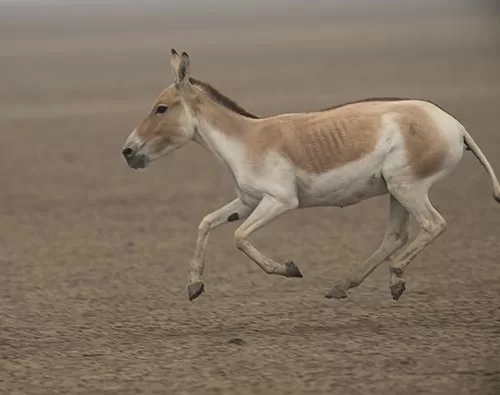
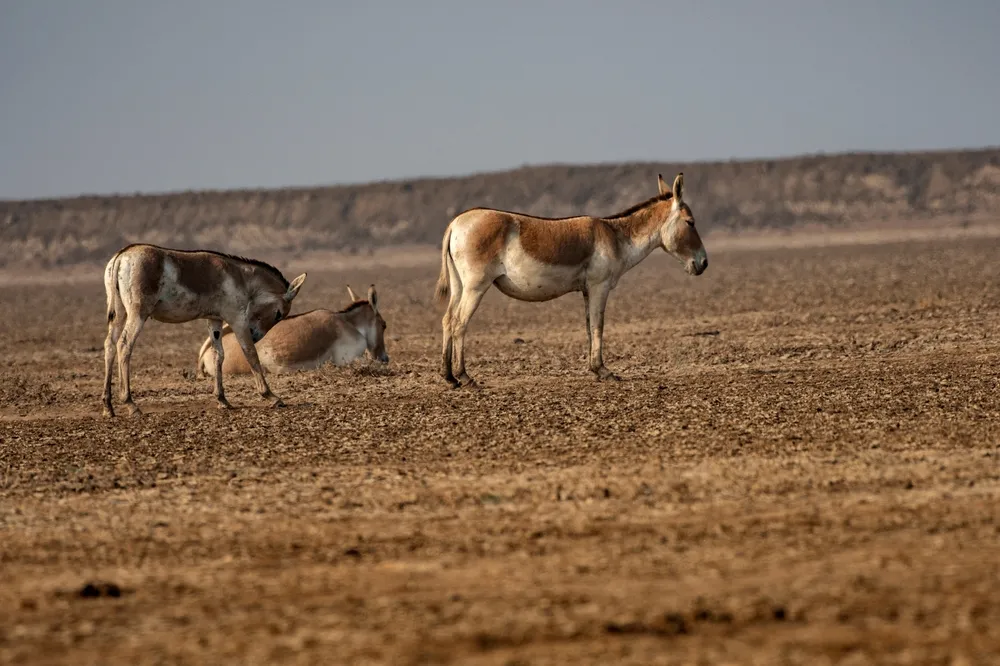
India's only wild ass, found solely in the Little Rann — a recovered population and the sanctuary's reason for being.
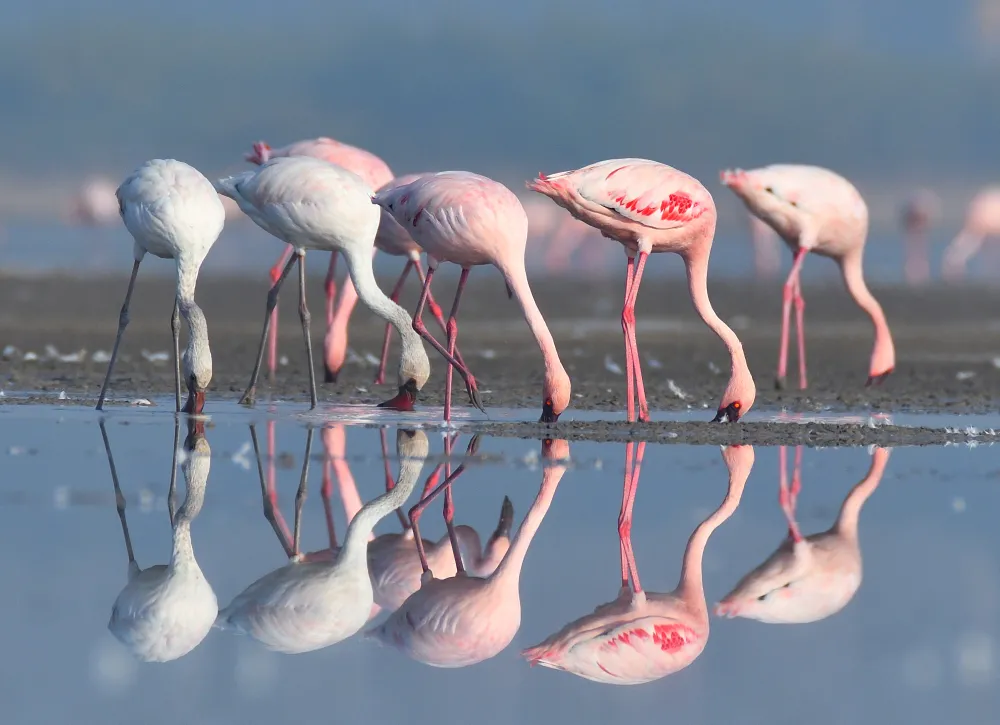
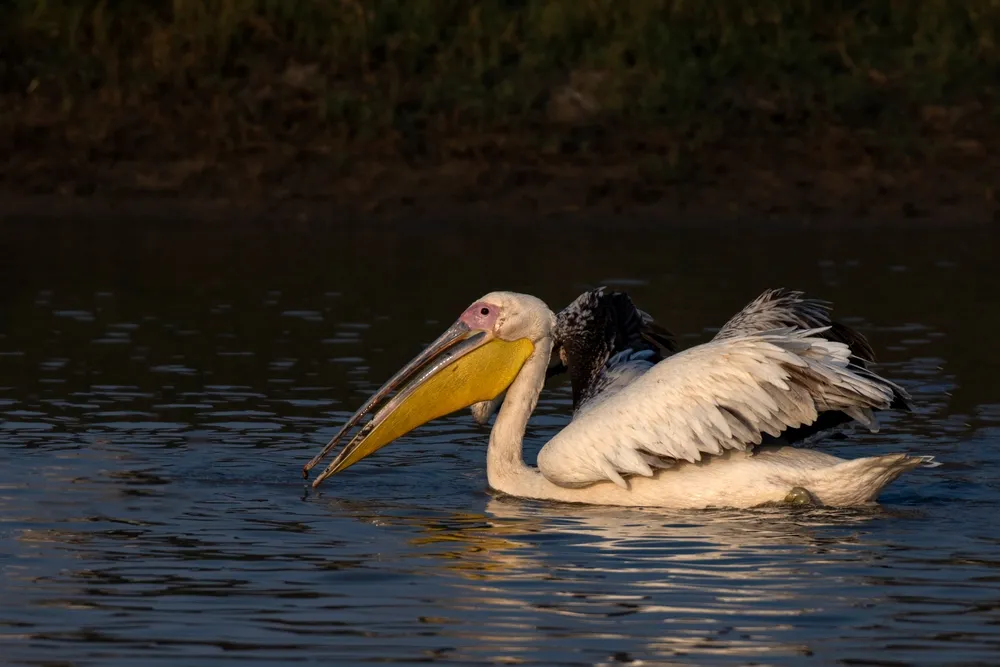
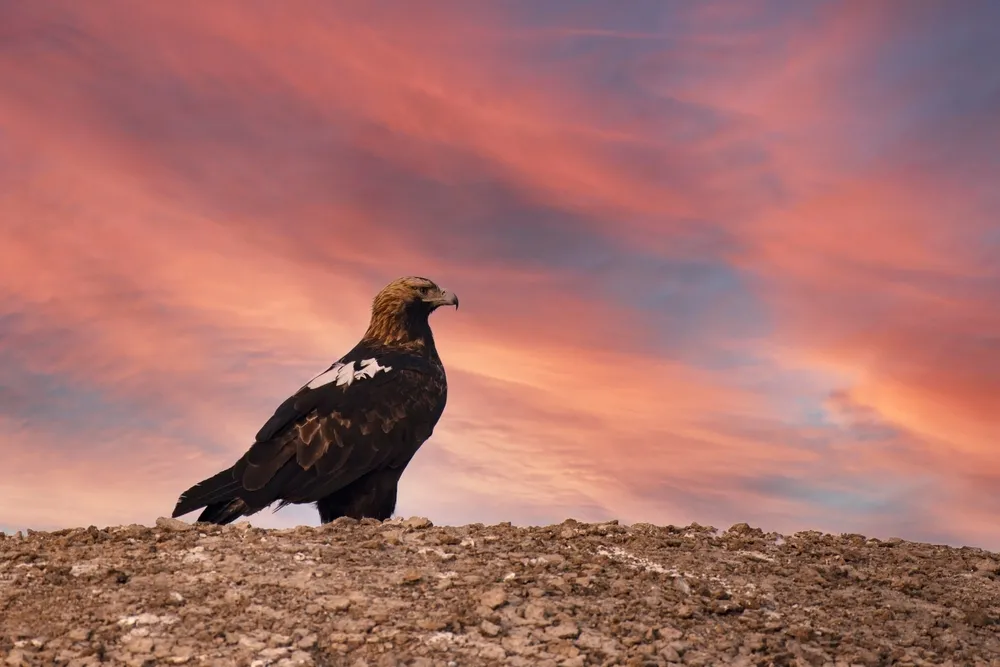
Flamingos, cranes, pelicans and raptors gather on the desert's water and islands in the cool months.
Chinkara, desert fox and wolves share the saline plains — a full desert community.
An entire species clings to one saline desert. The khur's survival here is a conservation success and a fragility at once — lose the Little Rann and you lose the animal.
The Little Rann is worked for salt by the Agariya community, who pan it through the dry season, living out on the flats — a hard livelihood that coexists with the wild ass and the birds. The sanctuary is a lived-in landscape, not an empty one.
Pressure from salt-panning, industry and changing water flows shapes the desert's future, and managing the balance between livelihood and the khur's habitat is the central challenge.
We read the Little Rann as both wild ass refuge and working salt desert, and pair it with the Great Rann and Gir for a full Gujarat trip.
Open-desert drives for herds of the khur — the animal found nowhere else.
Flamingos, cranes and pelicans on the desert's shallow water and islands.
The chinkara, fox, wolves and raptors that complete the desert community.
Our team handles the permits, the zones and the timing, so we answer for your sightings — not a stranger hoping it works out.
The Little Rann is open desert best read with guides who know the bets and the herds. We work it for the wild ass and the winter birds, paired with the Great Rann and Gir.
Our naturalists work the alarm calls, the tracks and the light — they would rather earn you one real sighting than tick a list.
The Little Rann's wild ass, Gir's lions and the Great Rann's flamingos make a complete Gujarat wildlife trip — three landscapes, three signatures. We route them as one.
Plan a Little Rann trip