Enquire
Home  /  India  /  Mangalajodi
Wetland bird haven · Odisha

Mangalajodi

A marsh where poachers became protectors — and the winter sky fills with waterbirds.
Getting there
~1.5 hr drive from Bhubaneswar, on the edge of Chilika Lake
Best for
Vast winter congregations of migratory waterbirds, by country boat
The land
Reed-fringed wetland on the northern edge of Chilika Lake
Good to know
A winter destination; explored quietly by small boat
What it is
Mangalajodi is a conservation story as much as a place — the village that stopped shooting its birds and started protecting them.
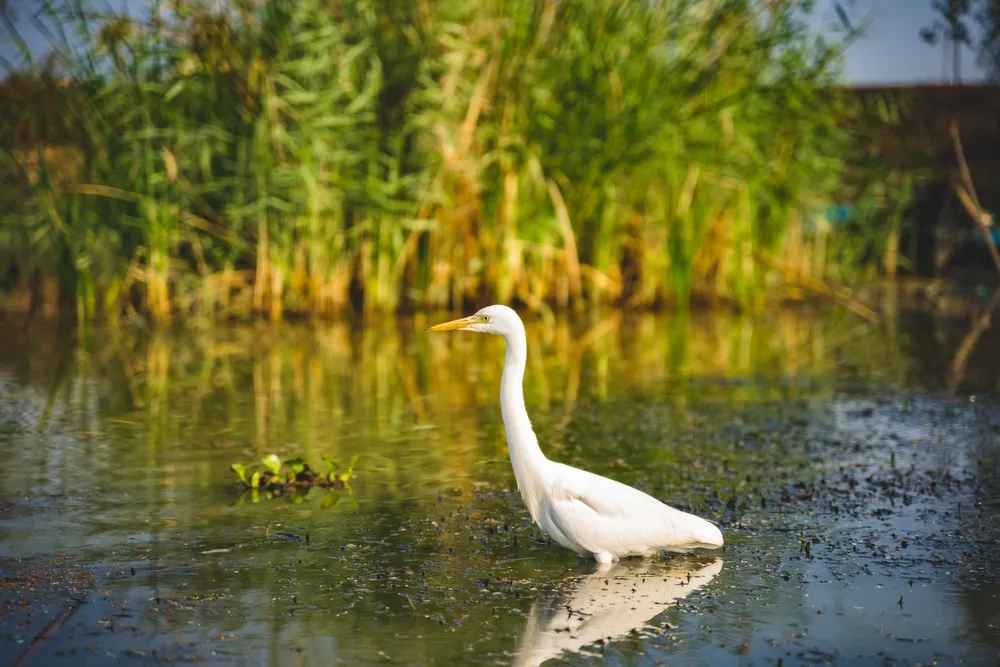
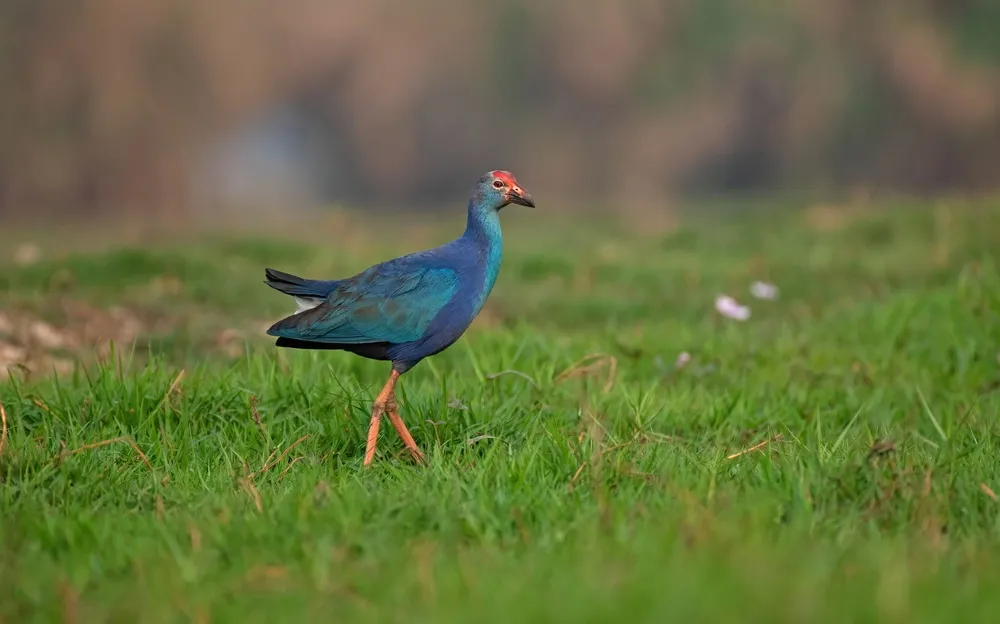
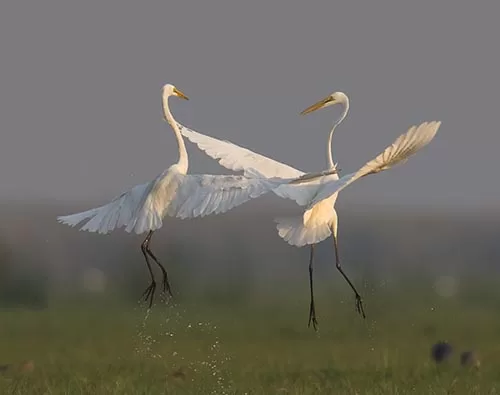
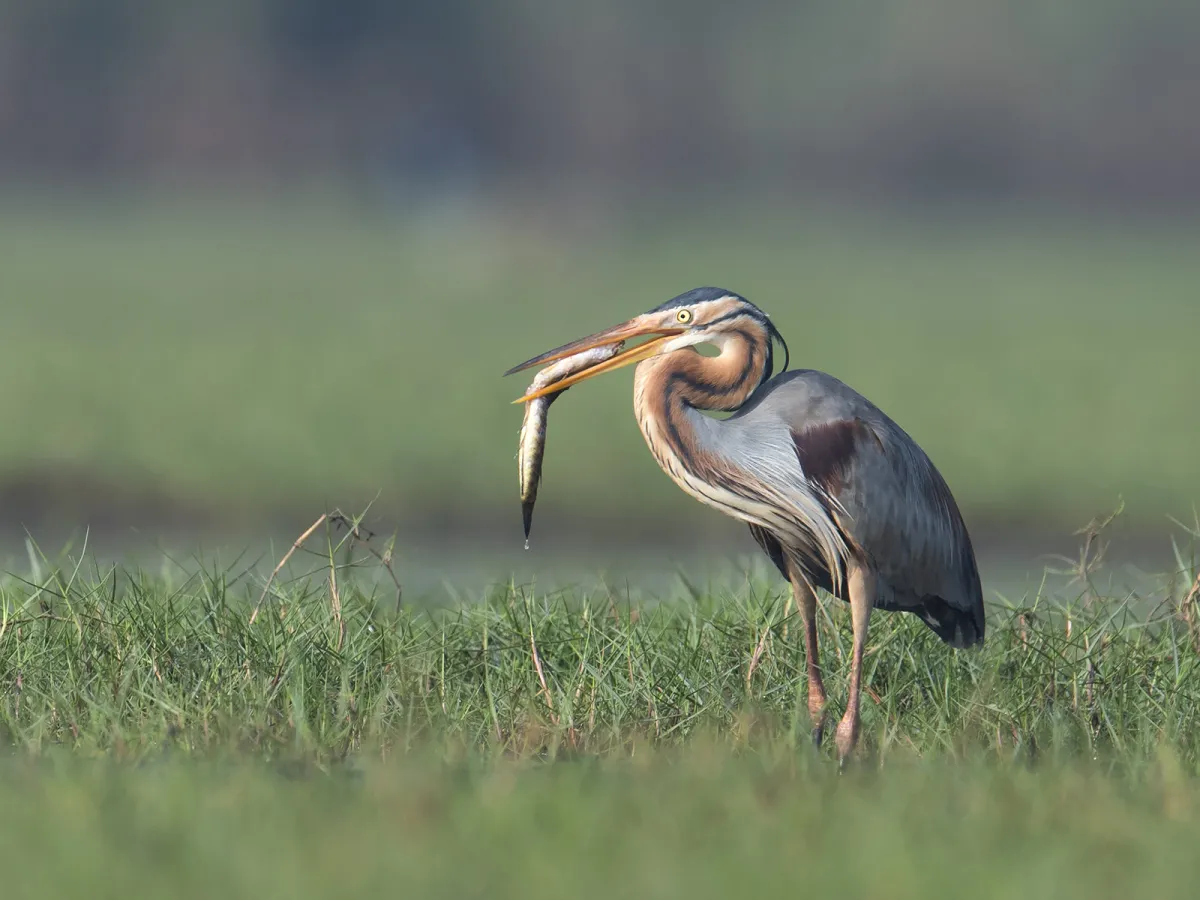
On the reedy northern edge of Chilika Lake, Mangalajodi fills each winter with enormous numbers of migratory waterbirds — ducks, waders, godwits, jacanas and more, drawn to the marsh in their tens of thousands. What makes it remarkable is the story behind it: a community of former bird poachers who turned into the wetland's protectors and now guide visitors by country boat through the birds they once hunted. It is one of the most uplifting wildlife experiences in India, and one of its best winter birding sites.
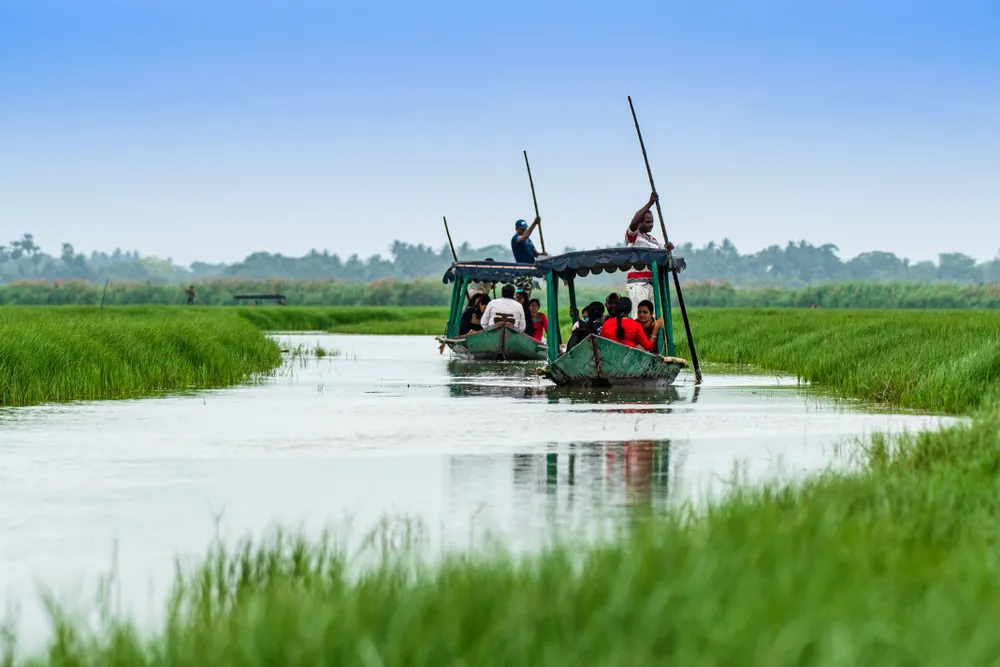
PhotoA country boat drifting among waterbirds in reedy Chilika marsh.
The reason to come

Poachers turned protectors

Mangalajodi's transformation — from a village that trapped and shot waterbirds for market to one that guards and guides them — is among the great community conservation stories in India. The boatmen poling you through the marsh are often the very people, or their families, who once hunted there.

The turnaround

A community that swapped poaching for protection and guiding — a model of how conservation can be made to pay locally.

The winter birds

Tens of thousands of migratory waterbirds pack the marsh in the cool months — a spectacle of numbers and variety.

The quiet boats

Poled country boats let you drift close to the birds without disturbing them — intimate, low-impact and beautiful.

Why it matters

Mangalajodi proves that the people who once threatened wildlife can become its best guardians when they have a stake in it — a lesson far beyond this one marsh.
Conservation that pays

Why the model works.

Mangalajodi's birds are safe because protecting them now feeds the community, through guiding and tourism, better than poaching ever did. It is one of the clearest examples in India of conservation aligned with local livelihood — and the reason the marsh is alive with birds rather than empty.
PhotoA former poacher, now a guide, poling his boat through the reeds.
When to come — honestly

A winter wetland.

November – February
Best
The peak winter months, when migratory waterbirds pack the marsh in their greatest numbers — the signature season.
October & March
Good
Shoulder months at the edges of migration, still good for birds with fewer crowds.
Mangalajodi is a cool-season destination — the migratory birds arrive in winter and leave by spring. The monsoon and summer are quiet. Come in the winter months for the full spectacle, ideally at dawn on the water.
A village and its lake

Chilika's living edge

Mangalajodi sits on Chilika, India's largest brackish lagoon and a wetland of international importance, and the marsh's health is tied to the lake's. The community's stewardship is part of a wider effort to keep Chilika and its birdlife thriving.

The turnaround here was driven by local people and conservationists working together, and the boatmen's livelihoods now depend on the birds — which is exactly why they protect them.

We visit Mangalajodi with the community boatmen-guides whose story is the place — the birding and the conservation are the same experience here.
Beyond the obvious

Three ways to read Mangalajodi.

PhotoDawn on the marsh

Dawn on the marsh

A poled boat among the waterbirds at first light — the heart of Mangalajodi.
PhotoThe conservation story

The conservation story

Time with the boatmen-guides whose turnaround made the marsh what it is.
PhotoChilika beyond

Chilika beyond

The wider lagoon, with its dolphins and other birdlife, on a longer Odisha route.

Why Wild Voyager

We run India on our own ground.

India is one of three countries we run with our own guides and vehicles, not booked through a middleman. In Mangalajodi that means visiting with the community boatmen-guides, whose protection of the marsh is the reason the birds are there at all.

We operate it, not a middleman

Our team handles the permits, the zones and the timing, so we answer for your sightings — not a stranger hoping it works out.

We base you in the right zone

Mangalajodi works through its community boatmen, who know the marsh and the birds. We visit with them, at dawn, so the birding and the conservation story come together as they should.

We guide for wildlife, not a checklist

Our naturalists work the alarm calls, the tracks and the light — they would rather earn you one real sighting than tick a list.

Journeys

Trips through Mangalajodi

Wildlife you may see
Birds

Pair Mangalajodi with Bhitarkanika,
for the Odisha wetlands.

Mangalajodi's waterbirds and Bhitarkanika's crocodile creeks make an exceptional, little-known Odisha wildlife trip. We route the wetland and the coast together.

Plan a Mangalajodi trip
Field notes, now and then.

Where to go · When to go · Wildlife in season

A few times a year, never more. Unsubscribe anytime. See our Privacy Policy.