Getting there
By road from Cusco, descending the Manu road into the Amazon
Best for
Macaw clay licks, jaguars, giant otters, cloud forest, monkeys, the cock-of-the-rock, biodiversity
The land
A vast park descending from high cloud forest to lowland Amazon
Good to know
Manu spans the greatest altitude range of any park, giving it unrivalled biodiversity
What it is
Manu is the most biodiverse park on earth — descending from Andean cloud forest to lowland Amazon, with macaw clay licks, jaguars and giant otters.
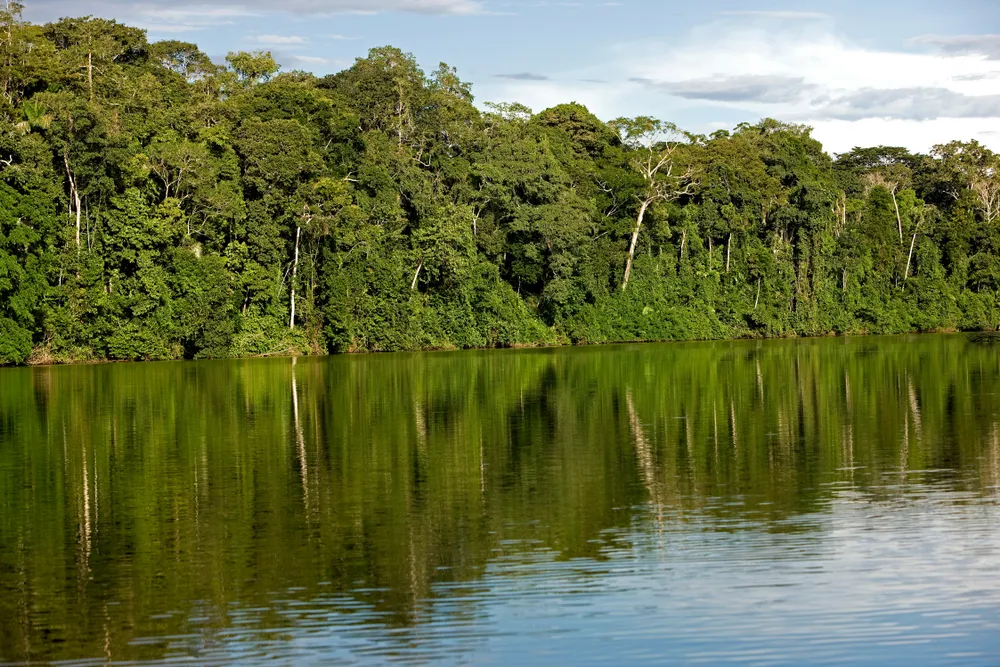
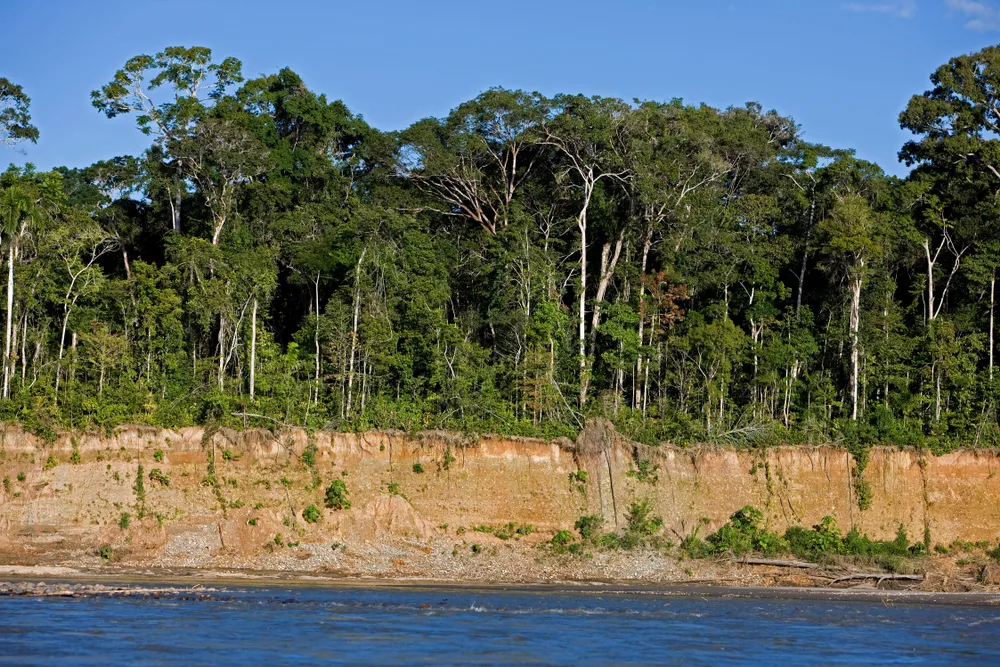
Spanning the greatest altitude range of any protected area, Manu National Park falls from high cloud forest — where the cock-of-the-rock displays — to pristine lowland Amazon. Its riverbanks hold spectacular macaw clay licks, its oxbow lakes giant otters, and its forests jaguars, tapirs, thirteen monkey species and over a thousand birds — biodiversity unmatched anywhere.
The reason to come
The richest park
Manu holds the greatest biodiversity of any park on earth.
Macaw clay licks
Hundreds of macaws and parrots at the riverbank licks.
Cloud forest to Amazon
The full descent through every Andean habitat.
Jaguars & otters
Jaguars, tapirs and giant otters in the lowland forest.
Worth knowing
The most biodiverse park
Manu's altitude range, from cloud forest to Amazon, gives it the greatest biodiversity of any park on earth.
When to come — honestly
A year-round rainforest.
May – October
Best
The dry season — the best access and clay-lick activity.
Year-round
Good
A year-round rainforest; the dry season is easiest.
November – April
Good
The green season — lush, wet and bird-rich.
The descent road and Amazon access are best in the dry season; clay-lick activity depends on dry weather.
Context
The biodiversity crown
Manu is the centrepiece of Peru's wildlife — the most biodiverse park on the planet.
It anchors nearly every Peru wildlife itinerary.
We base Manu through its descent, from cloud-forest lodges to lowland river camps, for clay licks and otters.
Beyond the obvious
More to Manu National Park.
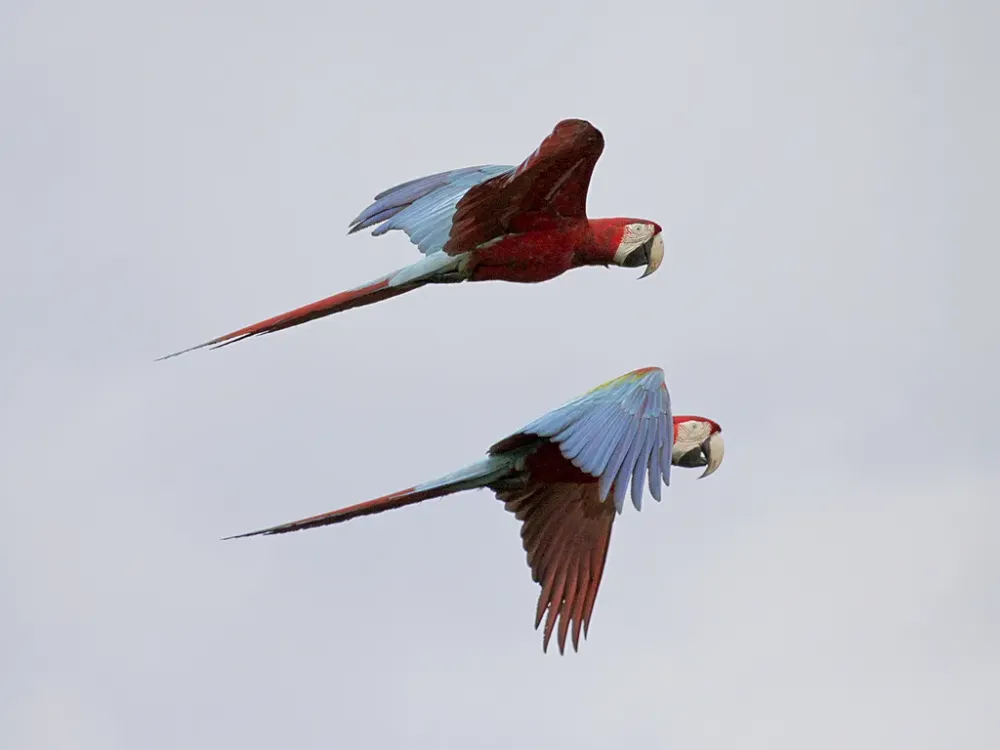
Macaw clay licks
Hundreds of macaws.
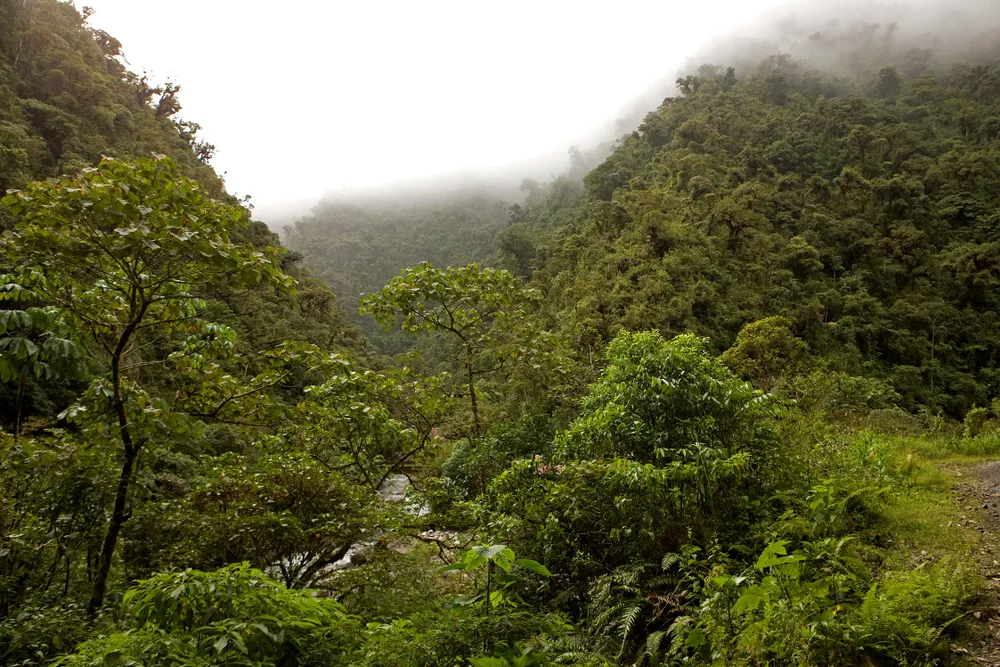
Cloud-forest descent
Through every habitat.
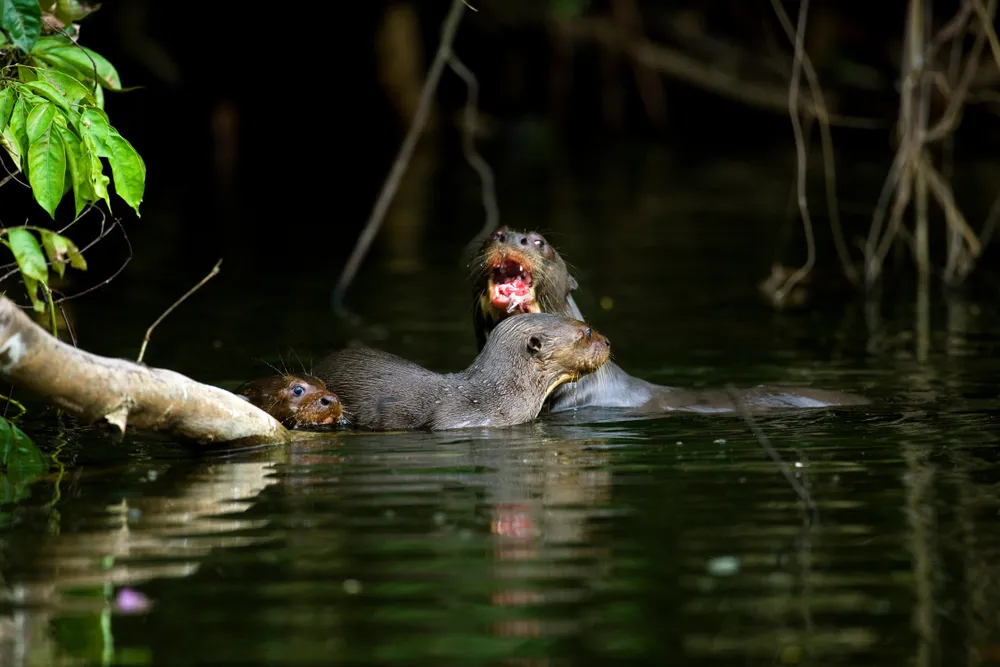
Giant otters
On the oxbow lakes.
Why Wild Voyager
We pair the Andes and Amazon without the rush.
Peru's wildlife — Manu, Tambopata, the cloud forest — sits beyond its famous ruins. We build the route so the wildlife leads, with Machu Picchu and the Andes woven in at the right pace.
Handpicked stays
We choose the lodge and guides that fit your goals, not whatever is left.
We time it right
We build your visit around the season and the wildlife that delivers.
Where to stay
Where you can stay in Manu
Signature Collection
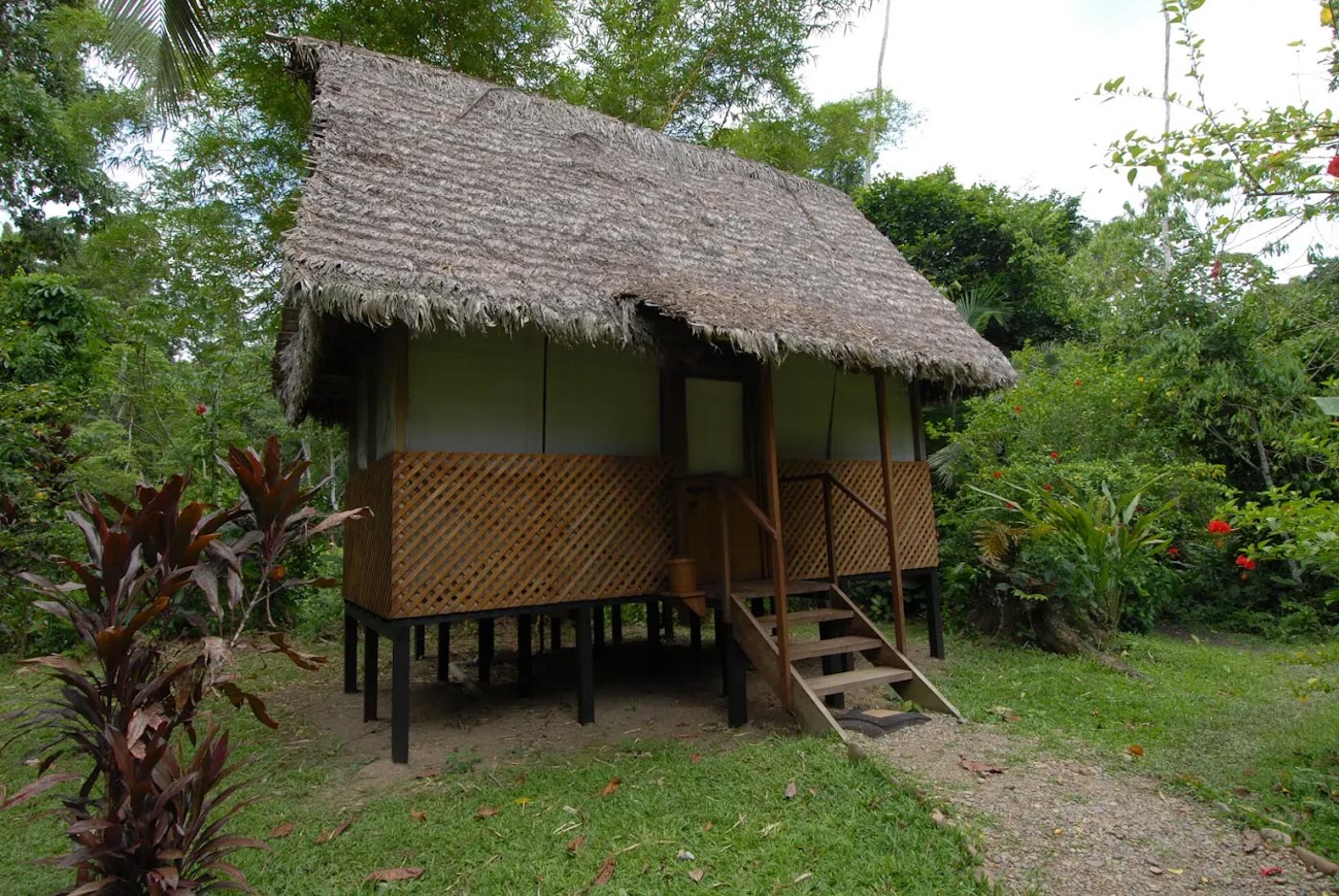
Classic Collection
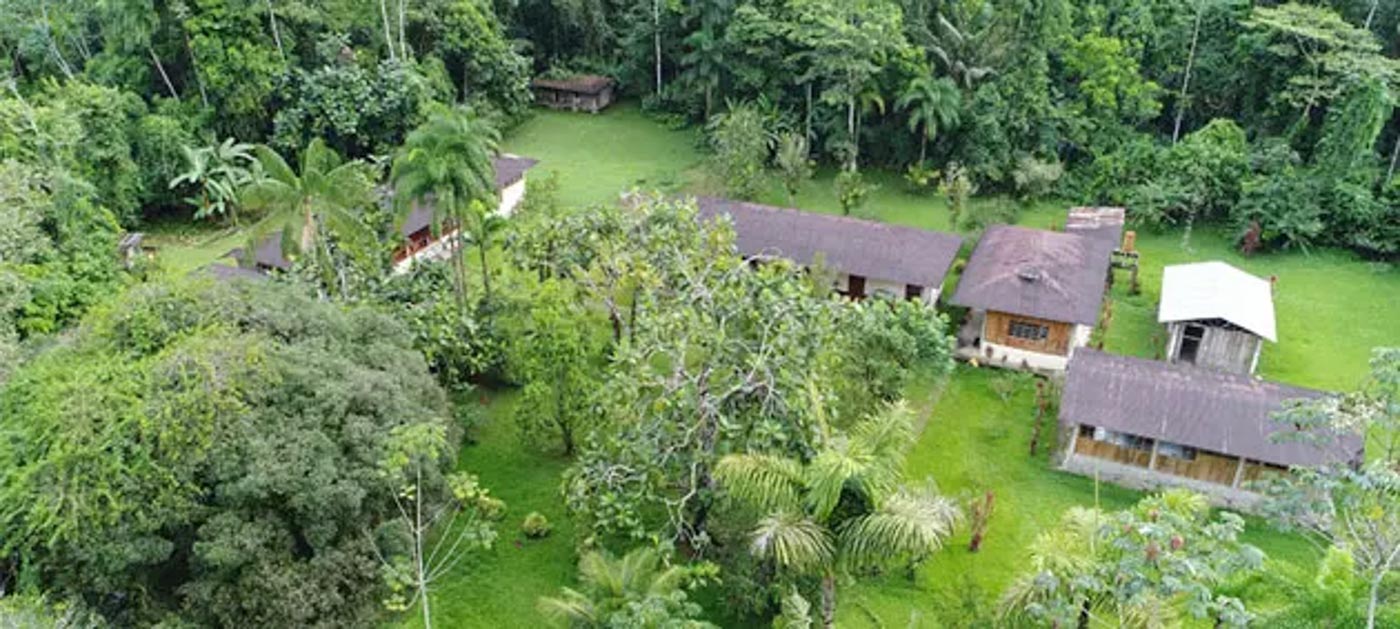
Plan your Manu National Park trip.
Descend through Manu for clay licks and jaguars. Tell us your dates and we will build the route around it.
Plan a trip