Enquire
Home  /  Bhutan  /  Phobjikha Valley
Glacial valley & cranes · Bhutan

Phobjikha Valley

A wide glacial bowl where black-necked cranes winter — Bhutan's great wildlife spectacle.
Getting there
~2.5 hr drive from Punakha via the Gangtey region
Best for
Black-necked cranes (late Oct–Feb), the Gangtey nature trail, high-valley scenery
The land
A broad, marshy glacial valley at ~2,900 m below Gangtey Goemba
Good to know
The cranes arrive from Tibet in late October and leave in February — winter is the season
What it is
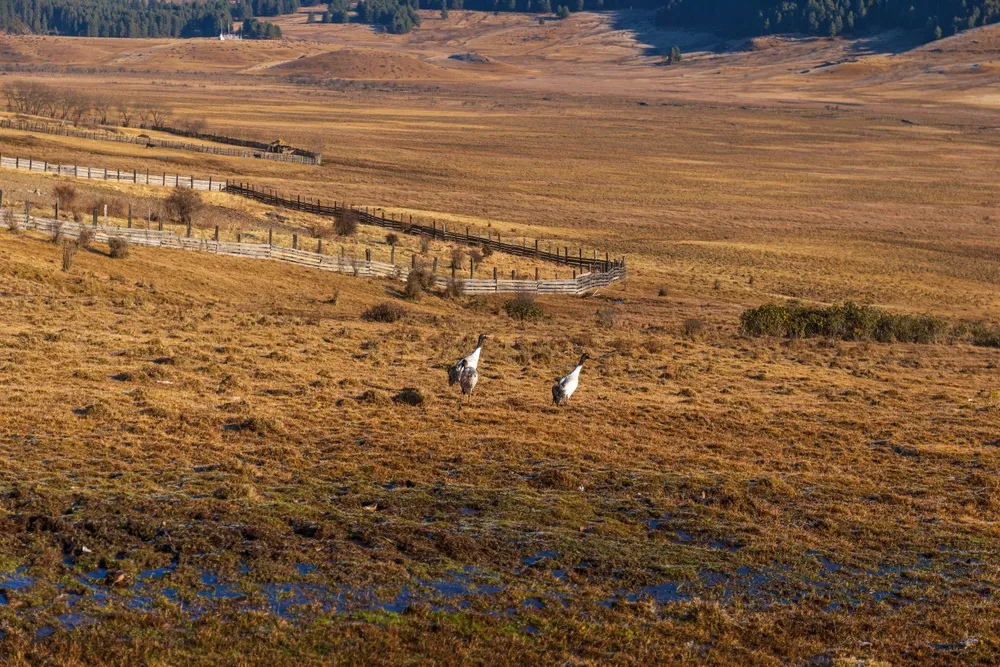
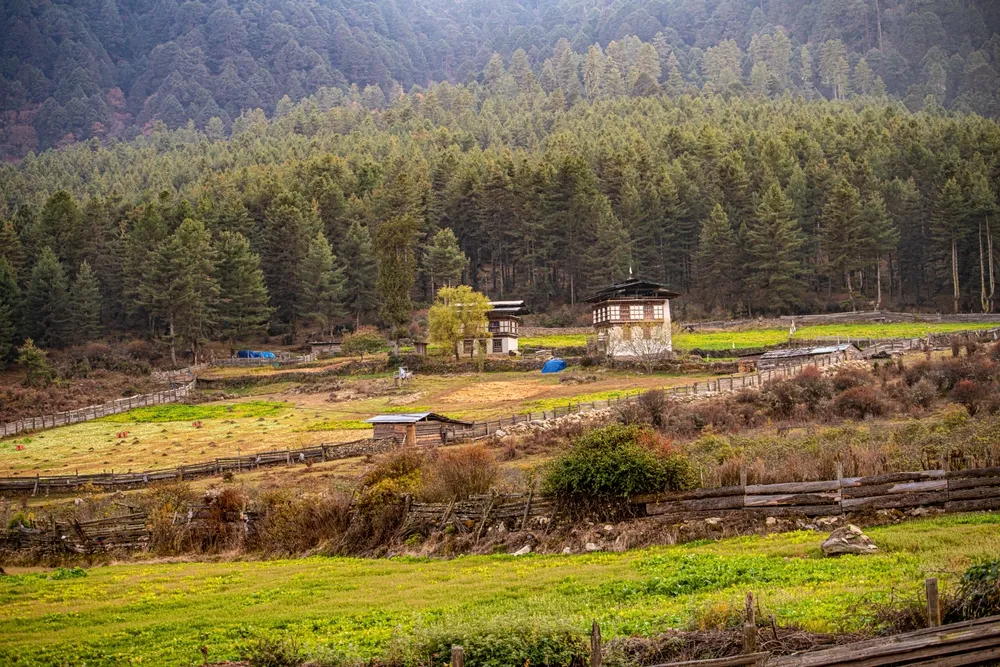
Phobjikha is Bhutan's wildlife showpiece — a wide glacial valley where hundreds of black-necked cranes spend the winter.
Each year the globally vulnerable black-necked crane migrates from the Tibetan plateau to roost in this marshy bowl below Gangtey monastery. The valley is protected for them, with a crane centre, a gentle nature trail, and a famous circumambulation the birds are said to make of the monastery on arrival.
PhotoPhobjikha Valley — glacial valley & cranes.
The reason to come

The black-necked cranes

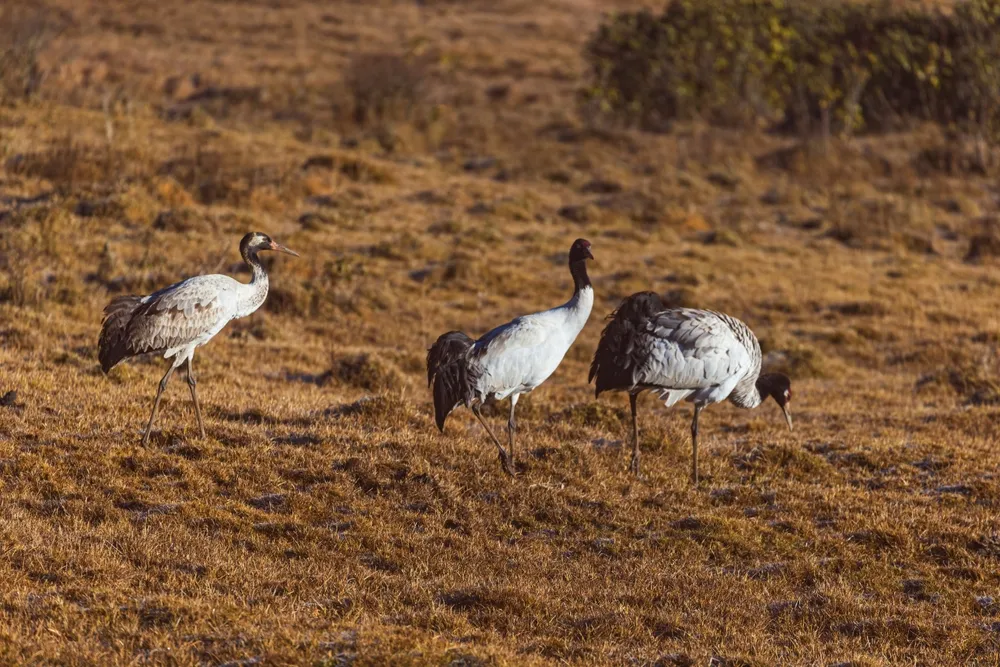
From late autumn the valley fills with cranes — the reason Phobjikha is on every Bhutan wildlife journey.

Crane roosts

Hundreds of cranes feeding and calling across the marsh through winter.

The crane centre

RSPN's observation hides and the story of their protection.

Gangtey nature trail

An easy loop through the valley below the monastery.

Worth knowing

Conservation you can see

Phobjikha is a working example of a community protecting a species — power lines were buried underground to keep the cranes safe.
PhotoBlack-necked cranes in the marshy floor of the Phobjikha valley.
When to come — honestly

A winter wildlife valley.

November – February
Best
The cranes are in residence — the only window for the spectacle.
March – May
Good
Cranes gone, but green valley walks, wildflowers and clear air.
September – October
Good
Crisp and quiet; the first cranes may arrive by late October.
The cranes define the visit: roughly late October to February. Outside that the valley is beautiful but the birds are gone, and nights are cold year-round at this altitude.
Context

A valley kept for cranes

Phobjikha is managed around the cranes — even the local power lines were laid underground to protect them in flight.

It is the wildlife centrepiece of a western Bhutan circuit, paired with Paro and Punakha.

We time Phobjikha to the crane season and base you for dawn and dusk at the roosts.

Beyond the obvious

More to Phobjikha Valley.

PhotoCrane watching

Crane watching

From the hides and the valley floor through winter.
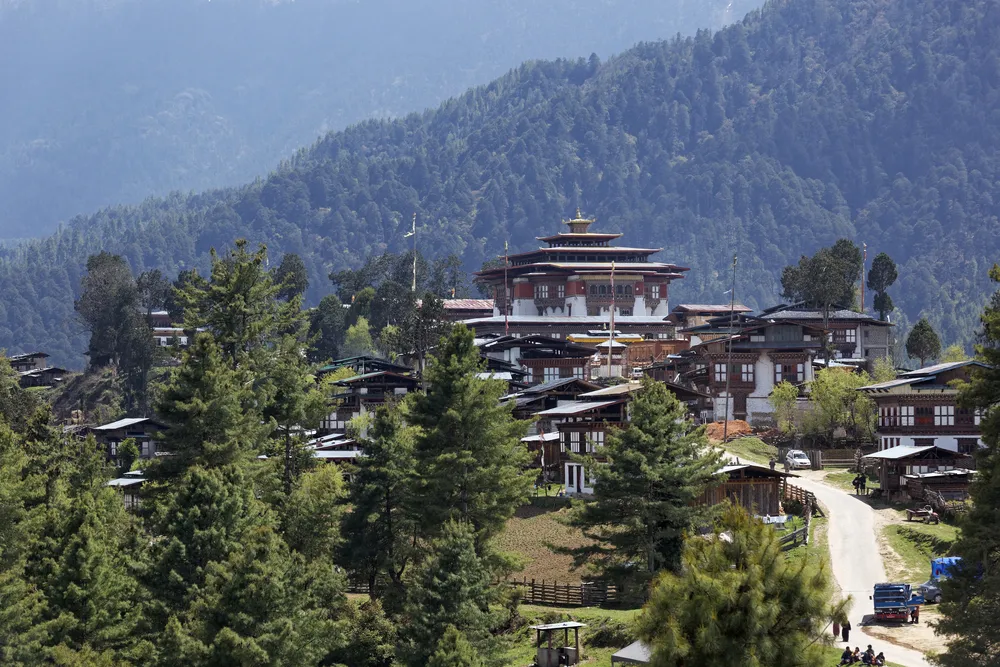
PhotoGangtey Goemba

Gangtey Goemba

The hilltop monastery over the valley.
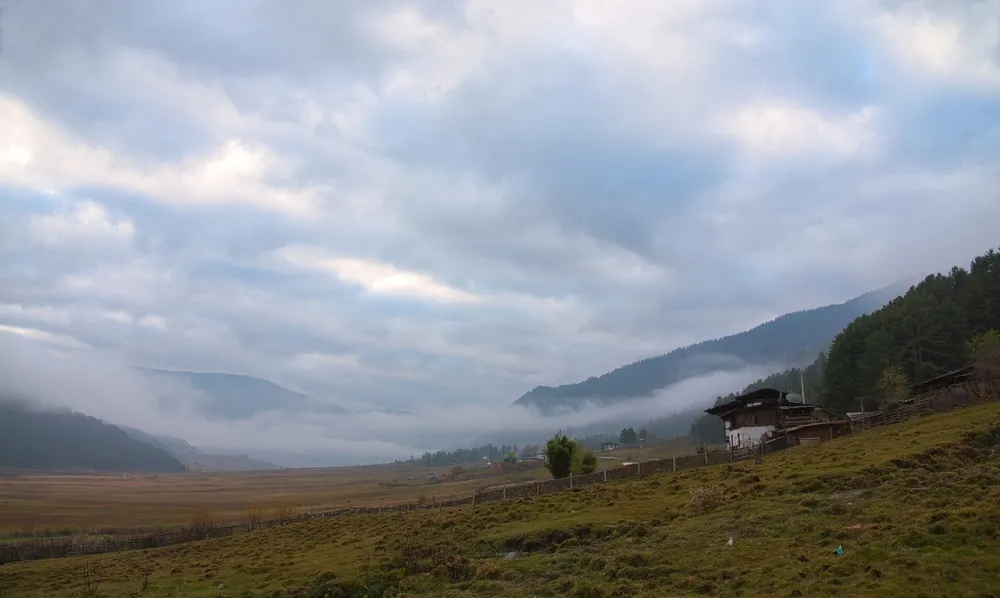
PhotoNature trail

Nature trail

The gentle Gangtey loop through farmland and forest.

Why Wild Voyager

We make Bhutan's red tape vanish.

Bhutan must be travelled with a licensed operator — we handle the Sustainable Development Fee, the permits and the best naturalist guides, so all you do is travel.

Handpicked camps

We choose the lodge and guiding that fit your dates and pace, not whatever is left.

We time it right

We build your visit around the season that delivers — cranes, whales, fruiting-season bears or breeding birds.

Wildlife you may see
Birds

Plan your Phobjikha Valley journey.

Watch the black-necked cranes and walk the Gangtey valley. Tell us your dates and we will build the route around it.

Plan a Phobjikha Valley trip

Field notes, now and then.

Where to go · When to go · Wildlife in season

A few times a year, never more. Unsubscribe anytime. See our Privacy Policy.