Enquire
Home  /  India  /  Sariska National Park
Tiger reserve · Rajasthan

Sariska National Park

The reserve that lost its tigers, then rebuilt them — in the Aravalli hills near Delhi.
Getting there
~4 hr drive from Delhi; ~2.5 hr from Jaipur
Best for
An accessible tiger reserve with temples and forts inside it
The land
Dry Aravalli hills and forest, with ruins and a hilltop temple
Good to know
Lower tiger density than Ranthambhore; a recovery in progress
What it is
Sariska is the cautionary tale and the second chance, an easy drive from the capital.
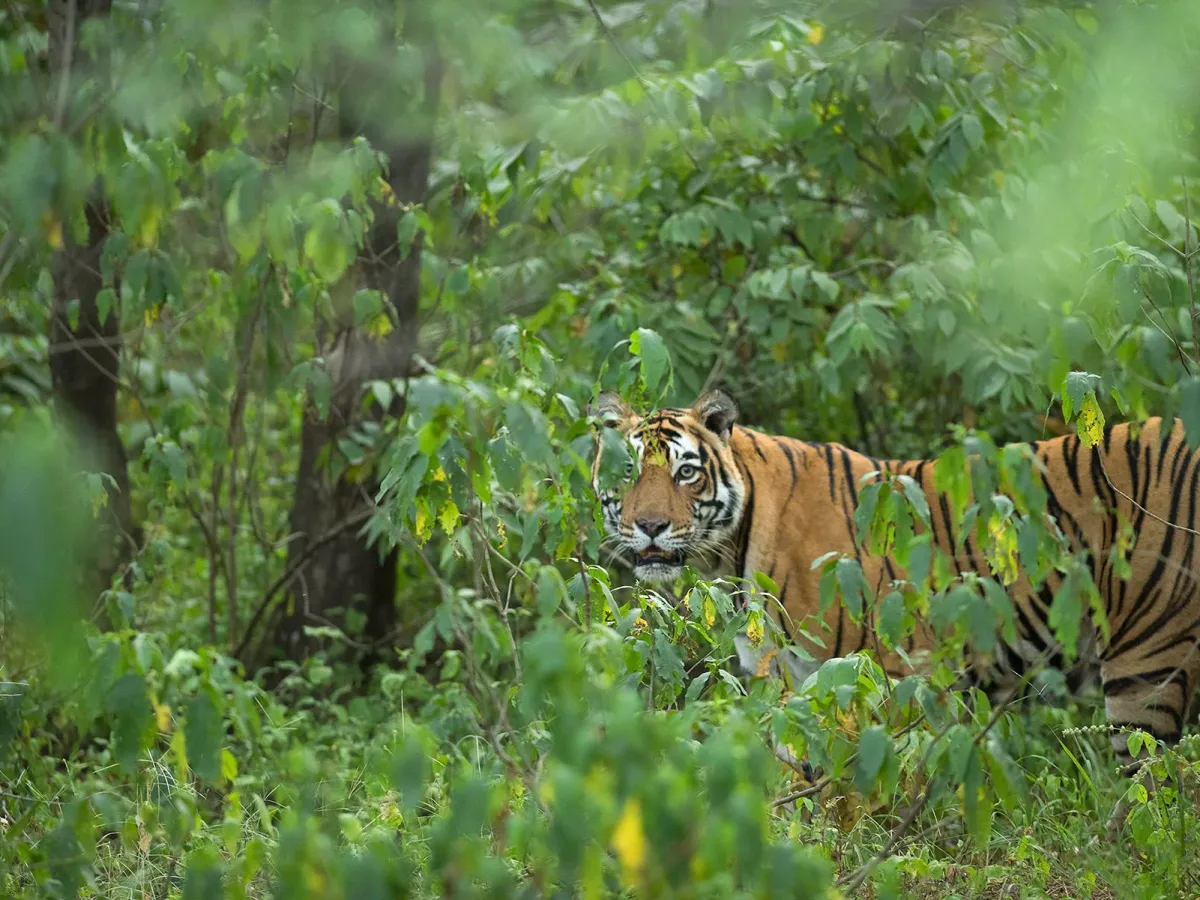
In 2004-05 Sariska was found to have lost every one of its tigers to poaching — a shock that forced India to confront how fragile its reserves were. Tigers were then flown in and reintroduced, and the population is slowly rebuilding. The Aravalli landscape holds dry forest, leopard, hyena and nilgai, with the Pandupol temple and the Kankwari fort inside the park. Sightings are harder than at Ranthambhore, but Sariska's story — and its closeness to Delhi — give it a different value.
Dry Aravalli ridges and forest, a temple track winding through.
The reason to come

A reserve learning to hold tigers again

Sariska's reintroduced tigers are a test of whether a failed reserve can be made safe. The recovery has been uneven, and that honesty is part of the experience — you are visiting conservation in real time, not a finished success.

The reintroduction

Tigers moved from Ranthambhore from 2008 onward — the first time India had tried to rebuild a tiger population this way.

The Aravallis

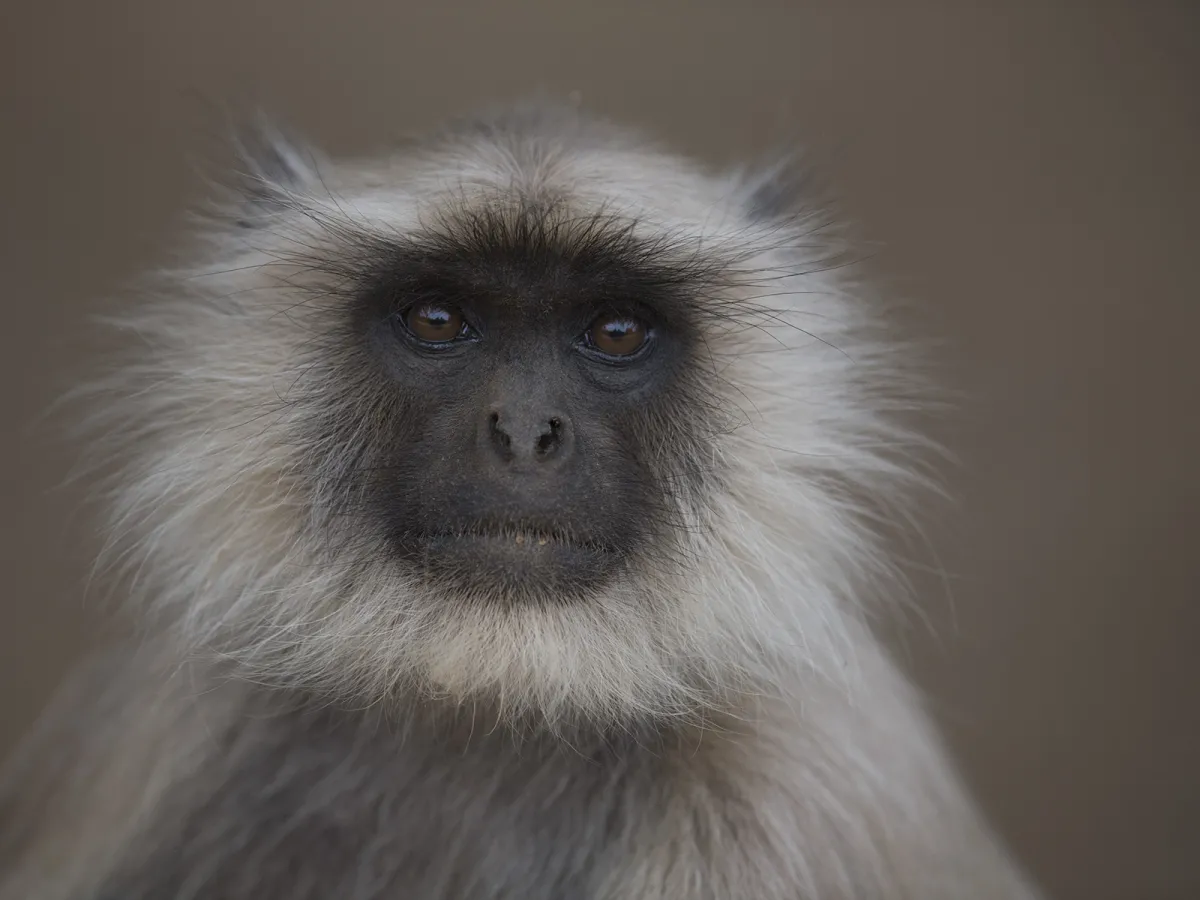
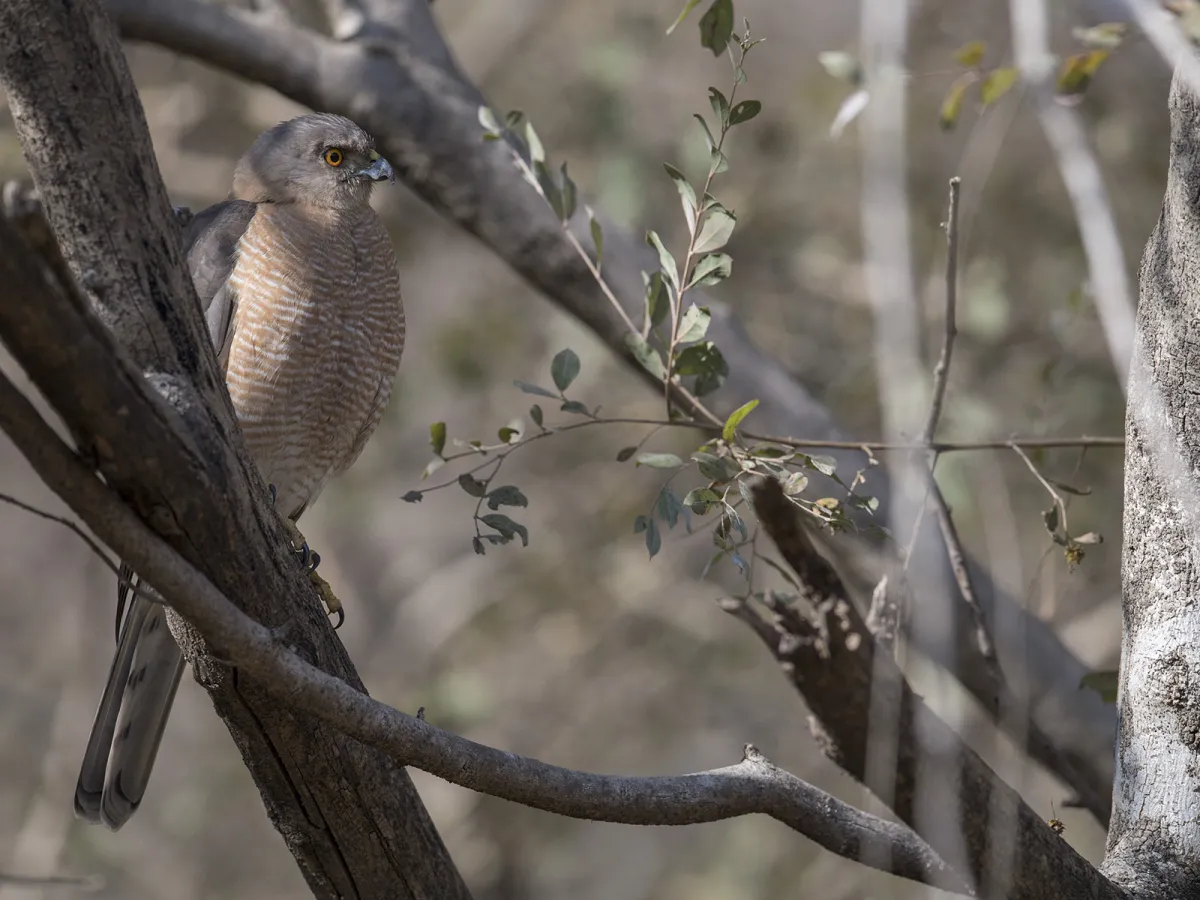
Ancient, eroded hills — some of the oldest in the world — cloaked in dry forest, with leopard and hyena alongside the tigers.

Temples in the forest

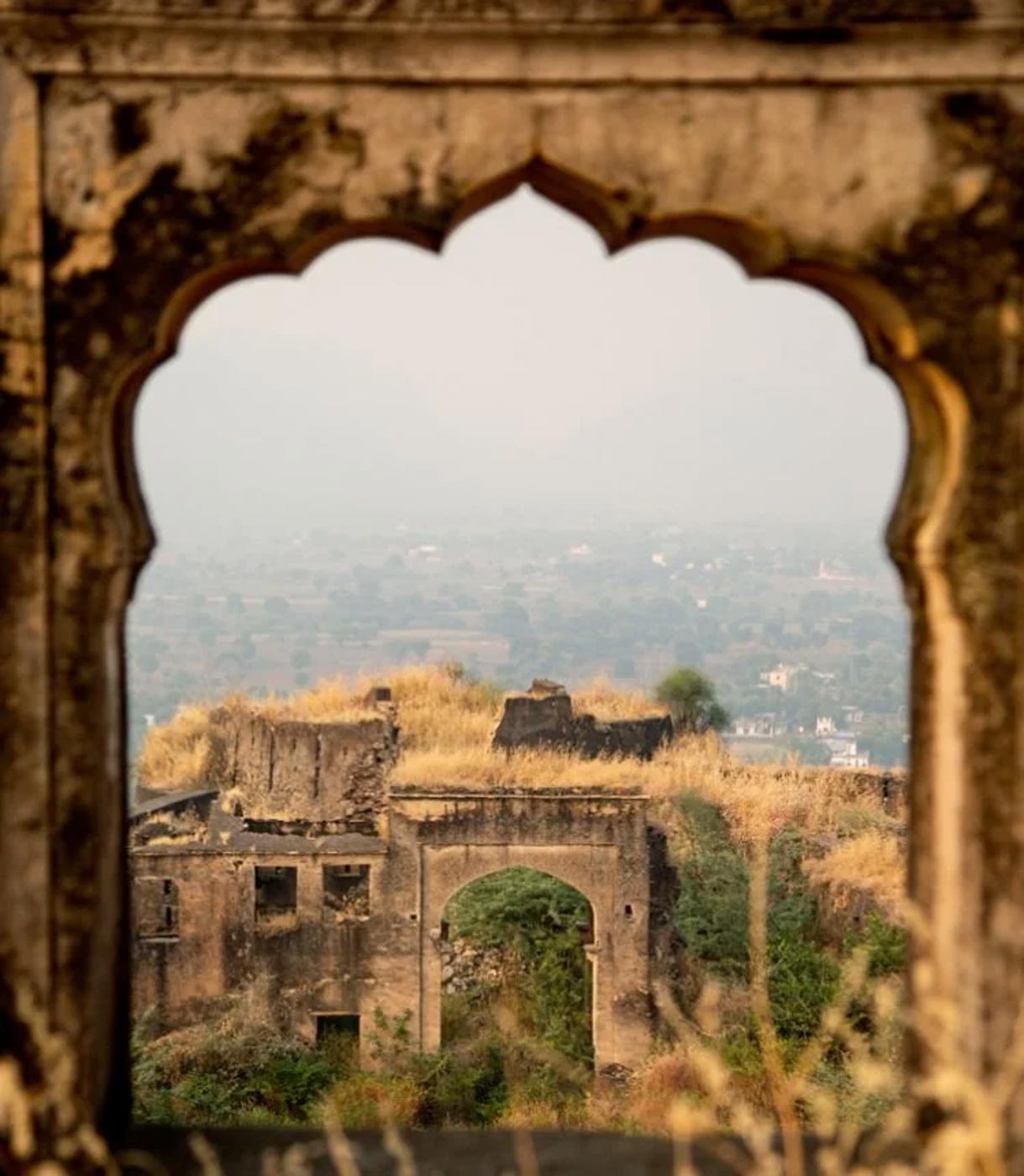
The Pandupol temple draws pilgrims into the park, and the Kankwari fort sits deep in the hills.

An honest note

Sariska is not the park for guaranteed tigers. Come for the landscape, the leopards and a conservation story still being written, and a sighting becomes a bonus.
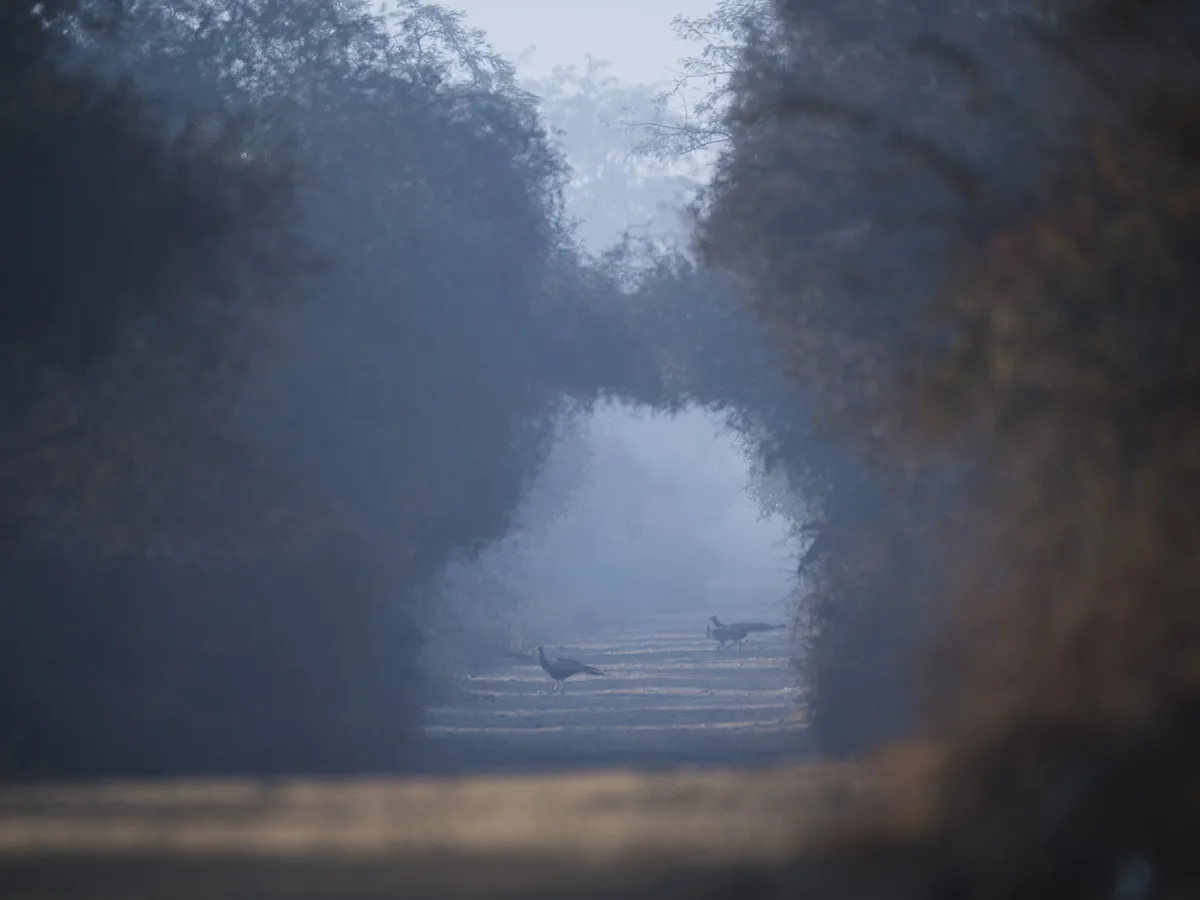
The wake-up call

Why Sariska changed everything.

The discovery that Sariska had no tigers left, despite official counts saying otherwise, forced a national reckoning and reformed how India monitors its reserves. Modern tiger conservation in the country is partly a response to what went wrong here.
The Kankwari fort standing alone among the Aravalli hills.
When to come — honestly

Accessible, recovering.

March – June
Best
Hot and dry; game and predators concentrate at water and the thinning forest improves visibility.
October – February
Good
Cool and comfortable, good for general game, leopard and birds, and easy as a weekend from Delhi.
Core closes roughly July to September. Sariska's proximity to Delhi and Jaipur makes it the most reachable tiger reserve in the north, even if the tiger odds trail Ranthambhore's.
People in the park

The pressure that emptied it

Sariska's collapse was driven by poaching in a reserve where villages, grazing, mining pressure and a pilgrimage route all pressed on the tigers. Its recovery depends on easing that pressure, including the slow, contested relocation of villages from the core.

The Pandupol pilgrimage brings heavy vehicle traffic through the park on certain days — a vivid illustration of how culture, people and wildlife are tangled together here.

We are straight about Sariska: a recovering reserve, not a sure thing. Its story is the reason to come, and that story is unfinished.
Beyond the obvious

Three ways to read Sariska.

Aravalli drives

Aravalli drives

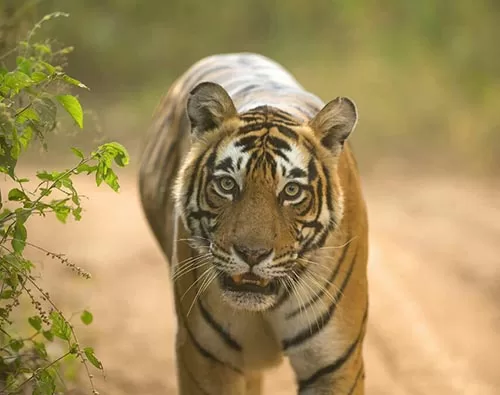
Forest and ridge drives for leopard, hyena, nilgai and the recovering tigers.
Kankwari fort

Kankwari fort

The remote fort deep inside the park, with history and views over the hills.
A Delhi-Jaipur add-on

A Delhi-Jaipur add-on

Sariska's accessibility makes it a natural wildlife stop on a Golden Triangle route.

Why Wild Voyager

We run India on our own ground.

India is one of three countries we run with our own guides and vehicles, not booked through a middleman. In Sariska National Park that means setting honest expectations and working the Aravalli landscape — leopard, hyena and the recovering tigers — rather than overselling a sighting.

We operate it, not a middleman

Our team handles the permits, the zones and the timing, so we answer for your sightings — not a stranger hoping it works out.

We base you in the right zone

Sariska is a recovery, not a guarantee, and the right drives go to the leopard and the landscape as much as the tigers. We plan it as the reachable, story-rich reserve it is.

We guide for wildlife, not a checklist

Our naturalists work the alarm calls, the tracks and the light — they would rather earn you one real sighting than tick a list.
Wildlife you may see
Leopard Tiger

Add Sariska to a north-India route
between Delhi and Jaipur.

Sariska is the most accessible tiger reserve in the north and a remarkable conservation story. We slot it into a Rajasthan or Golden Triangle trip without a long detour.

Plan a Sariska safari
Field notes, now and then.

Where to go · When to go · Wildlife in season

A few times a year, never more. Unsubscribe anytime. See our Privacy Policy.