A calving note
Calving is a green-season event, which surprises people — December to March is when the south is alive, while June–October, the 'classic' safari months, can find these plains emptied as the herds move north.
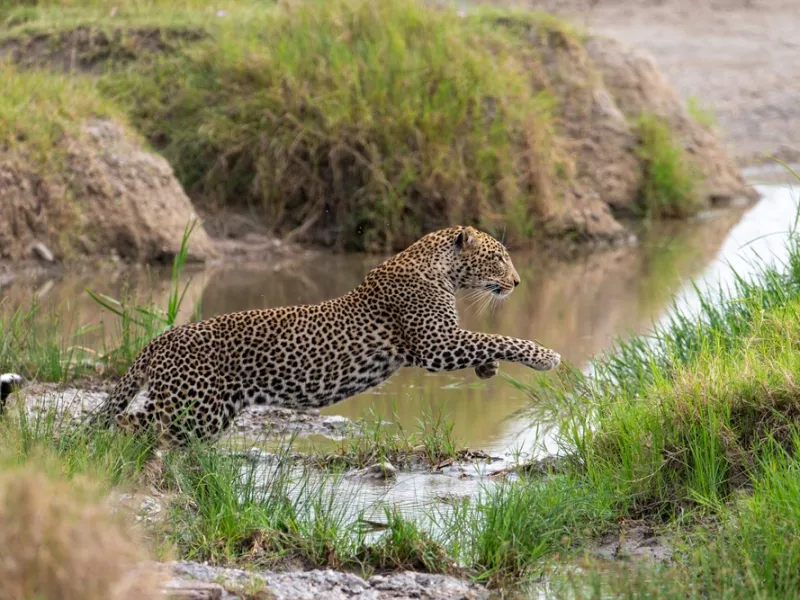
Around half a million wildebeest calves are born here in a few short weeks — the migration's beginning.
With no cover, cheetah, lion and hyena hunt in full view — the best open-plain predator action anywhere.
Volcanic soil keeps the grass low and the visibility total — you see for miles.
Nowhere feels bigger; the southern plains are the Serengeti distilled to grass and horizon.
Outside the famous crossings, the south draws fewer vehicles than the north or centre.
Calving is a green-season event, which surprises people — December to March is when the south is alive, while June–October, the 'classic' safari months, can find these plains emptied as the herds move north.
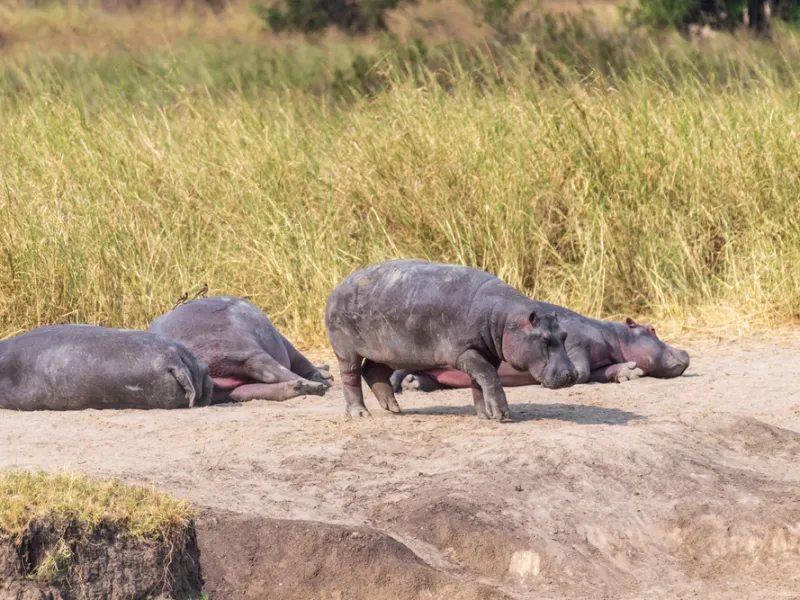
The short grass exists because of the volcanoes. Ash from the Ngorongoro highlands and Ol Doinyo Lengai laid down a mineral-rich soil that grows exactly the kind of short, nutritious grass calving wildebeest need — which is why the migration returns to give birth in this precise place every year.
It also means the southern plains straddle the boundary of the Serengeti and the Ngorongoro Conservation Area, and the Ndutu region in particular sits in both — a detail that matters for where vehicles are allowed to go off-road.
We've left out the geology lecture. The point is simple: the volcanoes make the grass, the grass makes the calving, and the calving makes the south worth a green-season trip.
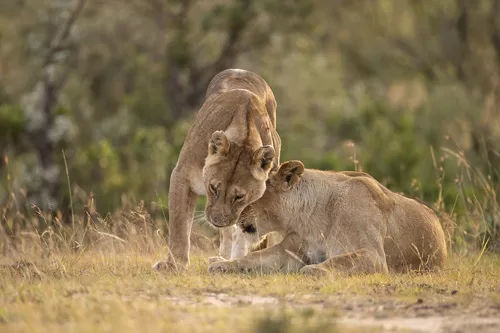
Newborns, and the predators that follow them, across open plains.
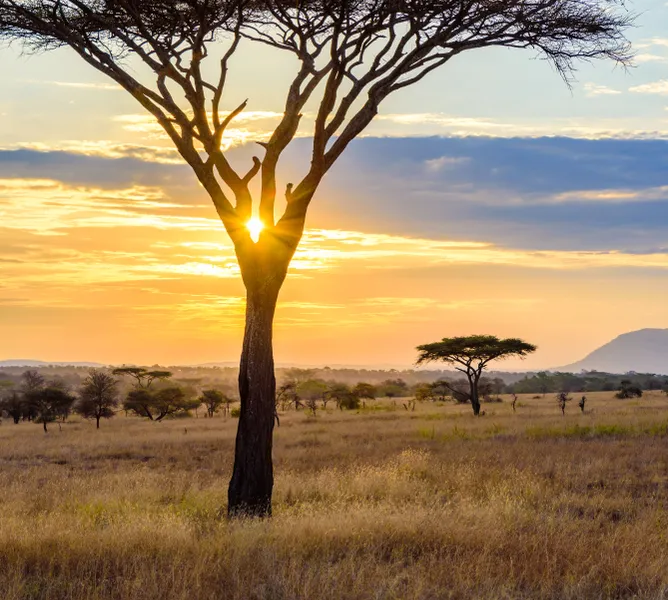
The best country in the Serengeti to watch cheetah hunt in the open.
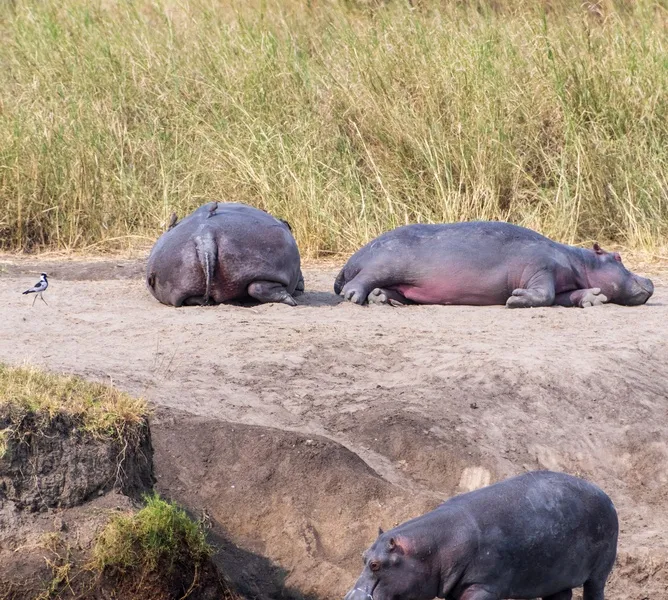
The widest, emptiest horizons on the whole circuit.
Our Tanzania guides know where the herds have gathered on a given week — calving moves across the plains.
We steer green-season travellers south for the calving, not north to empty crossing country.
The south sees fewer vehicles than the north; we keep your calving days uncrowded.
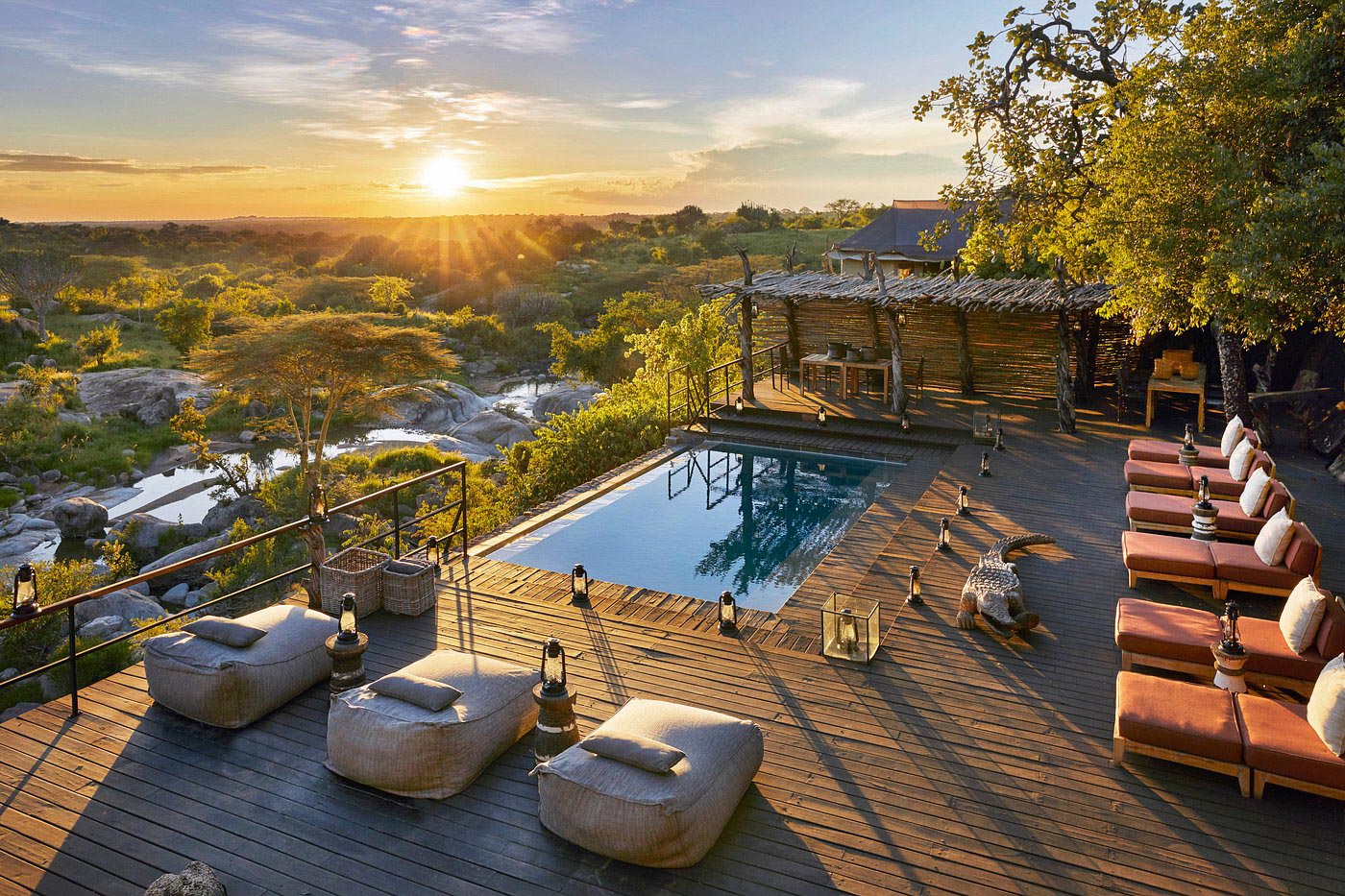
An ultra-luxurious lodge among granite kopjes and springs, in a private reserve bordering the southern plains.

A mobile luxury camp that follows the herds, well placed for the calving season.
December to March on the southern plains is the migration's beginning — green-season, dramatic, and quieter than the crossings.
Plan a calving safari
