Enquire
Home  /  India  /  Sundarban National Park
Mangrove national park · West Bengal

Sundarban National Park

The world's largest mangrove forest — and the only place tigers swim between the trees.
Getting there
~3.5 hr drive from Kolkata to the boat jetties, then by boat
Best for
The mangrove ecosystem, crocodiles, birds — and the idea of the tiger
The land
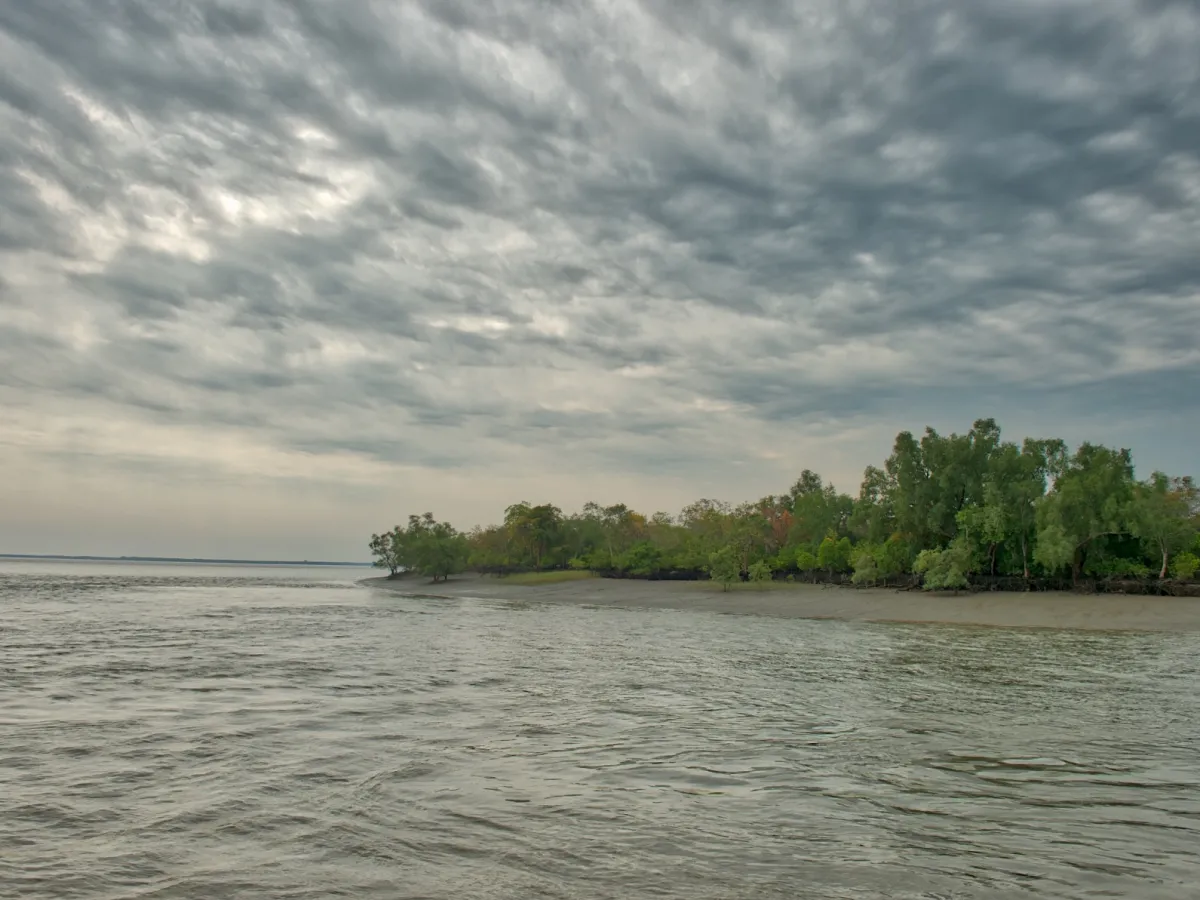
A vast tidal labyrinth of mangrove islands and channels in the Ganges delta
Good to know
Explored by boat; tigers are very rarely seen — manage expectations
What it is
The Sundarbans is the one tiger forest you experience from the water — and the one where the tiger stays hidden.
Shared with Bangladesh, the Sundarbans is the largest mangrove forest on earth, a tidal maze of islands and channels at the mouth of the Ganges. Its tigers are extraordinary — they swim between islands and hunt in the mangrove, unlike tigers anywhere else — but the dense forest and water mean they are very rarely seen. You come for the ecosystem itself: saltwater crocodiles, water monitors, kingfishers and waders, and a landscape unlike any other in India, all explored by boat.
PhotoA boat threading a narrow mangrove channel at low tide.
The reason to come

A forest you read from the water

The Sundarbans cannot be driven — it is explored by boat through tidal creeks, watching the mangrove for crocodiles hauled out on mud, monitors, and the spectacular birdlife. It is the most atmospheric and least conventional of India's tiger reserves.

The mangrove maze

Endless channels of <em>Sundari</em> and other mangroves — the trees that name the forest — rising and draining with the tide.

The crocodiles

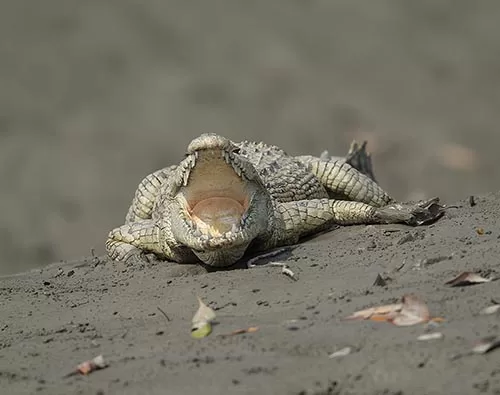
Large saltwater crocodiles, the biggest reptiles in the country, bask on the mudbanks at low tide.

The birdlife

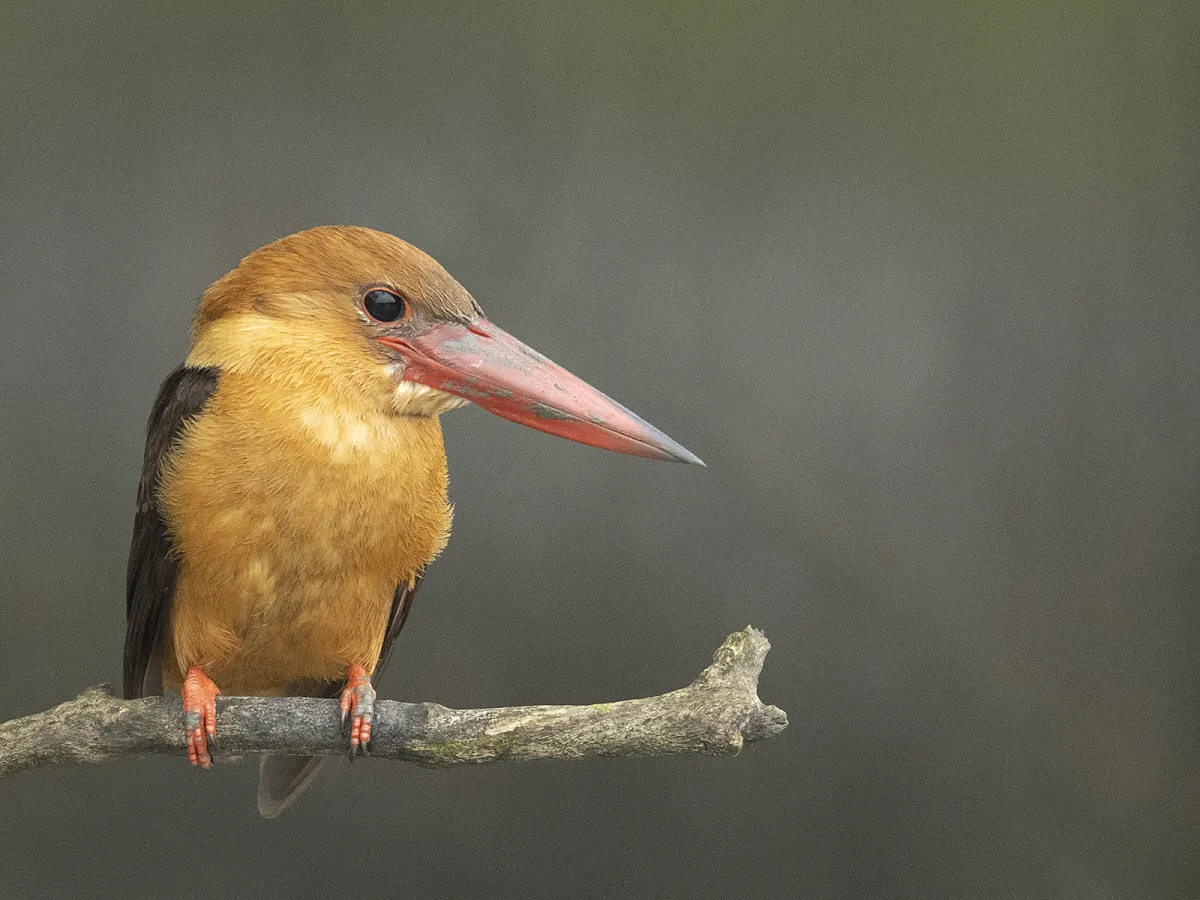
Kingfishers, herons, waders and raptors thrive in the delta — often the highlight of a Sundarbans trip.

An honest note

The Sundarbans tiger is famous and almost never seen. Come for the mangrove, the crocodiles and the birds, and treat any tiger as a near-miracle — otherwise you will leave disappointed.
The swimming tigers

A predator like no other.

Sundarbans tigers swim strongly between islands, drink brackish water and have a reputation, deserved or not, for being unusually wary of people. They are the same species as the forest tigers of the interior, living a completely different life — which is part of what makes this place so singular, even when the tiger itself stays unseen.
PhotoTiger pugmarks pressed into delta mud at the water's edge.
When to come — honestly

A boat-based, bird-rich trip.

November – February
Best
Cool, dry and comfortable on the water, with the best birding and active crocodiles — the prime season.
March – May
Good
Hotter and more humid, but animals are more active at the water's edge as the heat builds.
The monsoon brings heavy rain and rough water; the cool dry season is far more pleasant. Whatever the month, this is an ecosystem trip — the reward is the mangrove and its life, not a tiger tick.
People at the forest's edge

Living with the tide and the tiger

The communities living around the Sundarbans depend on the forest for honey, fish and wood, and they bear the real cost of its tigers — human-tiger conflict here is among the most serious anywhere. The forest is also the delta's storm shield, taking the brunt of cyclones that would otherwise hit Kolkata.

Climate change and rising seas threaten the whole ecosystem, drowning islands and pushing saltwater further in — the Sundarbans is one of the most climate-exposed landscapes in India.

We frame the Sundarbans honestly: a once-in-a-lifetime ecosystem, a vanishingly rare tiger, and a community living on the front line of the climate.
Beyond the obvious

Three ways to read the Sundarbans.

PhotoTidal-creek cruising

Tidal-creek cruising

Long boat days through the mangrove channels, watching the banks for wildlife.
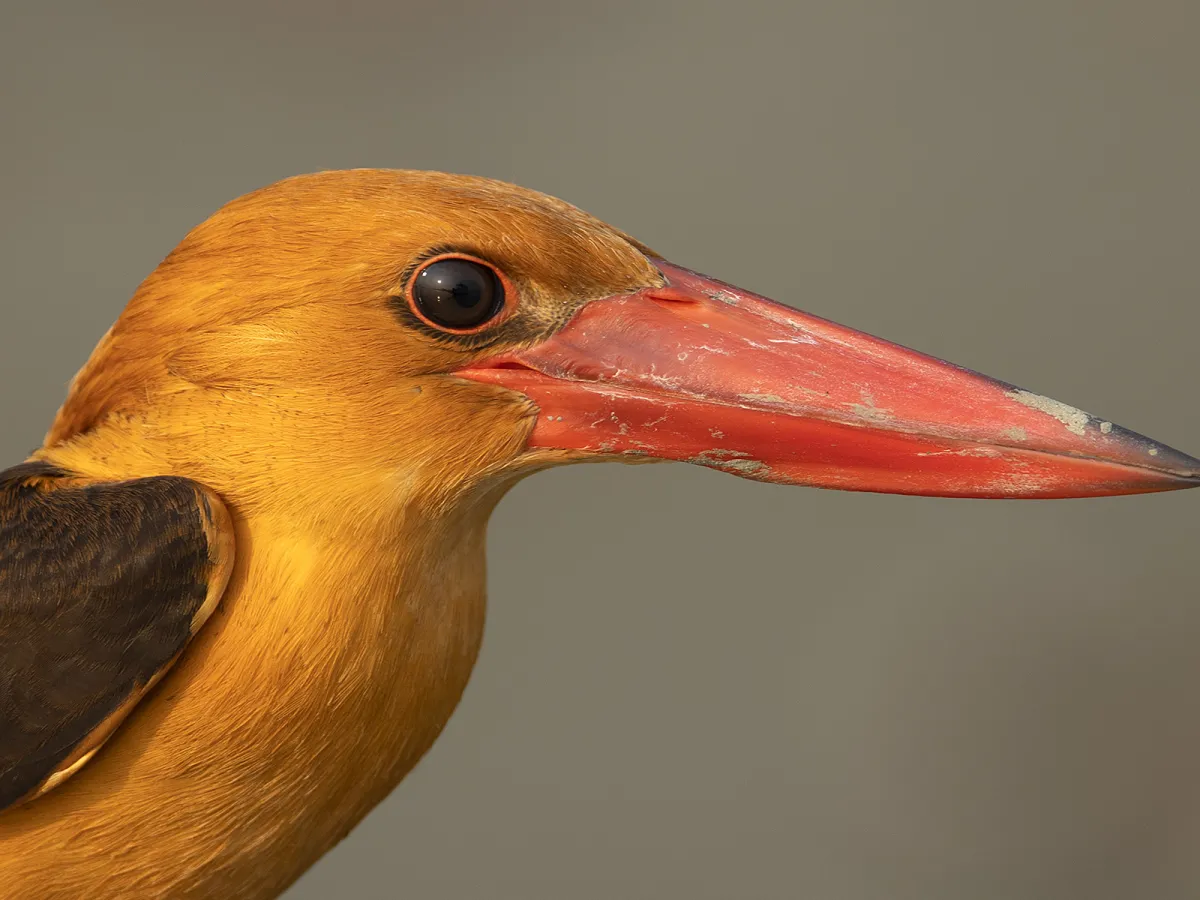
PhotoCrocodile and bird mudflats

Crocodile and bird mudflats

Low-tide mudbanks where saltwater crocodiles and waders gather.
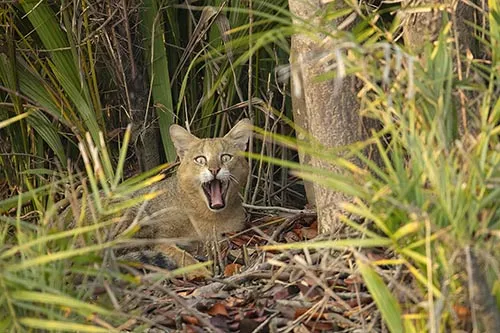
PhotoDelta villages

Delta villages

The human edge of the forest, where people live with the tide and the tiger.

Why Wild Voyager

We run India on our own ground.

India is one of three countries we run with our own guides and vehicles, not booked through a middleman. In Sundarban National Park that means planning a boat-based ecosystem trip with honest expectations — the mangrove, the crocodiles and the birds, not a promised tiger.

We operate it, not a middleman

Our team handles the permits, the zones and the timing, so we answer for your sightings — not a stranger hoping it works out.

We base you in the right zone

The Sundarbans is boat country, and a good trip is about the right vessel, route and tides. We plan it as the ecosystem experience it is, so the mangrove — not a tiger myth — carries the trip.

We guide for wildlife, not a checklist

Our naturalists work the alarm calls, the tracks and the light — they would rather earn you one real sighting than tick a list.

Journeys

Trips through Sundarban National Park

Wildlife you may see
Tiger

Add the Sundarbans
for a tiger forest like no other.

The Sundarbans is the most singular of India's wild places — a mangrove labyrinth read from the water. We pair it with Kolkata and set expectations straight before you go.

Plan a Sundarbans trip
Field notes, now and then.

Where to go · When to go · Wildlife in season

A few times a year, never more. Unsubscribe anytime. See our Privacy Policy.