The easy path in this industry is well-lit, and most of us know exactly where it leads.
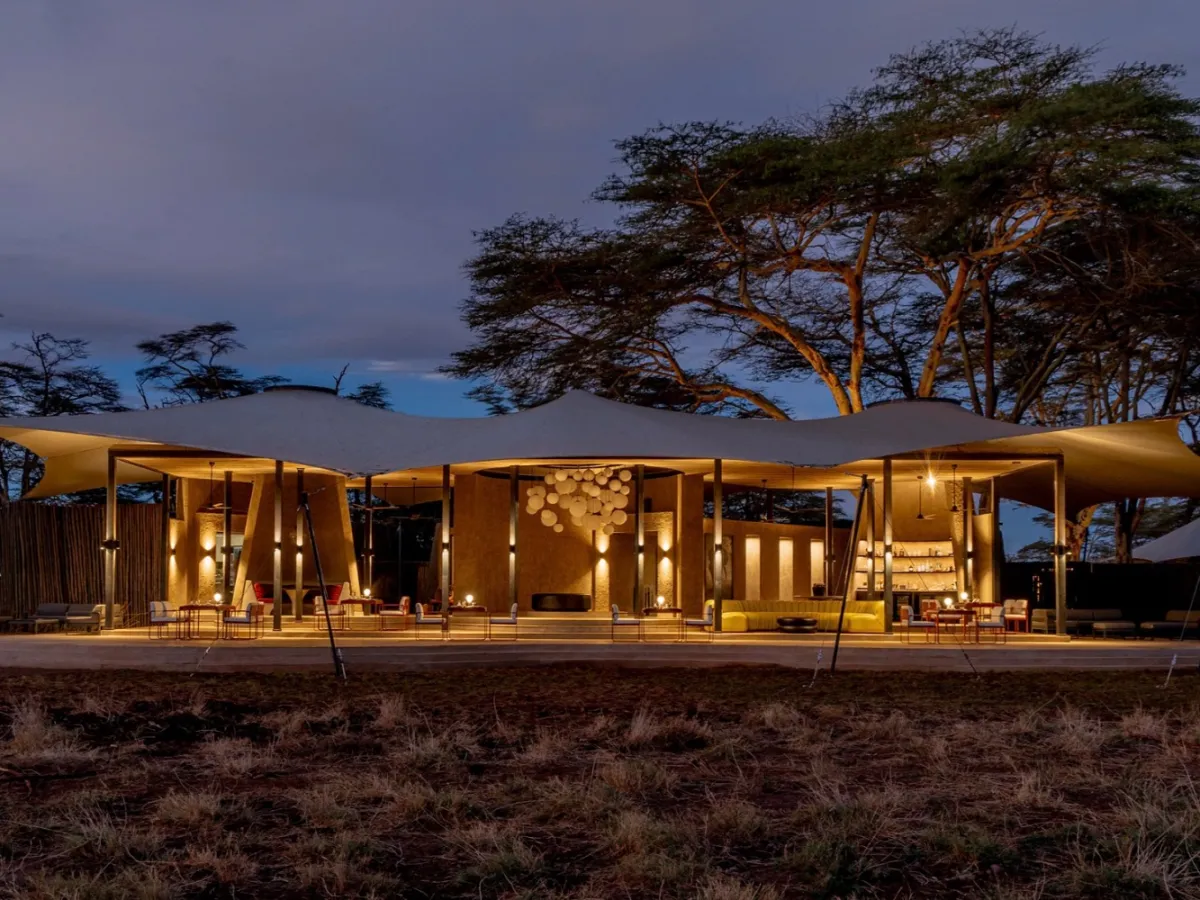
Trusted hotels. Proven itineraries. The same routes, the same lodges, the same reliable smiles at check-in. There is nothing wrong with any of it. It is comfortable, it is repeatable, and it scales beautifully. You can build a large, tidy business on it without ever leaving the map you already know. Book the rooms that always deliver, run the circuit that always works, and the revenue follows like clockwork.
I understand the appeal completely. I run part of my business exactly this way, and I make no apology for it.
But I have spent enough years in this work to know that there is another path running alongside the comfortable one, and it is poorly lit. Fewer people take it. It rewards you slowly, unreliably, and often not at all. And yet it is the path I keep coming back to, the one I cannot seem to leave alone.
Two ways to build a travel company
Let me be honest about what the comfortable path really is, because I think we in this industry are sometimes shy about naming it.
When you sell a fixed itinerary through trusted hotels, you are selling certainty. The guest knows what they are getting. You know your margins to the decimal. Operations runs smoothly because nothing is new — the driver has done this route a hundred times, the lodge has hosted this exact package before, and every link in the chain has been tested. Problems are rare, and when they happen, someone already knows the fix. It is a good business. It pays salaries, funds growth, and lets you sleep at night.
The other way to build a company is to go looking for experiences that do not yet exist as products. Not a better version of the standard trip, but something genuinely new — a place, a species, a moment that no one has neatly packaged and priced. And the difference between these two is not a matter of degree. It is a different kind of work altogether.
Curating a genuinely new experience means accepting that the failure rate is high. You scout a region and it does not deliver. You build a route around a sighting that does not happen. You invest weeks of planning into a trip that a handful of people will ever take. The effort is enormous and disproportionate to any spreadsheet’s idea of sense. Much of it cannot be delegated, because there is no manual yet — you are writing it as you go, through trial and error, with more passion than any business plan would justify.
So the reasonable question is: why do it at all?
Where I come from
Here is the honest answer. This is where I come from.
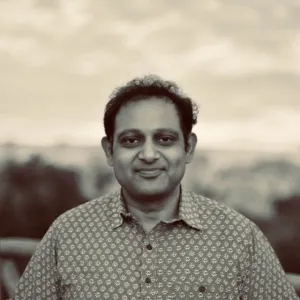
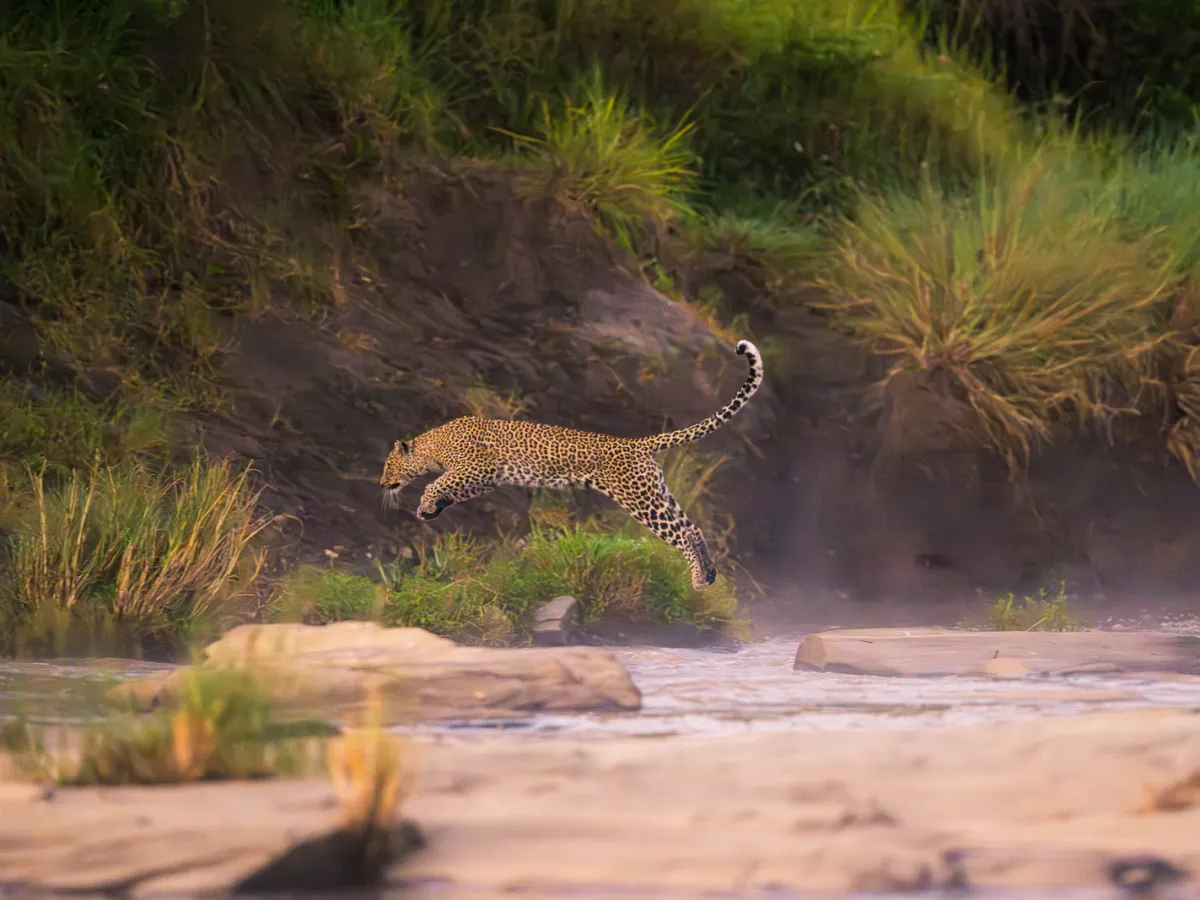
I spend somewhere between 150 and 200 days a year in the field, chasing my own wildlife photography. That is not a break from the business, and it is not a perk of running it. It is the reason Wild Voyager exists in the first place. The idea was born out there — in the cold, in the waiting, in the long hours that lead to a single impossible sighting. I did not start a travel company and then develop a taste for the wild. It was the other way around. The company grew out of the obsession.
That order matters, because it shapes everything about how I think of this work. The regular business now runs largely on autopilot, and I am grateful for it — not because it lets me step back, but because it frees me to keep chasing the part I actually care about. The steady, dependable side of the company is what buys me the room to venture into the poorly lit places.
And those places are worth describing, because they are the whole point.
A snow leopard expedition in the high Himalaya, where you spend days scanning frozen slopes for a grey shape that may not be there, at an altitude that punishes you for every hour you stay. Tracking puma across the wind and silence of Patagonia. Roughing it for days in dense forest in search of a bird of paradise, sitting in the dark before dawn, hoping the display happens where you are and not on the next ridge. None of these are comfortable. None of them come with guarantees. Every one of them asks for a level of personal involvement that a normal itinerary would never demand.
The reward that does not show up on a balance sheet
So, again — why?
Because the reward is not the margin. It never was.
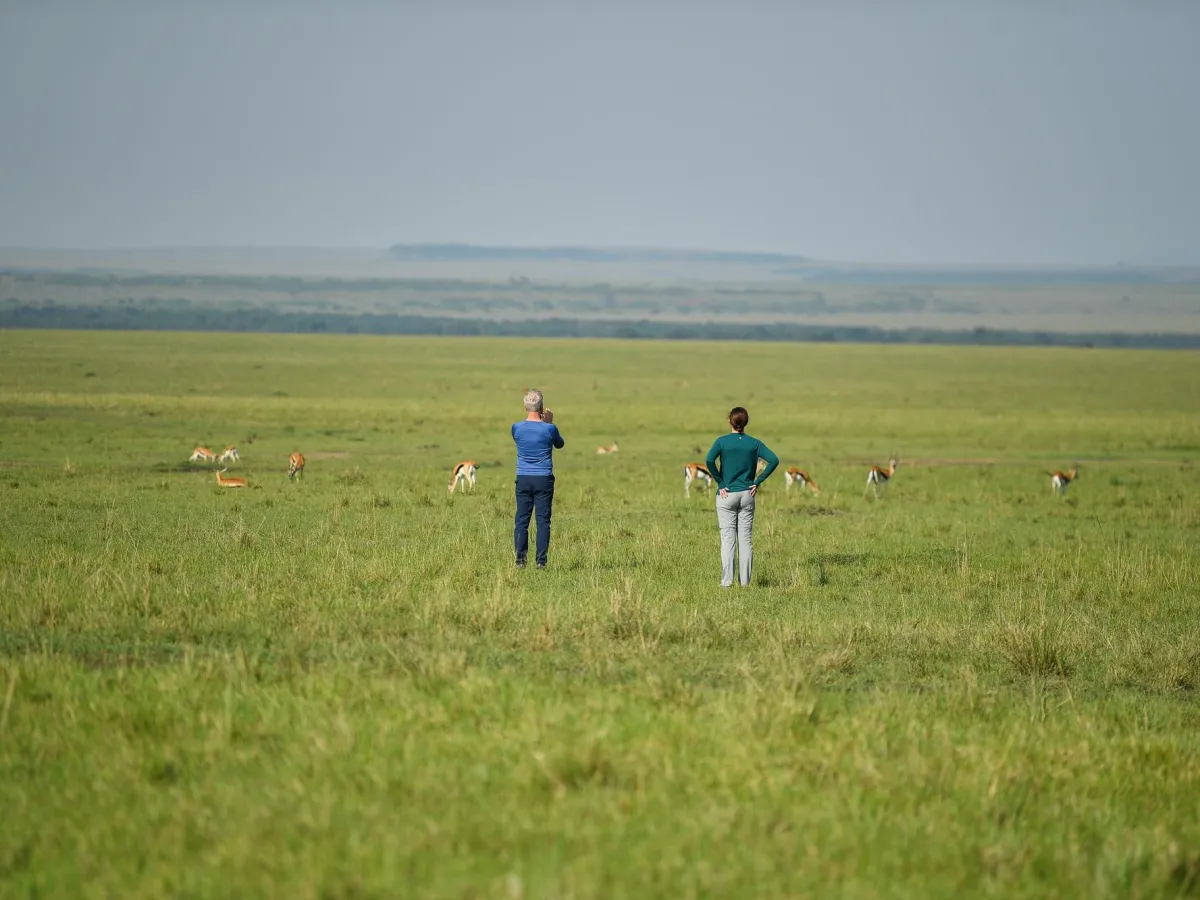
The reward is the face of a guest who has just seen something they will talk about for the rest of their life. It is the silence right after the sighting, before anyone finds words. It is the person who came to us tired of the ordinary and left with a memory that reorganised what they thought travel could be. You cannot put that on a balance sheet, and you cannot manufacture it on the comfortable path. It only lives out here, in the effort and the uncertainty and the occasional, extraordinary payoff.
That is not a good way to build a big business. I know that. If maximum scale were the only goal, I would pour everything into the proven circuits and never experiment again. Plenty of excellent operators do exactly that, and they have earned their success.
An honest mix
What I have tried to build instead is a company that is honest about being both.
At Wild Voyager, our trusted revenue keeps the lights on. On those routes, we rarely experiment, because that is not where experimentation belongs — our guests there deserve the certainty they came for, and we give it to them without drama. That reliability is not a compromise. It is a foundation.
But for a small share of guests — the willing, the curious, the ones quietly chasing something rare — we go looking for the experiences no one else is packaging yet. It is a minority of what we do by volume. It will probably always be a minority. And it is, without question, where the soul of this company lives.
I think a lot about how to hold on to that as we grow. It would be easy to let the passionate part shrink into a line on the website while the dependable machine expands around it. The temptation of the well-lit path is real, and it gets stronger the bigger you get. So I treat the poorly lit path as something to protect deliberately, not something that will survive on its own. The steady business earns the right to keep the wild one alive.
That small percentage is where I intend to keep pointing this company, no matter how large the rest becomes. The comfortable path builds businesses. The harder one is what makes the work worth showing up for — and after all these years in the field, I still cannot imagine doing it any other way.