Birding Sri Lanka
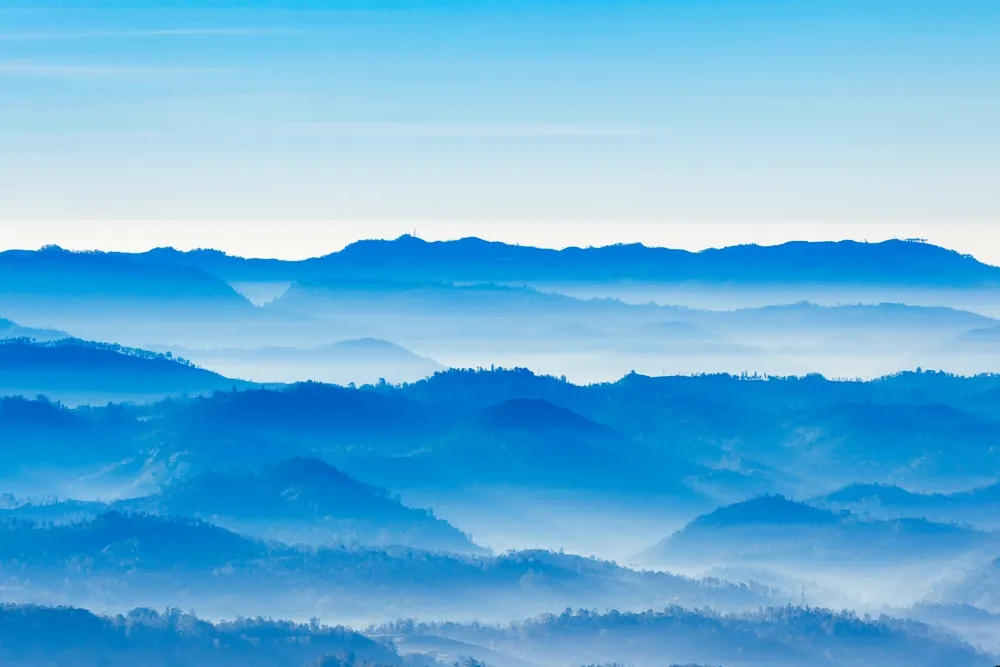
What you'll see
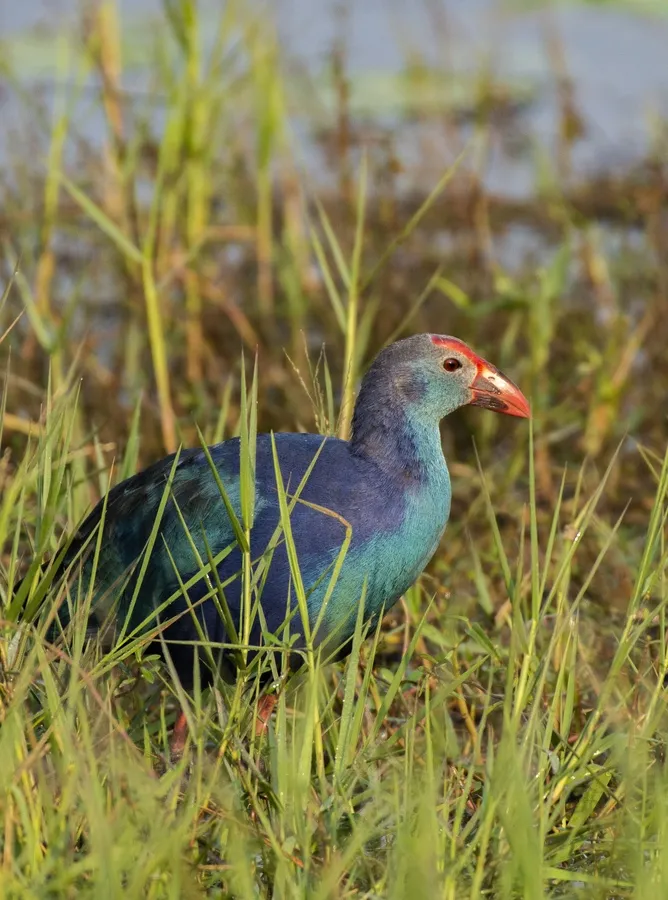
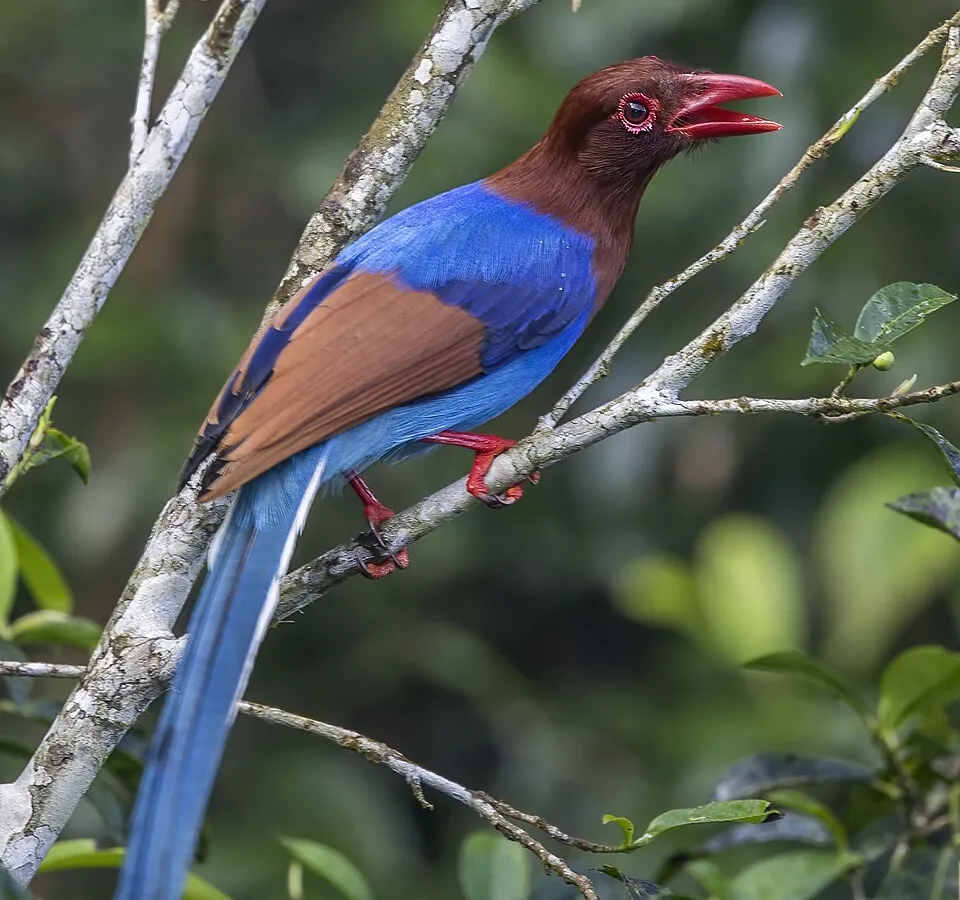
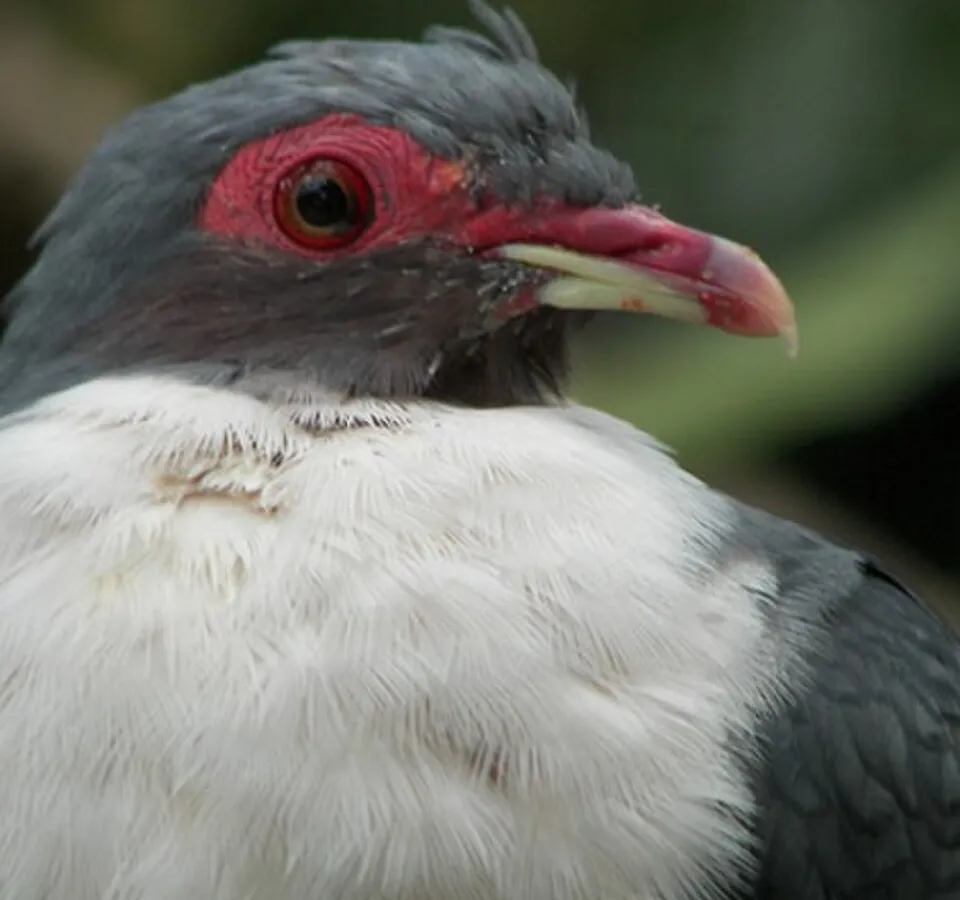
The journey, one day at a time
Arrive Colombo
Arrive in Colombo, met and transferred to your accommodation. Colombo keeps the logistics smooth — a comfortable hinge between flights and the wildlife regions.
Colombo
Take a half-day of wetland birding on the city's edge. Settle in and explore the city's markets, temples and seafront.
To Sinharaja Forest Reserve
Transfer to Sinharaja Forest Reserve. Walk the rainforest trails for endemic birds and mixed feeding flocks. Follow the feeding waves and search for the rarer endemics.
Sinharaja Forest Reserve
Follow the feeding waves and search for the rarer endemics. Sinharaja is what most of the wet zone once was — and the only place to see the full set of the island's endemic birds.
To Horton Plains National Park
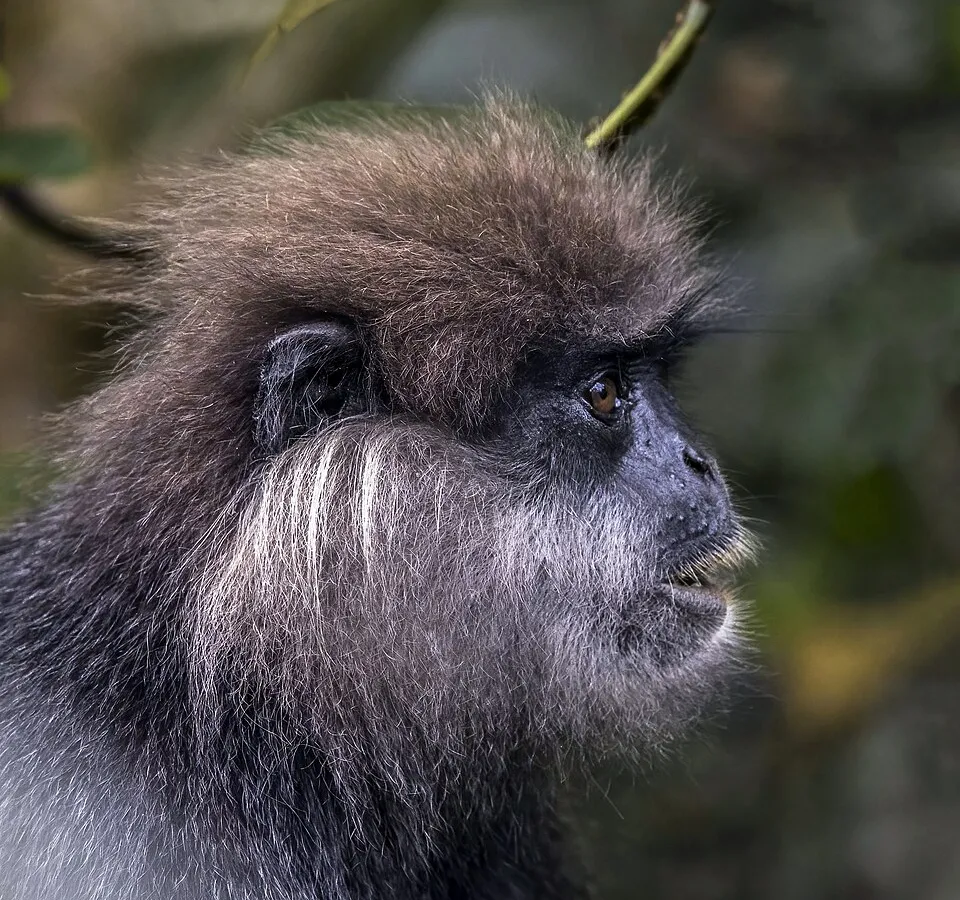
Transfer to Horton Plains National Park. Walk the World's End loop early, then bird the cloud forest and grassland. Search the montane forest for high-altitude endemics and bear monkey.
Horton Plains National Park
Search the montane forest for high-altitude endemics and bear monkey. The cool, misty plateau feels nothing like the lowland parks — proof of how much variety Sri Lanka packs into a small space.
To Bundala National Park
Transfer to Bundala National Park. Bird the lagoons for flamingos, storks and wintering waders. Work the salt pans and scrub for waterbirds and crocodile.
Bundala National Park
Work the salt pans and scrub for waterbirds and crocodile. Bundala adds a rich birding dimension a short hop from Yala — easy to fold into a southern route.
To Kumana National Park
Transfer to Kumana National Park. Bird the Kumana villu's breeding colonies and watch for leopard in the scrub. A quiet day among the waterbirds, with elephant and leopard in support.
Kumana National Park
A quiet day among the waterbirds, with elephant and leopard in support. Dawn at the lagoon for nesting birds, then the surrounding wilderness. Kumana's breeding-season lagoon is one of South Asia's great waterbird spectacles — and almost no one is there to see it.
Kumana National Park
Dawn at the lagoon for nesting birds, then the surrounding wilderness.
Departure
A final morning in Kumana National Park — a last outing or a slow start as time allows — before the transfer onward and the journey home.
The season changes what you see.
Peak season
Drier southwest weather — the comfortable season for the city and south coast.
Good season
Southwest monsoon brings humidity and showers; still fine for a transit night.
Hand-picked camps & lodges
Maniumpathy
A restored colonial villa in the heart of Colombo — intimate, elegant and central.
Bundala Safari Lodge
A comfortable lodge near the wetland, an easy base for Bundala and Yala.
Cinnamon Grand
A large, dependable city hotel with full facilities, well placed for arrivals and departures.
Jetwing St. Andrew’s
A colonial-era hotel in the highlands, a comfortable base for an early Horton Plains start.
Karpaha Sands
A remote tented beach camp on the wild east coast, perfectly placed for Kumana.
Rainforest Eco Lodge
A timber-and-container eco lodge tucked into tea and rainforest at Sinharaja's edge.
Make it yours.
Add nights, swap a park, extend to the coast — this route is a starting point, not a fixed menu. Tell us how you travel and we'll route the rest.