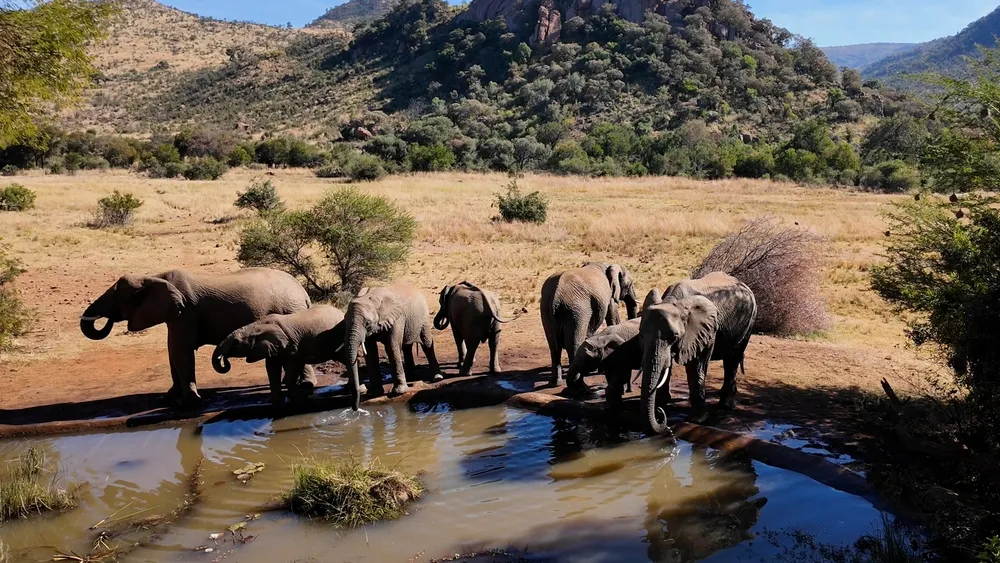
What you'll see
The journey, one day at a time
Into Damaraland
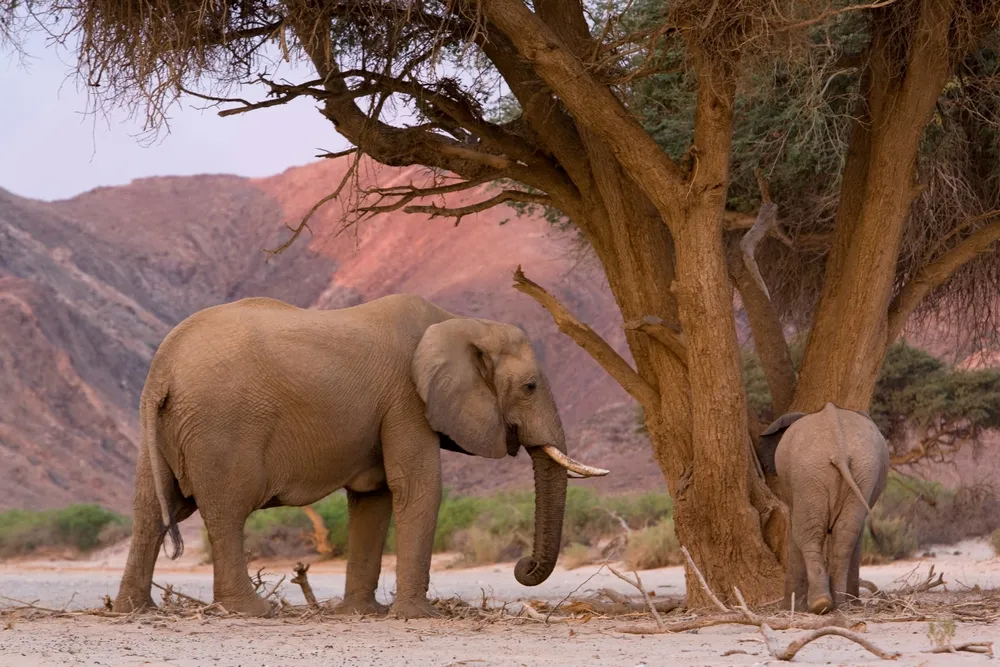
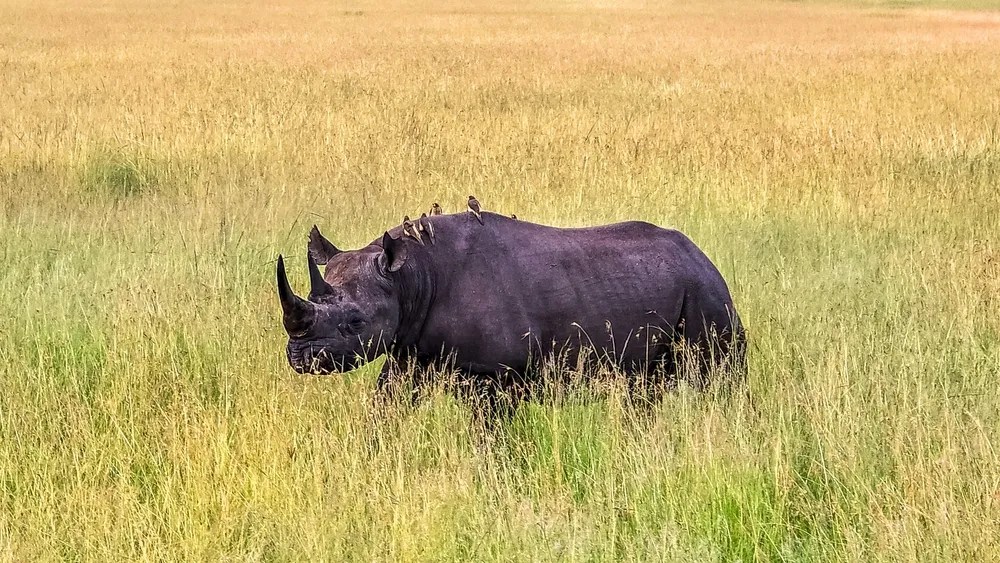
Arrive and head straight out — track desert-adapted elephant and rhino and visit the Twyfelfontein rock art. Track desert-adapted elephant and rhino and visit the Twyfelfontein rock art.
Tracking desert wildlife
Track desert-adapted elephant and rhino and visit the Twyfelfontein rock art. That elephants and rhino live here at all is extraordinary — and fragile. Damaraland's desert-adapted wildlife exists on a knife-edge of water and tolerance, protected by community conservancies and trusts whose work is part of what you support by visiting. The wildlife is rare, the story profound, the landscape unforgettable.
Tracking desert wildlife
Track desert-adapted elephant and rhino and visit the Twyfelfontein rock art.
Tracking desert wildlife
Track desert-adapted elephant and rhino and visit the Twyfelfontein rock art.
Departure
A final morning in onward — a last outing or a slow start as time allows — before the transfer onward and the journey home.
The season changes what you see.
Dry season
Cool, clear and dusty; game concentrates at Etosha's waterholes and desert travel is at its easiest. Peak months.
Green season
Hot with afternoon storms; the desert greens, newborns arrive and the light turns dramatic, with fewer visitors and lower rates.
Hand-picked camps & lodges
Mowani Mountain Camp
Boulder-set camp in Damaraland, a signature base for desert elephant and rhino.
Damaraland Camp
Community-owned Wilderness camp in the Huab valley — premium and conservation-led.
Camp Kipwe
Rounded rock-cluster bungalows near Twyfelfontein, mid-range and characterful.
Damara Mopane Lodge
Garden-chalet lodge, a practical Damaraland touring stop.
Make it yours.
Add nights, swap a park, extend to the coast — this route is a starting point, not a fixed menu. Tell us how you travel and we'll route the rest.