Enquire
Home  /  Namibia  /  Damaraland
Desert wilderness · Namibia

Damaraland

Ancient rust-red wilderness where elephants and rhino survive in the desert — and people track them on foot.
Getting there
Long drive north-west of Windhoek, or fly to a lodge airstrip
Best for
Desert-adapted elephants, free-ranging black rhino tracking, rock art and scenery
The land
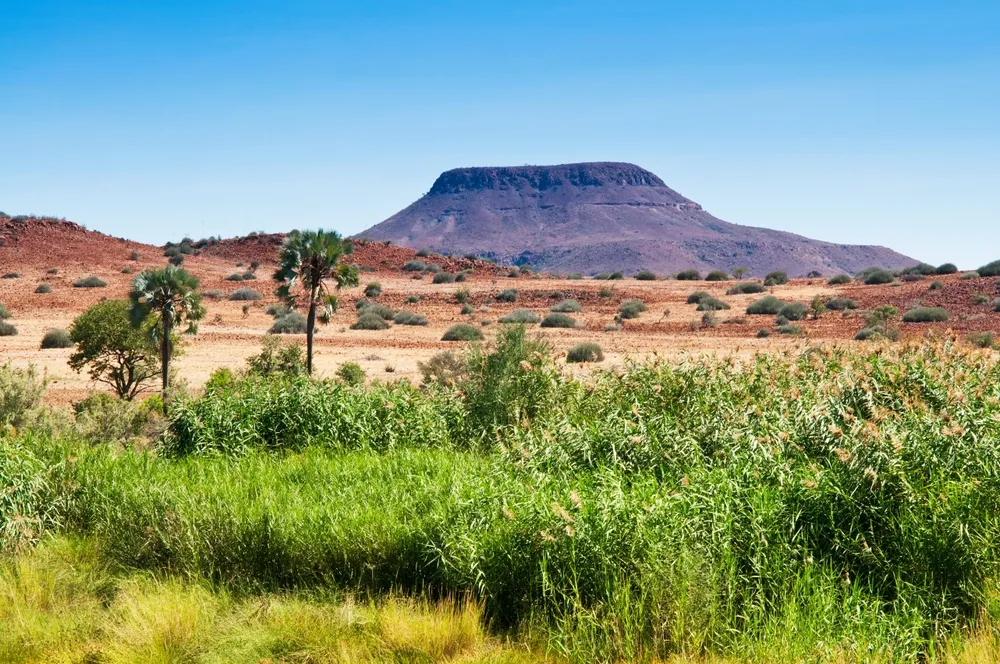
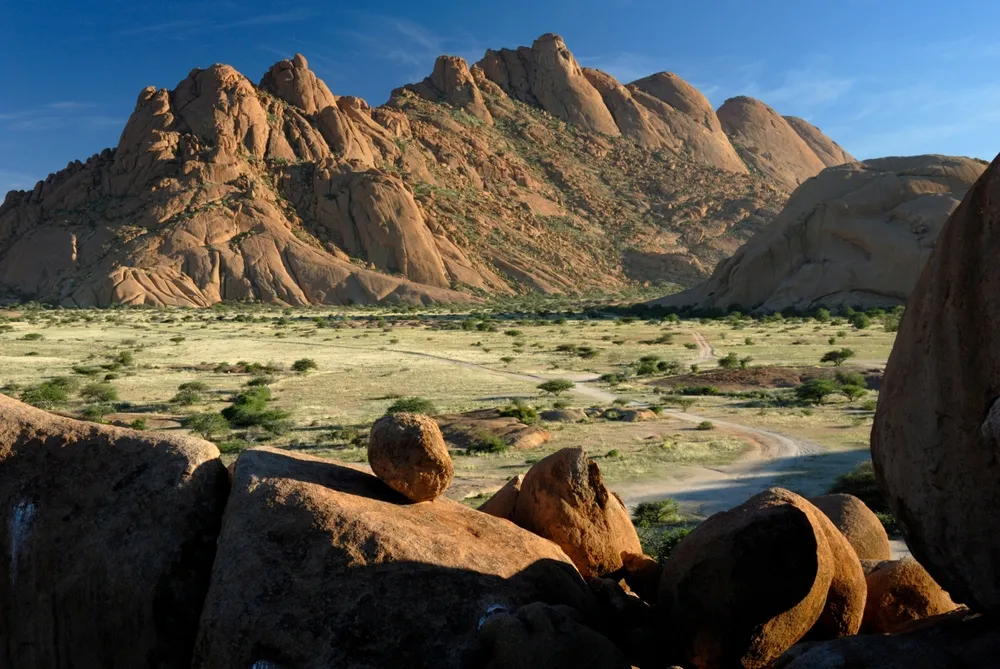
Rugged, ancient desert mountains and dry riverbeds in the north-west
Good to know
Wildlife is sparse and hard-won; the landscape and the rhino tracking are the draw
What it is
Damaraland is desert at its most ancient and dramatic — and home to elephants and rhino that should not, by rights, be there.
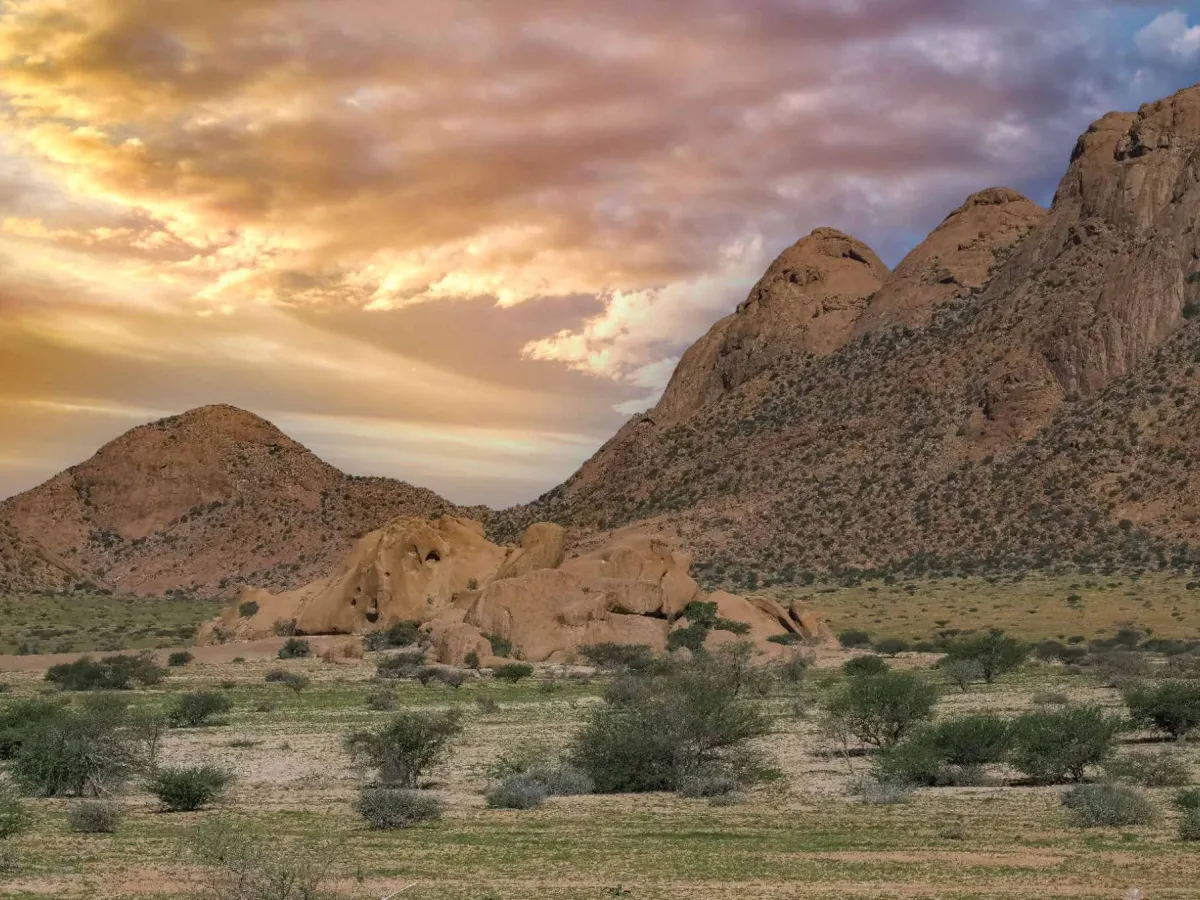
One of the oldest, most striking landscapes in Africa, Damaraland is a wilderness of rust-red mountains, open plains and dry riverbeds in Namibia's north-west — and, remarkably, home to wildlife that has learned to survive the desert. Desert-adapted elephants walk vast distances between scattered water along the ephemeral rivers, and Damaraland holds the largest population of free-ranging black rhino on earth, tracked on foot by the trust that protects them. Add the ancient Twyfelfontein rock engravings and the soaring Brandberg, and it is landscape, wildlife and deep human history in one austere, beautiful region.
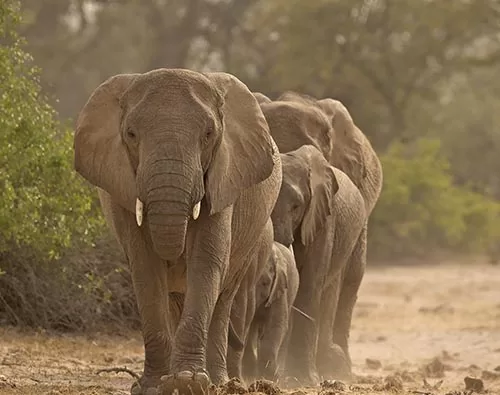
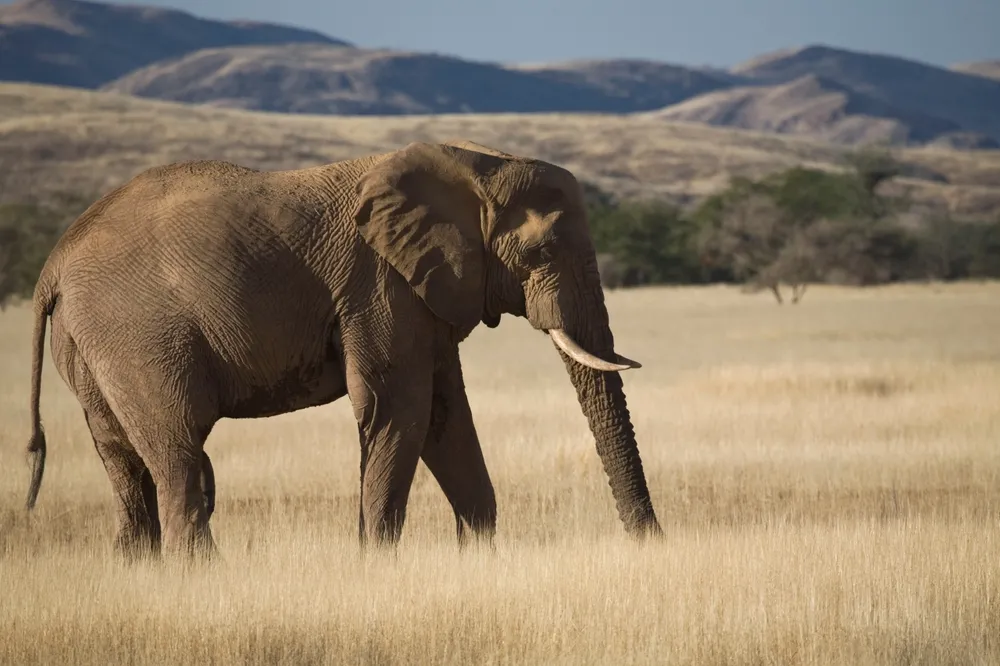
PhotoDesert-adapted elephants crossing a dry Damaraland riverbed.
The reason to come

Desert wildlife and rhino on foot

Damaraland's wonder is survival — elephants and black rhino persisting where the desert seems to forbid it. Tracking a free-ranging black rhino on foot, with the conservancy rangers who protect them, across this ancient red landscape, is one of the most profound wildlife experiences in Africa — earned, rare, and unforgettable.

The desert elephants

Elephants adapted to the desert, walking huge distances along dry riverbeds between scattered water — a marvel of survival.

Black rhino on foot

The largest free-ranging black rhino population on earth, tracked on foot with the Save the Rhino Trust rangers.

Rock art and scenery

The ancient Twyfelfontein engravings and the towering Brandberg — deep human history in dramatic terrain.

An honest note

Damaraland's wildlife is sparse and hard-won — this is not Etosha's density. You come for the landscape, the survival story and the rhino tracking, and treat each sighting as the rare gift it is.
Survival against the odds

Why this wildlife matters.

That elephants and rhino live here at all is extraordinary — and fragile. Damaraland's desert-adapted wildlife exists on a knife-edge of water and tolerance, protected by community conservancies and trusts whose work is part of what you support by visiting. The wildlife is rare, the story profound, the landscape unforgettable.
PhotoThe Twyfelfontein rock engravings in the red desert.
When to come — honestly

Best in the dry winter.

May – October
Best
Dry, cool winter — the prime months. Wildlife concentrates along the dry rivers' remaining water, and conditions are ideal for tracking and travel.
November – April
Good
Hot summer — occasional rains can flush the rivers and scatter the game, but bring dramatic skies and a transformed desert.
Damaraland's wildlife depends on the scarce water of the dry season, which concentrates the elephants and rhino along the ephemeral rivers and makes tracking most rewarding. The summer rains, when they come, transform and scatter.
Conservancy country

Conservation by community

Damaraland's wildlife survives largely because of Namibia's pioneering communal conservancies, where local communities manage and benefit from the wildlife on their land — a model that has helped desert elephants and black rhino recover. Visiting is, directly, supporting that system.

The Save the Rhino Trust and the conservancies do the hard, dangerous work of protecting free-ranging black rhino against poaching across this vast, roadless terrain — the reason the rhino are still here to track.

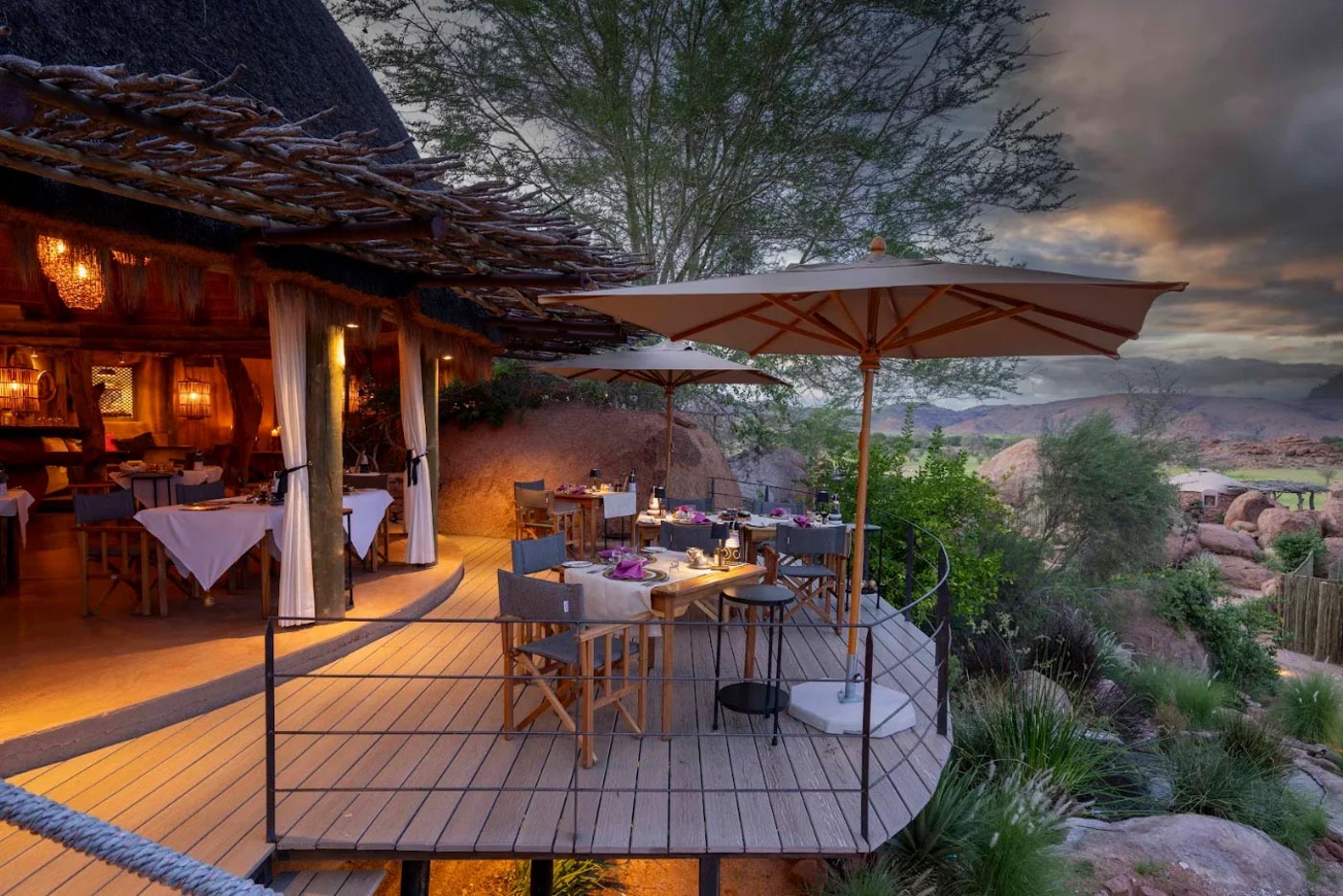
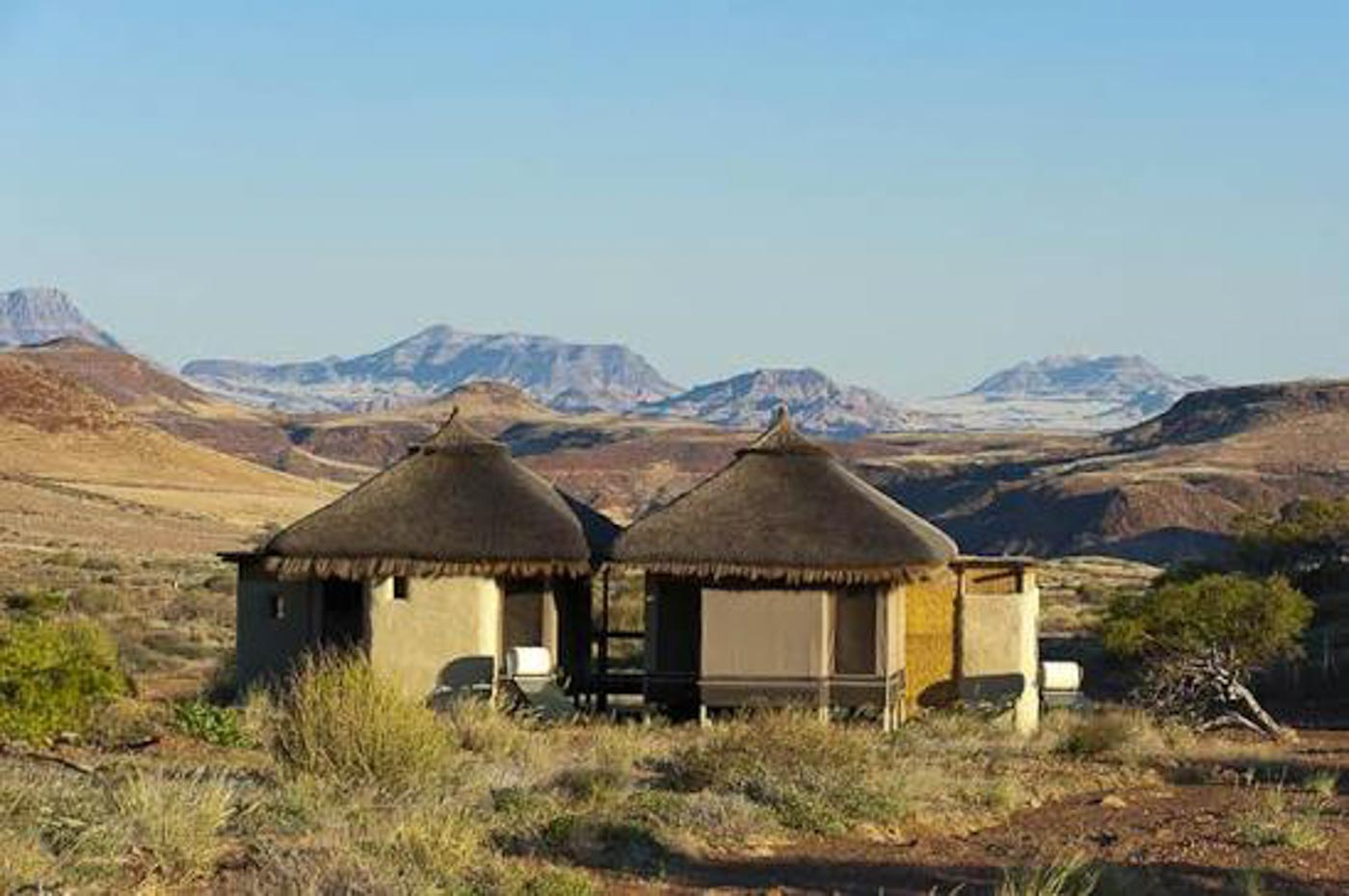
We run Damaraland through the conservancy lodges and the rhino trust, so your visit supports the community conservation that keeps the desert wildlife alive.
Beyond the obvious

Three ways to read Damaraland.

PhotoTracking black rhino

Tracking black rhino

On foot with the trust's rangers — one of Africa's most profound wildlife experiences.
PhotoDesert elephants

Desert elephants

Following the ephemeral rivers for the elephants that survive the desert.
PhotoRock art and Brandberg

Rock art and Brandberg

The ancient Twyfelfontein engravings and Namibia's highest mountain.

Why Wild Voyager

We get the Namibia route right.

Namibia is a country of vast distances and dramatic landscapes — self-drive or fly-in, desert and wildlife in sequence. In Damaraland that means running it through the conservancy lodges and the rhino trust, so the tracking happens and your visit supports the community conservation behind it.

We plan the route, not just the beds

Namibia is about distance and landscape — the wrong route is days lost on gravel. We plan the self-drive or fly-in logistics so the desert and the wildlife actually connect.

We base you in the right place

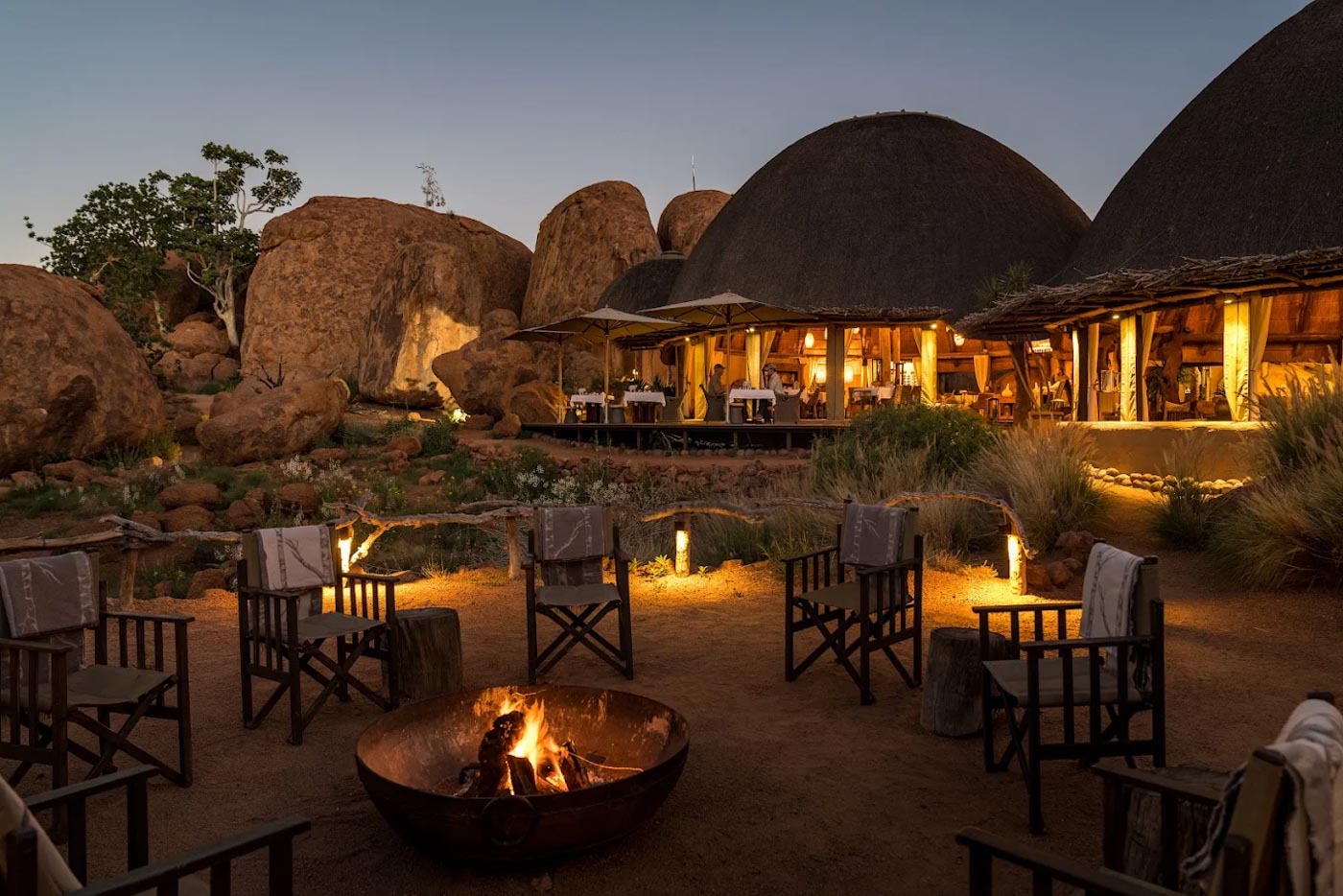
Damaraland is vast and roadless, and its wildlife is found through the conservancies and the rhino trust. We base you at the conservancy lodges that hold the traversing and the trackers, so the desert wildlife and the rhino tracking actually come together.

We guide for wildlife, not a checklist

Our guides and trackers work the terrain, the tracks and the light for real encounters — they would rather earn you one great sighting than rush a list.
Wildlife you may see
Elephants Rhinos

Track desert rhino
on foot.

Damaraland is ancient desert wilderness with elephants and black rhino that survive against the odds. We pair the rhino tracking and the scenery with Etosha and the coast.

Plan a Namibia trip
Field notes, now and then.

Where to go · When to go · Wildlife in season

A few times a year, never more. Unsubscribe anytime. See our Privacy Policy.