Enquire
Home  /  Botswana  /  Central Kalahari Game Reserve
Kalahari wilderness · Botswana

Central Kalahari Game Reserve

One of the largest reserves on earth — black-maned lions, the green-season migration, and vast Kalahari emptiness.
Getting there
Fly-in to the camps, or a serious 4x4 expedition into the interior
Best for
Kalahari lions, the green-season game, desert solitude and big skies
The land
Immense semi-arid savanna and ancient riverbeds in Botswana's centre
Good to know
Vast and remote; the green season is prime, the reverse of the Delta
What it is
The Central Kalahari is emptiness on a scale few places match — and in the green season, it comes alive.
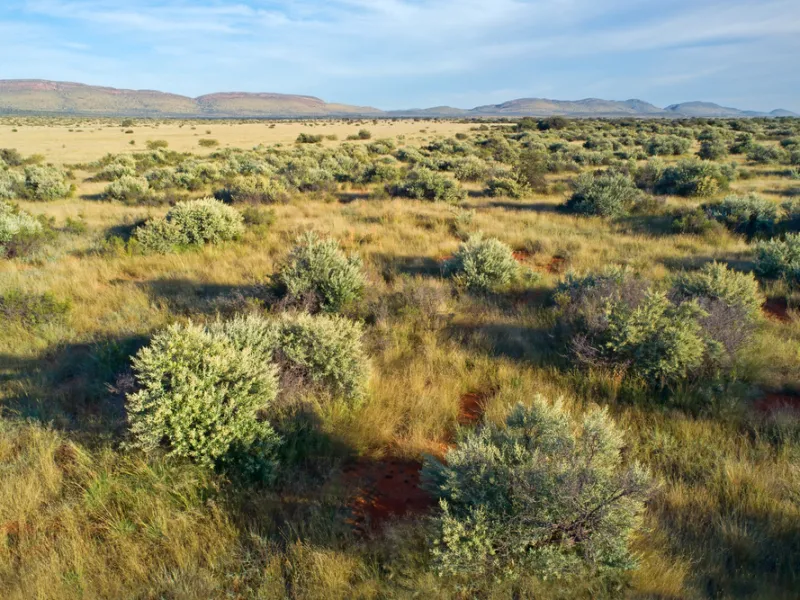
The Central Kalahari Game Reserve is one of the largest protected areas on earth — an immense, remote wilderness of semi-arid savanna, fossil riverbeds and open pans at the heart of Botswana. For much of the year it is starkly empty, but in the green season the summer rains transform it: the pans and valleys, like the famous Deception Valley, flush green and draw great herds of springbok, gemsbok and zebra, and with them the Kalahari's predators — the iconic black-maned lions, cheetah and brown hyena. Add meerkats, vast skies and total solitude, and it offers a desert safari, and a sense of space, found almost nowhere else.
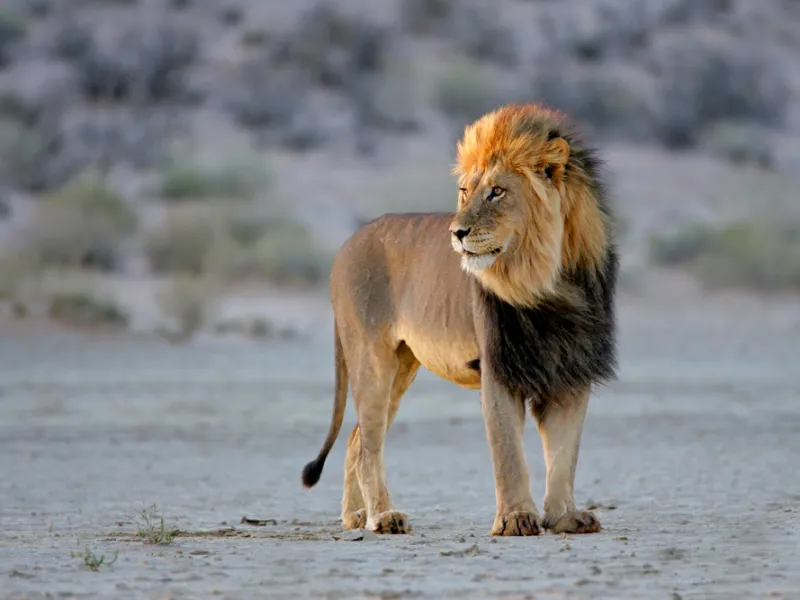
A black-maned Kalahari lion in the golden grass of Deception Valley.
The reason to come

Kalahari lions and green-season game

The Central Kalahari's magic is the green season, when the rains turn the desert to grassland and draw herds and their predators onto the pans. The black-maned lions, the cheetah on the open plains, the meerkats and the sheer, overwhelming space make it a desert safari of rare drama — and a striking counterpoint, in both season and feel, to the watery Delta.

Black-maned lions

The Kalahari's famous dark-maned lions, hunting the open plains — the desert's iconic predator.

The green-season herds

Summer rains flush Deception Valley and the pans, drawing springbok, gemsbok and zebra, and the predators after them.

Space and solitude

One of the largest reserves on earth — vast skies, total silence and a sense of emptiness found almost nowhere.

Worth knowing

The Central Kalahari runs opposite to the Delta — its prime is the green summer season, when the rains bring the game and the predators onto the pans. In the dry season it is starkly empty, beautiful but quiet.
The great emptiness

Why the Kalahari compels.

After the water of the Delta, the Kalahari is the other Botswana — vast, dry, open and overwhelming in its space. In the green season it transforms, the pans alive with herds and the famous black-maned lions, in a landscape of total solitude and enormous skies. For desert wilderness and a sense of scale, it is profound.
A meerkat sentinel standing watch on the open Kalahari.
When to come — honestly

Prime in the green season.

December – April
Best
Green summer — the prime season here. The rains flush the pans and valleys, drawing herds and predators onto the open grasslands for the Kalahari's best game viewing.
May – October
Good
Dry winter — starkly beautiful and very quiet, with game dispersed and concentrated only near scattered water; cold nights and vast solitude.
Uniquely, the Central Kalahari is best in the green summer, when the rains transform the desert and draw the herds and the black-maned lions onto the flushed pans — the reverse of the Delta. The dry winter is beautiful but empty, a time of solitude more than wildlife.
A vast, contested wilderness

Desert, wildlife and the San

The Central Kalahari is the ancestral land of the San (Bushmen), whose presence and rights within the reserve have been the subject of long, difficult disputes with the state — a complex and sometimes painful modern history that is part of an honest understanding of the place.

Its sheer size and remoteness have preserved a near-pristine Kalahari ecosystem, with its distinctive desert-adapted wildlife and the dramatic seasonal pulse of the green-season rains driving the whole system.

We time the Central Kalahari for the green season and base you for the Deception Valley herds and lions, pairing it with the Delta for the desert-and-water contrast.
Beyond the obvious

Three ways to read the Kalahari.

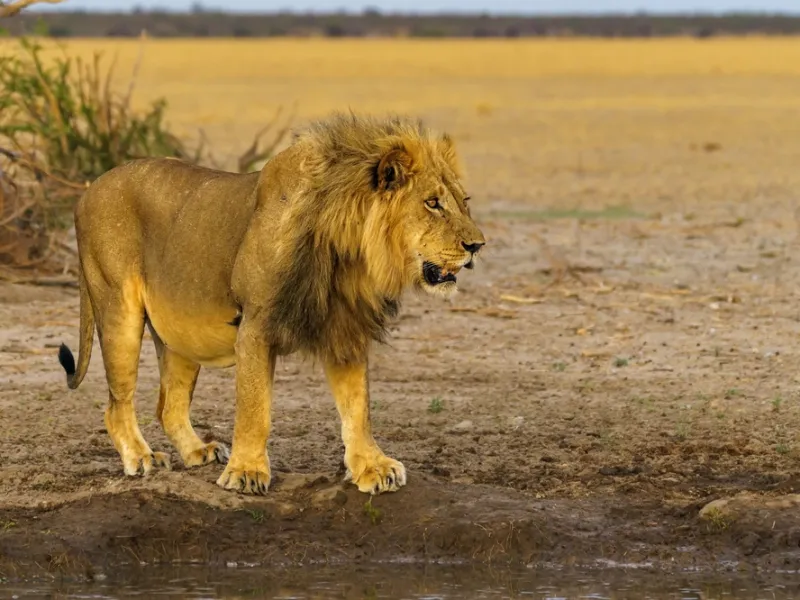
Black-maned lions

Black-maned lions

The Kalahari's iconic predators on the open plains.
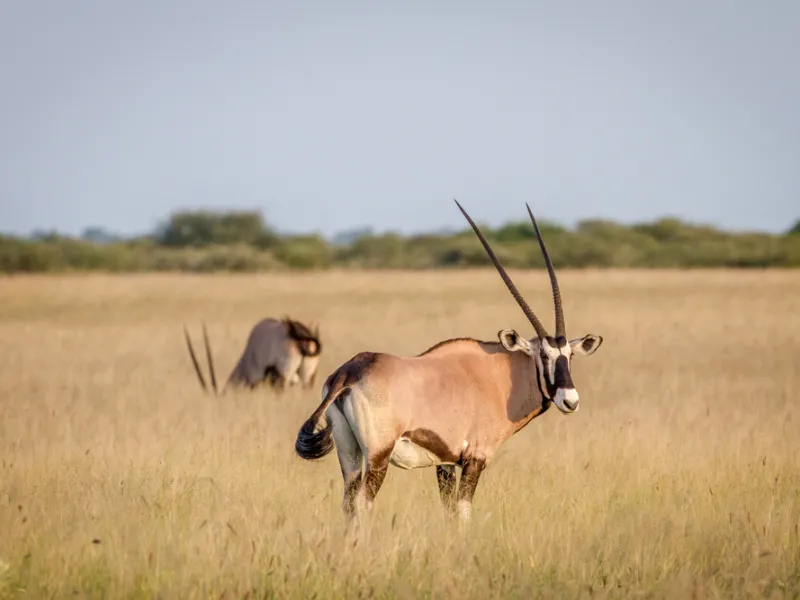
Green-season herds

Green-season herds

Deception Valley and the pans alive with springbok, gemsbok and zebra after the rains.
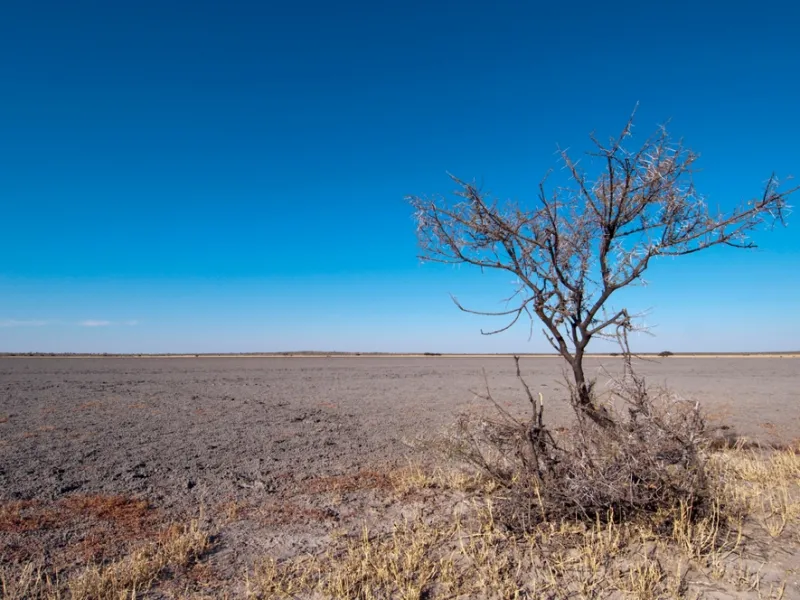
Desert solitude

Desert solitude

Meerkats, vast skies and the emptiness of one of earth's largest reserves.

Why Wild Voyager

We match you to the right camp and concession.

Botswana runs a deliberate high-cost, low-volume safari — exclusive concessions, fly-in camps, water and land. In Central Kalahari Game Reserve that means timing it for the green season and basing you for the Deception Valley herds and lions, paired with the Delta for desert-and-water contrast.

We pick the camp and concession, not the cheapest bed

Botswana lives or dies on the concession and the camp — the traversing, the water, the exclusivity. We match you to the right one, and time it to the flood and the season.

We base you in the right place

The Central Kalahari is immense, and its few camps cluster around the productive valleys like Deception. We base you there for the green-season game and time it opposite the Delta for the contrast.

We guide for wildlife, not a checklist

Our guides work the water, the terrain and the light for real encounters — they would rather earn you one great sighting than rush a list.
Wildlife you may see
Cheetah Lion

Find lions in the
green Kalahari.

The Central Kalahari is vast desert wilderness — black-maned lions and the green-season herds. We time it right and pair it with the Delta for contrast.

Plan a Botswana trip
Field notes, now and then.

Where to go · When to go · Wildlife in season

A few times a year, never more. Unsubscribe anytime. See our Privacy Policy.