Enquire
Home  /  Zimbabwe  /  Hwange
National park · Zimbabwe

Hwange

Zimbabwe's largest park and one of Africa's great elephant landscapes, built around pumped waterholes.
Getting there
~1 hr drive or short charter from Victoria Falls
Best for
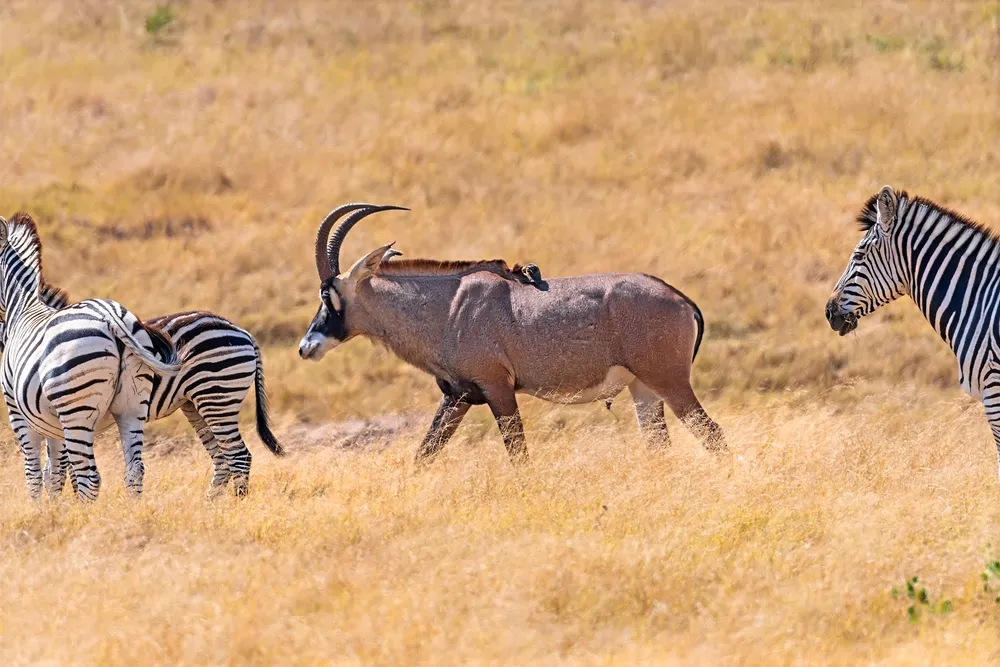
Huge elephant herds, predators, classic dry-season game viewing at waterholes
The land
Kalahari sand, teak woodland and open vleis dotted with pumped pans
Good to know
In the dry season the artificial pans concentrate astonishing numbers of elephant
What it is
Hwange is elephant country on a scale that is hard to picture until you are sitting at a waterhole at dusk.
The park sits on Kalahari sand with no natural rivers, so life revolves around pumped waterholes — and in the dry months the elephant, buffalo and predators gather there in numbers. It is also strong for lion, wild dog and cheetah, and the guiding tradition here is among the best on the continent.
Hwange National Park — national park.
The reason to come

The waterhole at dusk

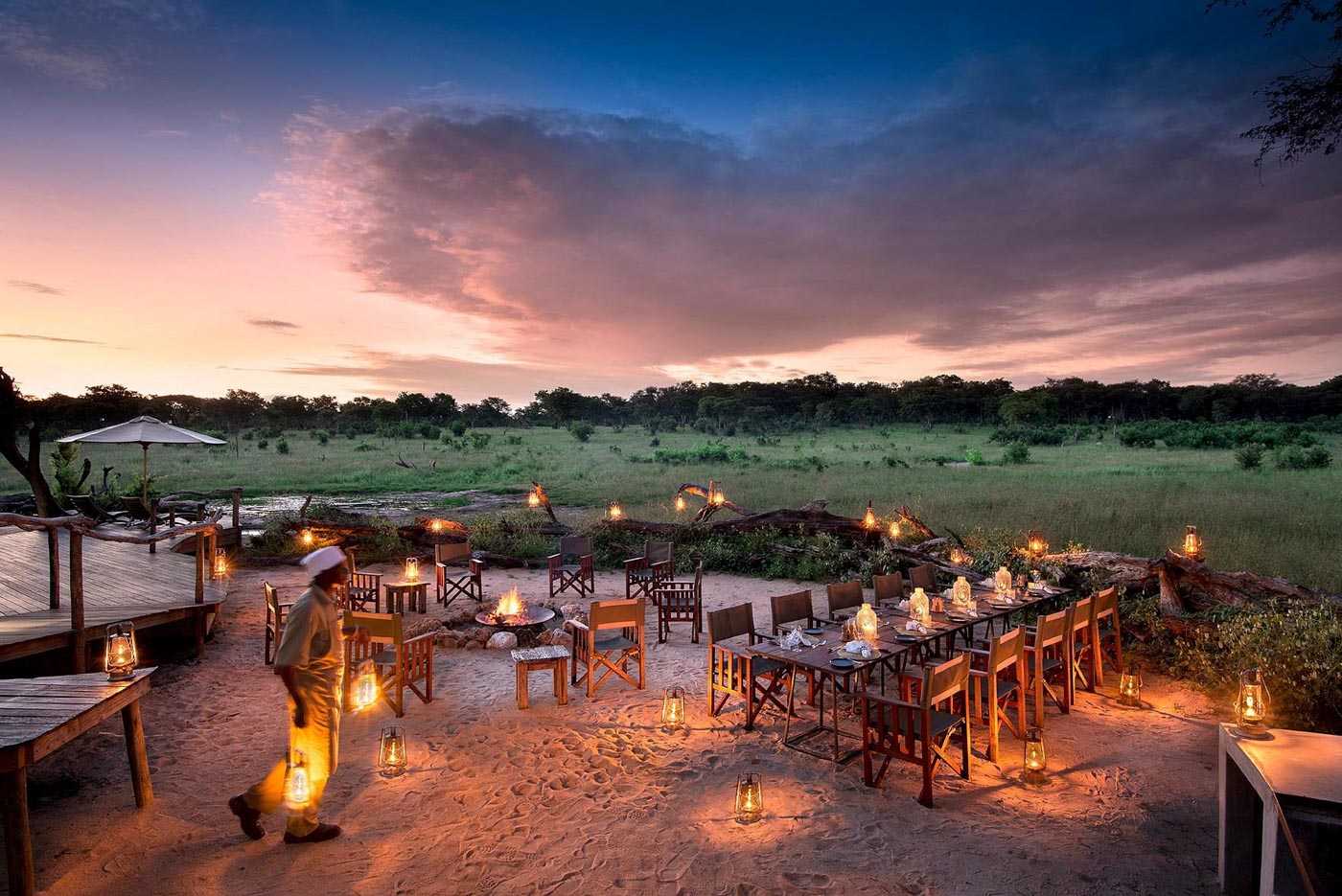
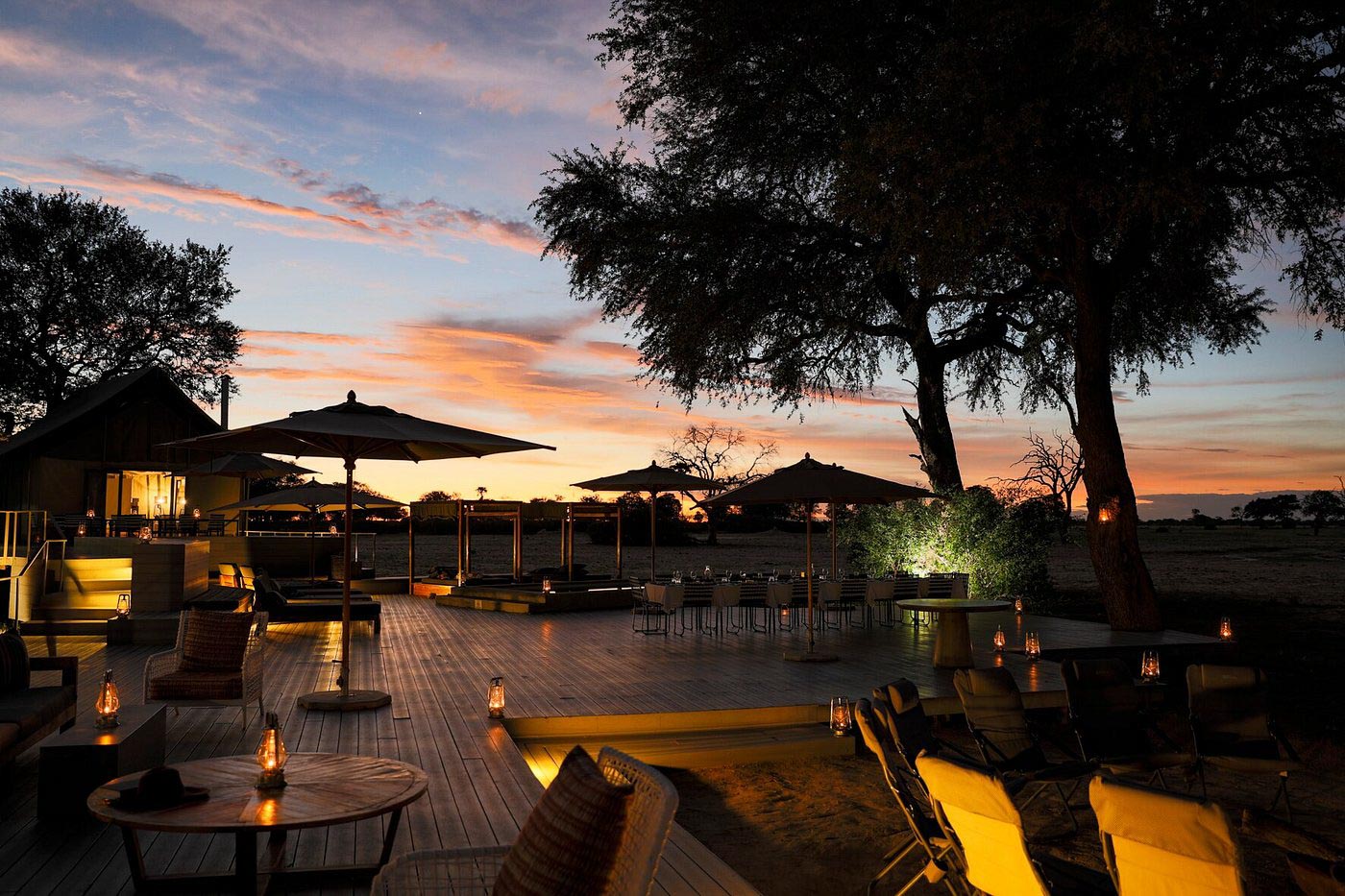
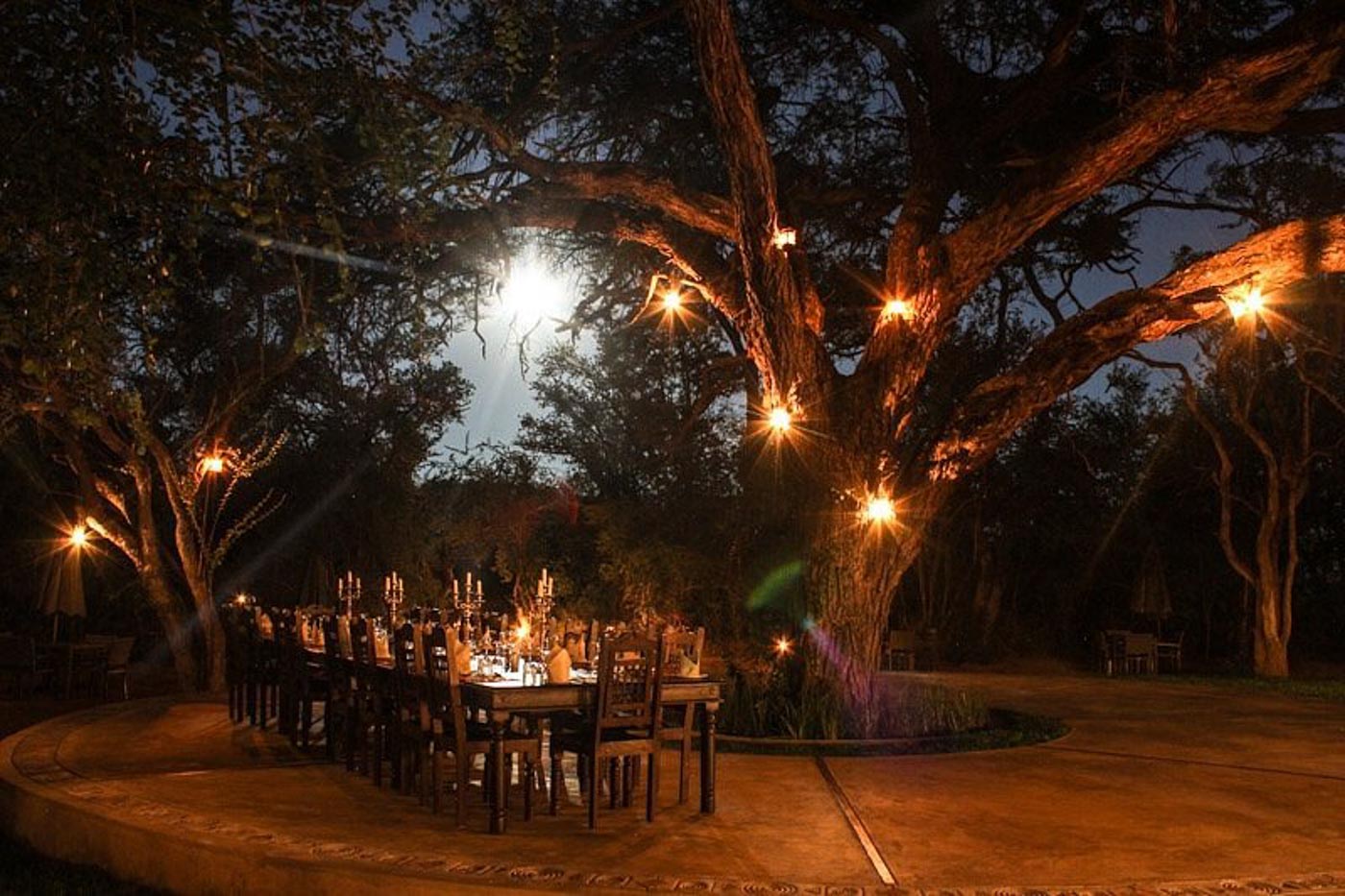
Hwange's drama happens at the water. Camps are built to look over the pans, and the dry-season evenings are the headline.

The elephant herds

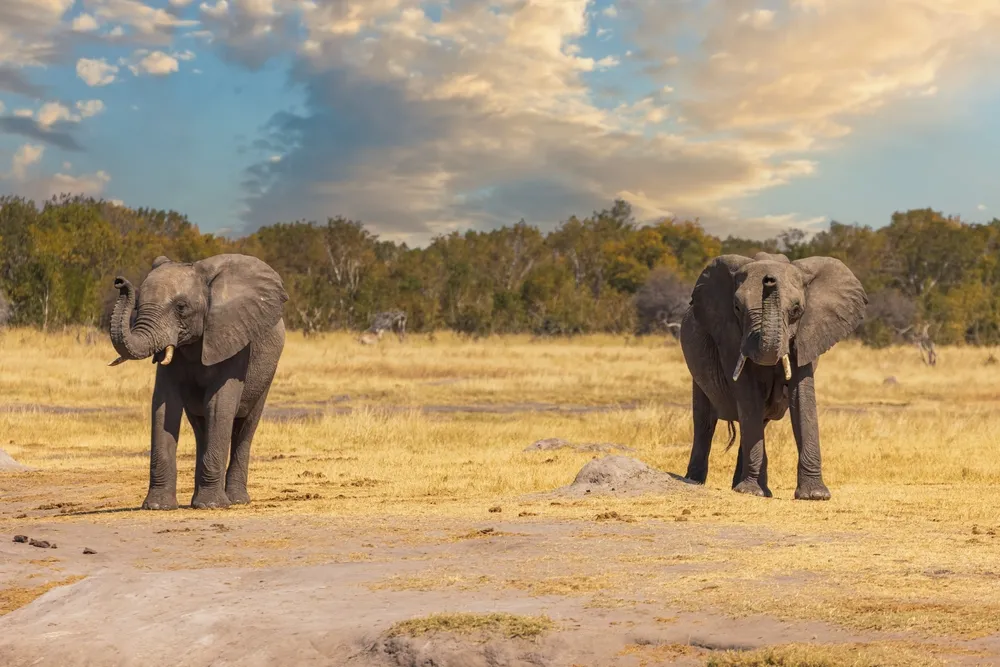
Hundreds can come to drink in an evening, jostling at the pan in the last light.

The predators

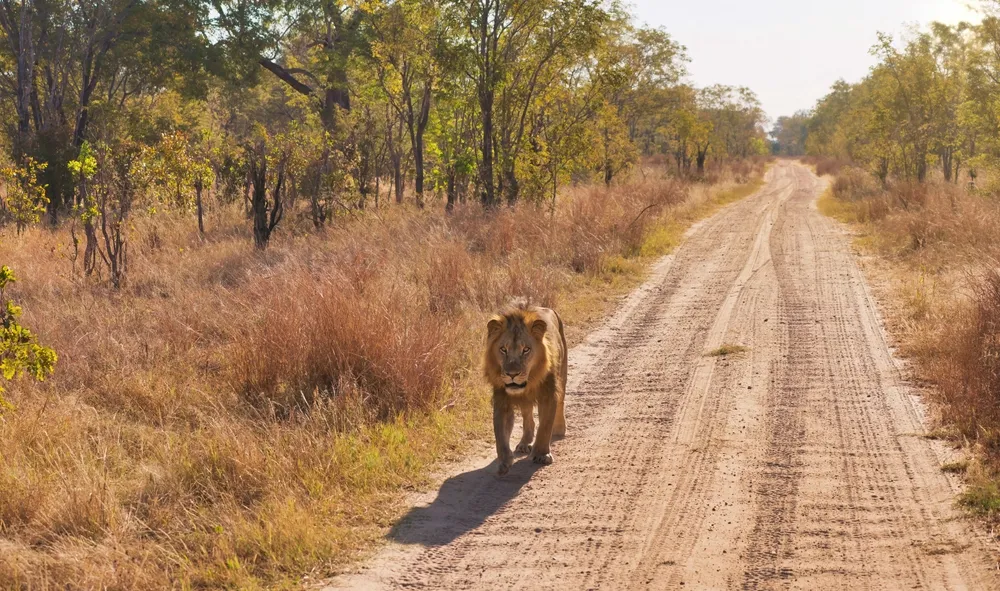
Lion prides patrol the pans; wild dog and cheetah hunt the open vleis.

Pan-side hides

Some camps have sunken hides at the water for eye-level photography.

Worth knowing

Conservation by borehole

Hwange's wildlife survives the dry months because of pumped water — a reminder that this wilderness is actively kept alive.
Elephant herd filing in to a Hwange pan at last light.
When to come — honestly

The dry season makes Hwange.

July – October
Best
Peak dry season. Game piles up at the pumped pans; the single best elephant viewing.
May – June
Good
Early dry. Cooler, greener, game beginning to concentrate.
November – April
Good
Green season. Newborns, migrant birds and dramatic skies; game more dispersed.
Without rivers, Hwange depends on its pumps — by August the pans are the whole show, and the numbers are extraordinary.
Context

A managed wilderness

Hwange has no permanent natural water, so its game depends on a network of boreholes and pumps maintained year-round. The wildlife you see in the dry season is, in part, a conservation achievement.

The park is vast and varied — from the Kalahari sand-veld of the south to the teak forests of the north — and rewards more than a single night.

Beyond the obvious

More to Hwange National Park.

Evening at a pan

Evening at a pan

Sundowners over a waterhole as the elephant herds file in to drink.
Predator drives

Predator drives

Tracking lion and wild dog across the vleis at first light.
Photographic hide

Photographic hide

Eye-level at the water from a sunken hide.

Why Wild Voyager

We send you with Zimbabwe's best guides.

Zimbabwe's professional guides are the most rigorously qualified in Africa. We pair you with the camps and pro guides who make walking and canoeing here both thrilling and safe.

Handpicked camps

We choose the camp and guiding that fit your dates and pace, not whatever is left.

We time it right

We build your visit around the season that delivers — water levels, migrations and access.

Wildlife you may see
Cheetah Elephant Lion

Plan your Hwange National Park journey.

Morning and evening game drives, with sundowners over the elephant pans. Tell us your dates and we will build the route around it.

Plan a Hwange National Park trip

Field notes, now and then.

Where to go · When to go · Wildlife in season

A few times a year, never more. Unsubscribe anytime. See our Privacy Policy.