Enquire
Home  /  Namibia  /  Etosha National Park
National park & salt pan · Namibia

Etosha National Park

A vast salt pan ringed by waterholes — where the wildlife comes to you, in the dust and the shimmer.
Getting there
~4–5 hr drive north from Windhoek, or fly to a nearby airstrip
Best for
Waterhole game viewing — elephant, lion, black rhino and great herds
The land
A immense salt pan ringed by bushveld and waterholes in the north
Good to know
Dry-season waterholes are the magic; floodlit waterholes at the rest camps
What it is
Etosha is the great salt pan where, in the dry season, the wildlife simply comes to you.
Etosha is built around an immense, shimmering salt pan so large it can be seen from space — a blinding white expanse ringed by bushveld and, crucially, by waterholes. In the dry season those waterholes become the stage for one of Africa's great wildlife spectacles: elephant, lion, leopard, black rhino, giraffe, oryx and vast herds of springbok and zebra all converging to drink, often within sight of a single parked vehicle. You self-drive or take guided drives, and the rest camps' floodlit waterholes deliver extraordinary night sightings, including black rhino. For accessible, reliable, dramatic game viewing, Etosha is Namibia's wildlife heart.
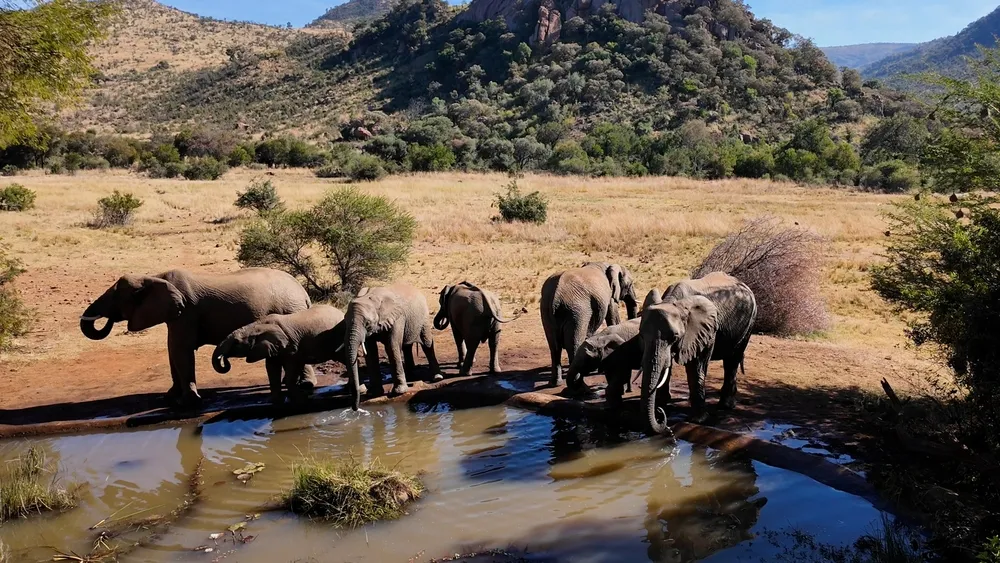
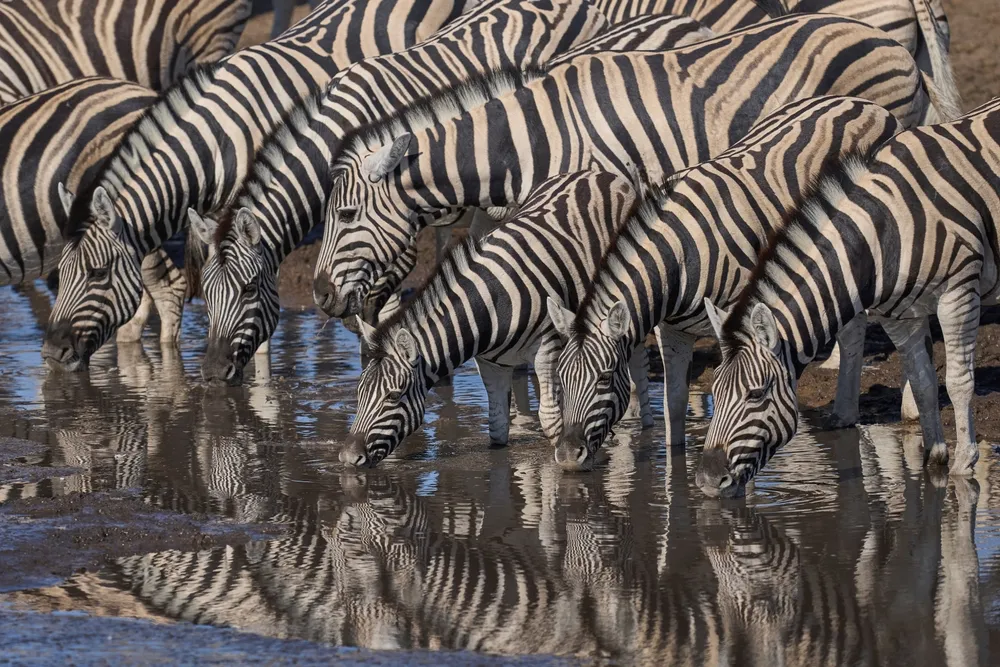
Elephant, zebra and oryx gathered at an Etosha waterhole.
The reason to come

The waterhole theatre

Etosha inverts the usual safari — instead of searching the bush, you wait at a waterhole and let the wildlife come to you. In the dry months the concentrations are staggering, with predators, elephants, rhino and great herds sharing the water in tense, constant traffic. It is game viewing at its most reliable and most cinematic.

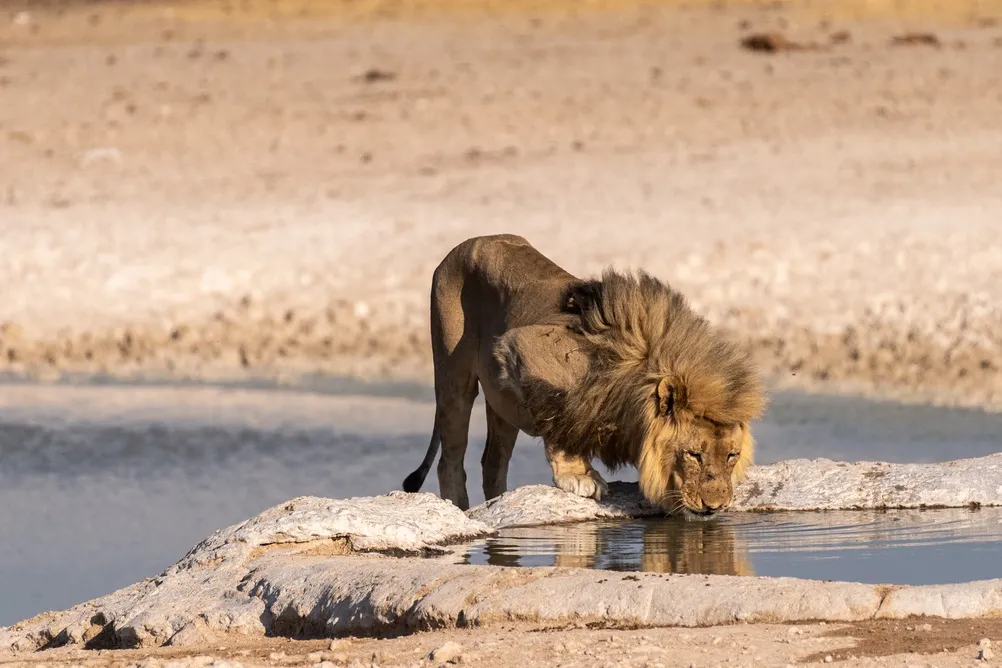
The waterholes

Dry-season waterholes draw the wildlife into the open — sit, wait, and the parade comes to you.

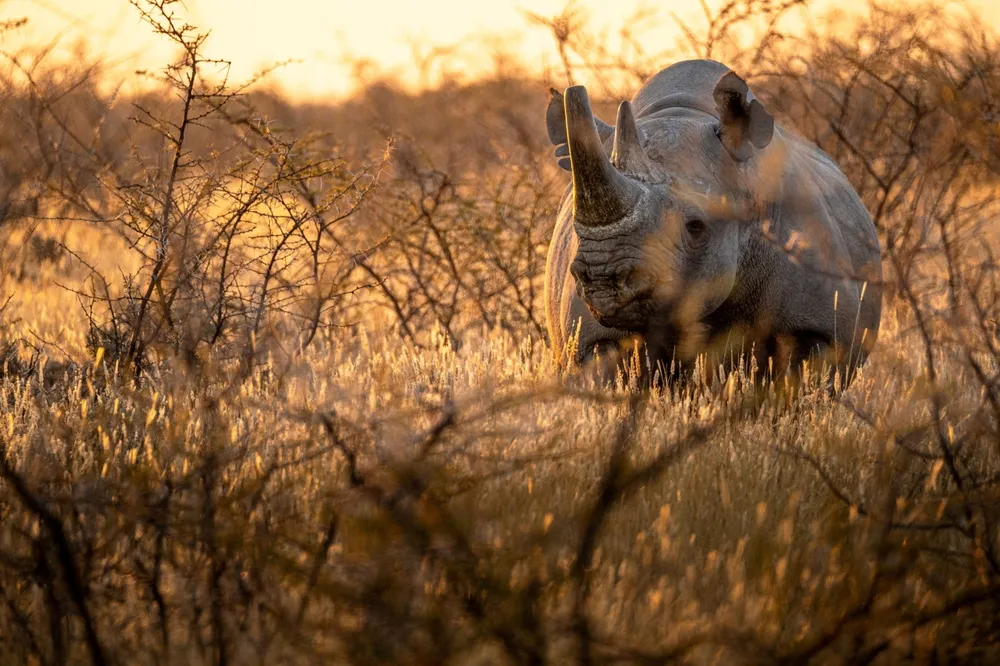
The black rhino

Etosha holds an important black rhino population, often seen at the floodlit waterholes after dark.

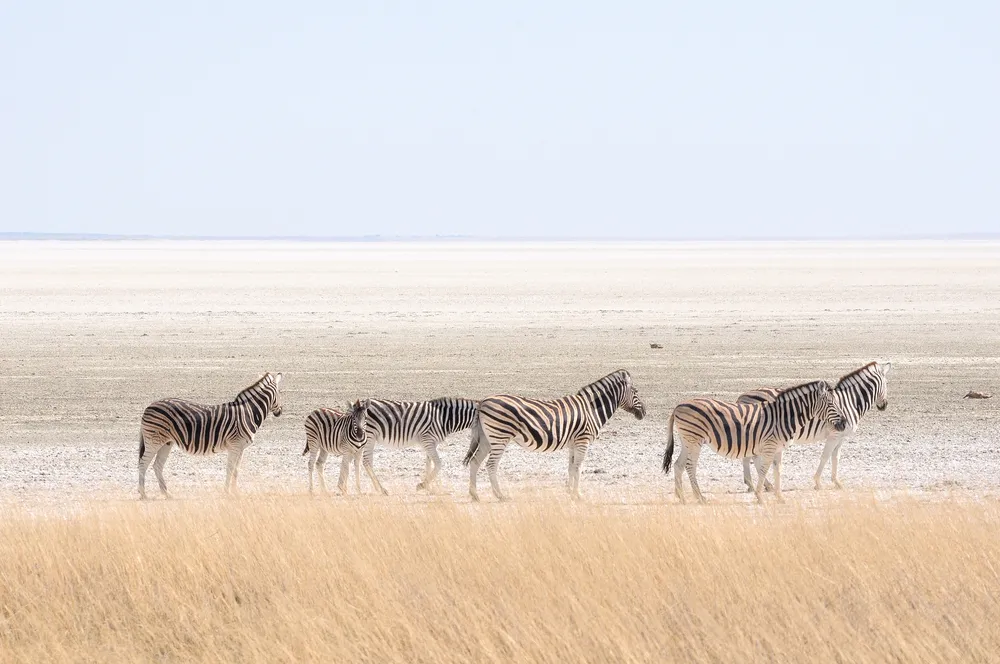
The salt pan

The vast white pan defines the park — surreal, shimmering, and ringed by the game-rich bushveld.

Worth knowing

Etosha is at its best in the dry season, when water is scarce and the animals concentrate — the green season scatters them and the viewing, while still good, is harder. The floodlit camp waterholes are a highlight in any season.
Wait, don't chase

Why the waterhole works.

Most safaris are a search; Etosha is a vigil. You pick a waterhole, settle, and let the dry-season thirst bring the wildlife to you — elephants, lions, rhino, herds, all funnelled to the same water. That patience-rewarded rhythm, and the floodlit waterholes at night, make Etosha unlike anywhere else.
A floodlit waterhole at night, black rhino at the water.
When to come — honestly

Best in the dry winter.

May – October
Best
Dry winter — the prime season. Scarce water concentrates the game at the waterholes for spectacular, reliable viewing in cool, clear conditions.
November – April
Good
Green summer — the rains scatter the game and fill temporary pans, but bring newborns, migrant birds and lush, dramatic landscapes.
Etosha's magic depends on the dry season, when the only water is at the waterholes and the wildlife has nowhere else to go. The green season disperses the animals across a flushed landscape — beautiful, birdy, but far harder for game viewing.
A pan and its waters

Managed for the dry

Etosha's wildlife survives the harsh dry season because of its waterholes, some natural springs, some maintained — the park is, in effect, managed around water, which is what makes the dry-season concentrations so reliable and so dramatic.

The great salt pan at its centre is the remnant of an ancient lake, now dry for most of the year and flooding only briefly in good rains, when flamingos can appear in their thousands — a rare, fleeting spectacle.

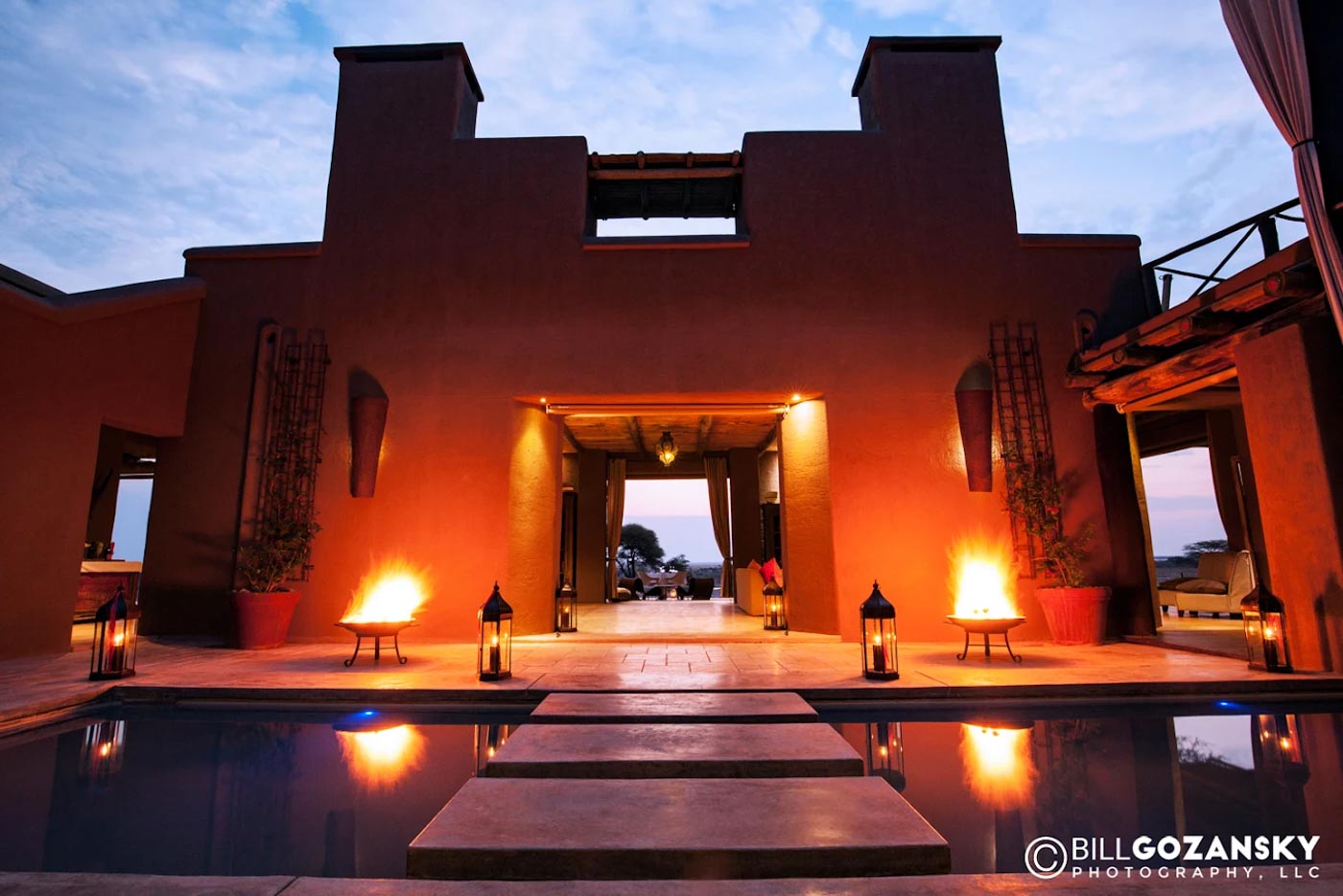
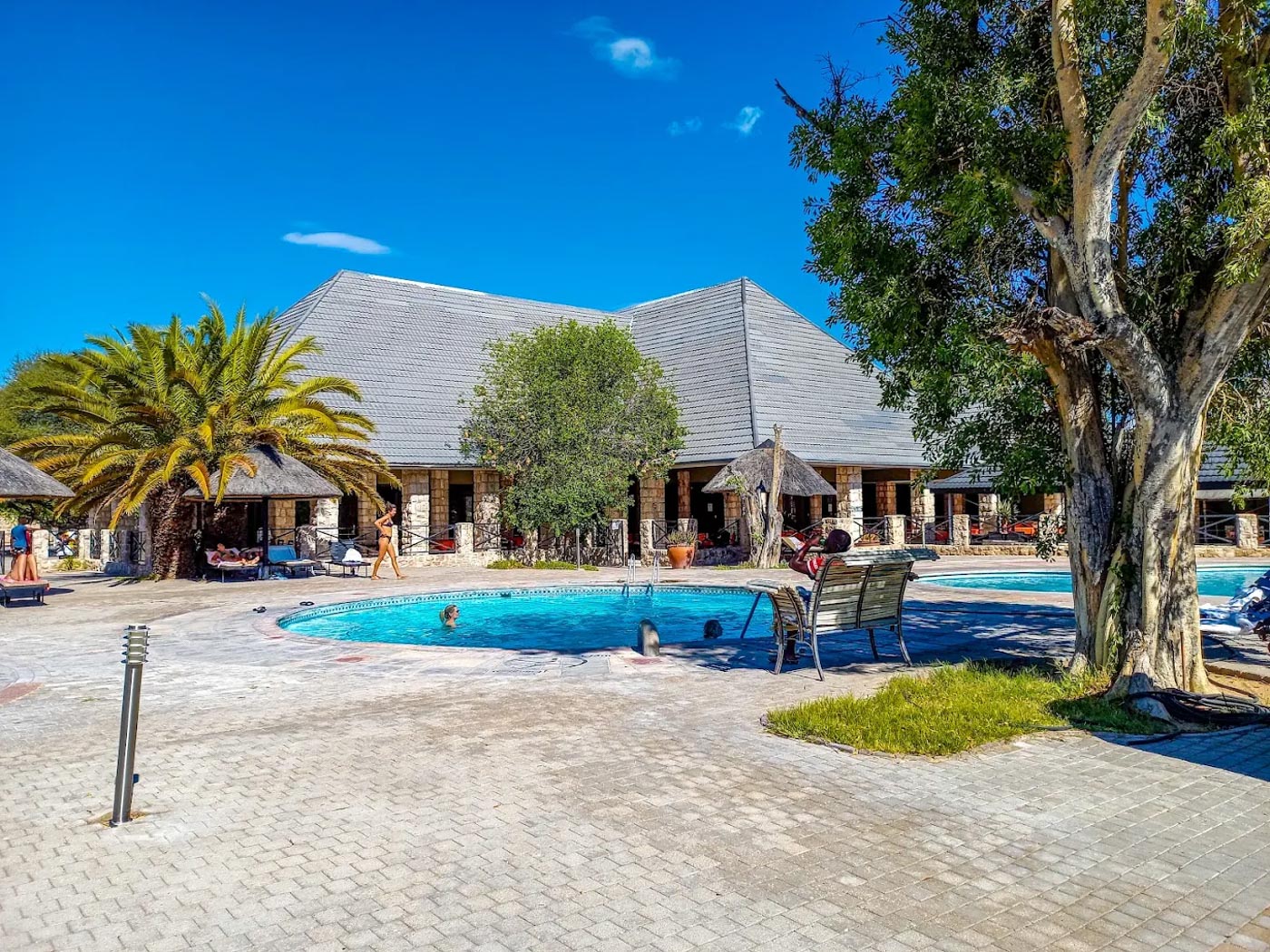
We base you at the right rest camps or lodges for the floodlit waterholes and the best waterhole circuits, and time the visit for the dry-season concentrations.
Beyond the obvious

Three ways to read Etosha.

Waterhole vigils

Waterhole vigils

Settling at the dry-season waterholes as the wildlife comes to drink.
Floodlit night game

Floodlit night game

The camps' floodlit waterholes — black rhino and predators after dark.
The salt pan

The salt pan

The surreal white expanse, and the flamingos when rare floods fill it.

Why Wild Voyager

We get the Namibia route right.

Namibia is a country of vast distances and dramatic landscapes — self-drive or fly-in, desert and wildlife in sequence. In Etosha National Park that means basing you for the floodlit waterholes and the best circuits, and timing the visit for the dry-season concentrations.

We plan the route, not just the beds

Namibia is about distance and landscape — the wrong route is days lost on gravel. We plan the self-drive or fly-in logistics so the desert and the wildlife actually connect.

We base you in the right place

Etosha's rest camps each command different waterholes, and the floodlit ones are a highlight. We base you for the best of them and route your drives around the most productive waterholes for the season.

We guide for wildlife, not a checklist

Our guides and trackers work the terrain, the tracks and the light for real encounters — they would rather earn you one great sighting than rush a list.
Wildlife you may see
Cheetah

Let the wildlife
come to you.

Etosha is Namibia's wildlife heart — waterhole game viewing at its most reliable and dramatic. We pair it with the desert and the coast for a complete trip.

Plan a Namibia trip
Field notes, now and then.

Where to go · When to go · Wildlife in season

A few times a year, never more. Unsubscribe anytime. See our Privacy Policy.