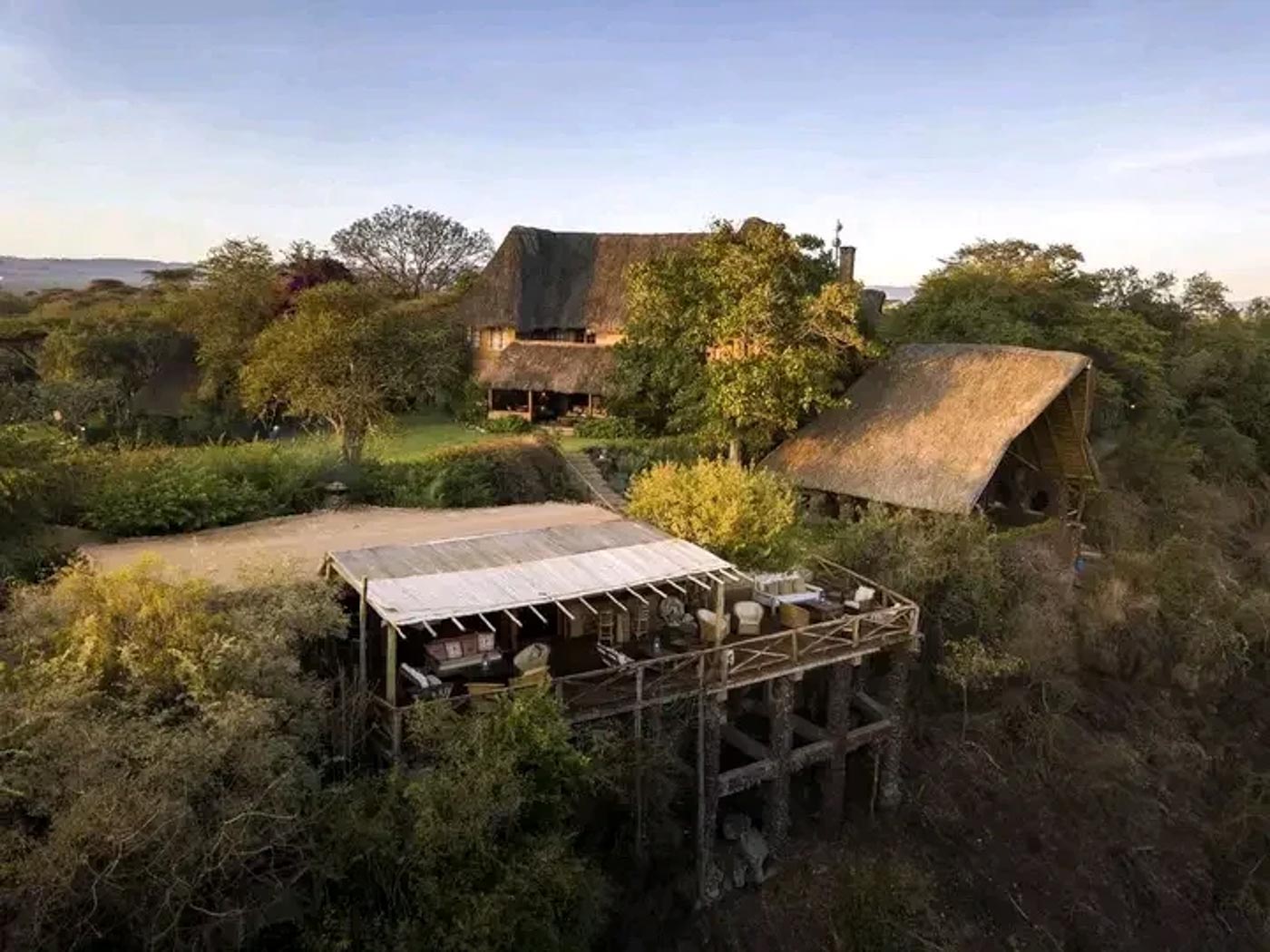
Lewa is the gold standard, and priced like it. What you're buying isn't just a safari but a stake in a working conservation model — the rhino you watch are protected partly by the fact that you came. For many travellers that's exactly the point.
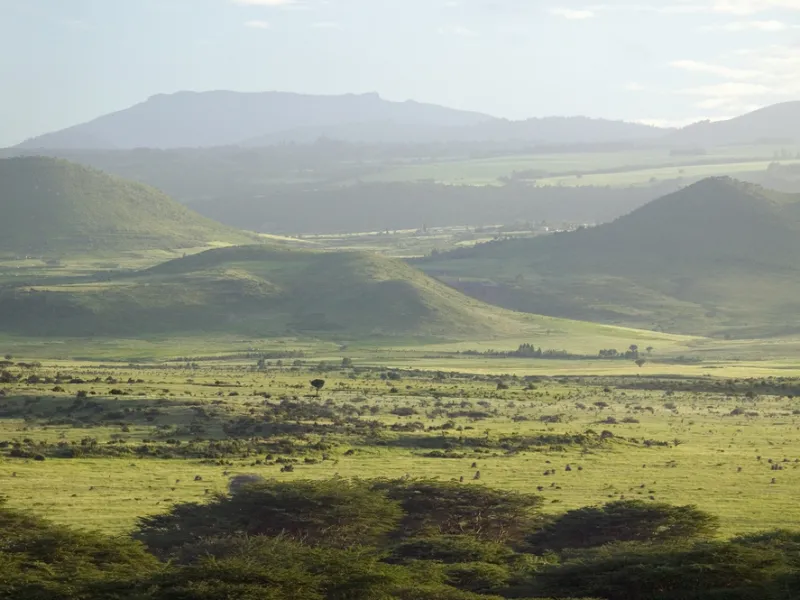
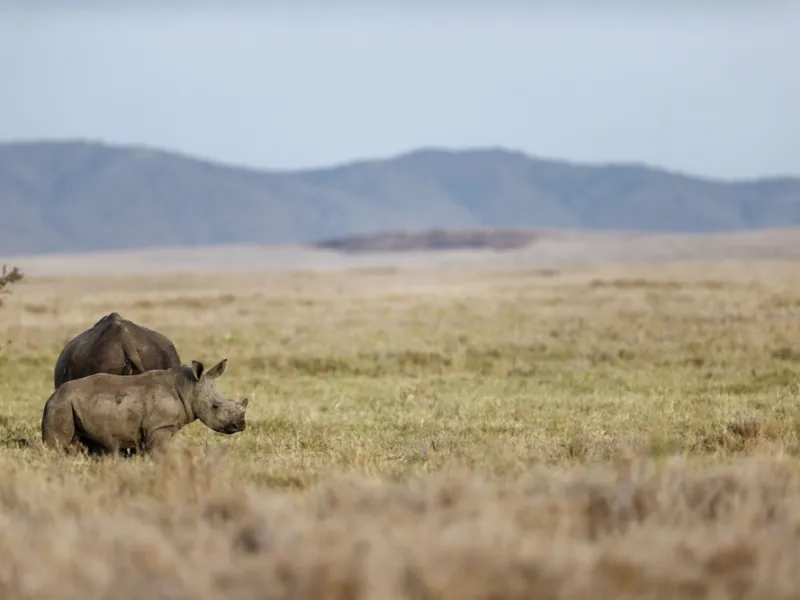
One of Kenya's most important black and white rhino populations, closely protected and often seen.
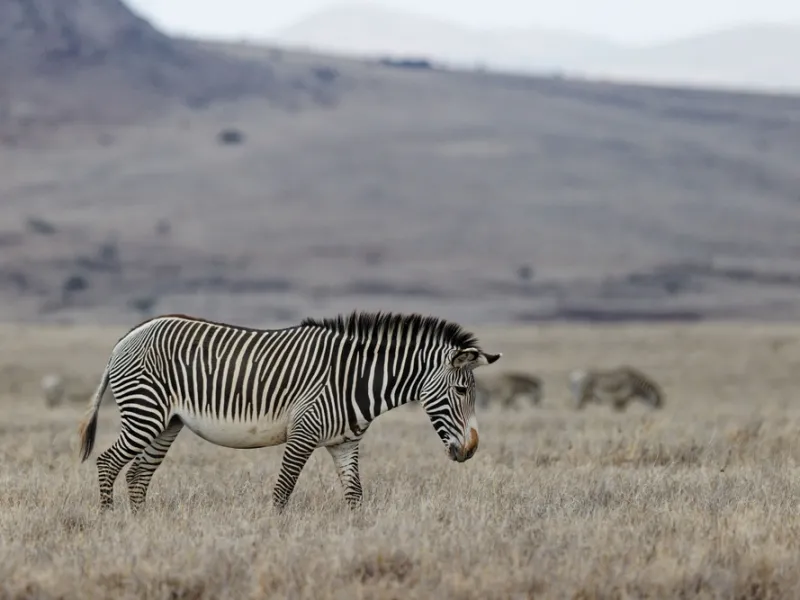
Lewa holds a large share of the world's remaining endangered Grévy's zebra.
Tourism, research and community development are tied together — the template much of East Africa now follows.
As a conservancy, Lewa allows walking safaris and night drives the parks forbid.
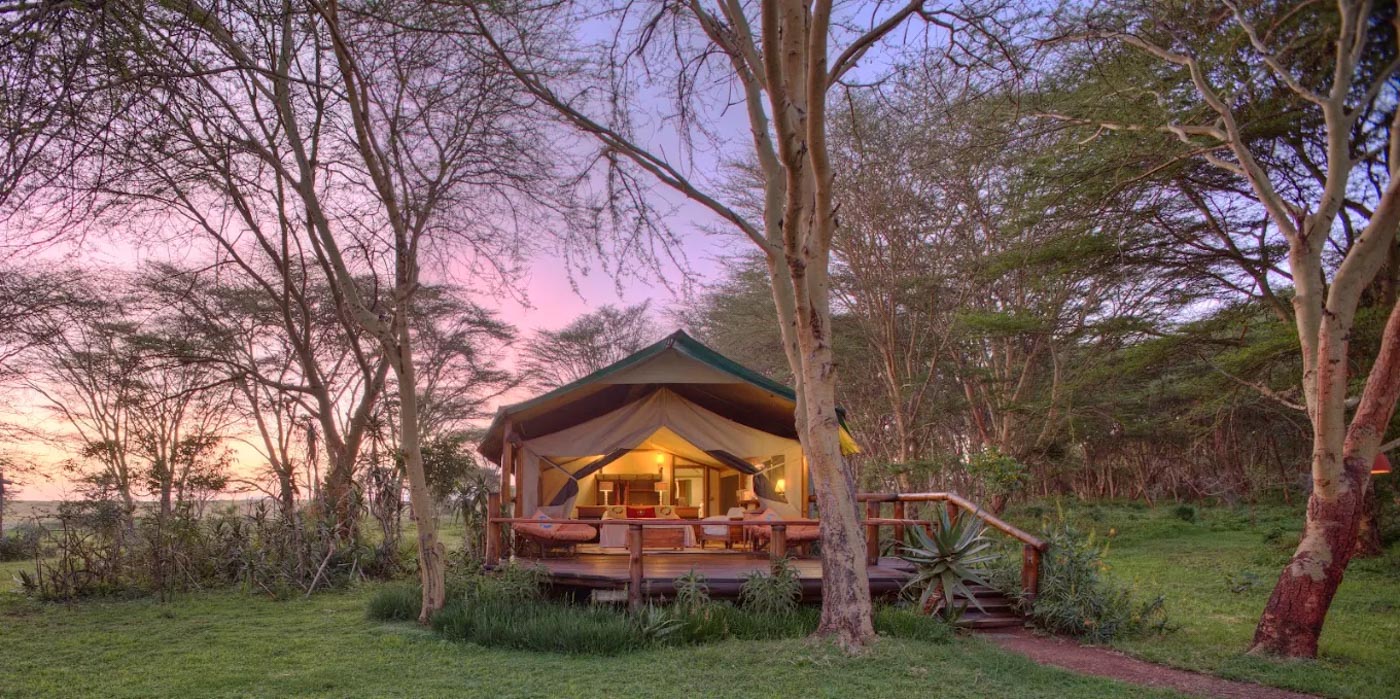
A small number of beds across a big landscape — sightings are often yours alone.
Lewa is the gold standard, and priced like it. What you're buying isn't just a safari but a stake in a working conservation model — the rhino you watch are protected partly by the fact that you came. For many travellers that's exactly the point.
Lewa helped found the Northern Rangelands Trust, a network of community conservancies that now protects huge areas of northern Kenya — so a stay here connects to a conservation story far larger than its own boundary.
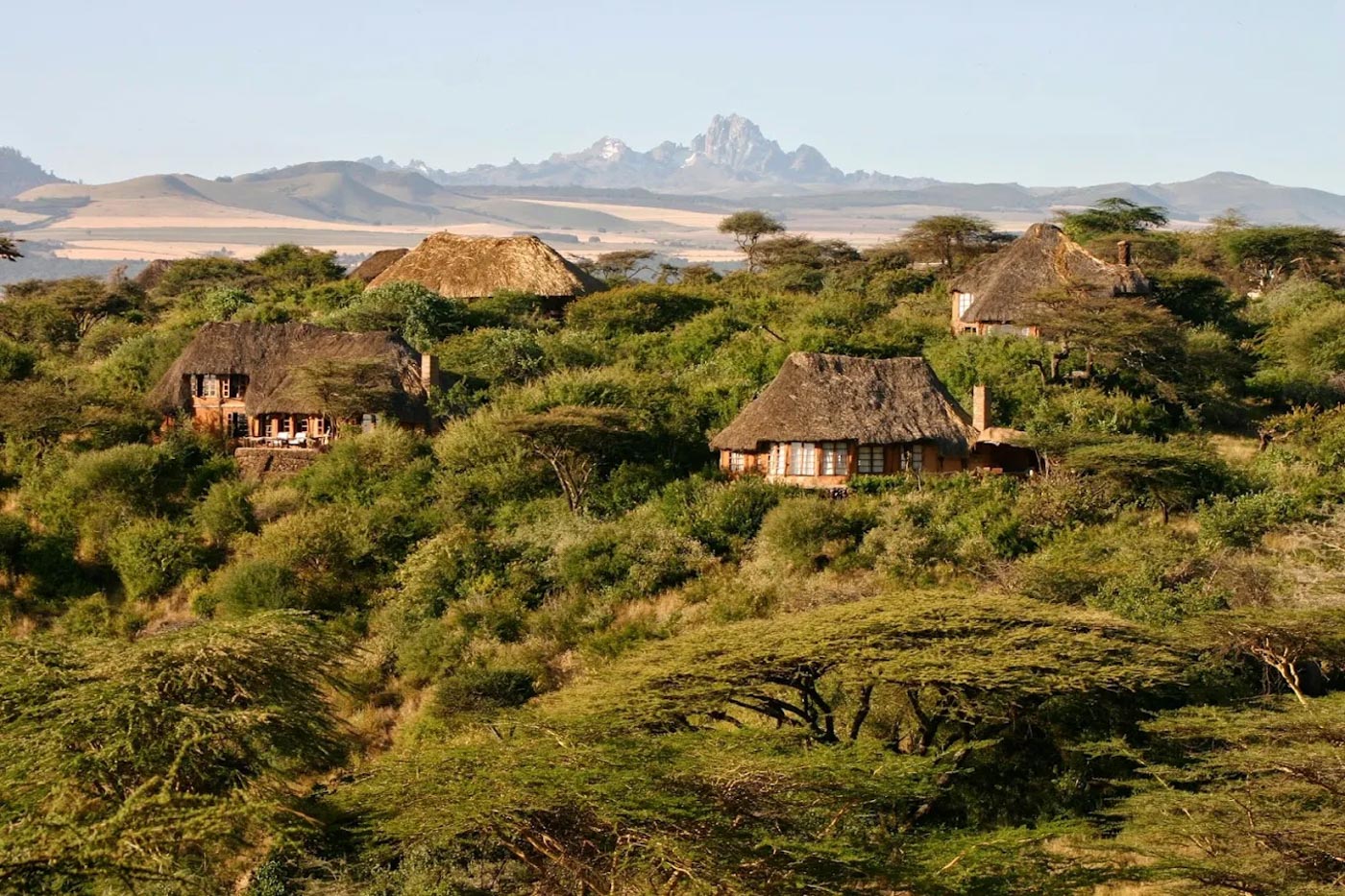
It sits within the wider Laikipia–Meru conservancy landscape, and pairs naturally with the other private lands and with Samburu's dry-country wildlife to the north.
We've skipped the donor-report detail. The point is simple and rare: here, the safari and the conservation are the same thing.

Walking the conservancy with guides who know its rhino and zebra individually.

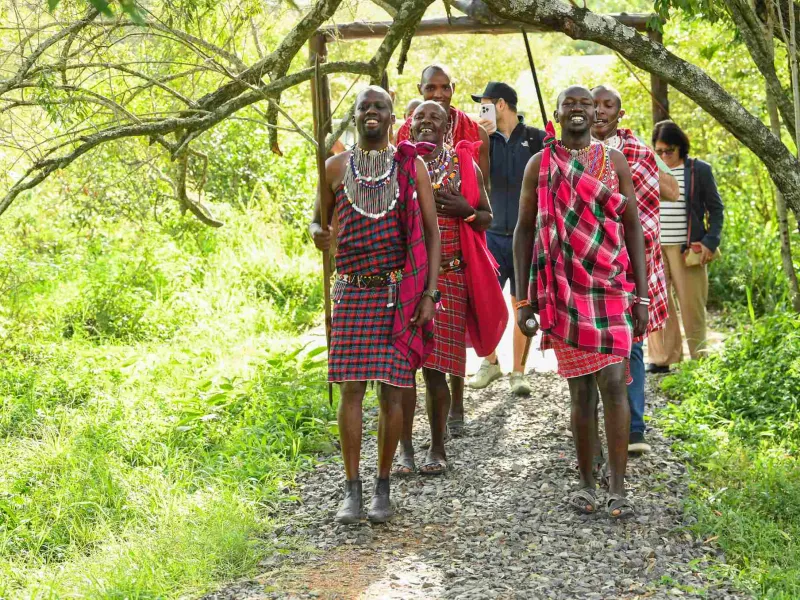
Time with the rangers and researchers who run the sanctuary.

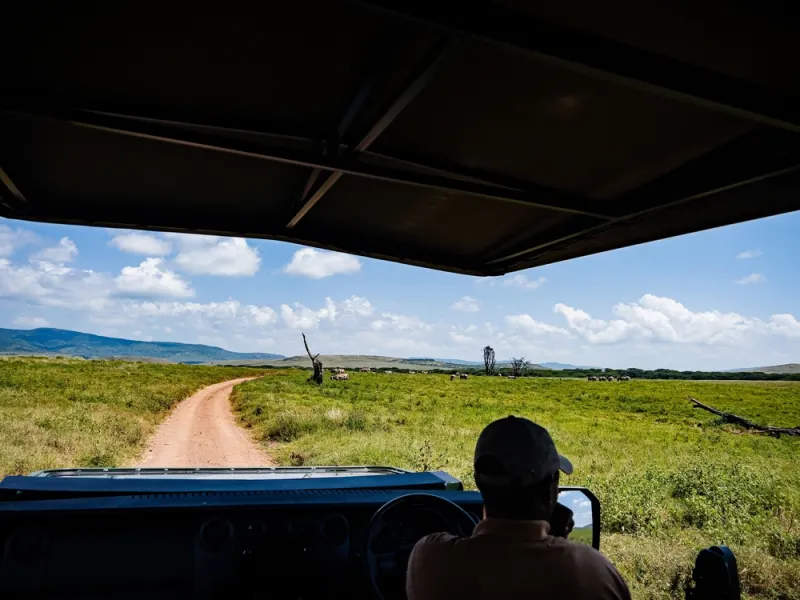
After-dark game the national parks never allow.
Guiding and arrangements on the ground, not a booking handed to a stranger.
We connect you to the rangers and the work, so the stay is more than a game drive.
Lewa pairs naturally with Samburu and the wider Laikipia conservancies.
Lewa is the conservancy model at its best — rhino, Grévy's and exclusivity, with your stay funding the protection.
Plan a Lewa safari