Enquire
Home  /  India  /  Mishmi Hills
Eastern Himalayan frontier · Arunachal Pradesh

Mishmi Hills

The far eastern Himalaya at its wildest — takin, red panda and birds few have seen.
Getting there
Remote far-eastern Arunachal, well beyond Dibrugarh — a long journey in
Best for
Frontier birding and mammals; the Mishmi takin and Eastern Himalayan endemics
The land
Deep forested mountains rising from the Dibang and Lohit valleys
Good to know
One of India's remotest wildlife regions; an expedition for the committed
What it is
The Mishmi Hills are about as far into wild India as you can go — and almost no one does.
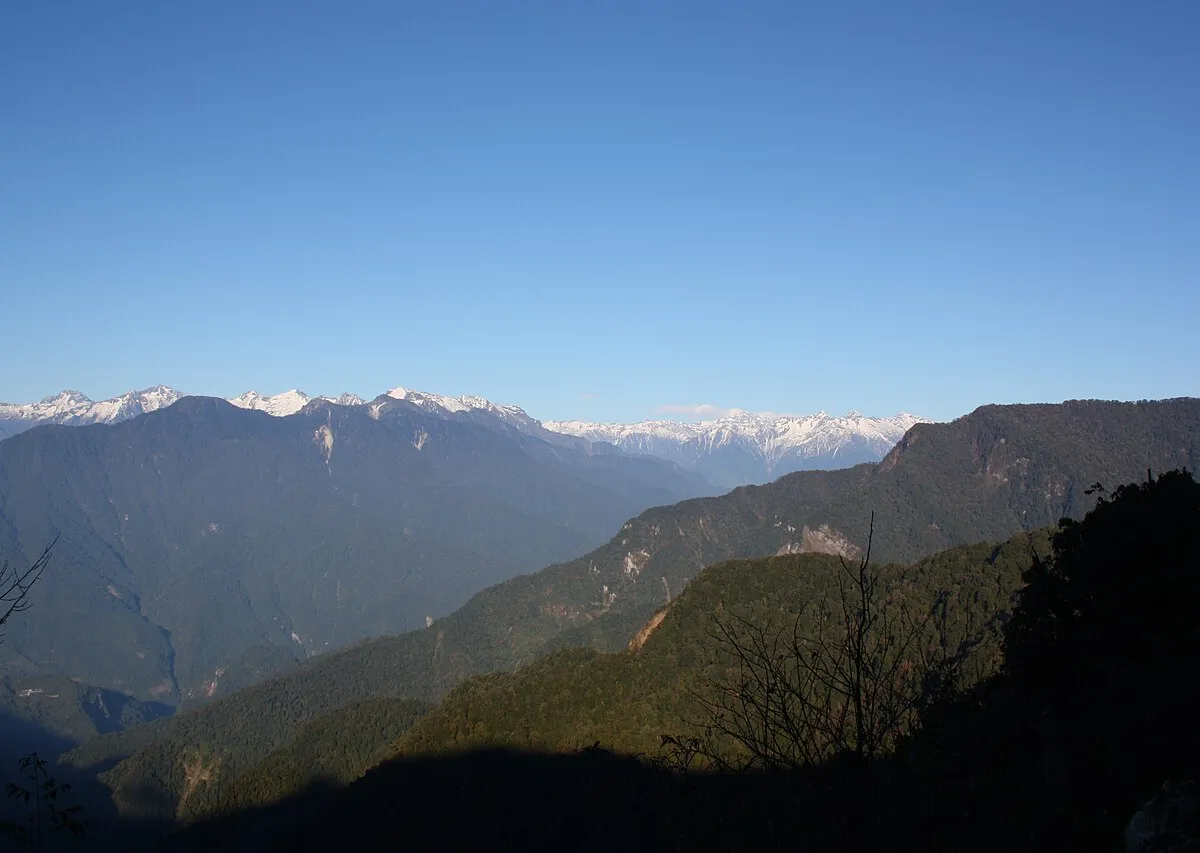
In the far eastern corner of Arunachal Pradesh, the Mishmi Hills rise in deep, forested ranges from the Dibang and Lohit valleys — some of the remotest and least-explored wildlife country in India. This is the home of the Mishmi takin, a strange goat-antelope of the high forest, alongside red panda, exceptional and little-known birds, and the homeland of the Idu Mishmi people. It is a frontier birding and mammal expedition, hard to reach and harder to leave unimpressed — the wild Himalaya before the crowds, because there are none.
PhotoForested Mishmi ridges rising in layers into Himalayan cloud.
The reason to come

The last frontier

The Mishmi Hills are wildlife travel at its most remote — so little visited that the birding is still being worked out and the mammals are barely studied. For travellers who want the genuinely unknown, there are few places like it left in India.

The Mishmi takin

A heavy, peculiar goat-antelope of the high forest — one of the region's signature and seldom-seen mammals.

The birding

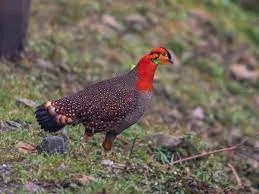
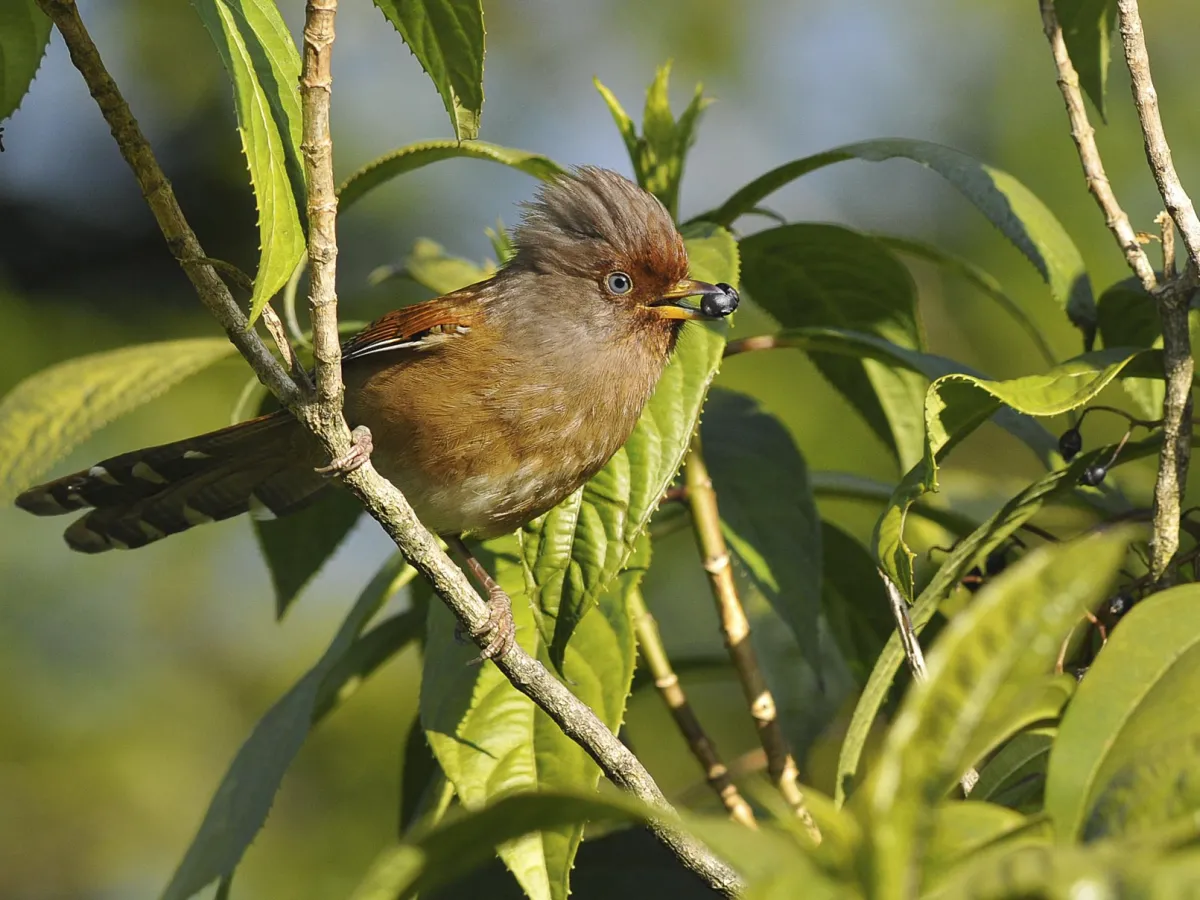
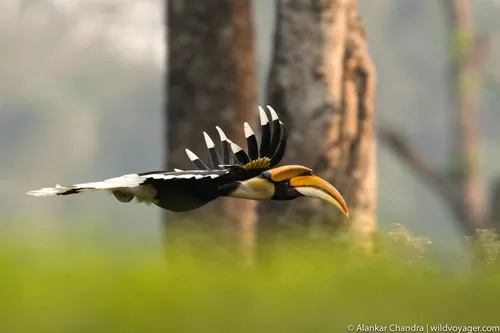
An Eastern Himalayan list that includes range-restricted species and real rarities, in barely-birded forest.

The remoteness

The journey itself is part of it — deep into the far east of Arunachal, beyond almost all tourism.

An honest note

This is a hard expedition — long travel, basic conditions, uncertain sightings of seldom-seen animals. It is for the committed naturalist who values wildness and discovery over comfort and guarantees.
Barely on the map

Wildlife yet to be fully known.

The Mishmi Hills are so remote that their wildlife is still being documented, and birders and scientists working here regularly turn up surprises. It is one of the truest wildernesses left in the country — a place where what you might find is part of the appeal.
PhotoAn Idu Mishmi guide leading a forest trail into the high country.
When to come — honestly

A spring and autumn frontier.

March – May
Best
Spring, the prime birding window, with breeding activity across the forest before the monsoon.
October – November
Good
Autumn, stable and clear, good for birding and mammals before winter closes the heights.
The monsoon makes these mountains all but impassable and winter shuts the high country. Spring and autumn are the windows — and even then this is a demanding, weather-dependent expedition into remote terrain.
Idu Mishmi homeland

Wildlife and a living culture

The Mishmi Hills are the homeland of the Idu Mishmi, whose traditional beliefs have long included taboos that protected wildlife and forest — a culture intertwined with the ecology of these mountains. Travelling here means moving respectfully through their land.

As a sensitive border region, the area requires permits and careful local arrangement, and tourism is small and best kept that way — part of what keeps the Mishmi Hills wild.

We run the Mishmi Hills with Idu Mishmi guides and local arrangements — the only responsible, and only workable, way into country this remote.
Beyond the obvious

Three ways to read the Mishmi Hills.

PhotoFrontier birding

Frontier birding

Working barely-birded forest for Eastern Himalayan rarities.
PhotoThe takin and mammals

The takin and mammals

The search for the Mishmi takin, red panda and the region's elusive wildlife.
PhotoIdu Mishmi country

Idu Mishmi country

Travelling with the people whose homeland and traditions protect these forests.

Why Wild Voyager

We run India on our own ground.

India is one of three countries we run with our own guides and vehicles, not booked through a middleman. In Mishmi Hills that means running a genuine expedition with Idu Mishmi guides, into country so remote it has no tourism infrastructure.

We operate it, not a middleman

Our team handles the permits, the zones and the timing, so we answer for your sightings — not a stranger hoping it works out.

We base you in the right zone

The Mishmi Hills have no safari circuit — they run on local knowledge and trust. We work with Idu Mishmi guides who know the forest and the birds, so a hard expedition actually comes together.

We guide for wildlife, not a checklist

Our naturalists work the alarm calls, the tracks and the light — they would rather earn you one real sighting than tick a list.

Journeys

Trips through Mishmi Hills

Wildlife you may see
Birds

Pair the Mishmi Hills
with the Assam plains.

The Mishmi Hills, with Kaziranga and the Brahmaputra, make the ultimate northeast trip — frontier mountains and floodplain wilderness. We route the expedition and the plains together.

Plan a Mishmi Hills trip
Field notes, now and then.

Where to go · When to go · Wildlife in season

A few times a year, never more. Unsubscribe anytime. See our Privacy Policy.