Enquire
Home  /  Kenya  /  Tsavo West National Park
South-eastern Kenya · Volcanic country

Tsavo West National Park

The scenic half of Tsavo — lava flows, crystal springs and a window into a hippo pool underwater. You come for the landscape as much as the game.
Getting there
Short flight or drive from Nairobi or the coast
Best for
Volcanic scenery, Mzima Springs, rhino at Ngulia
The land
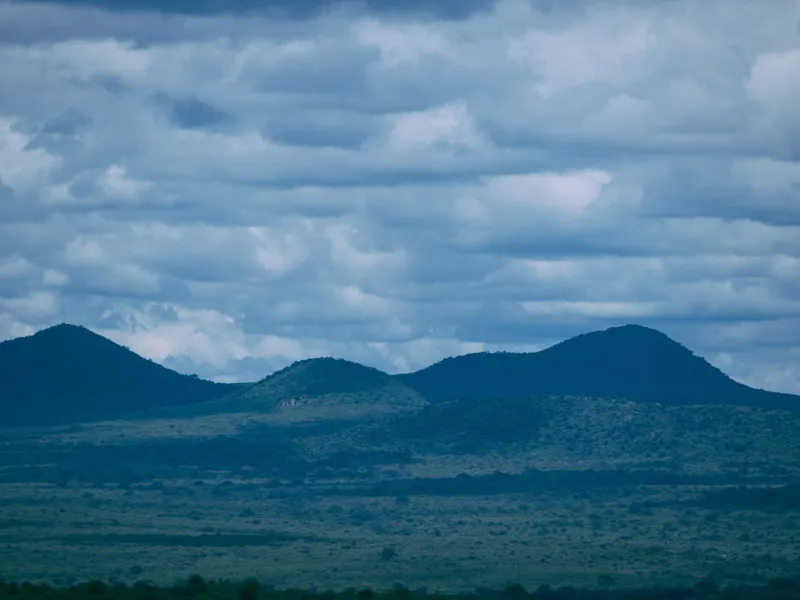
Hills, lava flows and springs — greener and more varied than the East
Versus the East
Smaller, lusher, more scenic; game a little denser
What it is
If Tsavo East is about space, Tsavo West is about drama.
This side of Tsavo is volcanic country — black lava fields, cinder cones and hills — laced with springs that turn patches of it startlingly green. The wildlife is here and a touch more concentrated than the East, but the landscape itself is the headline act: scenery you’d stop for even without an animal in frame. It’s the more beautiful, more compact, more varied of the two Tsavos.
The reason to come

Mzima Springs, from below

Most water in Tsavo is brown. Mzima is glass-clear — and it has the one underwater hide in Kenya, where you watch a hippo pool from beneath the surface.

The source

Up to 50 million gallons a day surface here, filtered crystal-clear through the lava from the hills above.

The underwater hide

Step into a submerged glass tank and watch hippos, fish and the odd crocodile move through clear water — eye level, below the surface.

The life it draws

Hippo pods, monkeys in the palms and a riot of birds make the springs the liveliest spot in the park.

Why it matters

Mzima also pipes drinking water to Mombasa — the springs you’re watching keep a city alive.

A note on the lava

The Shetani flow — “devil” in Swahili — is a vast field of black lava only a few hundred years old. Local people watched it erupt and named it for what it looked like: the land itself on fire.
A quiet conservation story

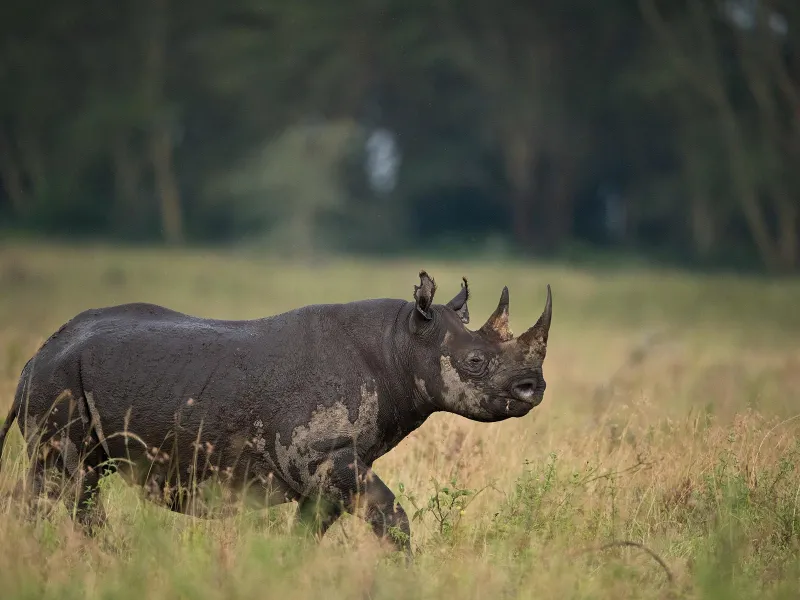
Behind a fence at Ngulia, a rhino comeback.

Tucked into the hills is the Ngulia Rhino Sanctuary, a fenced refuge that has brought black rhino back from the brink in this part of Kenya. It’s tightly managed and sightings aren’t guaranteed, but it’s the reason black rhino still move through Tsavo at all. The same hills are a famous bird-migration funnel each November — millions pass through on the way south.
When to come — honestly

Dry season for game, any season for scenery.

June – October
Best
The prime window — Thinner bush and concentrated game, with the lava and hills at their most sculptural in clear, dry light.
January – February
Good
The short-dry — Warm and settled, quieter than the peak, with the springs and scenery as rewarding as ever.
Tsavo West’s thicker vegetation can make game harder to spot than open plains parks — you trade some visibility for far better scenery. The green season is lush and dramatic but hides animals in the bush.
Why it’s shaped this way

A landscape still being built.

Tsavo West sits on geologically young volcanic ground — lava flows only centuries old, cones that still look freshly poured. That youth is why the scenery is so striking and why the springs run clear: rain filters fast through porous rock and emerges pure.

It’s the more “scenic” Tsavo for a reason, and it pairs naturally with the East — one park for space, the other for drama, on the same route between Nairobi and the sea.

We’ve skipped the eruption dates and the hydrology detail. What shapes your visit is plainer: come for a landscape you’d photograph empty, with wildlife as the bonus.
Beyond the obvious

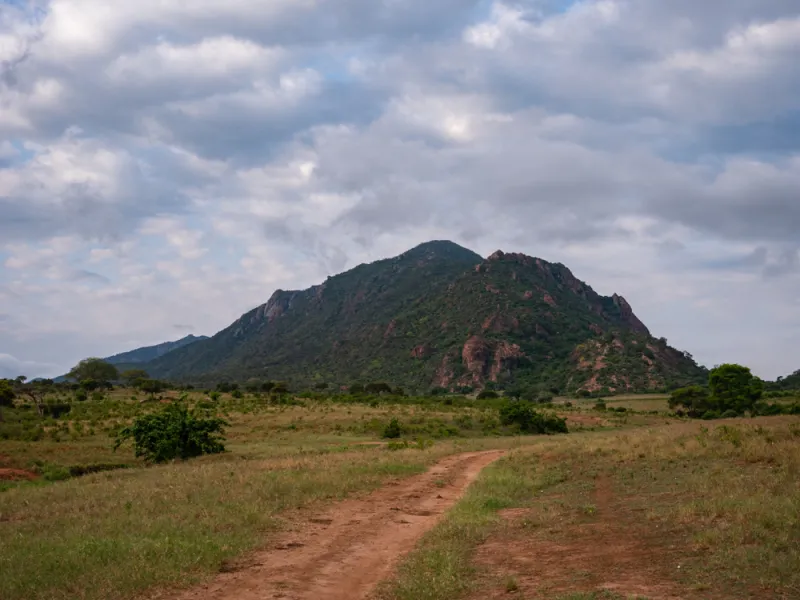
Three things the park does best.

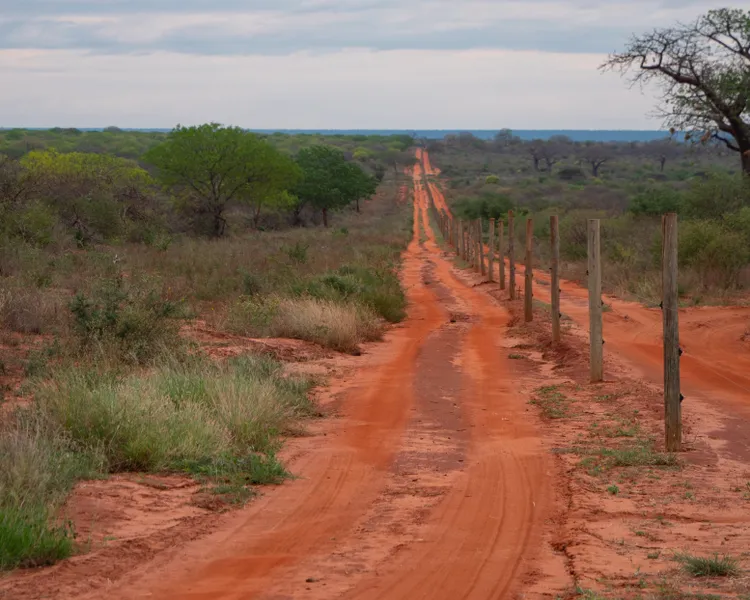
Shetani lava flow

Walk out onto a black field of recent lava and into its caves — the most otherworldly ground in Kenya.
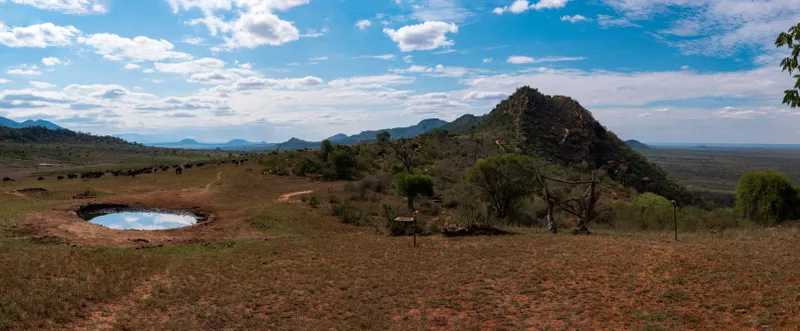
Chaimu crater

A short climb up a cinder cone for a long view over the lava country and hills.
Pair with Amboseli

The mountain park is close by — lava and springs, then elephants and Kilimanjaro.

Why Wild Voyager

A scenery-first park, guided as one.

Tsavo West hides its game in thick bush and pays you back in landscape. On our own ground we guide it for the scenery and the springs, not a frustrated animal count.

Our guides, our routing

We work the lava country and Mzima on our own timing, around the light and the water.

We set expectations straight

We tell you plainly the bush trades visibility for beauty here — so the park delivers what it actually does best.

A deliberate southern pairing

We set it against Amboseli or the coast, so the volcanic drama lands as a contrast, not a repeat.

Wildlife you may see
Elephants Primates Rhinos

Take the scenic Tsavo,
and watch a hippo pool from below.

Tsavo West is the dramatic stop on a southern circuit — pair it with Amboseli or the coast. We’ll route it so the scenery and the springs land at their best.

Plan a Tsavo West safari
Field notes, now and then.

Where to go · When to go · Wildlife in season

A few times a year, never more. Unsubscribe anytime. See our Privacy Policy.