A Zanzibar note
Zanzibar can be done as a pure beach stop or a culture-and-sea immersion, and the two coasts feel different — Stone Town and the north for history and buzz, the east for quiet sand. We match the side to the trip you want to end on.
A UNESCO World Heritage maze of Swahili-Omani architecture, carved doors and history — including the sobering slave-trade past.
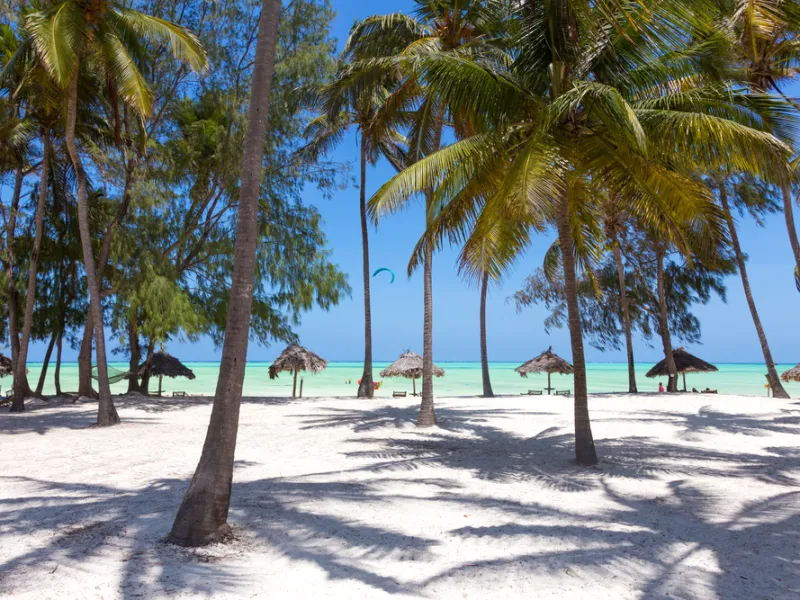
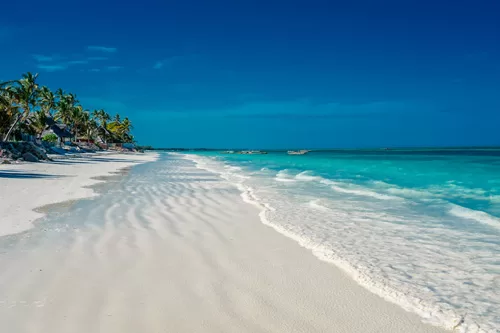
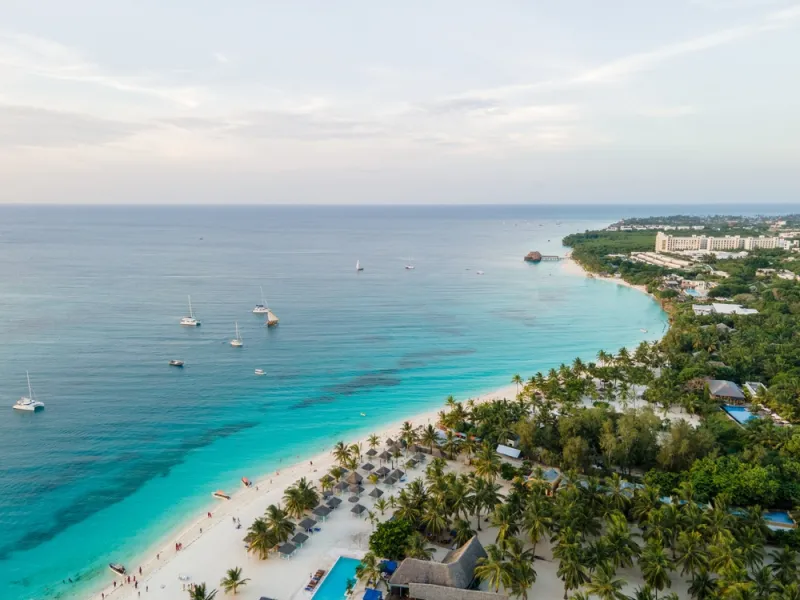
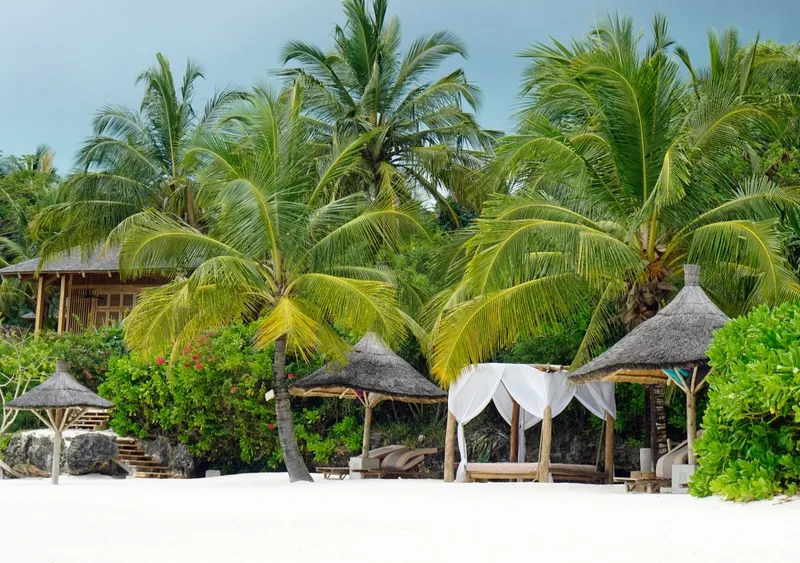
Long white sand and reef-protected water, especially along the north and east coasts.
Coral reefs and atolls — Mnemba in particular — for snorkelling and diving.
The 'Spice Island' still grows clove, nutmeg and cinnamon; the farm tours are genuinely good.
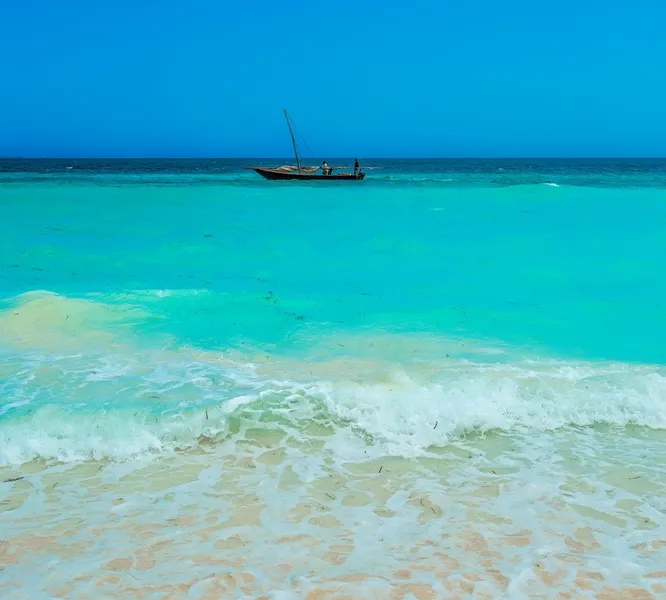
Traditional sailing dhows and some of the Indian Ocean's best sunsets.
Zanzibar can be done as a pure beach stop or a culture-and-sea immersion, and the two coasts feel different — Stone Town and the north for history and buzz, the east for quiet sand. We match the side to the trip you want to end on.
Zanzibar is part of Tanzania but semi-autonomous, with its own history, government and overwhelmingly Swahili-Muslim culture — which is why it feels distinct from the mainland the moment you land.
That cultural difference is part of the appeal, and it asks a little of visitors in return: modest dress away from the beach resorts, and a respect for local rhythms, especially during Ramadan.
We've left out the resort roll-call. What shapes a Zanzibar finish is which coast you choose and how much of Stone Town's history you want woven in.
The lanes, the market, the old fort and the history, with a guide who knows them.
Snorkelling at Mnemba and sailing on a traditional dhow.
Clove, nutmeg and cinnamon at the source — better than it sounds.
We match the coast and the pace — pure beach, or beach with Stone Town's history woven in.
We handle the short hop from the Serengeti so the transition from bush to beach is effortless.
We get you into Stone Town and the spice farms with guides, not just onto a sun-lounger.

Barefoot-luxury villas on a quiet southern beach — minimalist design and total seclusion.

A design-led resort in lush gardens above Kendwa beach, stylish and relaxed.

An elegant resort of private villas on a long west-coast beach, polished and discreet.

White-domed pavilions in palm gardens above the sand — romantic and quietly exclusive.
A few days of reef, sand and Swahili history is the classic close to a Tanzanian safari — we make the hop seamless.
Plan a Zanzibar finish
