Tanzania sits in East Africa and is best known for its wildlife, but it is also home to around 120 distinct ethnic groups. Together they make it one of the most culturally varied countries on the continent. This is a look at a few of the larger and more distinctive tribes, and how they live.
Aboriginal Tribes in Tanzania
A varied population
Tanzania’s groups differ widely in language, custom and way of life, shaped by where they live, from the coast to the savannah to the slopes of Kilimanjaro. Many still keep older customs, crafts and oral traditions: the beadwork of the Maasai, the dances of the Sukuma, the click language of the Hadza. Centuries of migration and trade, and later Arab and European contact, all left their mark, but the core traditions have held.
Chagga
The Chagga are Tanzania’s third-largest group, living on the southern slopes of Kilimanjaro. They are Bantu-speaking and known for skilled farming of the highland soils.
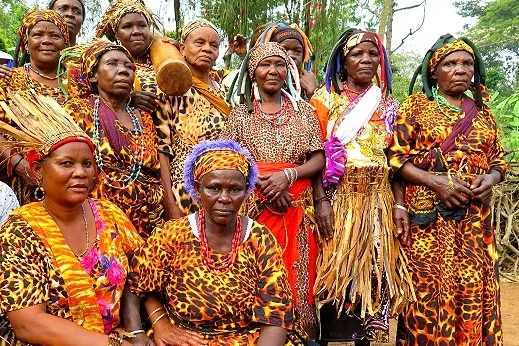
Chagga Tribes of Tanzania
Farming and clans
Chagga life centres on farming, with terraced fields, staple crops and rituals that honour ancestors. Society is organised into clans, each with its own leaders.
Language
The Chagga language is part of the Bantu family and has several regional dialects, distinct enough to vary from one area to the next.
Crafts
The Chagga are known for pottery, woodwork and their round thatched houses, as well as carved doors and wooden tableware.
Sukuma
The Sukuma are Tanzania’s largest group, around five million people, living mainly in the north-west. Their name means “to push” or “to move forward”.
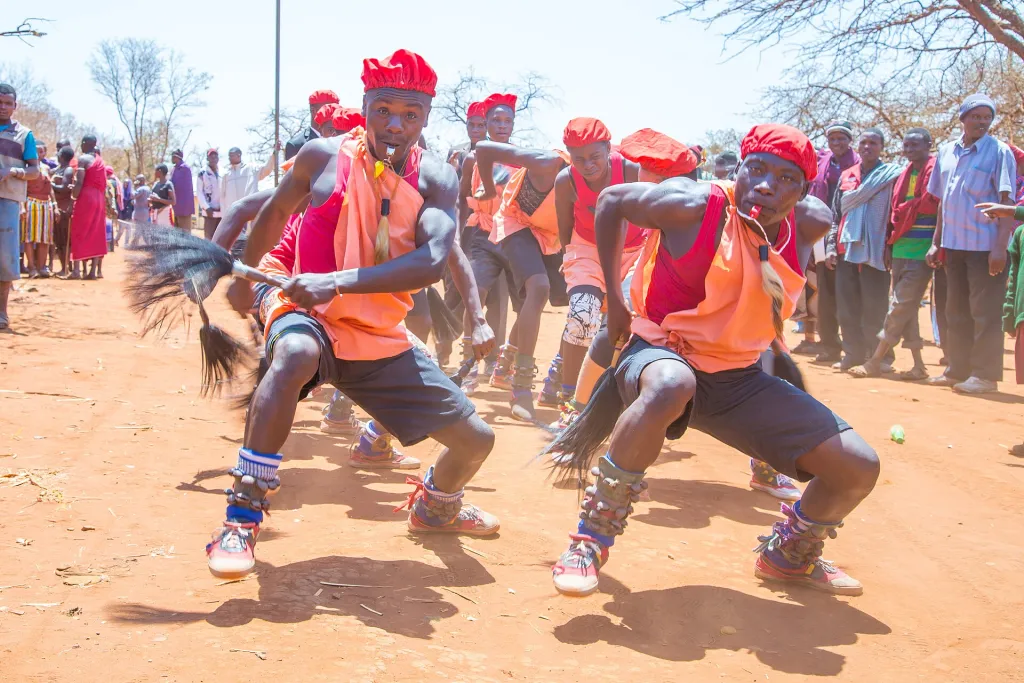
Sukuma Tribe
Community
The Sukuma live in close family and clan groups, with elders held in high regard, and they keep strong traditions of honouring ancestors.
Farming
Farming is central. They grow beans, millet, sorghum and maize, and use irrigation methods such as the tiza system to get through dry spells.
Music and dance
Music and dance matter to the Sukuma, from the energetic Malampaka and Ingoma dances, with drumming and singing, to the stories that pass history to younger generations.
Maasai
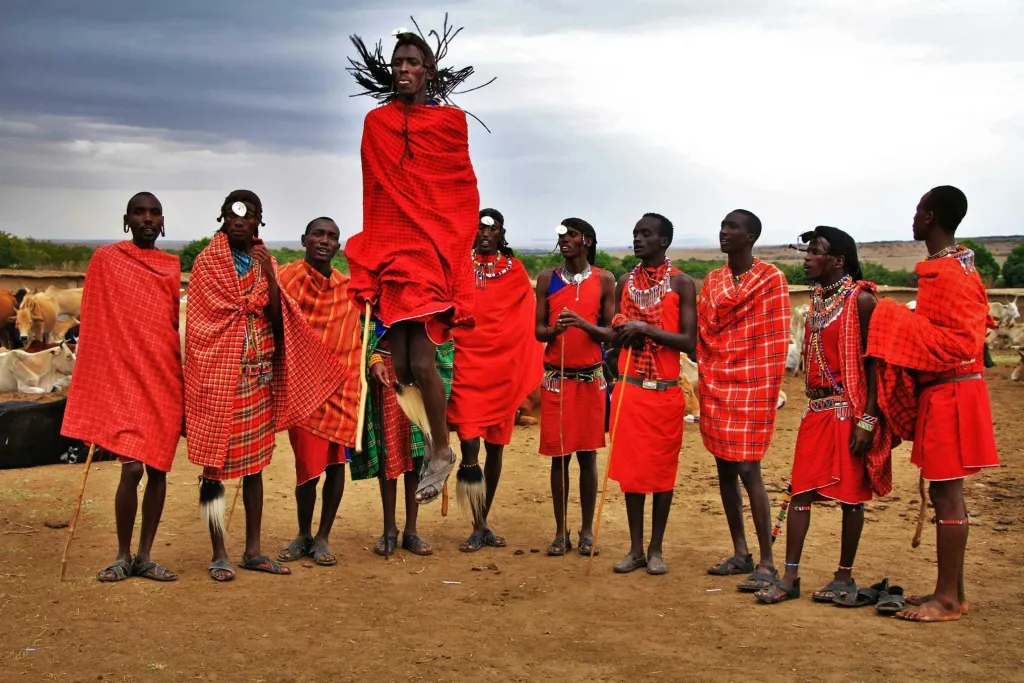
The Maasai are a semi-nomadic people of northern Tanzania and Kenya. Often called “the people of cattle”, they are among the most recognisable groups in the region, in part because they live alongside many of East Africa’s national parks.
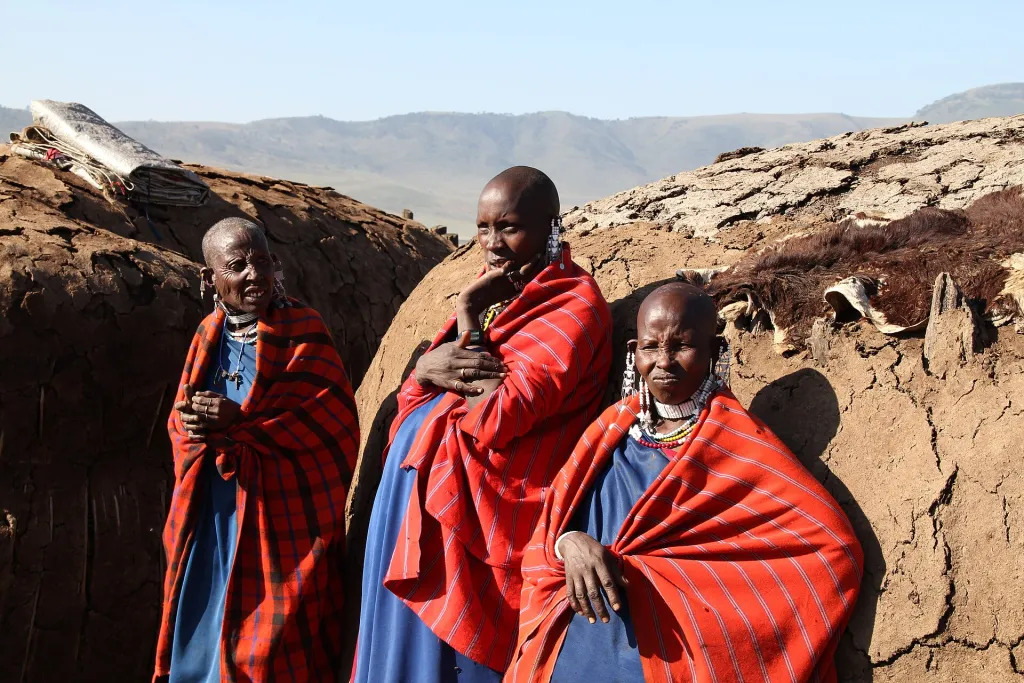
Maasai Tribes of Tanzania
Cattle and land
The Maasai move across wide areas in search of water and grazing for their cattle, which are central to food, trade and status. Their light footprint on the land has helped keep fragile ecosystems intact.
Social structure
Roles are clearly divided. Elders, or laibon, give spiritual guidance and settle disputes; the moran, or warriors, protect people and cattle; women build the homes and make the beadwork.
Rites of passage
Life stages are marked by ritual. Boys are circumcised and become moran, entering adulthood; girls go through the emuratare ceremony. These rites bind the community together.
Hadza
The Hadza, around 1,300 people near Lake Eyasi, are one of the world’s last hunter-gatherer societies. They have kept a largely self-sufficient way of life, and offer a rare glimpse of how our earliest ancestors may have lived.
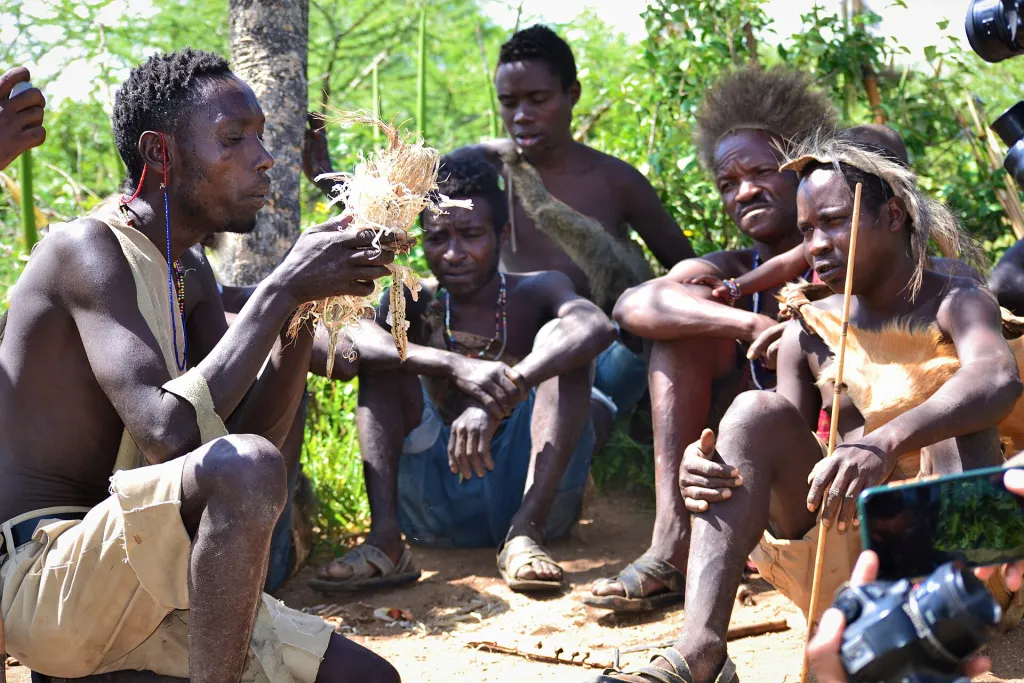
Hadza Tribes of Tanzania
Hunting and gathering
Hadza men hunt with bows and arrows for game such as antelope, baboon and birds, while women gather fruit, berries, roots and other plants. The balance keeps the group fed.
Language
The Hadza language is built on clicks and has a rich vocabulary for the natural world, which matters for coordinating hunts and daily life.
Knowledge of the land
The Hadza carry a deep working knowledge of their environment, from medicinal plants to animal behaviour, which has sustained them for a very long time.
Hehe
The Hehe of central Tanzania have a long history and a strong sense of identity.
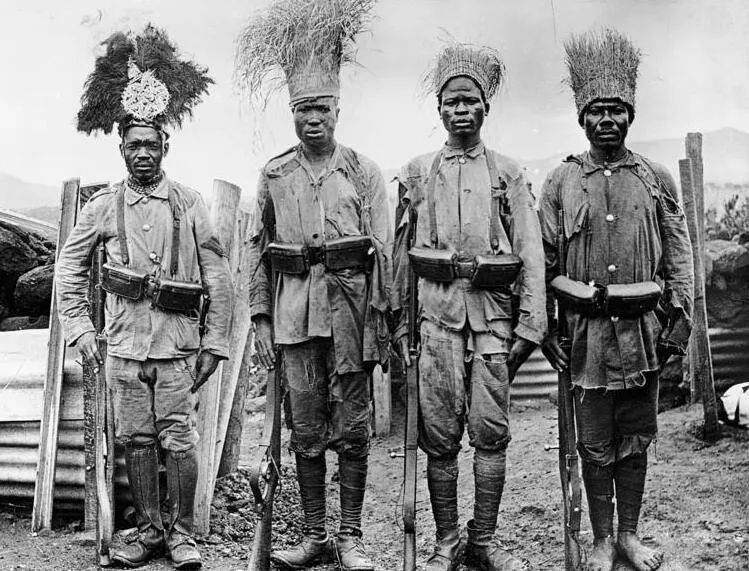
Hehe Tribes of Tanzania
Culture
Hehe culture runs through beadwork, cloth, music and dance, often tied to events such as harvests.
Warrior tradition
The Hehe are remembered for their fierce resistance to outside forces, and their identity is closely tied to that warrior history.
Colonial history
In the late 1800s the Hehe, led by Chief Mkwawa, put up a hard fight against German colonisers. They were eventually defeated, and Mkwawa died rather than be captured. Colonial rule cost them land and broke up much of their social structure, though parts of their culture survived.
Makonde
The Makonde, around 1.5 million people, have roots in northern Mozambique and south-east Tanzania, and are known above all for their carving.
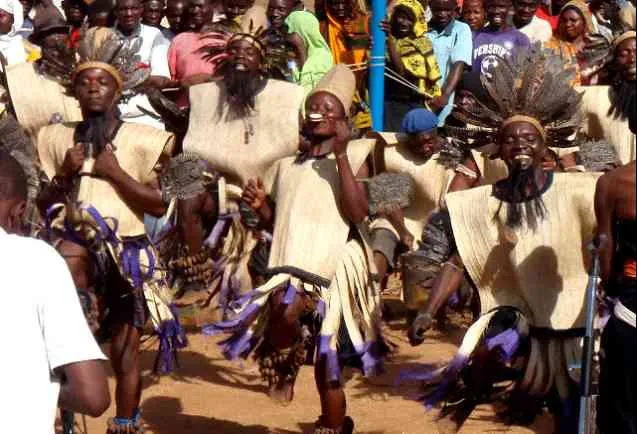
Makonde Tribes of Tanzania
Carving
Makonde wood carving is known worldwide, depicting people, mythical figures and abstract forms, and reflects a close tie to the natural world.
Music and storytelling
Music, dance and storytelling carry Makonde history and values from one generation to the next.
Change
Like many groups, the Makonde balance tradition against urbanisation, education and global markets. Some carvers now make work for sale, which supports the craft but also changes it.
Keeping the traditions alive
These cultures hold a lot of practical knowledge about living with the land and its wildlife.
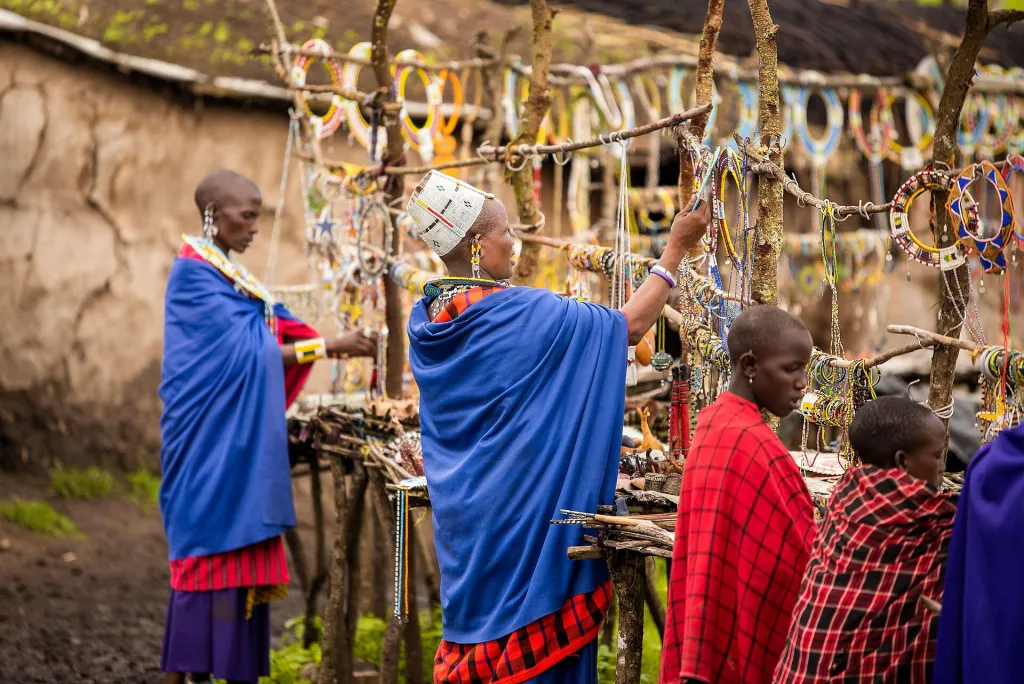
Preservation of Tanzanian Tribal Heritage
They also face real pressures: modernisation, loss of land and the fading of indigenous languages and customs. A number of communities, researchers and cultural groups are working to record and support these traditions, and to give the tribes a stronger voice in decisions that affect them.
The tribes are a central part of what makes Tanzania what it is. Meeting them, respectfully and on their terms, is one of the richer things a visit to the country can offer.
Here are some of the remarkable aboriginal tribes of Tanzania, shedding light on their unique ways of life, culture, and beliefs.