An African safari is on a lot of bucket lists, and a little preparation makes it go far more smoothly. This guide covers the practical side: what to pack, how to behave around wildlife, how to choose a tour, where to go and when. It applies whether you are booking our Masai Mara safari or a wider Kenya trip, and whether it is your first safari or your tenth.
Essential tips for a good safari
What to pack
Pack light, but cover the essentials: travel documents, any medication, a small first-aid kit and insect repellent. Bring layers, since mornings and evenings are cold and the middle of the day is warm, plus a hat, sunglasses and sturdy shoes. For wildlife, a camera and binoculars earn their place, and a reusable water bottle, a power bank and a torch are worth adding.
For the full list, see our packing guide.
Safety around wildlife
The animals are wild, so keep your distance, stay in the vehicle unless your guide says otherwise, keep noise down and never feed anything. Following your guide keeps both you and the wildlife safe.
Choosing a tour
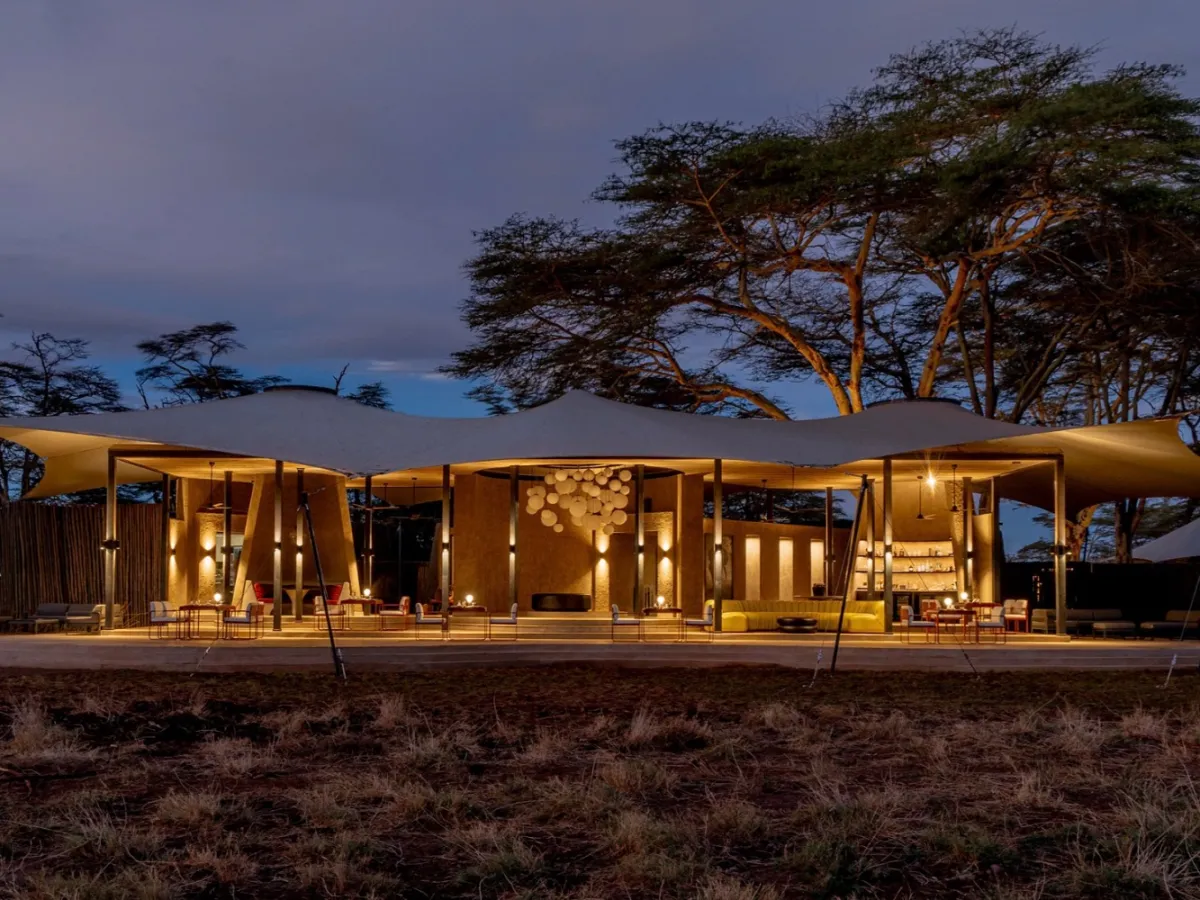
Trips range from budget camping to comfortable lodge-based safaris. Wild Voyager plans tours around your budget and interests, for solo travellers and families alike. If you want help shaping one, get in touch with our team.
Where to go
A few of the best safari destinations in Kenya and Tanzania:
Serengeti National Park
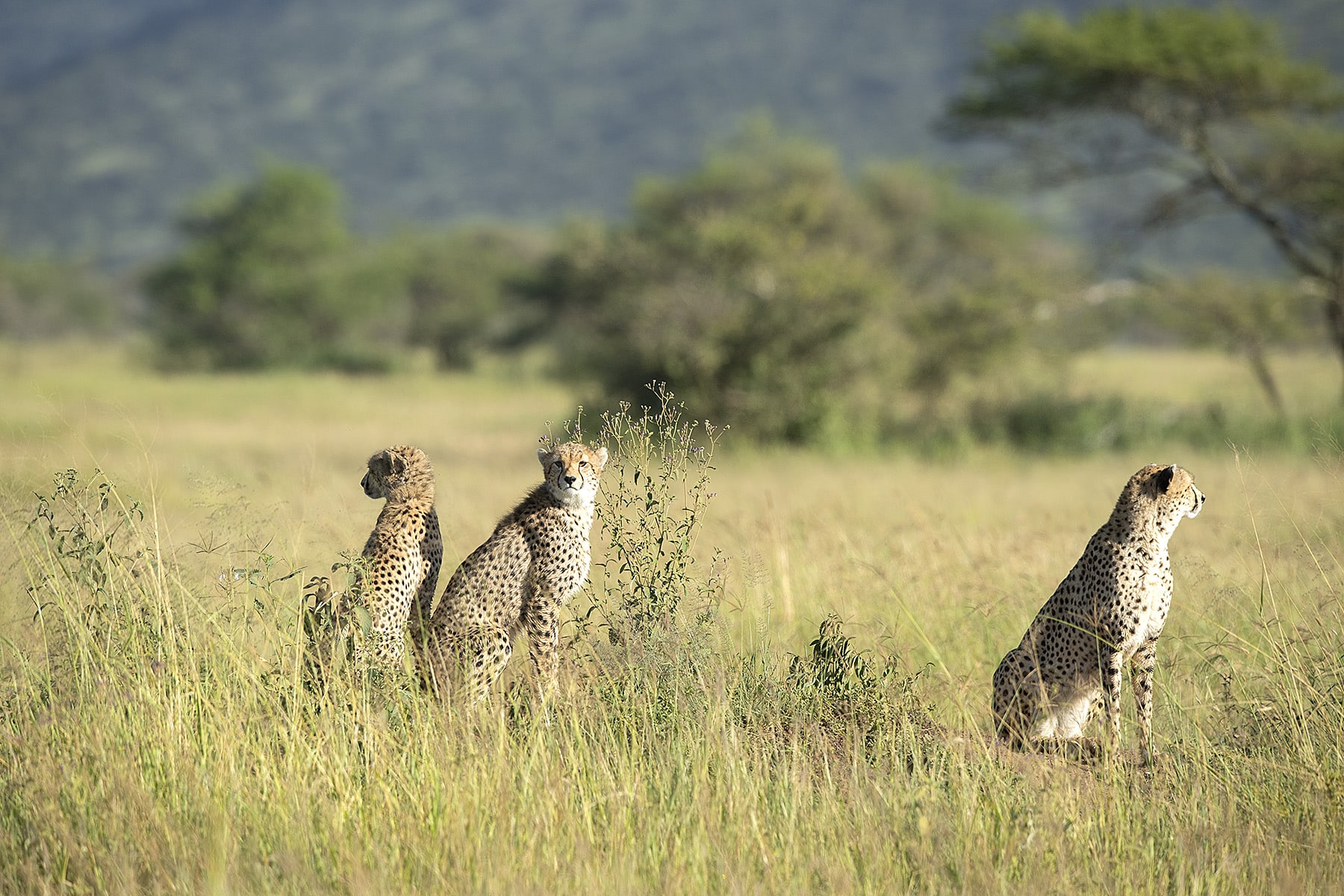
- The Serengeti, in northern Tanzania, covers about 5,700 sq miles. It sits within a larger ecosystem alongside the Masai Mara, the Ngorongoro Conservation Area, and the Ikorongo and Grumeti reserves.
- It is the stage for the great migration: over a million wildebeest, with zebra and gazelle, moving through in search of grass, followed by lion, leopard and cheetah.
- Birding is good too, from grey-breasted spurfowl to Fischer’s lovebird.
Masai Mara National Reserve
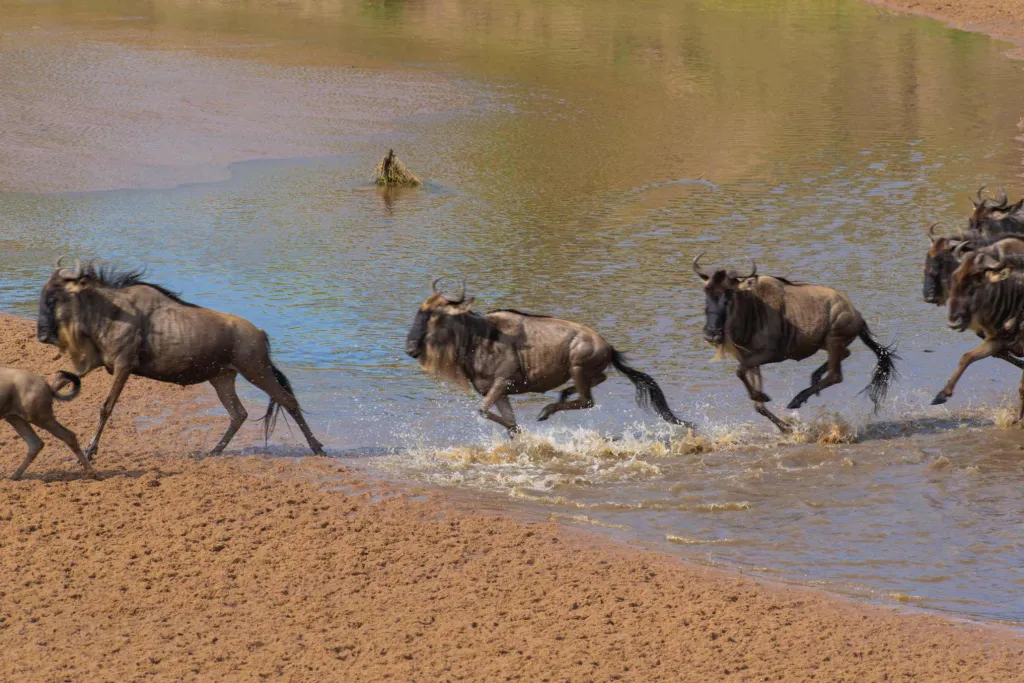
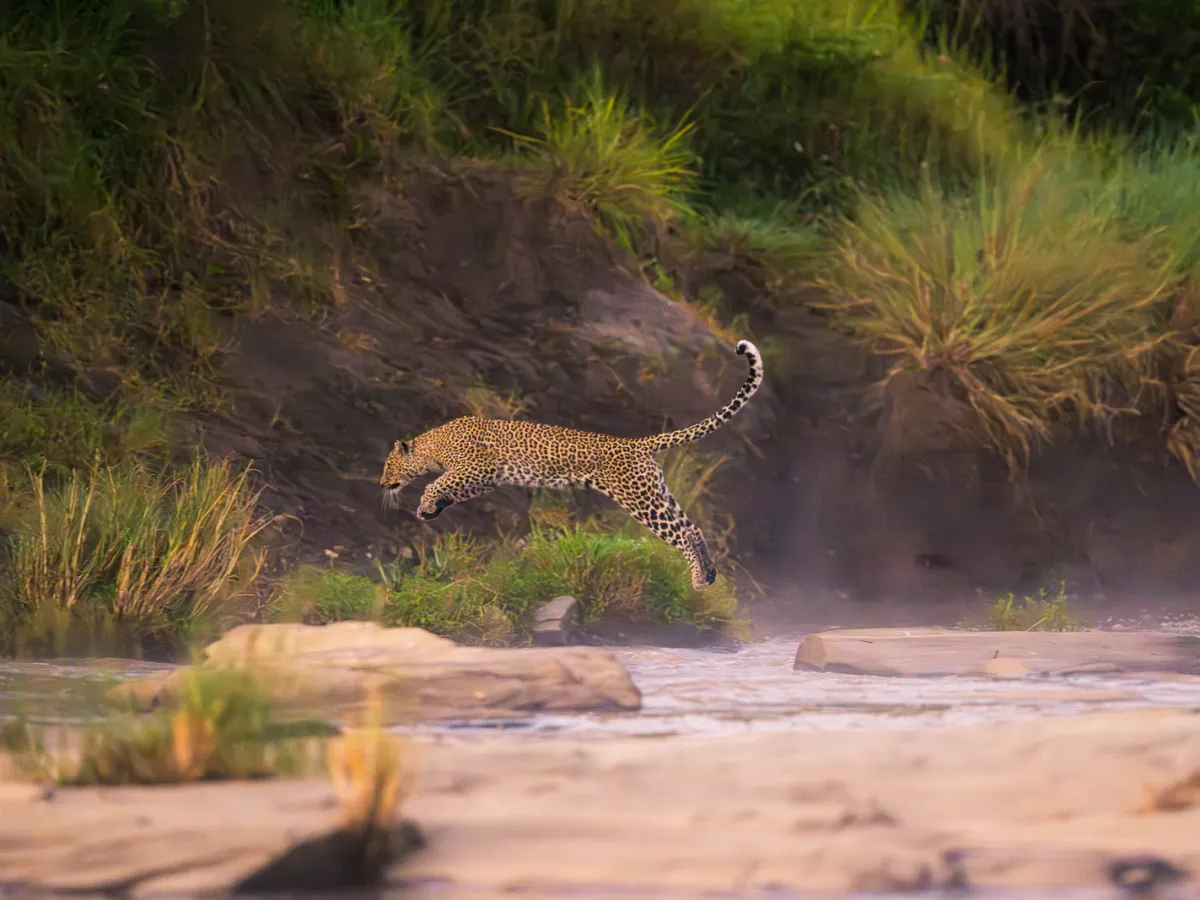
- The Mara, in southern Kenya, is known for lion, leopard, cheetah and elephant. From July to October the migration crosses into the reserve.
- The Maasai live alongside the reserve and keep long-standing traditions.
- Birdlife is varied, from the African fish eagle to the lilac-breasted roller.
Amboseli
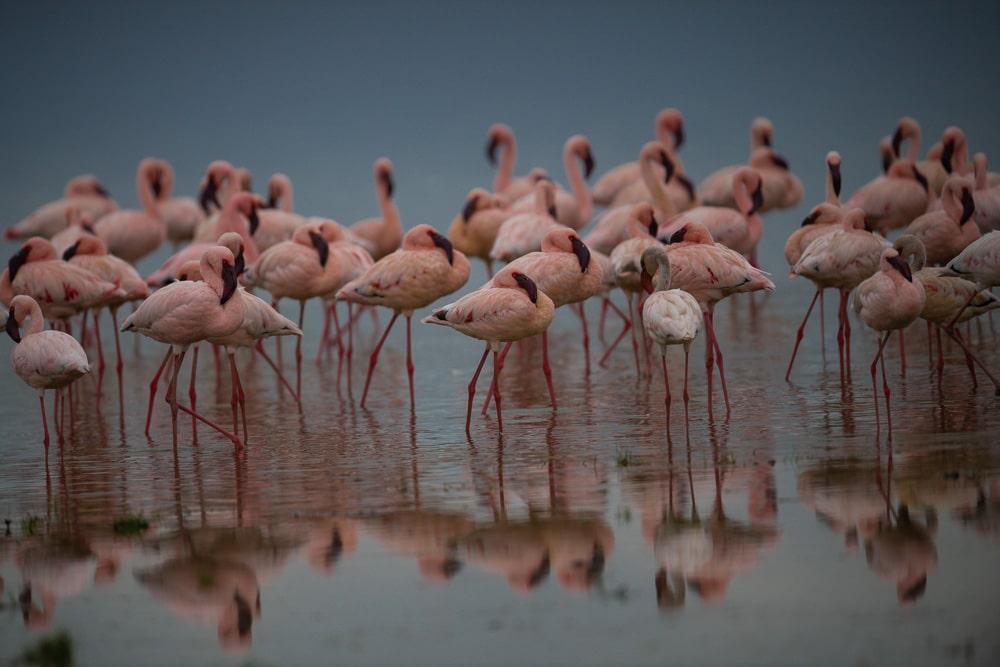
- Amboseli sits under Kilimanjaro, and on clear mornings the peak rises behind the plains. It is best known for its large elephant herds.
- More than 400 bird species have been recorded, including flamingo and raptors such as the secretary bird.
- Its seasonal wetlands draw hippo and plenty of plains game.
Lake Naivasha
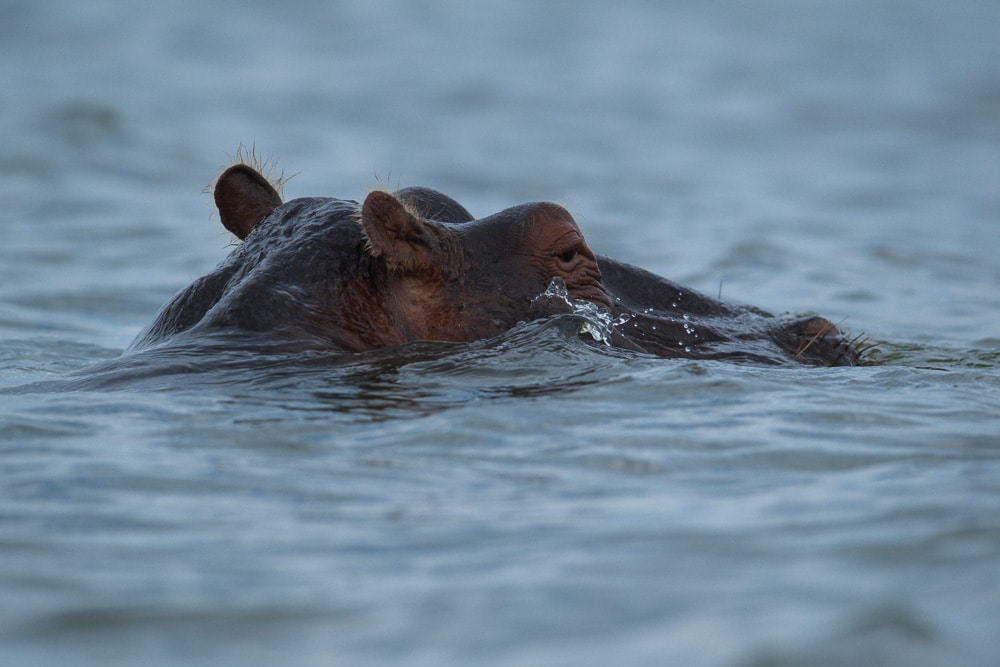
- Naivasha is a freshwater Rift Valley lake fringed with acacia and papyrus, and you can explore it by boat and on foot.
- It holds over 400 bird species, including fish eagle, pied kingfisher and pink-backed pelican.
- Hippo are common in the shallows.
Lake Nakuru
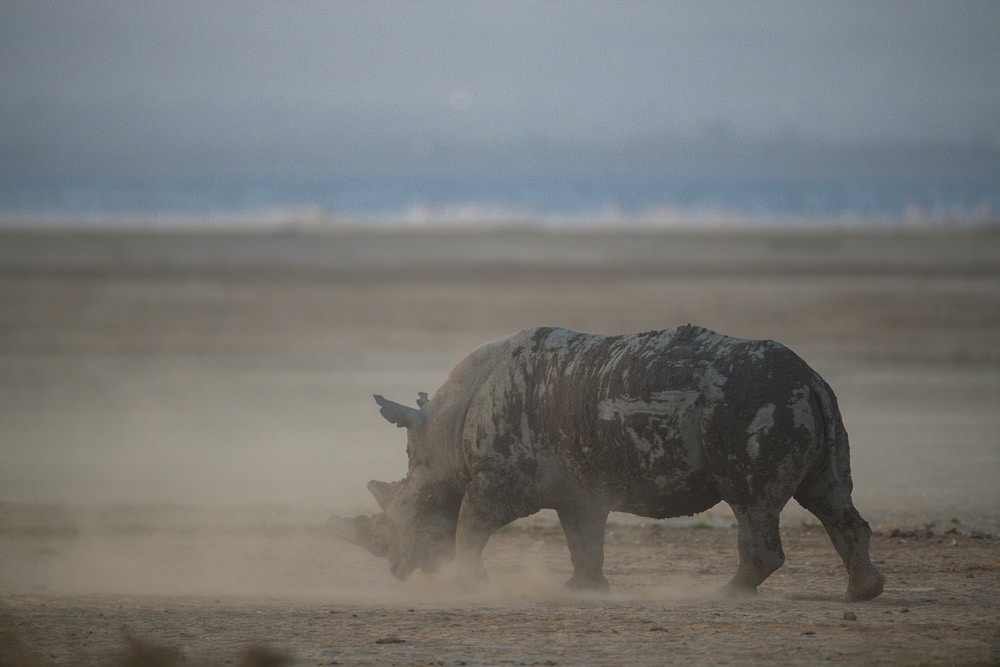
- Nakuru is a compact, fenced park and one of the most reliable places in Kenya to see both black and white rhino.
- It was once famous for huge flamingo flocks, but after 2013 rising water diluted the lake and most flamingos moved on to lakes Bogoria and Elementaita. You may still see some, but not the old spectacle.
- It also holds Rothschild’s giraffe, and Baboon Cliff gives a wide view over the lake.
Family safaris
Our family tours are built around mixed ages, with activities that keep younger travellers engaged, patient guides and comfortable lodges.
Solo travel
Solo safaris work well with a bit of planning. Some parks and camps are more solo-friendly than others, so research matters. Booking through an operator like Wild Voyager takes care of transfers, accommodation and the logistics.
Food
Local food is part of the trip. Expect everything from grilled meats and stews to fresh coastal seafood, often eaten out in camp.
When to go
The dry season, June to October, is the prime time: cooler, and animals gather at water, which makes them easier to find. It also lines up with the migration in the Masai Mara. The green low season, roughly November to May, is quieter and cheaper, with lush scenery and good birding. Our team can help you weigh the trade-offs.
Cultural etiquette
Respecting local customs
Take time to understand local customs; a little respect goes a long way and makes the trip richer.
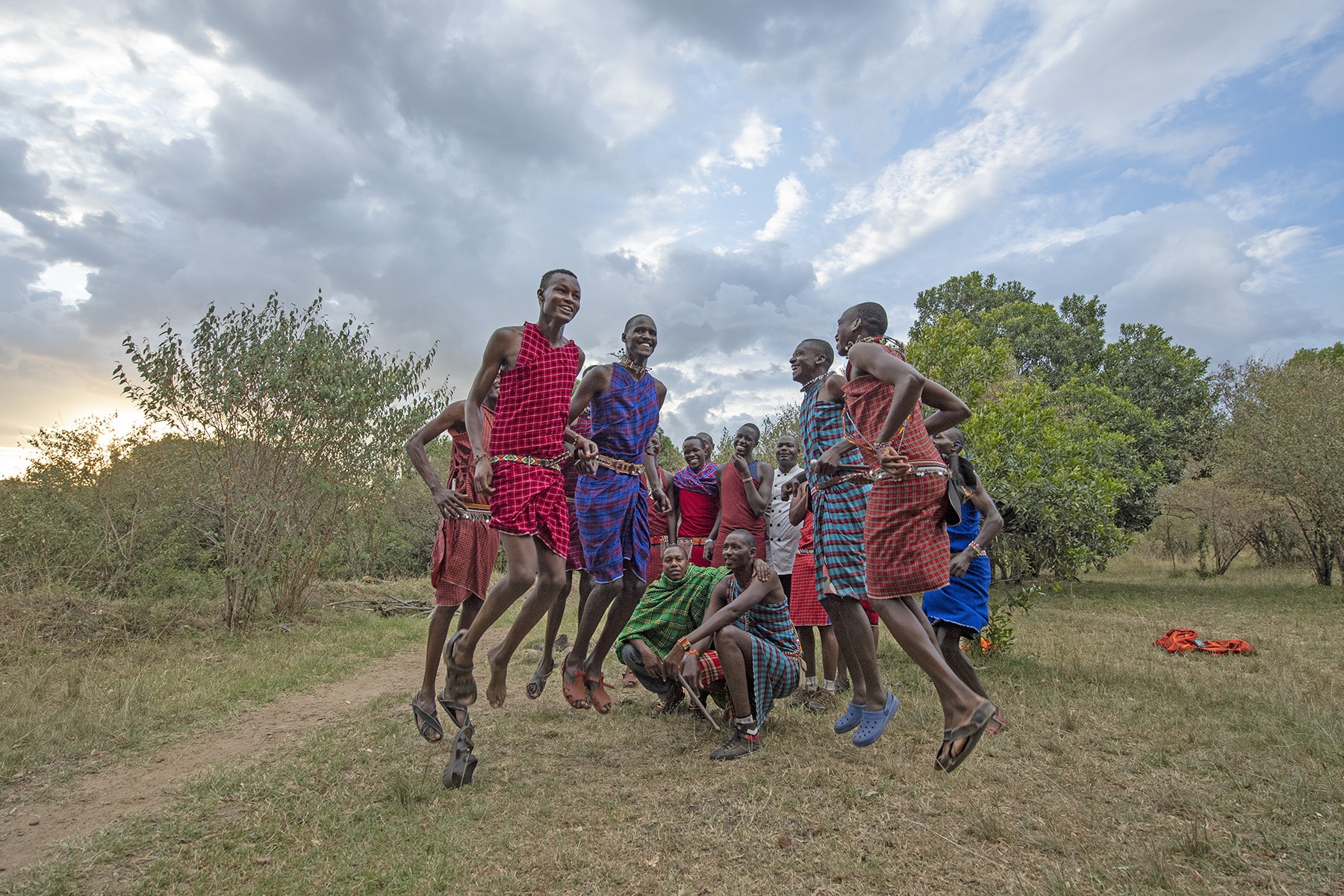
Meeting local communities
A guided visit to a local community is a good way to learn about traditions first-hand and, done well, it supports the people who live alongside the wildlife.
When you are ready, get in touch and we will help you plan a safari that fits.
If you loved reading this story, then subscribe to our blog here (it will ask to verify your email) to get inspiring travel stories and trivia delivered to your email. Stories about wildlife trivia, cultural experiences, curated luxury hotel lists, underrated places to travel, polar journeys and much more.