Lake Victoria is the largest lake in Africa and the largest tropical lake in the world, covering almost 60,000 sq km. It sits in East Africa, shared between Tanzania, Uganda and Kenya. It is close to the main safari parks of Tanzania and Uganda, which makes it an easy add-on for travellers there, whether to see the gorillas, catch the wildebeest migration or simply slow down for a few days by the water.
Geography
Lake Victoria is the world’s second-largest freshwater lake by area, after Lake Superior, and its shoreline runs for more than 3,000 km. Despite lying between the two arms of the East African Rift, it is not a rift lake: it sits in a shallow basin created by the uplift on either side, which is why it is relatively shallow for its size. Its main inflow is the Kagera River, and the White Nile flows out of it at Jinja.
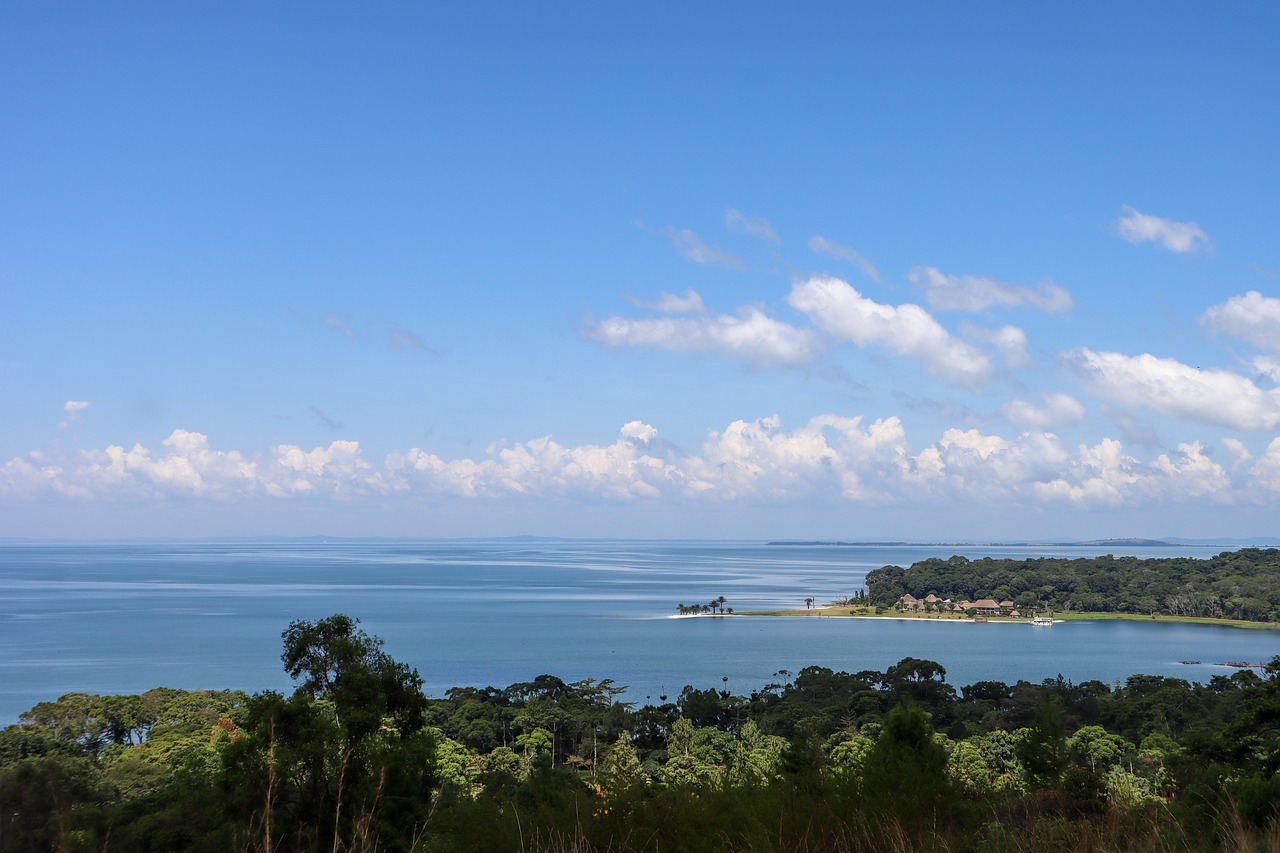
The lake supports a dense web of communities and ecosystems around its shores, and is central to the geography of the region.
History
People have lived around the lake far longer than the colonial era. Groups such as the Baganda, Banyankole and Luo have long depended on it for food, trade and transport, and its resources shaped their cultures.
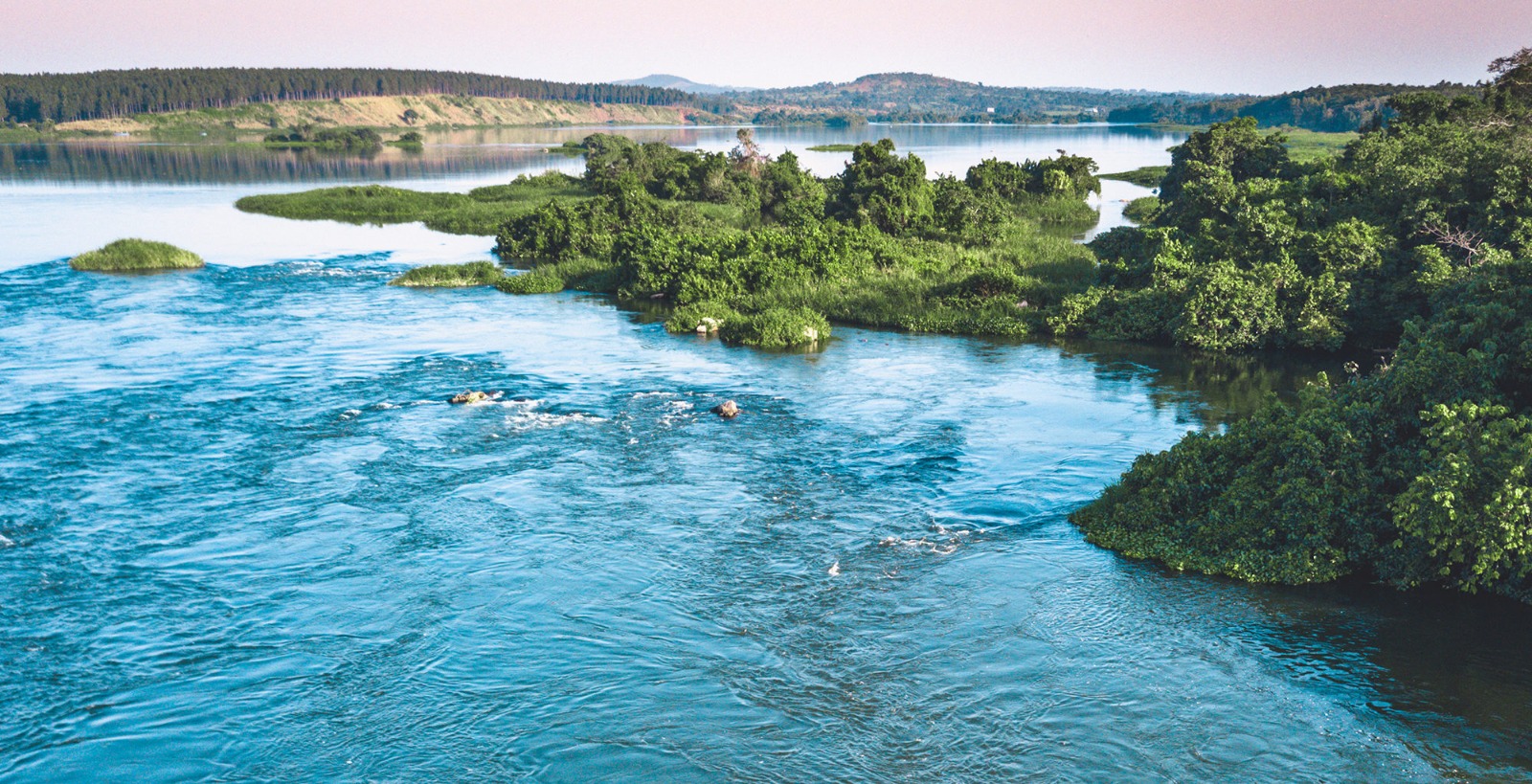
In more recent times the lake has faced serious environmental problems, from pollution to invasive species, and a good deal of conservation work now goes into protecting it.
Why it matters
The lake is a lifeline for East Africa. Millions of people rely on it for food, water and transport, and it holds a great deal of wildlife, including many species found nowhere else.
Wildlife
Plants
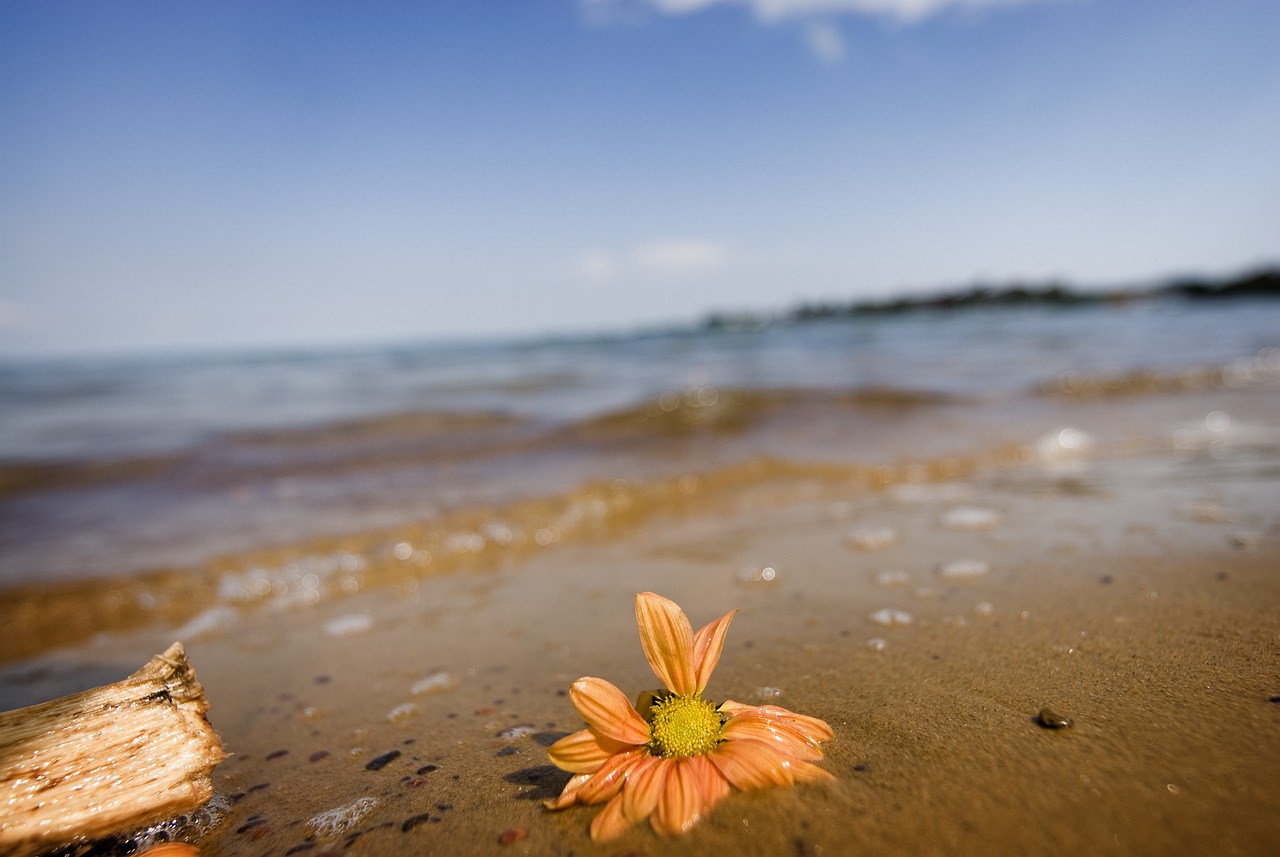
The lake holds papyrus reeds, lotus and other aquatic plants that shelter fish and other life. One of them, the water hyacinth, is an invasive species that spreads fast, chokes native plants and clogs the shallows; there are ongoing efforts to control it.
Fish
Lake Victoria once held more than 500 fish species, most of them cichlids and many found only here. The best known are the Nile perch, tilapia and the haplochromis cichlids. Overfishing, habitat loss and introduced species have hit them hard, and conservation work is underway to protect what remains.
Birds
The lake is one of the best water-birding spots in the region. Its shores hold African fish eagle, grey-crowned crane and many others, resident and migratory. Wetland protection and habitat restoration are part of the effort to keep them.
Environmental problems
The lake has been under pressure for decades: pollution, habitat loss, falling biodiversity and soil erosion. Native fish species have declined sharply, and much of the forest in the catchment has been cleared, which sends more silt and fertiliser into the water.
Pollution
Industrial discharge, poor waste management and farm runoff have all lowered water quality. That hurts the fish people depend on, and the communities that rely on them.
Invasive species
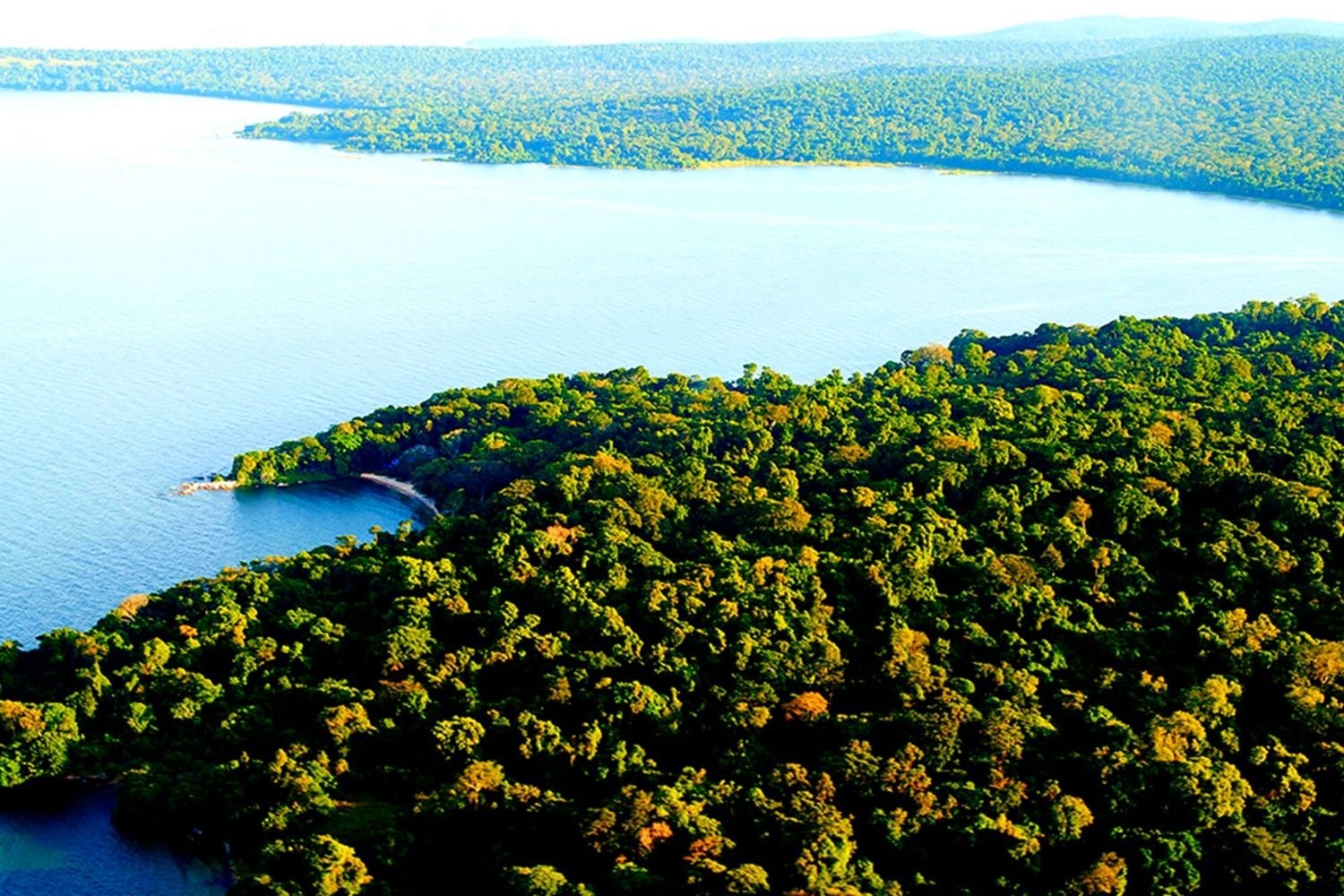
The Nile perch, introduced in the 1950s for sport fishing, became a dominant predator and wiped out many native cichlids. The loss of those endemic species is one of the lake’s biggest ecological problems.
Conservation
Communities, NGOs and governments are working on it, from sustainable fishing and habitat restoration to better waste and pollution control, to keep the lake healthy for the future.
Culture
The lake is woven into local life, myth and art. Communities such as the Luo, Baganda and Basoga have lived along its shores for generations, with fishing traditions passed down the line. Oral histories tell of the lake’s origins and its guardian spirits, and local artists and carvers take inspiration from its moods and wildlife.
Things to do
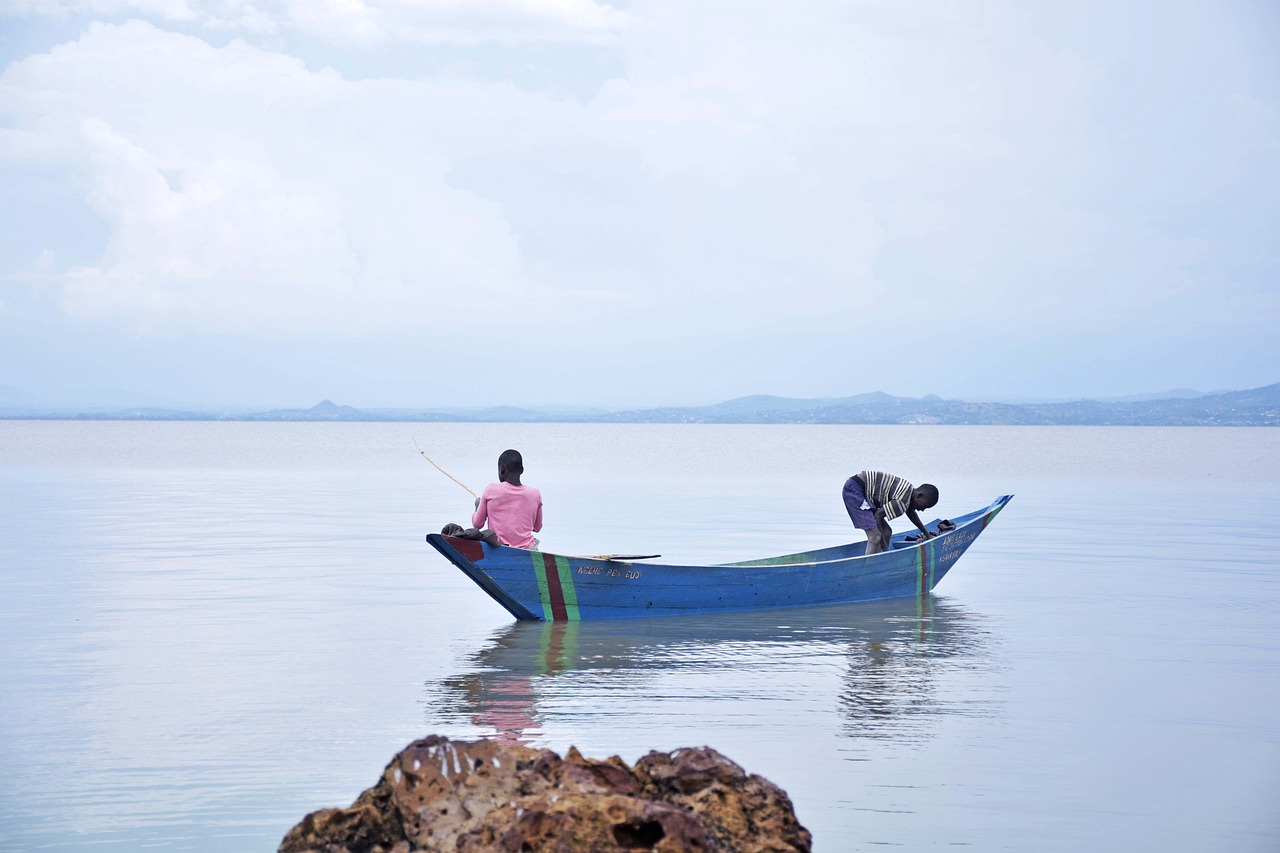
There is more to do than you might expect. On the water there is fishing, boat trips and, in places, jet-skiing and windsurfing. On land you can take a wildlife tour to see fish eagles, kingfishers, herons and flamingos, with hippo and crocodile in the shallows. The hills and shoreline around the lake are good for camping and walking, away from the crowds.
Lake Victoria is worth more than a glance on the way to a safari. Its size, its history and its wildlife make it a place in its own right, and one well worth protecting.
If you loved reading this story, then subscribe to our blog here (it will ask to verify your email) to get inspiring travel stories and trivia delivered to your email. Stories about wildlife trivia, cultural experiences, curated luxury hotel lists, underrated places to travel, polar journeys, and much more.