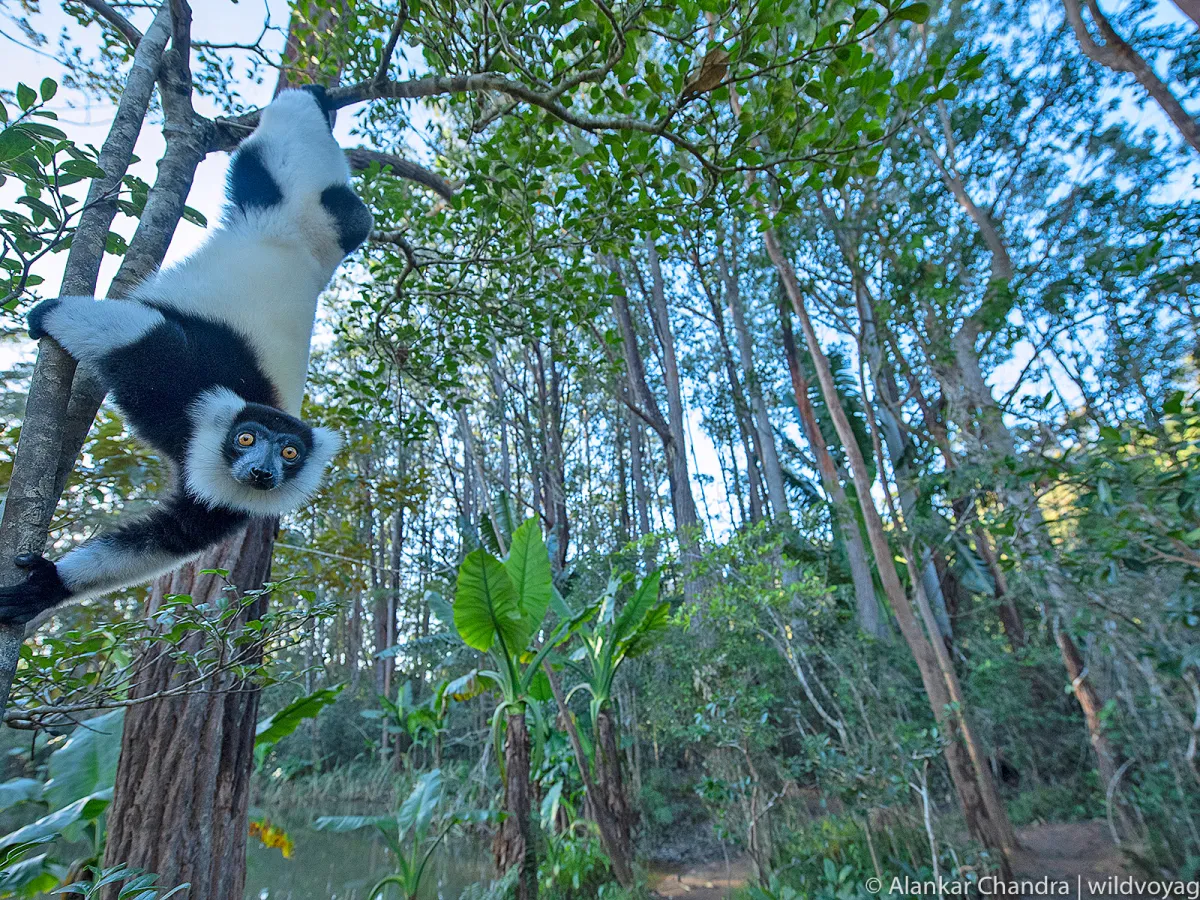
Lemurs are unusual, fascinating animals. With their big, reflective eyes, hand-like paws and long tails, you may have seen one in a zoo or a film. They are primates, related to monkeys and apes, but they sit on a quite separate branch of the primate family tree.
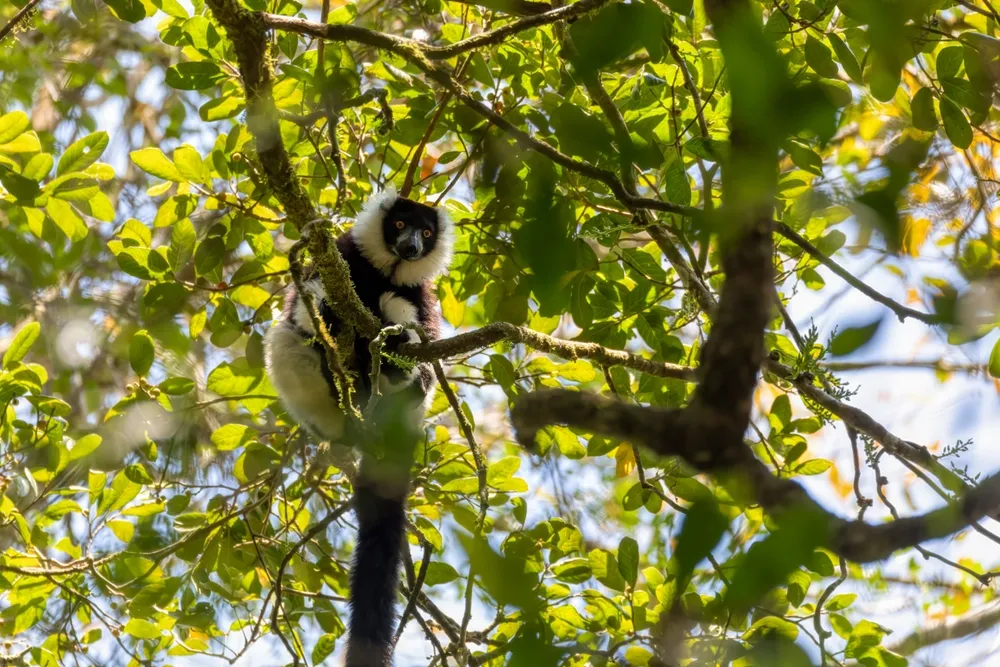
A lemur strolls on a tree branch in Madagascar
Lemurs are among the most ancient primate lineages, going back more than 50 million years. Along with humans, they are also the only primates that can have blue eyes.
If they interest you, here is what to know about them.
Where are lemurs found?
Madagascar, off the east coast of Africa, is the natural home of lemurs. The second-largest island country in the world, it is their only wild habitat.

The beautiful island country of Madagascar
Madagascar is one of the world’s most important biodiversity hotspots, with much of its wildlife found nowhere else, lemurs included. A few species also live on the nearby Comoros and other small islands around Madagascar.
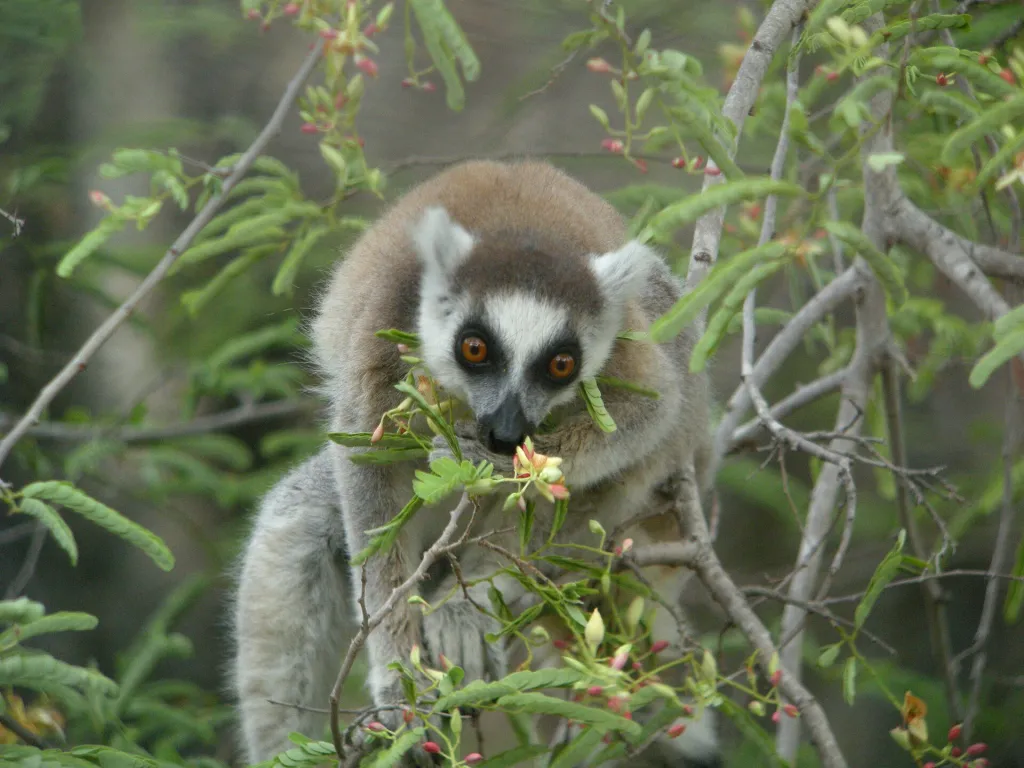
A lemur picks fruits from a forest in Madagascar
Lemurs live in a range of habitats, depending on the species, from dry deciduous forest and spiny forest to rainforest, mountains and wetlands.
Some animals, such as the Sunda flying lemur of South-East Asia, carry the name but are not true lemurs at all. Real lemurs are found only in Madagascar and its neighbouring islands.
How many species of lemur are there?
With over 100 known species, and more likely still to be described, lemurs are a remarkably diverse group. The best known is the ring-tailed lemur, easily recognised by the black rings on its white, fluffy tail.
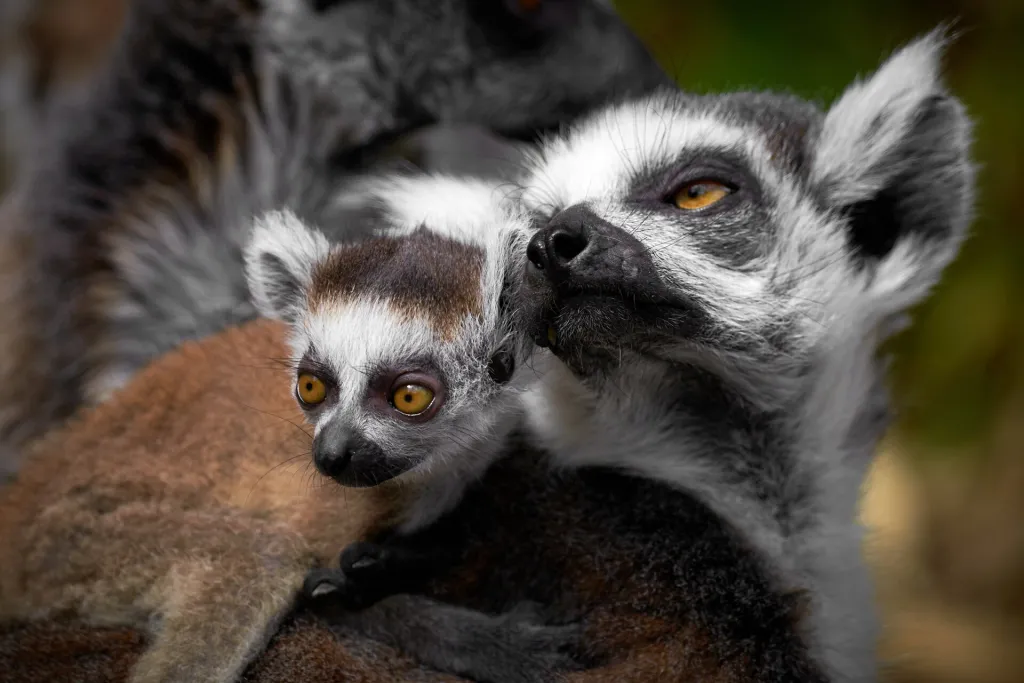
A ring-tailed lemur with a pup
The smallest is Madame Berthe’s mouse lemur, which is also the smallest primate in the world, growing to about 4 inches (11 cm), with a tail adding another 6 inches (14 cm).
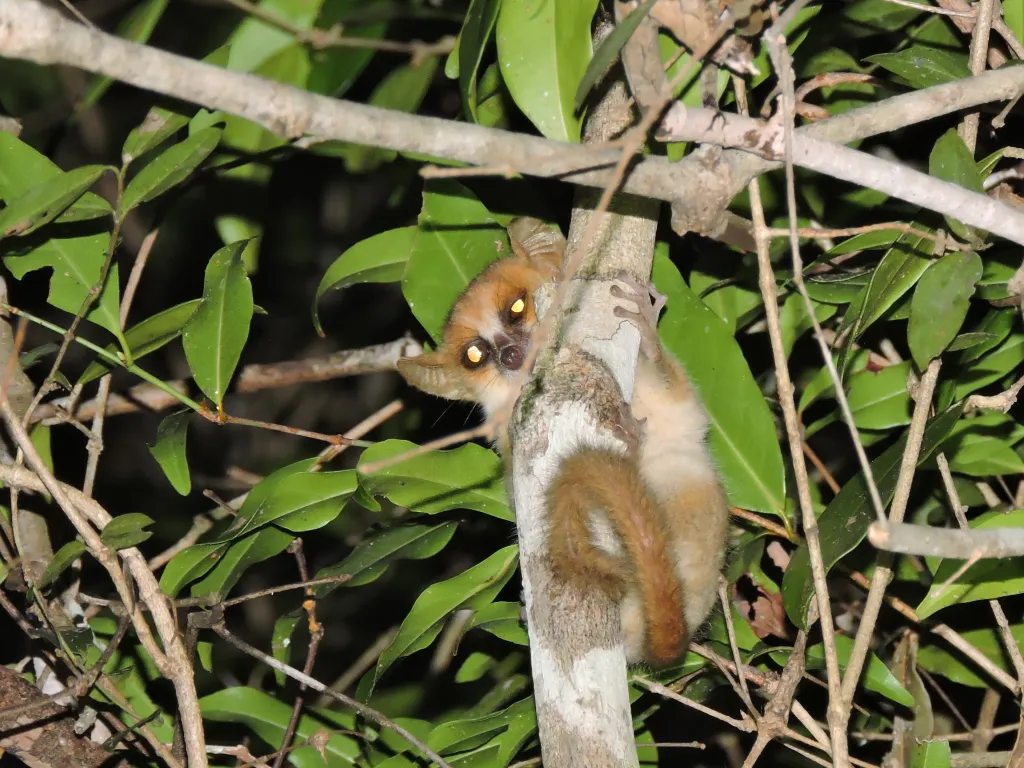
A tiny Madame Berthe’s mouse lemur
The largest is the indri, at 24 to 35 inches (61 to 90 cm). Most lemurs have long tails, but, unusually, the indri has almost none.
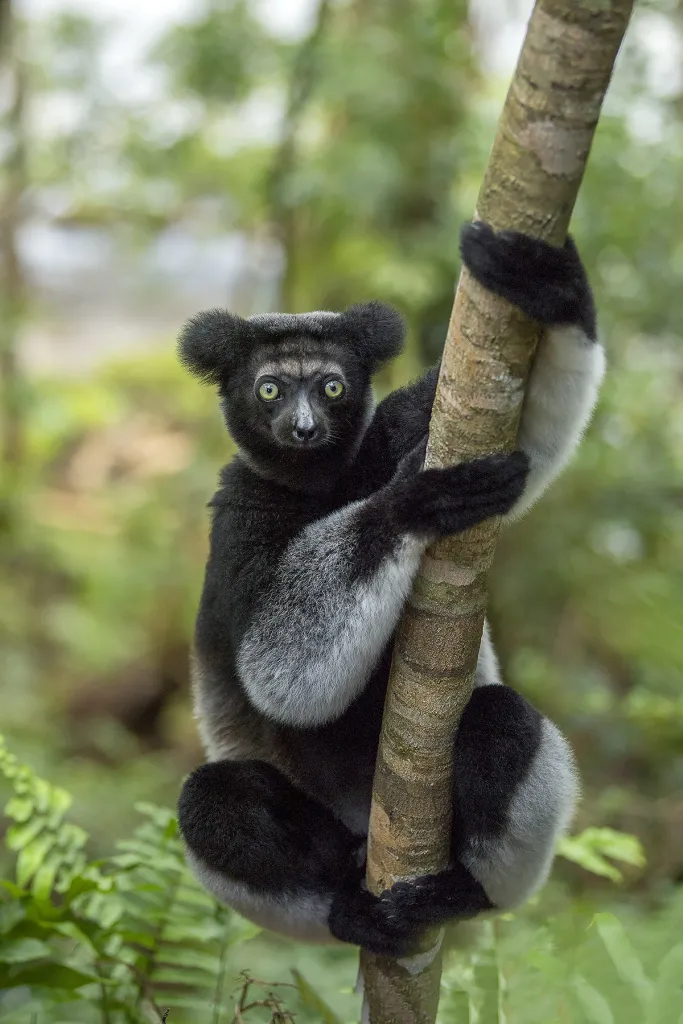
An Indri lemur sits atop a tree
Thousands of years ago, there were lemurs the size of gorillas roaming Madagascar before they died out. Known as the giant sloth lemurs, they looked much like today’s sloths, though lemurs are a separate group of animals. One of them, Megaladapis edwardsi, went extinct about 500 years ago; it weighed as much as a small adult and was among the largest lemurs known.
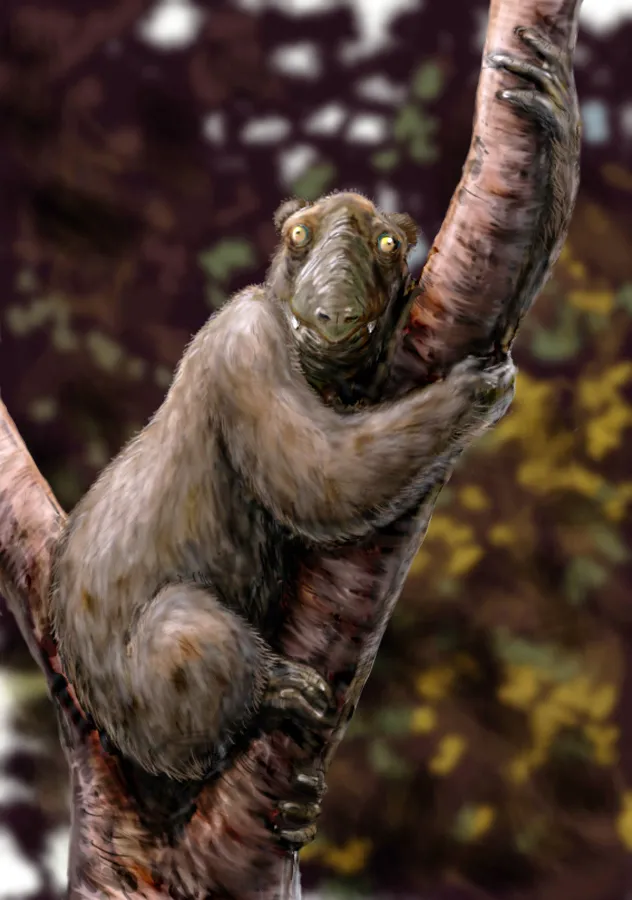
An illustration of the extinct Megaladapis edwardsi
What do lemurs eat?
Lemurs can be fussy eaters. Most of their food comes from trees, though the exact diet depends on the species. Many are herbivores, feeding on flowers, fruit, sap and bark. The greater bamboo lemur specialises in bamboo, often from a single woody species in Madagascar.
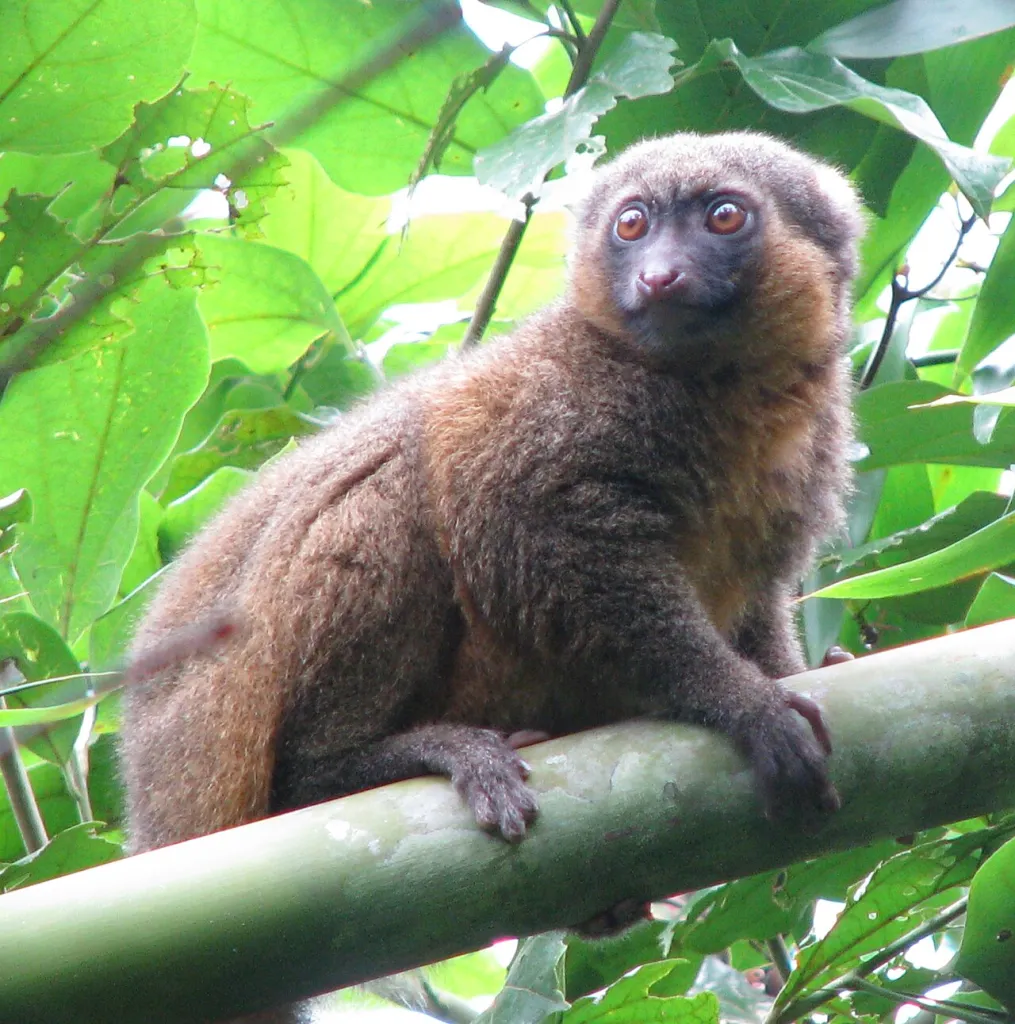
A greater bamboo lemur
A few are omnivores that also take insects and small animals; the ring-tailed lemur, for instance, will eat almost anything, including chameleons, spiders and even small birds.
Lemurs play a key part in keeping the forest healthy. Along with hummingbirds, bees and butterflies, some lemurs — the ruffed lemurs in particular — are among the largest pollinators on Earth. They are also seed dispersers, carrying seeds in their stomachs after eating fruit and depositing them elsewhere in their droppings, and many of Madagascar’s endemic plants depend on them.
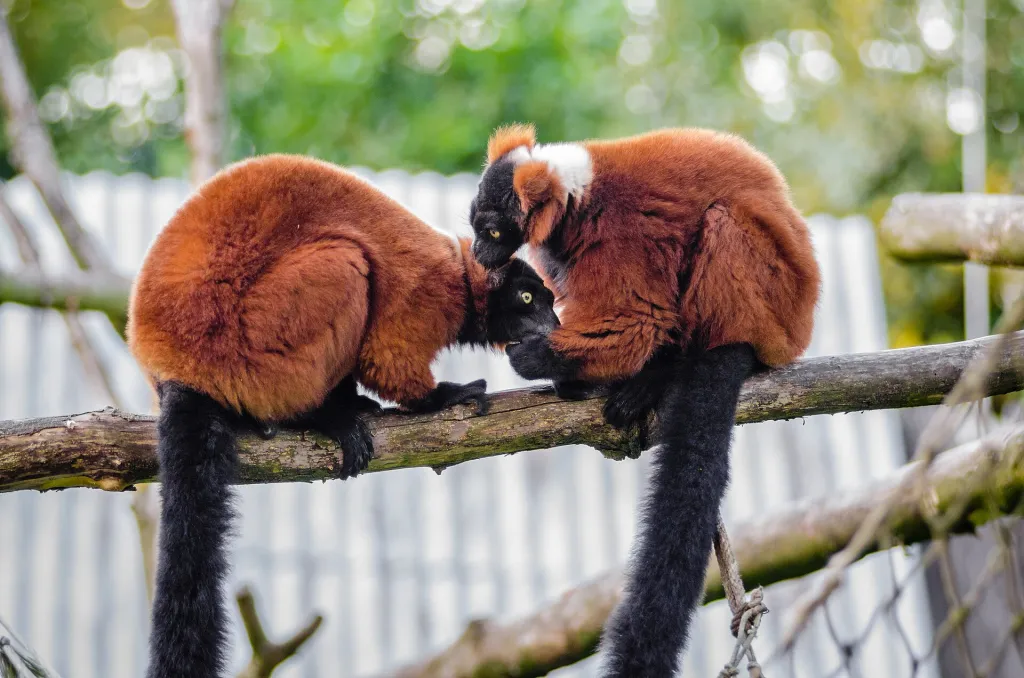
A pair of red ruffed lemurs
A female-led society
Depending on the species, lemurs can be diurnal (active by day), nocturnal (by night) or cathemeral (both). The diurnal ones are highly social and live in groups called troops.
Lemur society is largely run by the females. Female dominance is rare among animals, but lemurs follow it consistently. Although males and females are the same size, the females rule, often showing aggression and dominance and marking territory as the males do.
Lemurs are smarter than you think
We tend to think of apes as the cleverest primates, but lemurs are very sharp and can pick up skills just by watching.
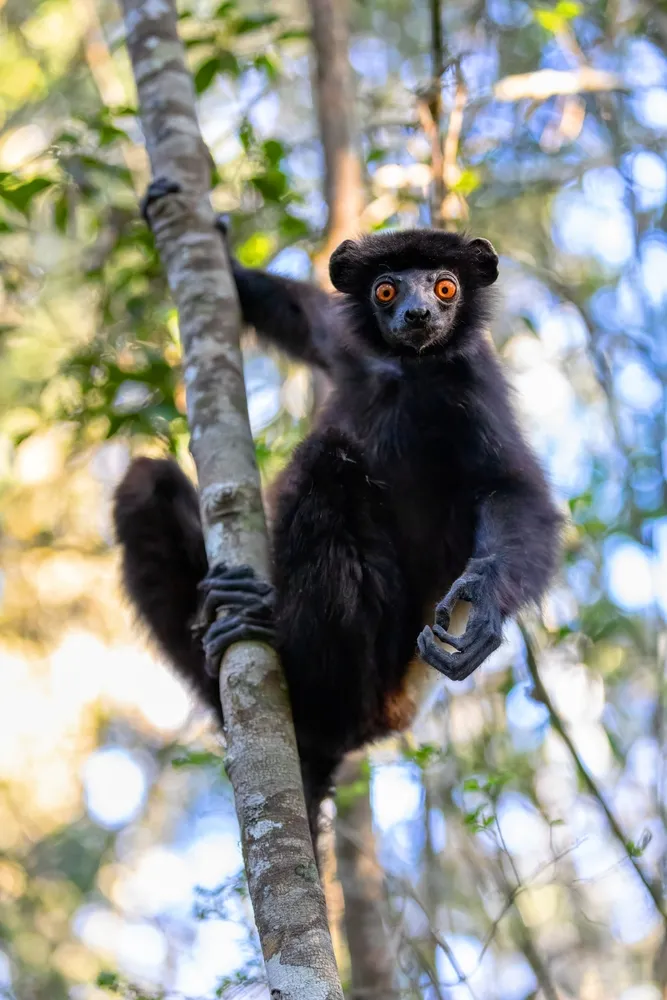
A brown eyed black lemur
They can learn patterns and tell objects apart, and can manage tasks too complex for monkeys, such as using trained tools and even simple arithmetic. A 2018 study also found that the more a lemur performs a new skill, the more popular it becomes in the troop.
How do lemurs communicate?
Apart from humans, no primates sing except lemurs. The indri is the only one to do so, performing in the eastern rainforests of Madagascar. The songs help hold the group together and warn off threats, with males and females carefully matching each other’s notes and rhythms.
Ring-tailed lemurs communicate in their own way. They have scent glands on the chest and wrists, which come into use in the breeding season. To mark territory, a male mixes the secretions from wrist and chest, and they also “stink-flirt,” using scent to attract mates.
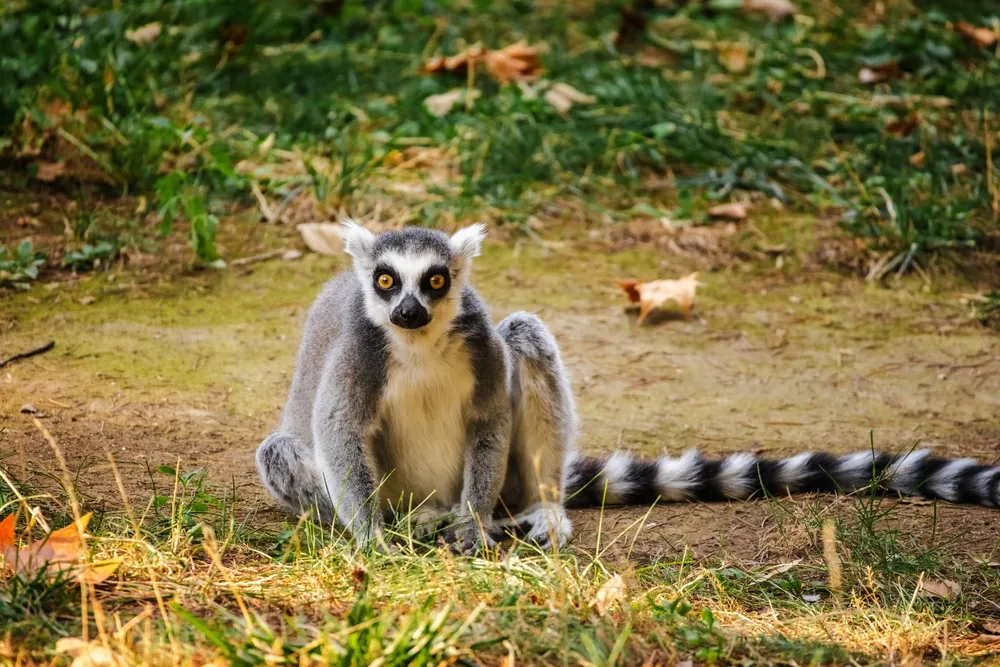
A ring-tailed lemur
Rather than fight over disputes, they hold a “stink fight,” wafting the smells into a rival’s face until one gives up.
Lemurs and superstition
The strangest lemur of all is the aye-aye, which has inspired superstition among the Malagasy. With its gremlin-like face and long, thin fingers, it looks eerie enough to unsettle anyone.
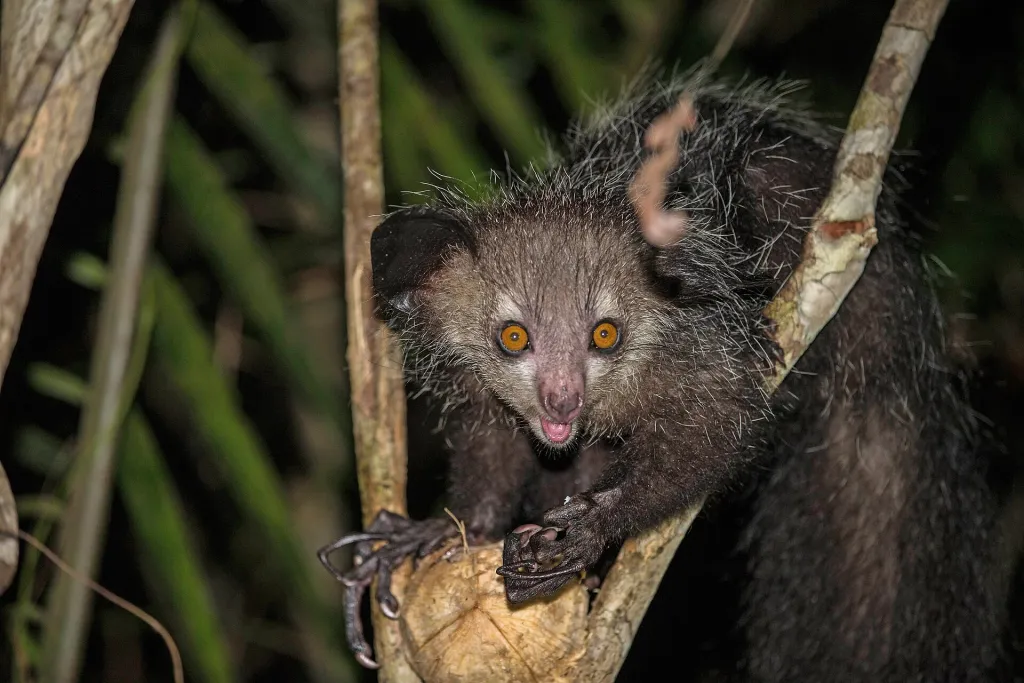
The wild aye ayes
But for all its looks, the aye-aye is harmless. Its spindly fingers are an adaptation for percussive foraging: it taps on bark, listens for hidden insects, then gnaws a hole with its sharp teeth and reaches in with a long finger. Among local people, though, the aye-aye is seen as a bad omen, and some believe that if one points at you, death will follow. That reputation has, sadly, made it endangered, as people kill it on sight.
Lemurs are remarkable animals, but they are running out of time. Around 106 of the known species are at risk of extinction, their numbers cut by deforestation and hunting, often as their forest is cleared for farming, and they are also caught and traded illegally as pets. One way to help is to go and see them in the forests of Madagascar: as a poor country, it stands to gain from ecotourism, which gives local people a reason to protect the lemurs’ habitat rather than destroy it.
If you loved reading this story, then subscribe to our blog here (it will ask to verify your email) to get inspiring travel stories and trivia delivered to your email. Stories about wildlife trivia, cultural experiences, curated luxury hotel lists, underrated places to travel, polar journeys and much more.