The Great Migration is not an event with a date. It is a continuous loop, and the herds are somewhere in the Mara–Serengeti ecosystem every day of the year. The only real question when planning a migration safari is where they will be when you are, and what you most want to see when you get there.
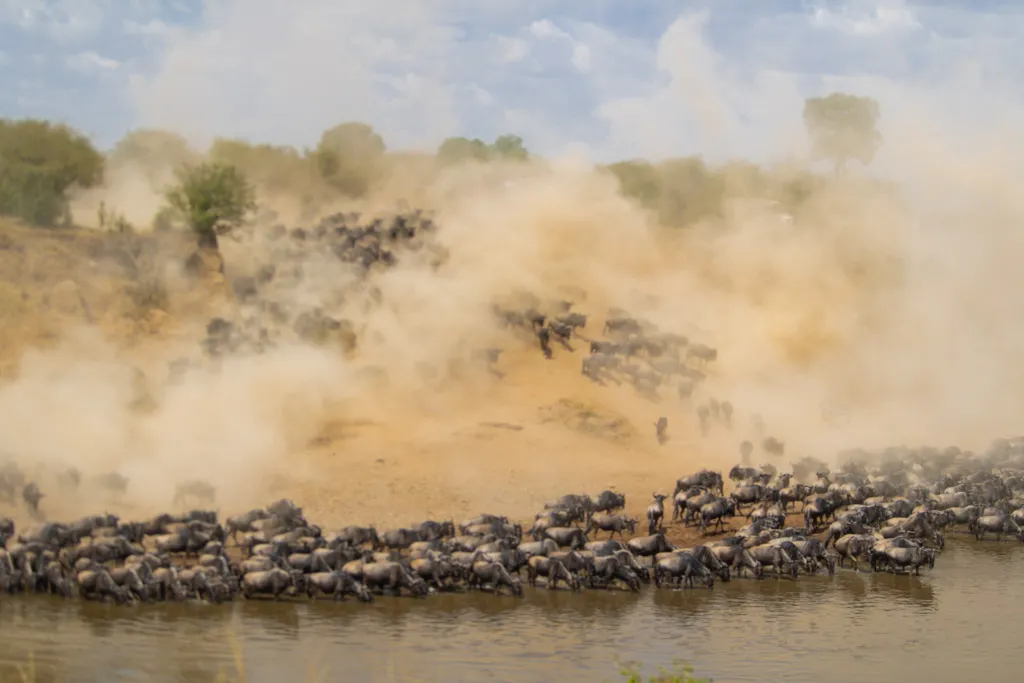
Around 1.5 million wildebeest move with several hundred thousand zebra and gazelle, following rainfall and fresh grass in a clockwise circuit between Tanzania’s Serengeti and Kenya’s Masai Mara. The two reserves share a border and a single ecosystem; the animals cross without noticing. Over a year the herds cover something like 800 kilometres.
The Masai Mara: where the crossings happen
The Mara is the northern end of the circuit — 1,510 square kilometres of open grassland, riverine forest and escarpment in southwestern Kenya. The herds arrive from roughly July and stay until the short rains push them back south.
What draws people here specifically is the Mara River. The banks are steep, the current is strong, and the water holds some of the largest Nile crocodile in Africa. The crossings are the most dramatic hour in African wildlife, and the grass the herds come for also concentrates the predators that follow them.
The Serengeti: where the year begins
The Serengeti is the southern two-thirds of the circuit and roughly ten times the size of the Mara. Its short-grass plains in the south are where the calving happens, and the western corridor is where the Grumeti River crossings take place. Everything that arrives in Kenya in July started here in January.
Month by month
January to March — calving, southern Serengeti
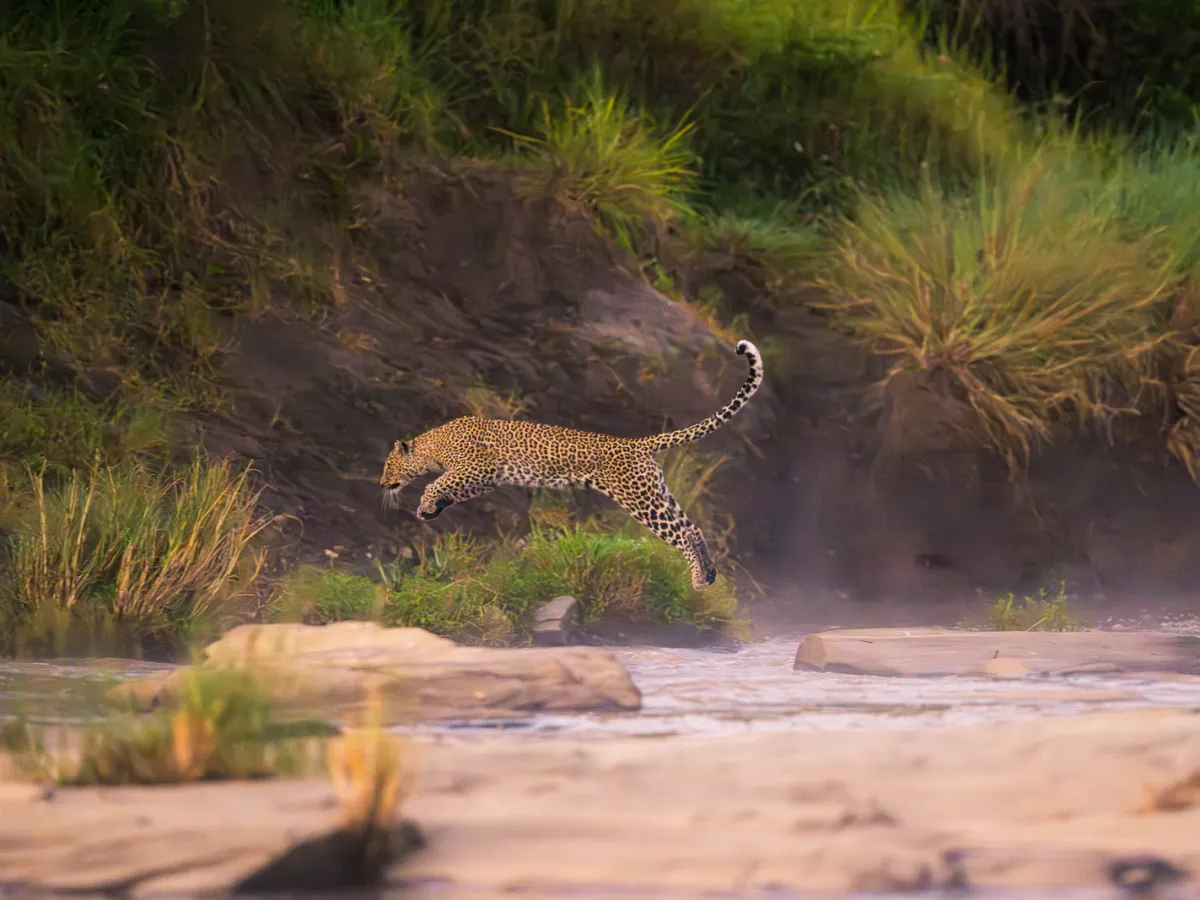
The herds concentrate on the short-grass plains around Ndutu. Roughly half a million calves are born in a window of a few weeks, with as many as 8,000 in a single day at the peak. Every predator in the ecosystem converges: lion prides, cheetah, leopard, hyena clans, jackal and wild dog. For predator behaviour in open country, nothing else in the calendar comes close. This is in Tanzania, not Kenya.
April to May — the long rains, central Serengeti
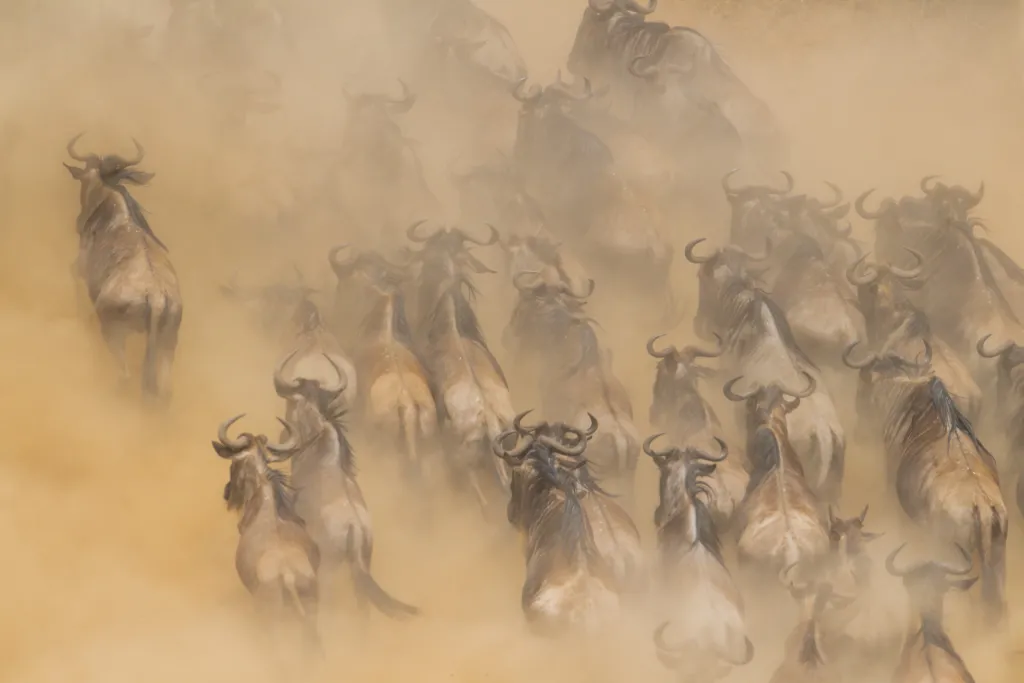
The herds move north and west through the Seronera valley in long columns. The rut falls in these months, and the bulls fight constantly. Heavy rain makes tracking harder and some roads impassable, but the camps are quiet and the rates are the lowest of the year.
June to July — the Grumeti, western Serengeti
The first river crossings of the year, into water holding very large crocodile. Smaller and less predictable than the Mara crossings, and far less crowded.
July to October — the Mara River, Kenya
The herds push north across the border. Crossings run from July through October, with August and September the most reliable months. Understand what this actually looks like: a herd will mass at a crossing point for three hours, refuse the water, and walk away. Nobody can tell you which day a crossing will happen, and any operator who promises one is selling you something. What a good operator does is place you at the right crossing points for several consecutive days and tell you honestly what the odds are.
November to December — the return south
The short rains draw the herds back out of the Mara and down through the eastern Serengeti towards Ndutu. Green landscape, few vehicles, and the cycle restarts.
So when should you go?
For the river crossings — August and September in the Masai Mara. This is also the most expensive and most crowded time of year in Kenya, and camps in the good locations sell out twelve months ahead.
For predators and newborns — late January to early March in the southern Serengeti. Fewer people, lower rates, and more hunting than you will see at any crossing.
For value — the shoulder either side. June in the Serengeti or October in the Mara both give you herds without full peak-season pricing.
Planning the trip
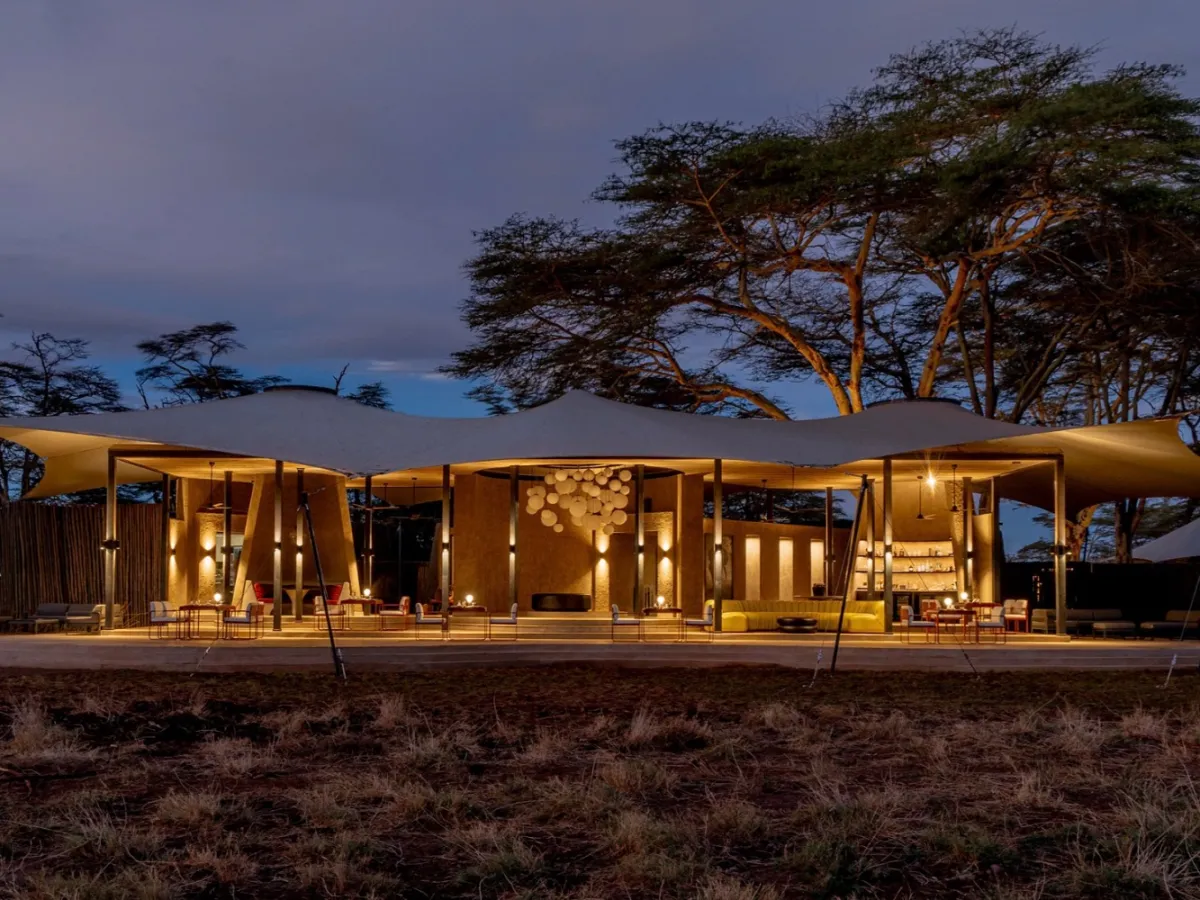
Book early. For August and September in the Mara, twelve months ahead is normal and the camps worth staying in go first. Location is the decision that matters most: a camp inside the reserve or in a bordering conservancy puts you at a crossing point before the day-visitor vehicles arrive from the gates.
Decide, too, whether you want a permanent camp or a mobile one that moves with the herds through the year. Both work. The mobile camps put you closer to the action and give up some comfort to do it.
And if you can spare the days, do both countries. Fly Mara to Serengeti and you see the whole ecosystem rather than one end of it — which is, in the end, what the migration actually is.