Kenya is where the safari began, and it is still the easiest place in Africa to have a first one. Short flights between parks, guides who have worked the same ground for twenty years, and game densities that mean a three-night stay actually delivers. You can see what we run at Kenya safari journeys.
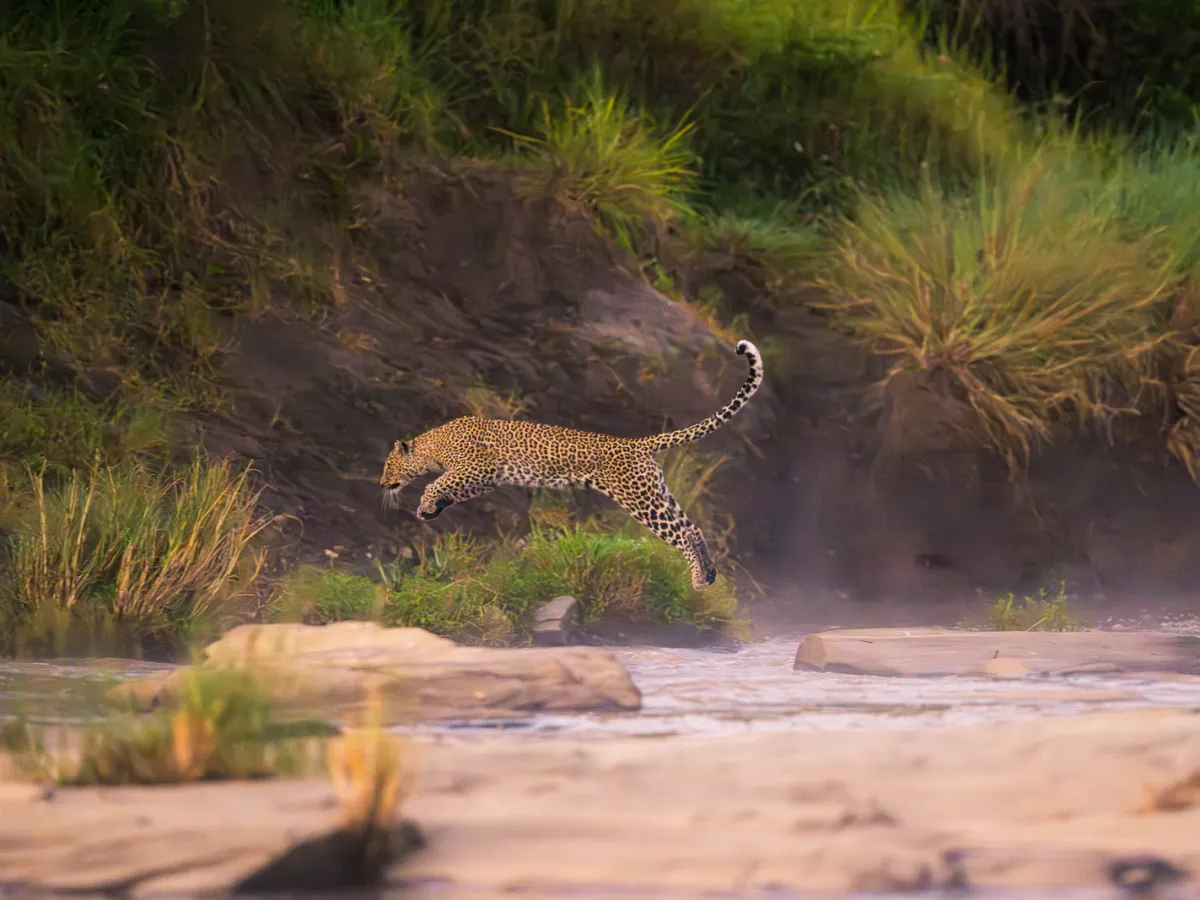
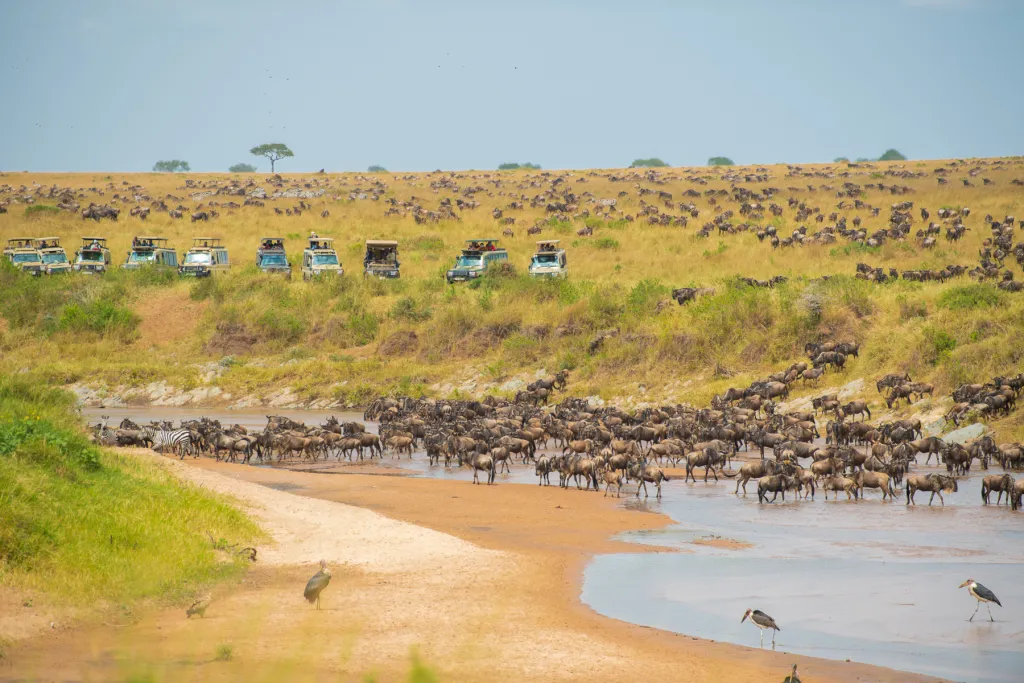
The headline is the wildlife. Lion, leopard, black rhino, elephant and Cape buffalo are all here, along with cheetah, the smaller cats, and around 1,100 bird species — one of the highest counts of any country on earth. Between roughly July and October the Great Migration crosses into the Masai Mara from Tanzania, which is the single busiest and most sought-after window in the Kenyan calendar. Our Masai Mara journeys are built around it.
Planning a first safari sounds harder than it is. Four decisions cover most of it: which parks, what time of year, where you sleep, and who you book through. Here is each in turn.
Which parks
Kenya protects more than fifty national parks and reserves. For a first trip, five of them do almost all the work.
Masai Mara National Reserve
The one everybody has heard of, and it earns it. The highest concentration of large predators in Kenya, balloon flights, guided walks in the bordering conservancies, and Maasai communities who have lived alongside this wildlife for generations. It is also the only place in Kenya the migration reaches. Three nights is the minimum that makes sense; four is better.
Amboseli National Park
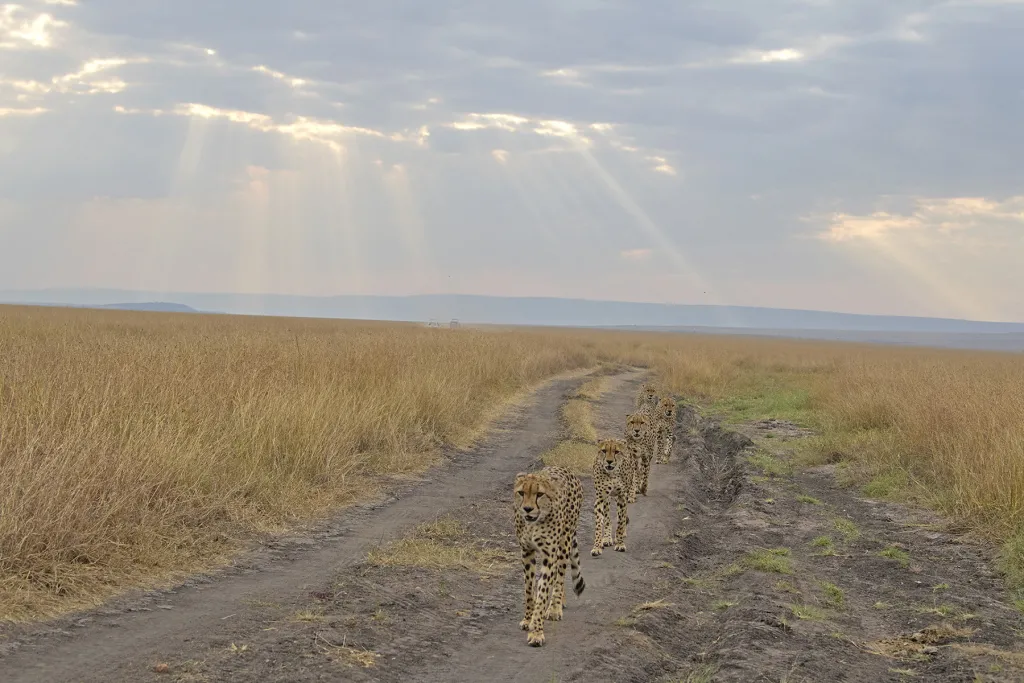
Amboseli is the photograph. Kilimanjaro fills the southern horizon on a clear morning, and in front of it are some of the largest elephant herds in East Africa, studied continuously since 1972 — which is why the bulls here carry tusks you will not see anywhere else. The park is compact and largely open, so animals are easy to find. Observation Hill gives you the whole swamp system in one view.
Nairobi National Park
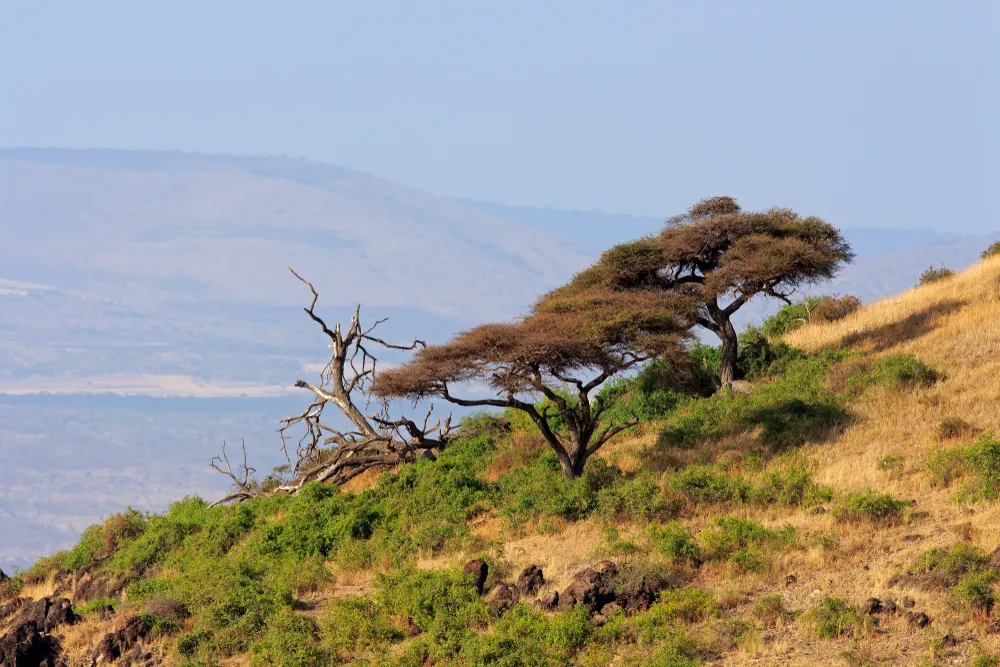
Nairobi is the only capital city in the world with a national park inside its boundary. Lion, buffalo, giraffe, leopard and one of Kenya’s densest black rhino populations, with the city skyline behind them. Around 400 bird species. It is not a substitute for the Mara, but it is a genuinely good half-day on either end of a trip and costs you no travel time at all.
Samburu National Reserve
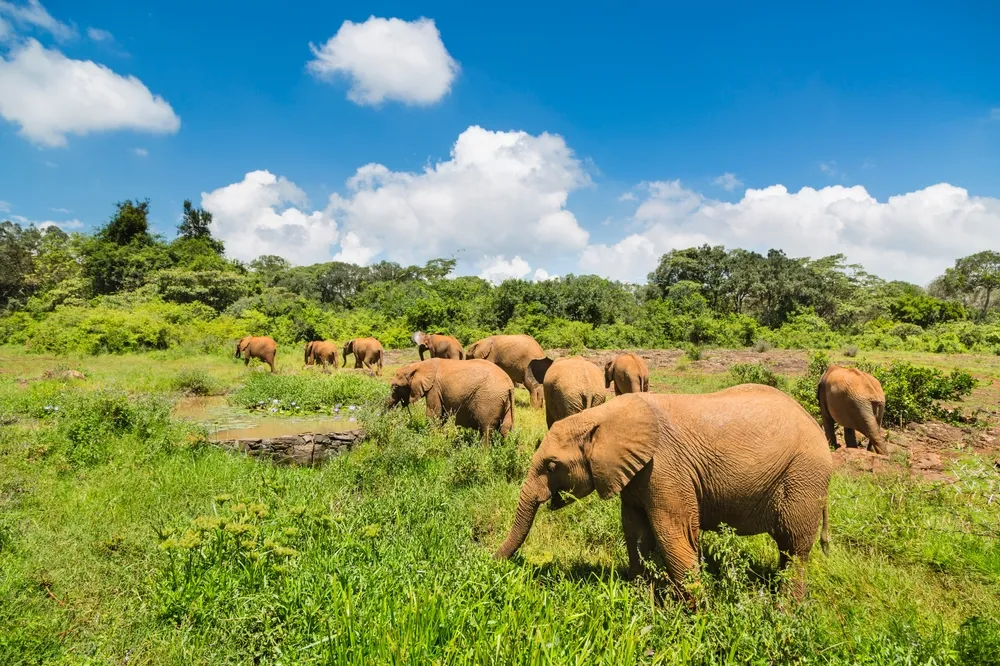
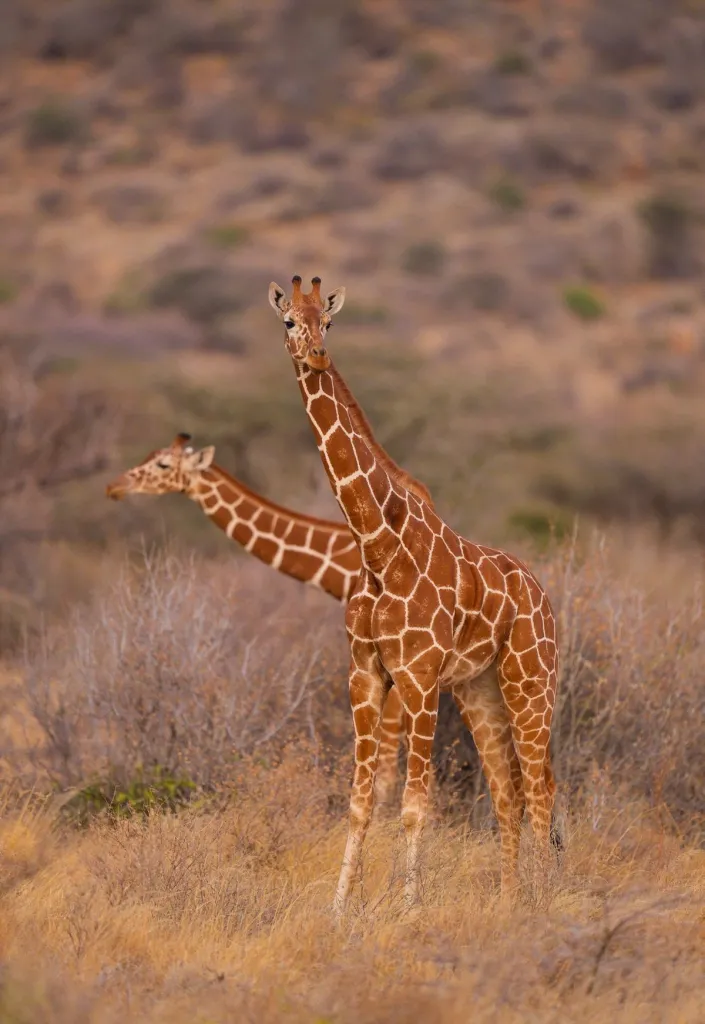
For a first-timer who wants to avoid the crowds. Samburu sits north of the equator in dry, rocky country strung along the Ewaso Nyiro river, and the wildlife is different from the Mara’s: the Samburu Special Five are Grevy’s zebra, reticulated giraffe, Somali ostrich, gerenuk and Beisa oryx, none of which you will see in the south. Fewer vehicles, harder light, and a landscape that photographs better than the Mara does.
Lake Nakuru National Park
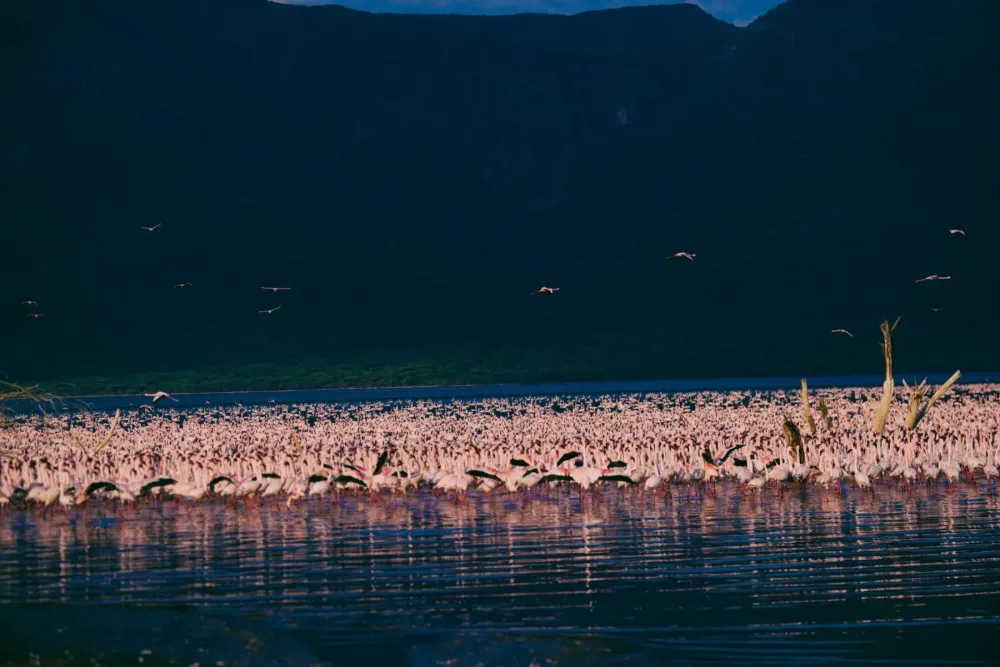
Nakuru is a rhino park first and a flamingo park second — and that order matters, because it used to be the other way round. Rising water levels since 2013 diluted the lake’s alkalinity and most of the flamingos moved to Lake Bogoria and Lake Elementaita. Go to Nakuru for both black and white rhino, Rothschild’s giraffe, and over 450 bird species. Go to Bogoria for the flamingos. Anyone who promises you the pink shoreline photograph at Nakuru is working from an old brochure.
When to go
Kenya works year-round. What changes is the crowd, the price and the odds.
June to October — the dry season. Thin vegetation, easy visibility, comfortable days and cold early mornings. The migration is in the Mara from roughly July. This is peak season: rates are at their highest and the popular sightings draw vehicles.
November to December — the short rains. Brief afternoon showers, green landscape, migratory birds arriving, and noticeably fewer people. Good value and often the better trip if the migration is not your priority.
January to March — hot and dry. Excellent general game viewing, cats with cubs, superb birding. Calving happens over the border in the southern Serengeti during these months, not in Kenya.
April and May — the long rains. The greenest landscape and the lowest rates, with the fewest vehicles you will ever share a sighting with. Roads get difficult and some camps close. Worth it if you are flexible and do not mind mud.
What to know before you go
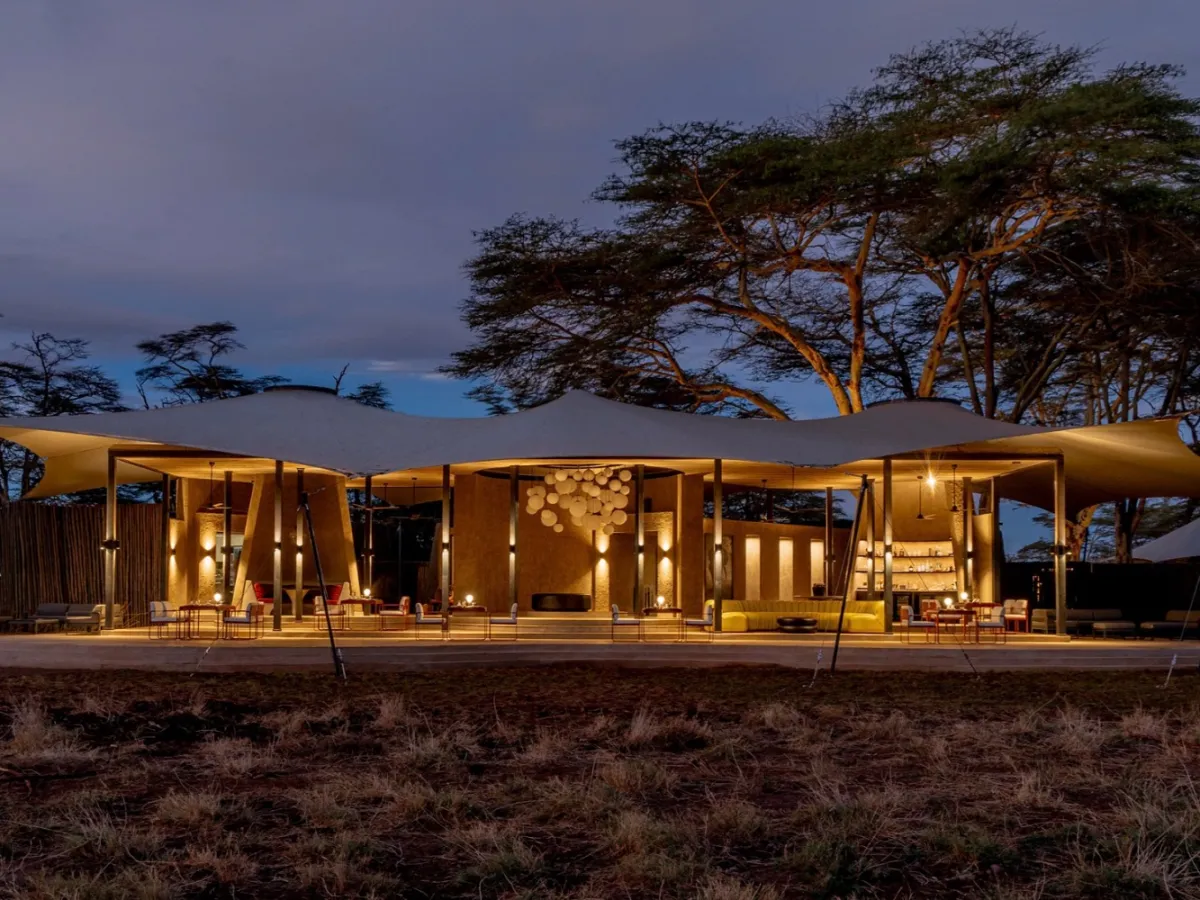
Where you sleep. Camps and lodges run from simple to very expensive. The variable that matters more than the star rating is location: a camp inside the reserve or in a private conservancy puts you with the game at sunrise, while a camp outside the gates costs you the first hour of every morning driving in. Ask where the camp actually sits before you compare prices.
Clothing. Neutrals — beige, khaki, olive, brown. Leave the bright colours and the white at home. Camouflage print is illegal for civilians in Kenya, and will be confiscated at the airport. Bring layers: mornings on an open vehicle are genuinely cold, and by ten it is warm.
Kit. Sun protection, insect repellent, a hat, sunglasses, a head torch, hand sanitiser and a basic first aid kit. Kenya bans single-use plastic bags, so do not pack any. For cameras: a long lens if you have one, a spare battery, more memory than you think, a Type G adapter, and binoculars — the single most underestimated item on any safari.
Health and safety. Check vaccination requirements with a travel clinic well in advance, and ask about malaria prophylaxis. On the ground, the rules are simple: stay in the vehicle unless your guide says otherwise, and do what the guide tells you. They read the animals better than you do.
Travel insurance. Not optional. Make sure it covers medical evacuation by air from a remote area — the ordinary policy usually does not.
When you are ready to put dates against this, talk to an operator who knows the individual camps rather than a list of them.