The Himalayas are one of the best places anywhere for birdwatching, thanks to the range and rarity of birds found among the highest peaks and valleys in the world. Chopta is one of the finest examples of Himalayan birding, and a good base for anyone who lights up at the sight of these birds.
In the state of Uttarakhand, at about 2,680 metres, Chopta is a small evergreen forest area in the Garhwal Himalayas, part of the Kedarnath Wildlife Sanctuary. It is known for its landscapes and its views of mighty Himalayan peaks such as Nanda Devi, Trishul and Chaukhamba. It is also a popular trekking base, with trails like the Chopta–Tungnath–Chandrashila and Deoriatal–Chopta routes starting here or passing through.
But it is the birding that sets Chopta apart. Its clean, undisturbed environment and its forests of rhododendron, deodar and pine make it, and the areas around it, home to a great many Himalayan bird species.
The Himalayas hold many endemic and migratory birds. Most Himalayan species are rarely seen elsewhere in India, well adapted as they are to the altitude and climate, which makes Chopta an ideal place to look for birds specific to these mountains.
The birds
Chopta has a wide range of birds. Around 240 species are recorded in the region, which has been declared an Important Bird Area.
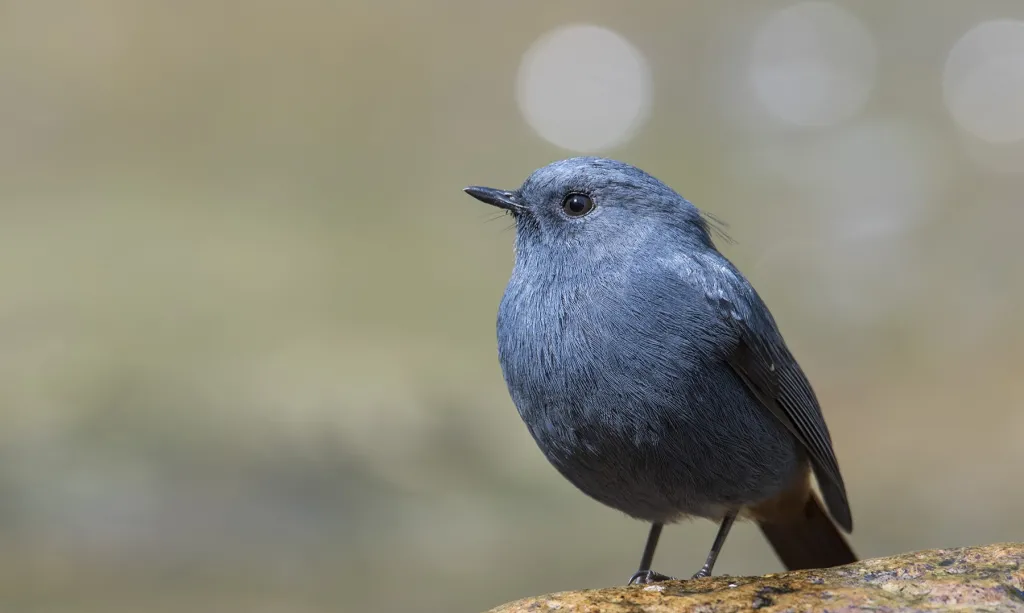
Here you can see the Himalayan monal, often voted one of the most beautiful birds in the world and the state bird of Uttarakhand. Others include the snow partridge, Himalayan griffon, Himalayan swiftlet, mountain hawk-eagle, grey-headed woodpecker, Himalayan bluetail, blue whistling thrush, rufous-breasted accentor and Himalayan buzzard.
The kalij pheasant, koklass pheasant, russet sparrow, yellow-rumped honeyguide and scarlet finch are also common here, while the blue whistling thrush turns up near almost every water source.
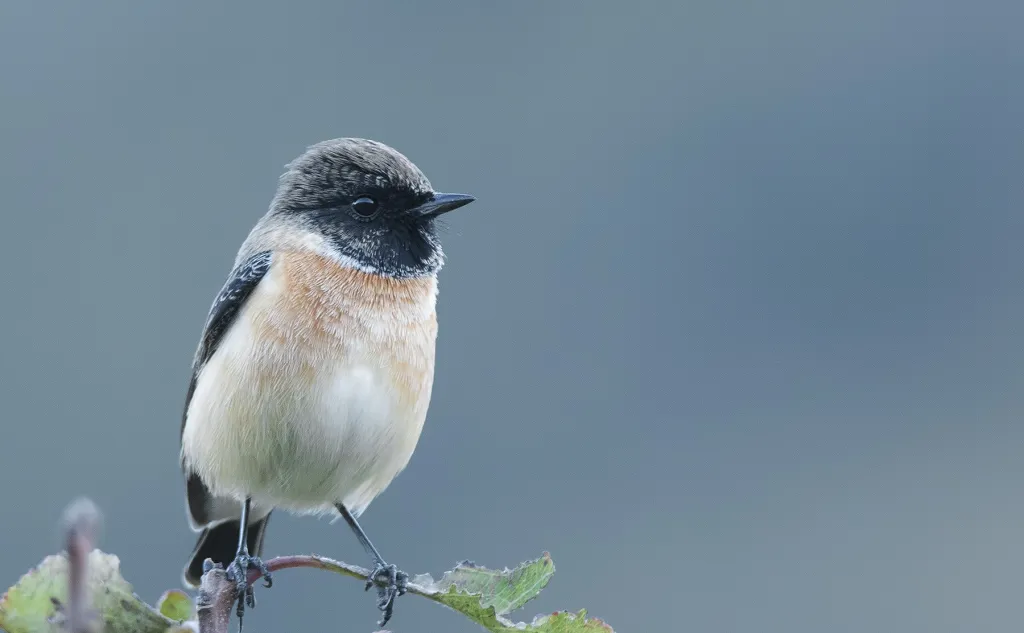
Day and night feel very different in Chopta. Mornings ring with songbirds, babblers, pheasants and barbets, while the nights are unusually quiet, broken now and then only by the call of a sambar or barking deer.
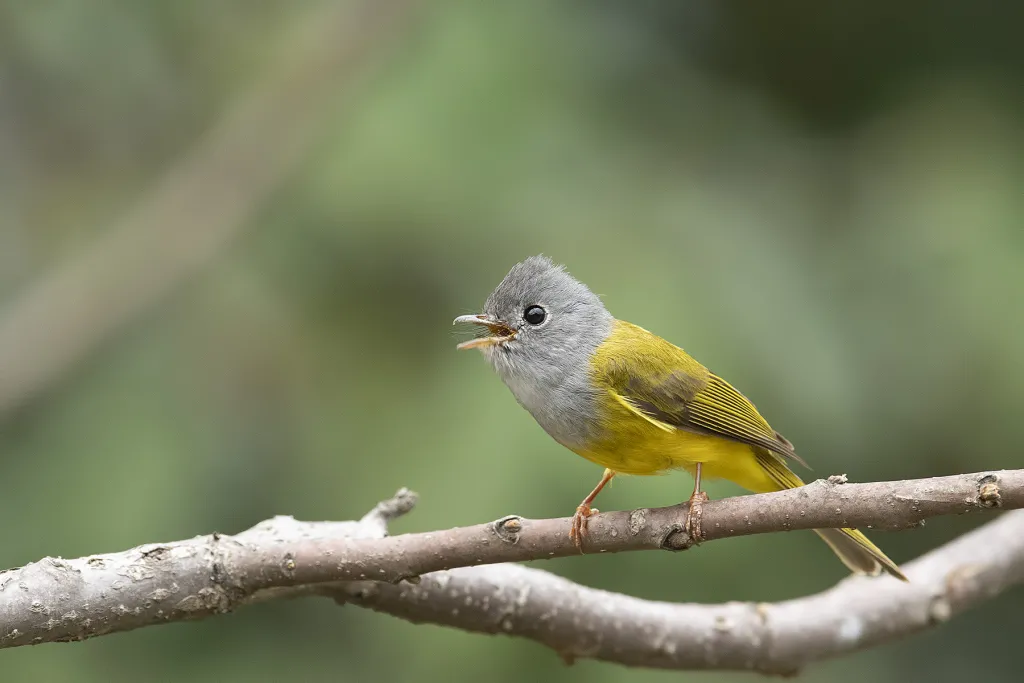
Other birds in and around Chopta include the grey-crested tit, chestnut-bellied rock thrush, Himalayan vulture, white-collared blackbird, rufous-bellied woodpecker, Himalayan woodpecker, mistle thrush, white-throated laughingthrush, black-headed jay, black-faced warbler, pygmy wren-babbler, golden eagle, fire-capped tit, bush robin and green-tailed sunbird.
Birding trails
Birdwatchers usually cover the areas around Chopta as well, such as Kund, Makku, Kakra Ghat, Chakki Bend, Deoriatal, Tungnath and Chandrashila. These trails and treks also take in fine views of the Himalayan terrain, and the more you walk, the longer and more varied your list of sightings becomes. Other good birding spots nearby include the Anusuya Devi temple, Mandal, and villages such as Ukhimath and Gopeshwar.
With its meadows, forests and open views, Chopta is a refreshing spot for birdwatchers, trekkers and nature lovers alike. It is often called Mini Switzerland for its scenery. With luck, alongside the Himalayan monal you may also spot the endangered Himalayan tahr in the Chopta valley.
Chopta is in the Rudraprayag district of Uttarakhand and is fairly easy to reach. The nearest airport is Dehradun (226 km away), and the nearest railway stations are Rishikesh (170 km) and Haridwar (180 km).
By road, Chopta sits on the Rudraprayag–Ukhimath–Gopeshwar highway and is well connected to towns and villages such as Rishikesh, Devprayag, Duggalbitta and Mandal.
Come to Chopta for its scenery, its trekking and its meadows and forests. But above all, it is the Himalayan birds that make the trip.