Few places on earth compare to the Sahara. A vast, dry expanse of dunes and rock, it is one of the harshest environments anywhere, and yet a surprising amount of wildlife survives here. For many travellers, seeing it at least once is a real ambition, and it offers experiences you will find almost nowhere else.

The Sahara is one of the largest and hottest deserts in the world. It covers roughly a third of Africa, spanning about 3.6 million square miles across some ten countries, from Morocco and Algeria in the west to Egypt in the east. Remote camping and exploring the dunes are just some of what you can do here. This guide covers the essentials before you go.
How to reach the Sahara
Parts of the Sahara are hard to visit because of conflict or political instability, but large sections are open and offer plenty of ways in.
Morocco
Morocco is one of the easiest gateways. The south-east is the main access point, and Marrakesh, about 600 km from the popular desert areas, is a common starting city.

The small town of Merzouga is the gateway to the great dunes of Erg Chebbi, and Fez is another common jumping-off city. From either, camel treks and 4×4 trips head out into the sand. The drive from Marrakesh or Fez can take up to two days, but it passes fine scenery along the way, including the Valley of Roses, the Dades Gorge and Ait Ben Haddou.
Egypt
Western Egypt holds a huge stretch of the Sahara. From Cairo, buses run to desert oases such as Dakhla, Siwa and Kharga, and to the White and Black Deserts.

At the oases you can take 4×4 excursions or slower camel rides into the desert.
Tunisia
Southern Tunisia opens onto the northern Sahara, one of the most celebrated corners of the desert, with two main gateway towns.

Tozeur, a short flight or a seven-hour bus ride from Tunis, sits near the salt lake of Chott el Jerid and was a filming location for Star Wars. Douz, on the edge of the Grand Erg Oriental, has some of the finest dunes, which run on into Algeria. For a remoter feel, head to Ksar Ghilane, an outpost south of Douz with wide desert views and old forts.
The best time to visit
Timing matters here. The best months are roughly October to April, when temperatures are milder; the summer, June to September, is dangerously hot. Winter nights, in December and January, can drop below freezing after sunset. Dust storms are most common from February to May.

Wildlife of the Sahara
Plants
Sahara plants are built to endure. Species like resin spurge and desert date survive with deep roots that reach hidden water and small, tough leaves that limit water loss. They also feed the desert’s grazing animals and hold parts of the ecosystem together.
Mammals
More mammals live here than you might expect, each suited to the conditions. The fennec fox, with its huge heat-shedding ears, is one of the best known. The Saharan cheetah, critically endangered, has evolved for speed and concealment, and the addax, dorcas gazelle and Barbary sheep all get by in this hard country.
Birds
The Sahara has a surprising range of birds. Lanner falcon and Egyptian vulture hunt over the dunes and rocky plateaus, and the desert sparrow builds its nests out in the open, a small master of adaptation.
Reptiles and amphibians
Reptiles and a few amphibians share the desert too. The Saharan horned viper hides in the sand with fine camouflage, the Mediterranean chameleon works the fringes, and the Sahara frog waits out dry spells buried beneath the sand.
Insects and other invertebrates
Invertebrates range from the Saharan jewel beetle, which glitters in the sun, to the fast-moving solifuge that hunts across the dunes. They act as pollinators, decomposers and food for larger animals, part of the desert’s web of life.
Endangered species
People picture the Sahara as empty, but it holds around 260 animal species, many of them now threatened. Among those at real risk are the addax antelope, the Saharan cheetah and the dama gazelle.
Conservation
Groups such as the Sahara Conservation Fund work to protect the desert’s wildlife through habitat work and anti-poaching, often alongside local communities.
Threats
The main threats are hunting and illegal trade, especially of iconic species like the addax and the Saharan cheetah; climate change, which shifts temperature and rainfall; and damage to fragile habitats from off-road vehicles and new infrastructure.
Habitats
Oases
Oases are the green heart of the desert, fed by springs and underground water. They range from a cluster of date palms round a well to whole towns with irrigated farmland growing dates, olives, figs, citrus, wheat and maize.
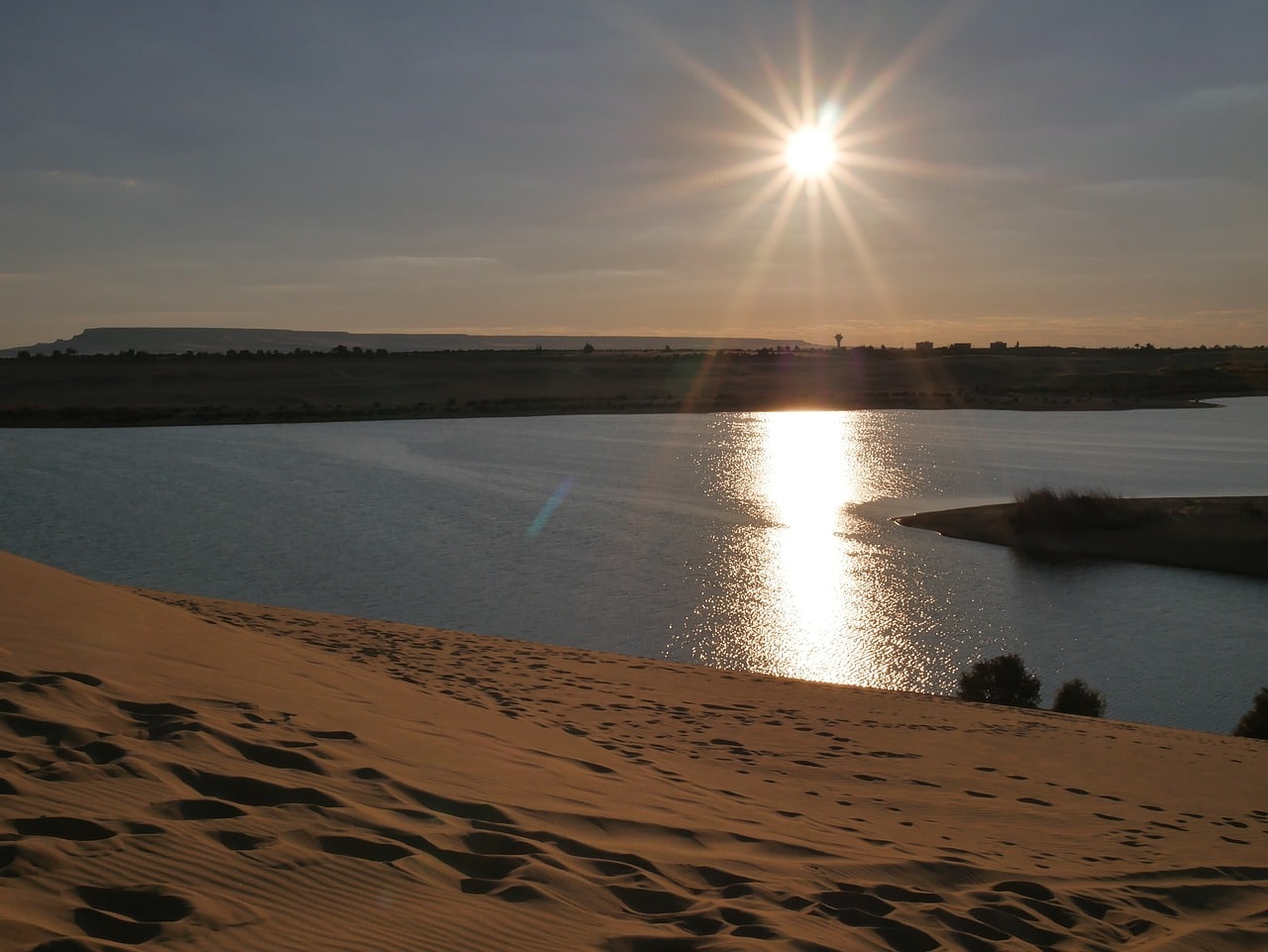
Birds gather in the greenery while rodents and reptiles shelter in the shade, and the oases are lifelines for nomadic people, their livestock and the wildlife alike.
Rocky plateaus
Away from the famous dunes, the Sahara’s rocky plateaus hold their own life. Barbary sheep move well over the rough ground, and hardy plants cling to cracks in the rock. These areas are important refuges, giving both shelter and food.
Dunes and ergs
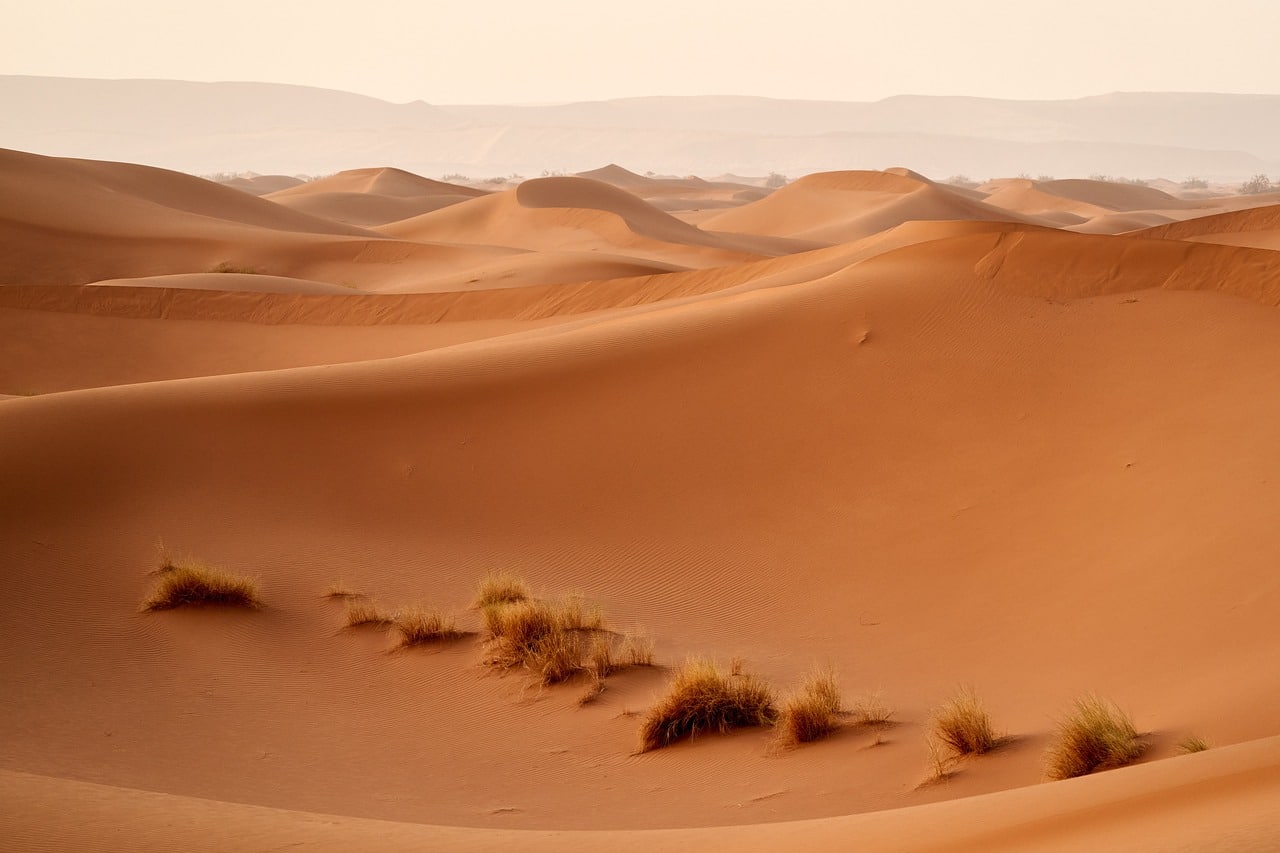
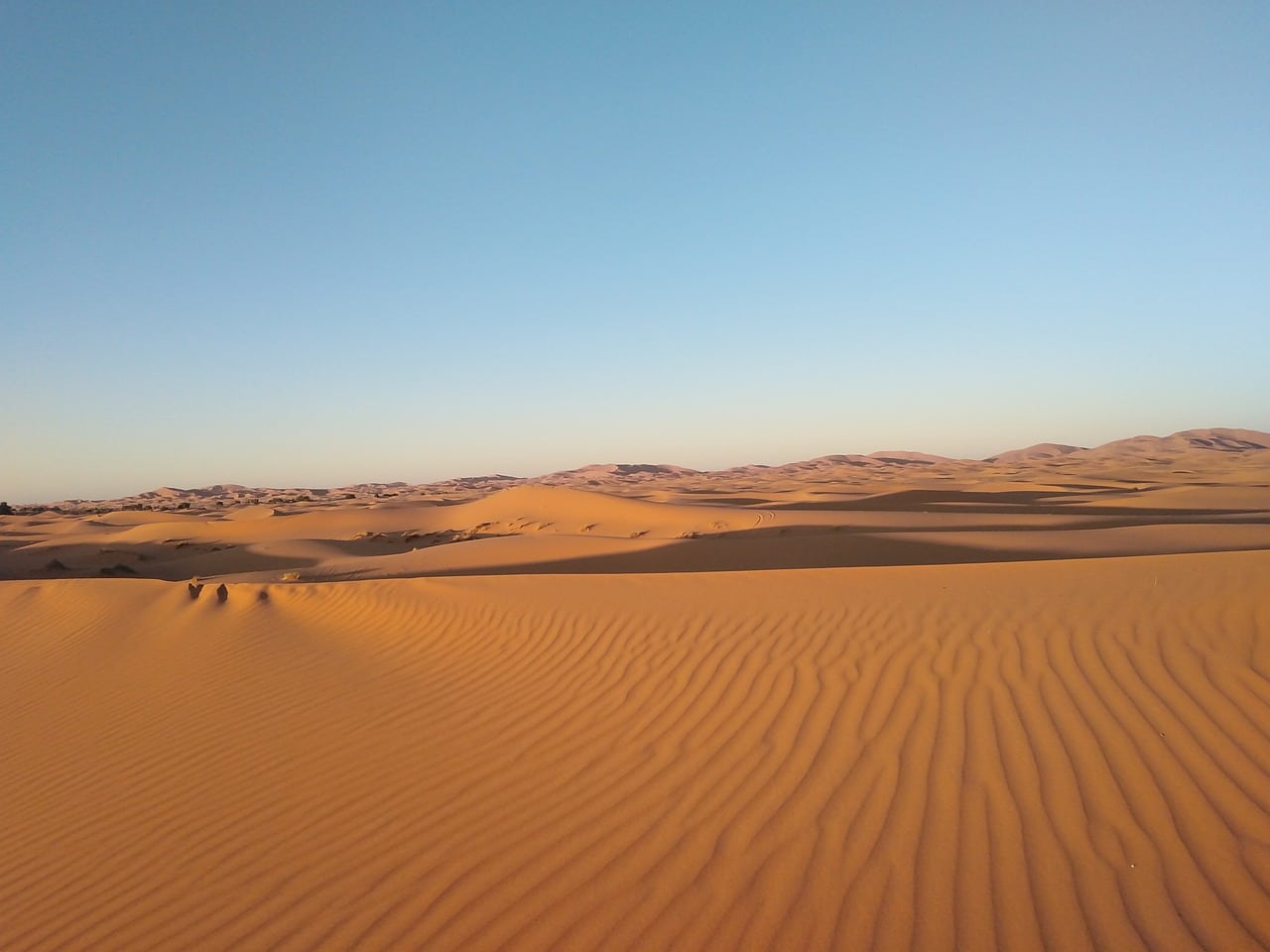
The great sand seas, or ergs, are what most people picture. Shaped by the wind, they look lifeless, but animals such as the Saharan silver ant and the sidewinding viper have found ways to live there.
The Sahara’s wider role
The Sahara shapes the weather far beyond its edges, affecting temperature and rainfall across North Africa and further afield, with knock-on effects for farming and water supplies. On a global scale, its vast pale surface reflects sunlight and helps regulate temperature, and its specially adapted plants and animals offer lessons in how life copes with extreme conditions.
Attractions and landmarks
There is plenty to see, natural and man-made. A few highlights:
Erg Chebbi
Erg Chebbi, in Morocco, is a classic sea of tall dunes under big skies. Camel treks and camping under the stars are the things to do, and it is a must for a real Saharan experience.

Siwa Oasis
Siwa, in far western Egypt, is a lush oasis of olive and date groves, with natural springs, gardens and ancient oracle temples.

The Majorelle Gardens
This garden in Marrakesh was created by the French painter Jacques Majorelle, with banana trees, palms, fountains, water channels and marble pools, plus a good Berber culture museum.

The White Desert
In Egypt, the White Desert is a strange landscape of chalk and limestone shapes, eroded over time into pale, wind-carved forms.

What to pack
A few essentials for a desert trip:
- Sunscreen: the sun is relentless, so bring a high-SPF sunscreen and reapply often.
- Water: it is easy to underestimate how much you need. Carry plenty, with a backup supply in the vehicle.
- Clothes: light, loose, pale garments, plus a jacket for cold nights and a hat, scarf and sunglasses.
- First-aid kit: help can be far off, so carry a basic kit.
- Torch: useful after dark, even in a well-equipped camp.
The Sahara is unlike anywhere else. Go with respect for the conditions, and it rewards you with landscapes and wildlife you will not forget.
If you loved reading this story, then subscribe to our blog here (it will ask to verify your email) to get inspiring travel stories and trivia delivered to your email. Stories about wildlife trivia, cultural experiences, curated luxury hotel lists, underrated places to travel, polar journeys and much more.