East Africa and its neighbours offer some of the finest safaris anywhere, with wide grasslands, varied wildlife, striking scenery and a good choice of camps and lodges. Across Kenya, Tanzania, Uganda and the countries around them, there is plenty to see, from famous parks to quiet beaches.
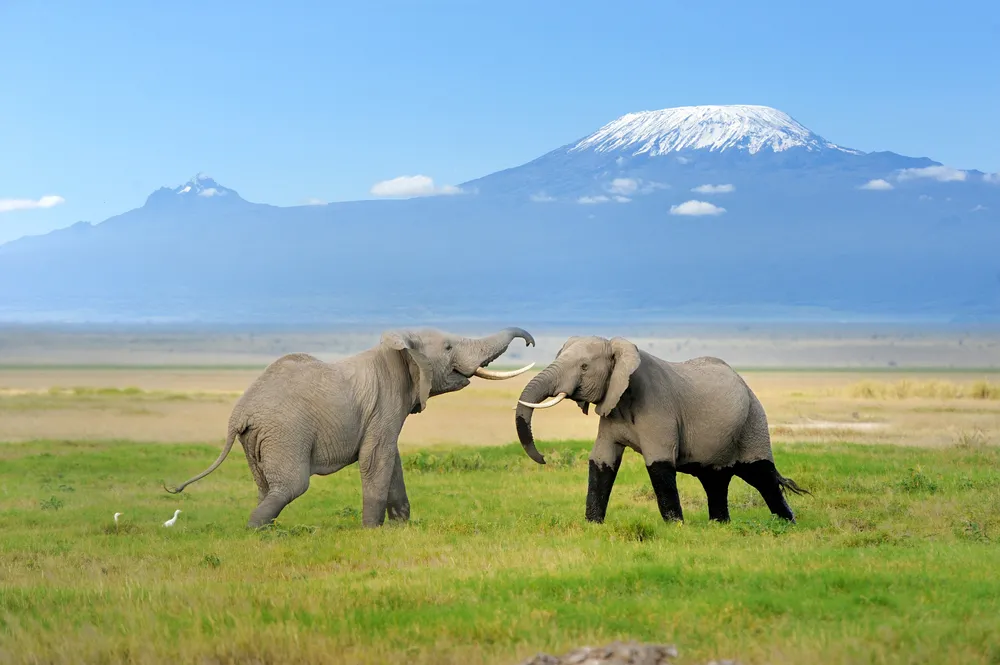
Elephants seen in Amboseli National Park, Kenya
The best-known parks in Kenya are the Masai Mara, Tsavo East and Amboseli, while Tanzania has the Serengeti and Zimbabwe the Mana Pools. But there are quieter parks in the region too, with fine landscapes, healthy wildlife and far fewer crowds. Here are some of them.
Kenya
Known as the home of the safari, Kenya has excellent parks and reserves, along with Mount Kenya. Its highlights range from wild dogs in Laikipia to the great migration in the Masai Mara. Here are a couple of places that also deserve a look.
Aberdare National Park
The Aberdare National Park lies in the Aberdare mountain range, east of the Rift Valley, over high, varied country of mountains and valleys cut by streams, rivers and waterfalls. Lower down are bamboo, moorland and dense rainforest.
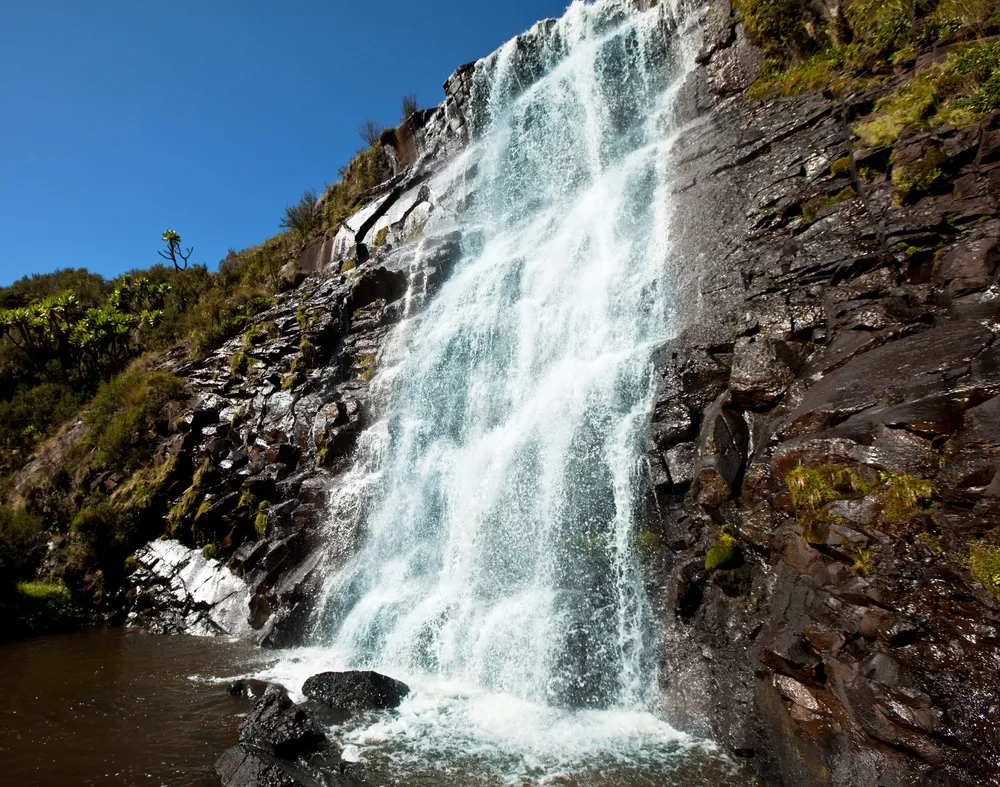
Aberdare National Park
The park is home to elephants, leopards, spotted hyenas, black rhinos, black-and-white colobus monkeys and bushbuck, and if you are lucky you may see a golden cat, African wildcat, giant forest hog or bongo. With more than 250 bird species, including sparrowhawks, Jackson’s francolin, plovers and sunbirds, the birding is good. Along with walking safaris, you can fish for trout, picnic, trek and camp in the moorlands.
Meru National Park
East of Meru, this park covers about 240 square miles. Heavy rain gives it tall grass and lush swamp, along with rivers, open grassland and thick jungle. Meru was the home of Elsa the lioness, raised by the conservationists Joy and George Adamson, who featured in the 1960s film Born Free.
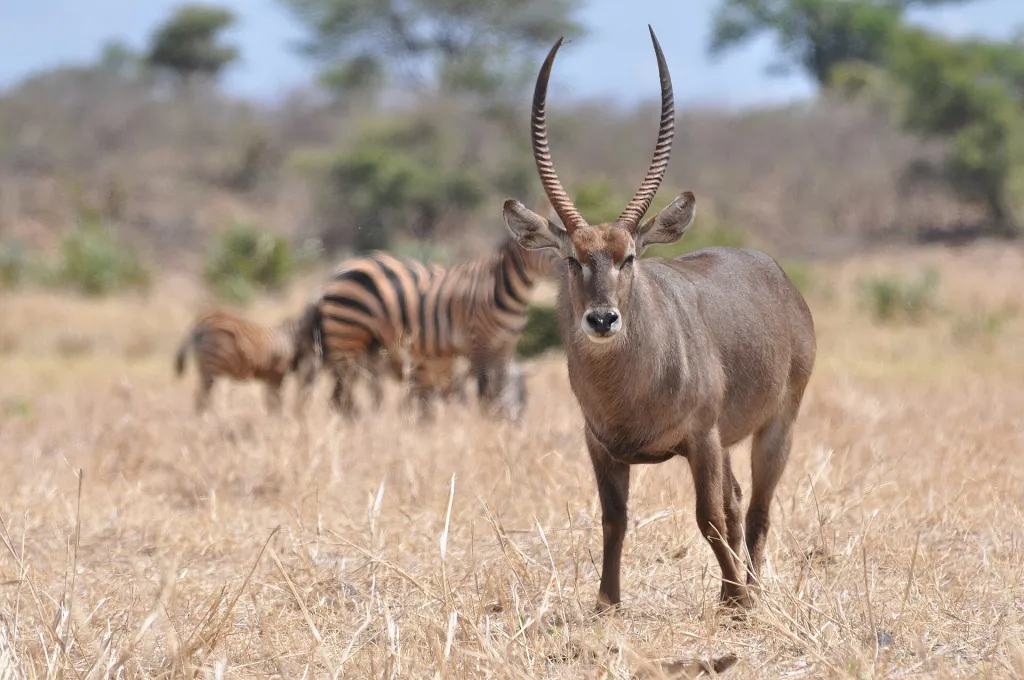
A waterbuck at Meru National Park
Seldom visited, the park feels remote and rugged. Grevy’s zebra, Bohor reedbuck, elephant, and snakes such as puff adders, pythons and cobras all live here, along with more than 400 recorded bird species, among dense riverine forest of raffia palm and open grassland. You can visit the former home of the Adamsons and Elsa, and take in the views of the Tana River, Adamson’s Falls and Mount Kenya.
Malawi
Its wild, uncrowded country makes Malawi a memorable safari destination, with plenty of wildlife in its parks and reserves. Of its roughly nine national parks and reserves, one stands out for a quiet game drive.
Liwonde National Park
In southern Malawi, Liwonde National Park is known for its wildlife reintroductions, which have restored a predator population. Though it covers only about 220 square miles, it has a fine riverine setting and plenty of wildlife action.
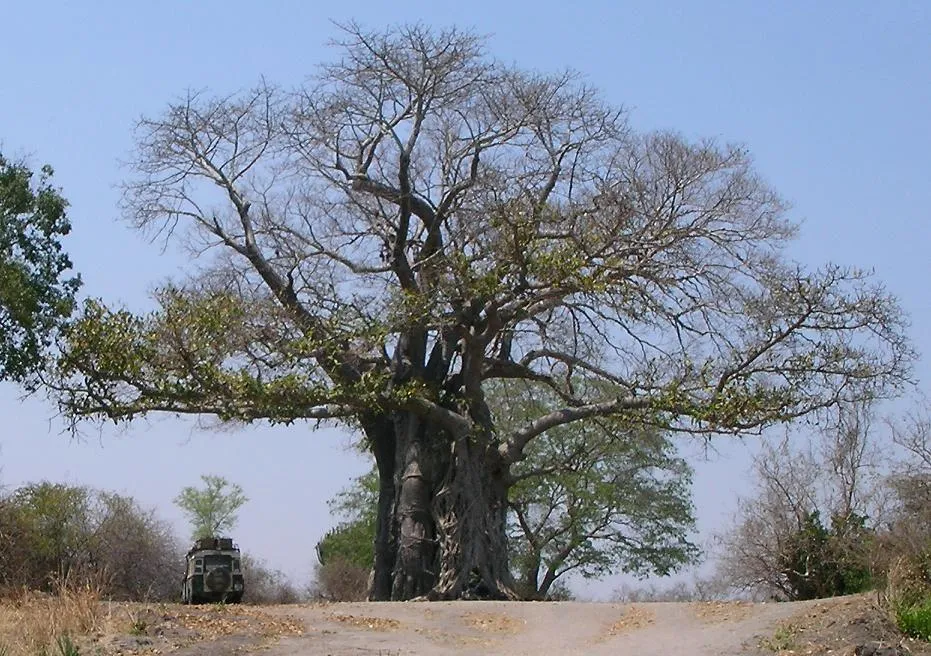
Liwonde National Park
You may see herds of elephant, along with lion, wild dog, cheetah, leopard, hyena, kudu and bushbuck, and the occasional black rhino, plus a healthy population of hippo and Nile crocodile in the Shire River. Liwonde records more than 350 bird species, including the brown-breasted barbet, Lilian’s lovebird and Pel’s fishing owl. You can take a traditional safari or a boat safari on the Shire.
Tanzania
One of the world’s great safari countries, Tanzania offers Maasai culture, excellent wildlife and views of Mount Kilimanjaro, the highest mountain in Africa. For something quieter, here are a couple of options.
Ruaha National Park
Ruaha covers nearly 8,000 square miles in central Tanzania and is one of the largest parks in the country, with rich wildlife, open grassland, hundreds of baobabs and the Ruaha River. Few people visit, so the safaris feel exclusive.
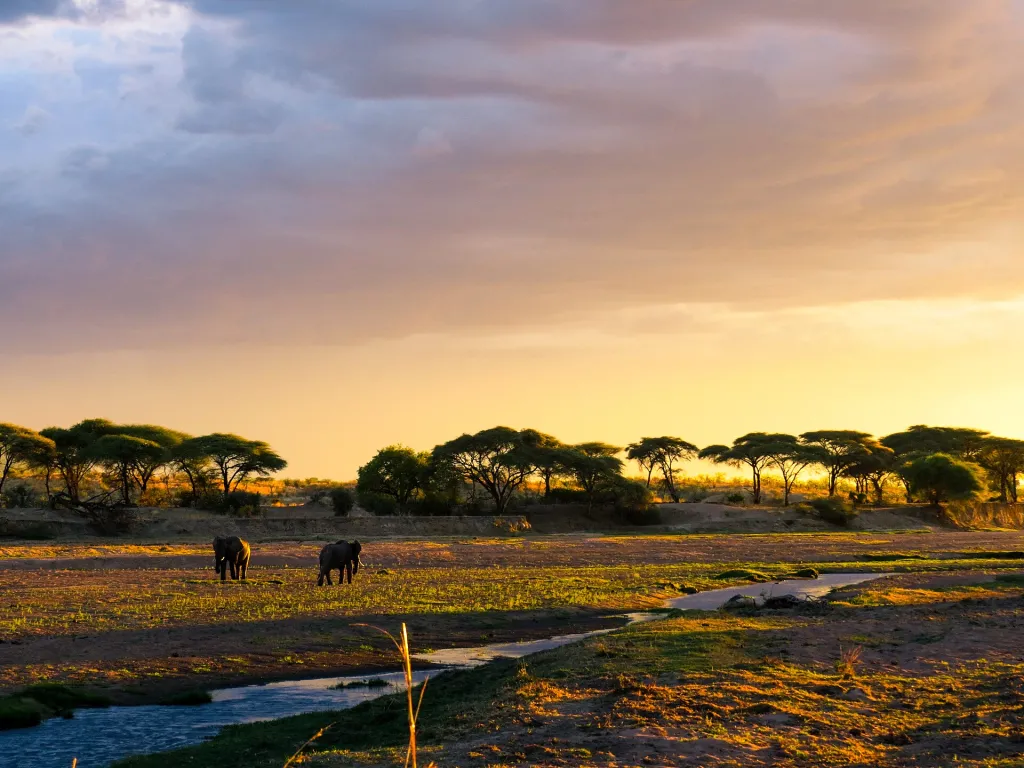
A stunning sunset at Ruaha National Park
As the dry season sets in, waterbuck, gazelle, impala, zebra and other animals come to the river, followed by predators such as lion, leopard, wild dog, cheetah and hyena. Ruaha has more than 500 bird species, including the yellow-collared lovebird, the Ruaha red-billed hornbill and the violet-crested turaco. You can take game drives, guided walks and night drives.
Saadani National Park
Saadani is unlike any other park in East Africa: the only place where the bush meets the beach, so you can watch wildlife against the Indian Ocean. Its coastal setting makes for an unusual safari, with both marine and land wildlife.
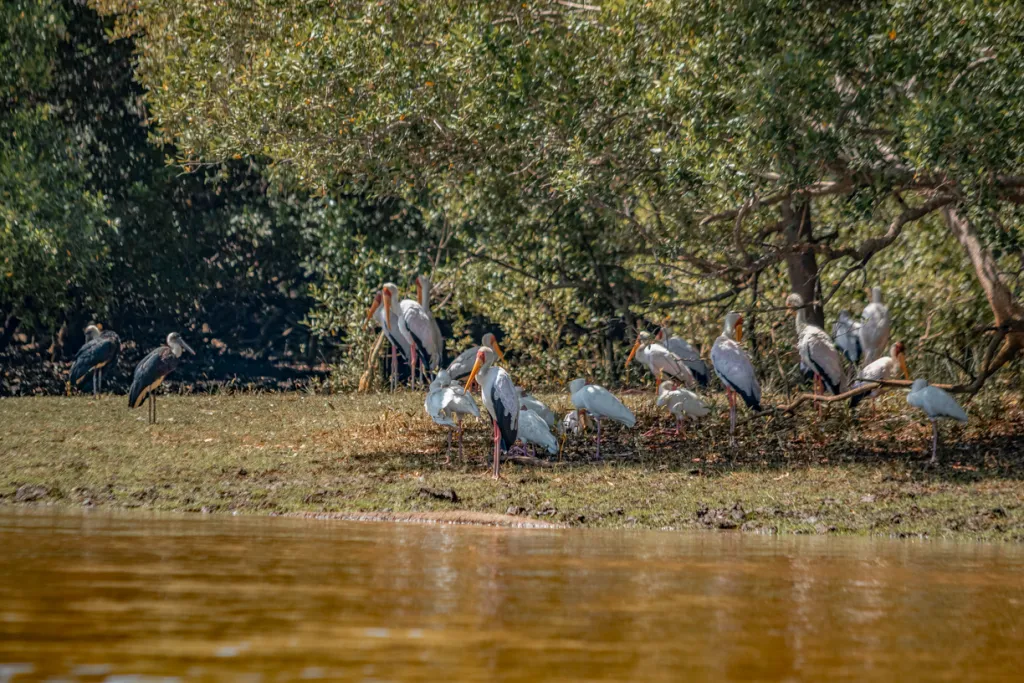
Yellow-billed storks at Saadani National Park
Fairly small, at about 1,100 square kilometres, it makes up for its size with varied wildlife and terrain, including around 30 large-mammal species such as lion, elephant and buffalo, along with salt flats and mangroves in its coastal and river areas. You can explore Saadani by jeep, by boat or on foot.
Uganda
Uganda has fine ground for safaris, sitting where the western jungle meets the eastern savannah, with a great range of flora and fauna. Its primates are the main draw. One of its most striking and least-visited parks is below.
Kidepo Valley National Park
In north-eastern Uganda, Kidepo Valley National Park covers 1,442 square kilometres in the Karamoja region. Its rugged, isolated country makes it one of the most prized yet least-visited parks, its savannah broken by the Narus and Kidepo rivers.
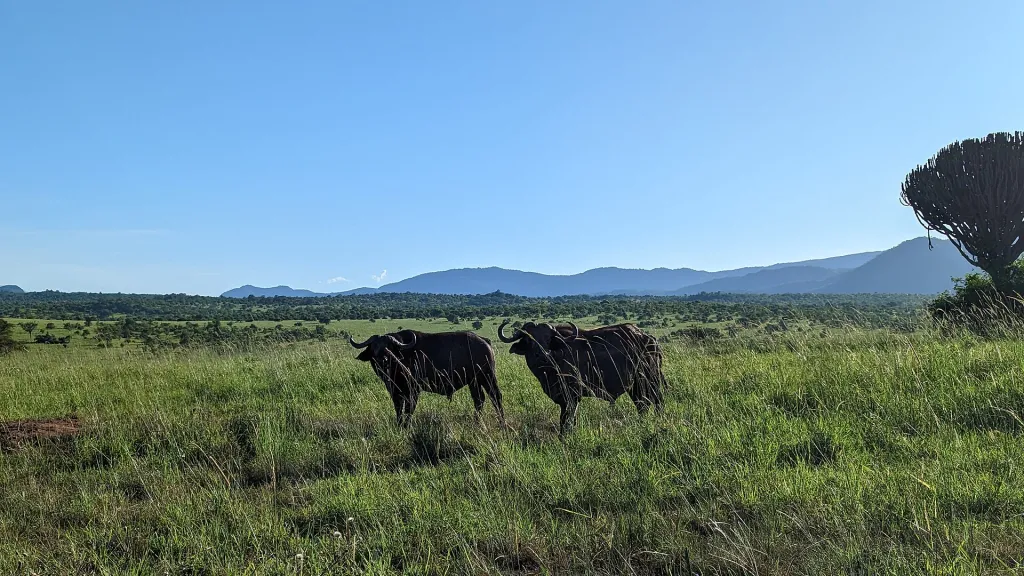
Kidepo Valley National Park
Kidepo has over 77 mammal species and about 400 birds. You can expect to see lion, leopard, lesser kudu, cheetah, eland and herds of elephant, and it is one of the best places in Africa for birds of prey. Game drives, nature walks, hiking, birdwatching and cultural visits are the things to do.
Zambia
Zambia, where the walking safari began, has several parks and concessions offering something different, along with Victoria Falls. Among its remote parks, one is worth seeking out.
Kasanka National Park and the Bangweulu Wetlands
Kasanka is one of the smallest parks in Zambia but holds a good range of wildlife. It has five perennial rivers and varied habitats, from miombo woodland and evergreen forest to swamp.
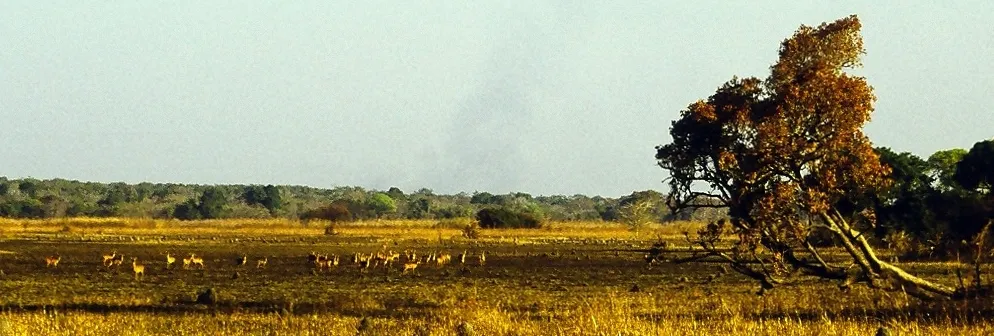
Kasanka National Park
A conservation area, Kasanka has 114 mammal species, including the blue monkey, wattled crane and sitatunga. The birding is excellent, and each year it hosts a fruit-bat migration, the largest gathering of mammals in Africa. To the north, the Bangweulu Wetlands are recognised under the Ramsar Convention as an important wetland, with exceptional wildlife, including the only remaining population of the black lechwe. Things to do include game watching from the Fibwe Hide, fishing and canoeing on the Luwombwa River.
These are some of the off-the-beaten-track safari destinations in the region, for anyone who wants to explore Africa more fully.
If you loved reading this story, then subscribe to our blog here (it will ask to verify your email) to get inspiring travel stories and trivia delivered to your email. Stories about wildlife trivia, cultural experiences, curated luxury hotel lists, underrated places to travel, polar journeys and much more.