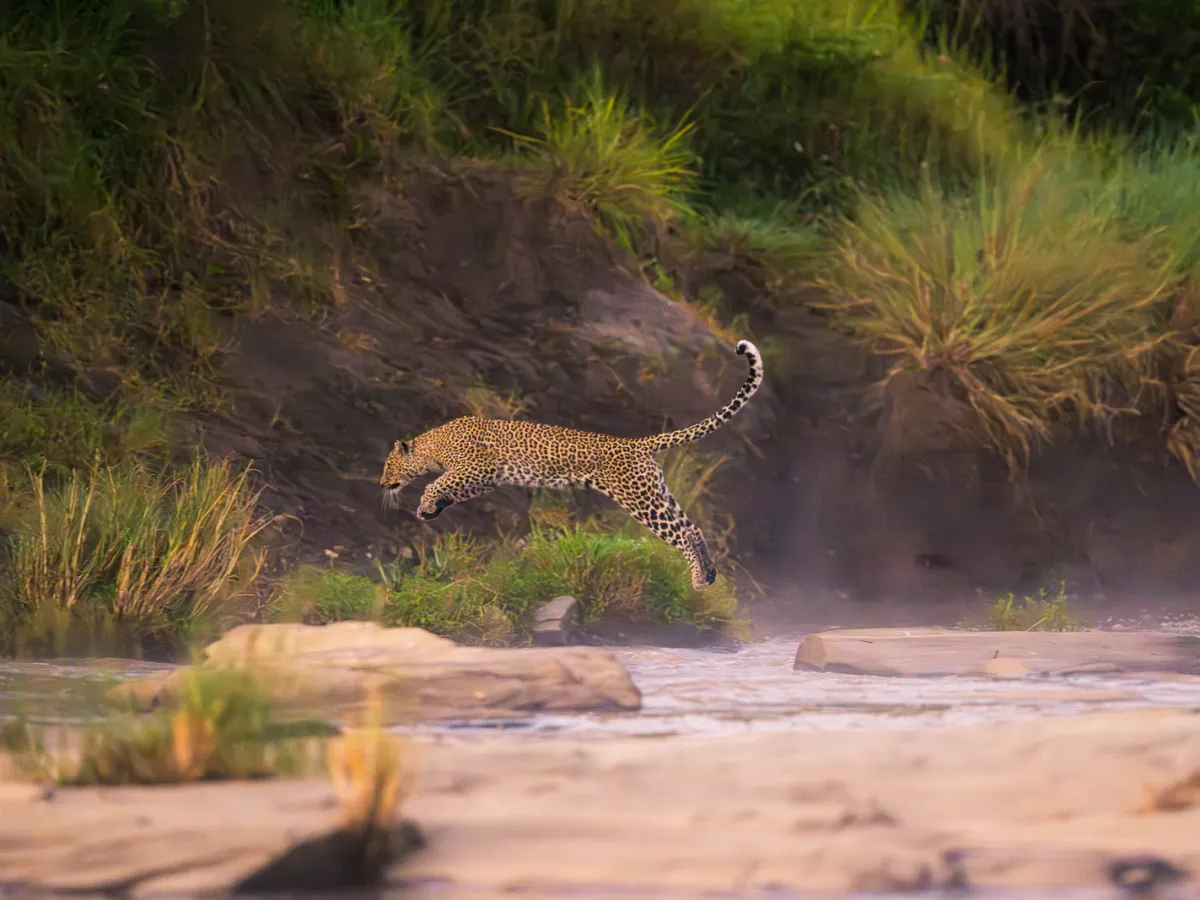
A typical African safari is built around the big game, the Big Five: the lion, black rhinoceros, leopard, African buffalo and African bush elephant. The term was coined in colonial times for the five animals thought most dangerous to encounter on foot.
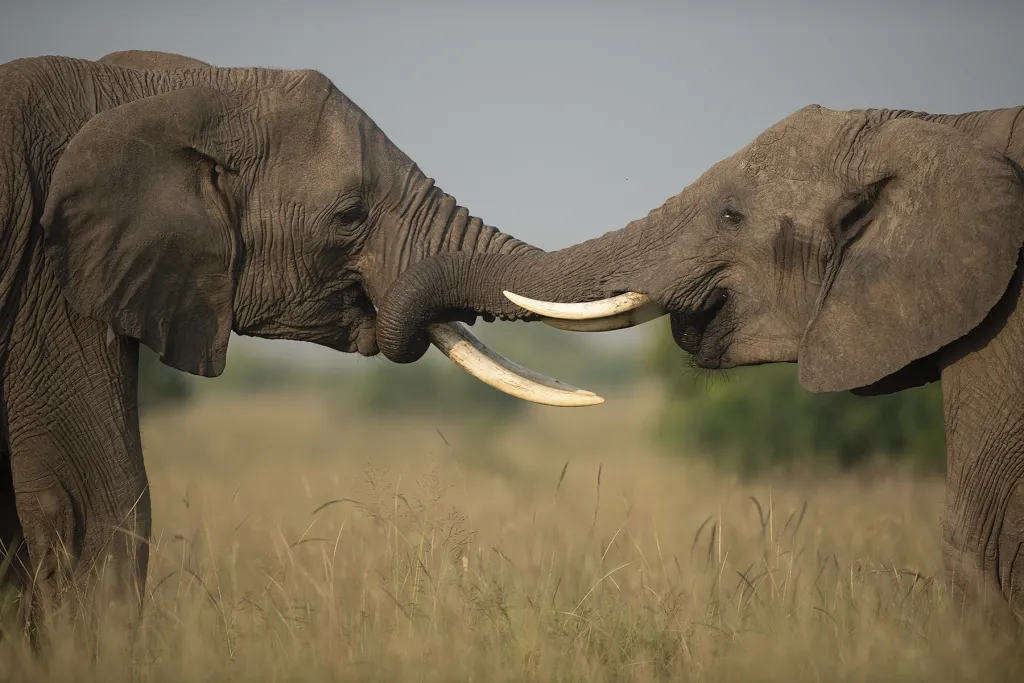
African bush elephants observed during a game drive
Seeing the Big Five is on every wildlife lover’s list, but there is another group that deserves just as much attention. The Little Five are much harder to spot, and each is named after one of the Big Five, for a physical resemblance or a shared trait.
They may be small and less famous, but seeing them in the wild is every bit as rewarding. Here is a look at the Little Five.
Elephant shrew
The elephant shrew is a tiny insect-eating mammal with a flexible, trunk-like snout, which gives it its name, and it is one of the most endearing of the Little Five. Despite the name, it is not a shrew at all; it is in fact more closely related to sea cows, aardvarks and elephants. There are about 19 species across Africa.
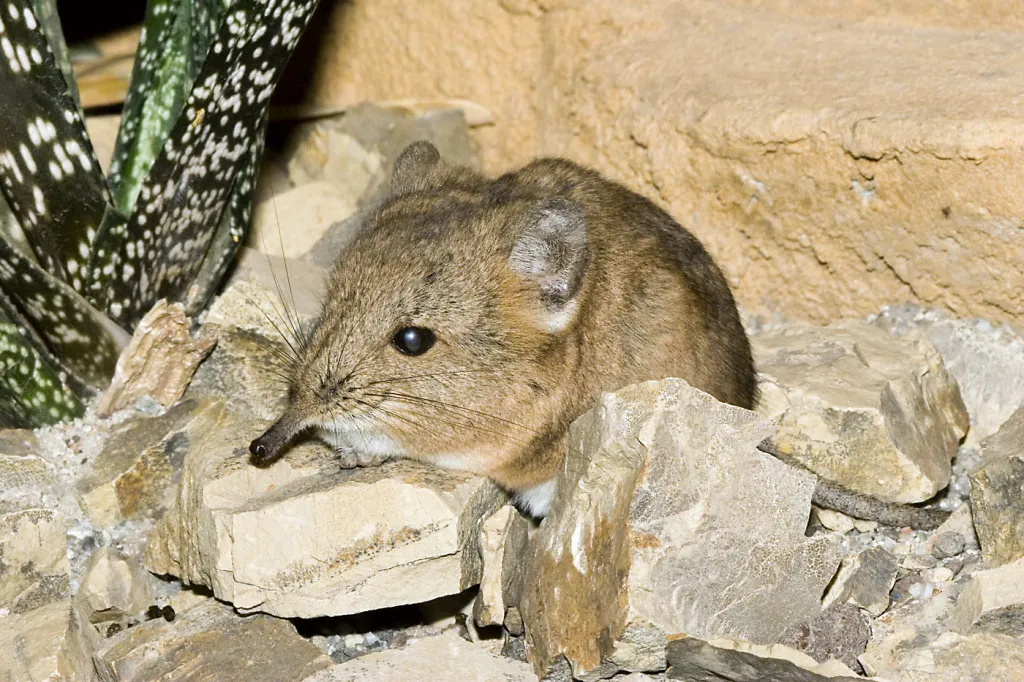
A short-eared elephant shrew
It has a long, pointed head and a mobile, trunk-like nose. The body grows to about 30 cm, with a tail nearly as long again, and the whole animal is small enough to sit in the palm of your hand. Long legs let it move in a hopping fashion, like a rabbit, which is why it is also called the jumping shrew.
Its nose is highly sensitive to smell, which helps it find prey and detect predators. A gland under the tail gives off a strong, musky scent that marks its territory and deters carnivores. Elephant shrews often form monogamous pairs, but are seldom seen together, meeting only briefly to mate.
They are found across much of Africa, apart from West Africa and the Sahara.
Buffalo weaver
Named after the buffalo, there are three species of buffalo weaver: the white-headed, the red-billed and the white-billed. They take their name from the way they follow buffalo to feed on the insects stirred up by their hooves.
The red-billed buffalo weaver is broad and chunky; the male has red legs, chocolate-brown plumage and a large tail, while the female is streaky and paler below. The white-billed buffalo weaver is bulky with a longer tail; the male has a white bill, the female a black one.
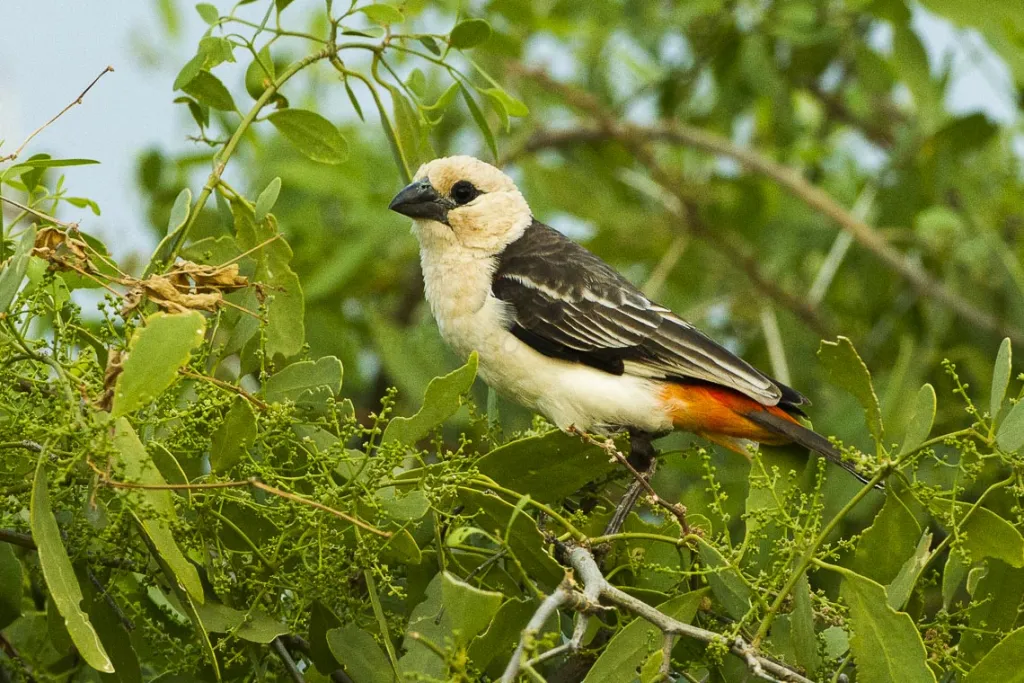
A white-headed buffalo weaver
A buffalo weaver’s nest is easy to recognise: they breed communally in rough nests of massed sticks, in trees or on power poles. They forage on the ground in groups, often with starlings and other birds, feeding on insects, fruit and seeds. You can tell them by their calls, an odd electronic-sounding chatter that makes for a noisy gathering.
Buffalo weavers live in dry country, mostly in East Africa, especially Kenya and Tanzania, and also in Botswana, western Zimbabwe and Mozambique.
Leopard tortoise
The leopard tortoise is the fourth-largest tortoise in the world, with gold-and-black markings on its shell that recall the spots of the big cat. It is a signature animal of the African savannah.
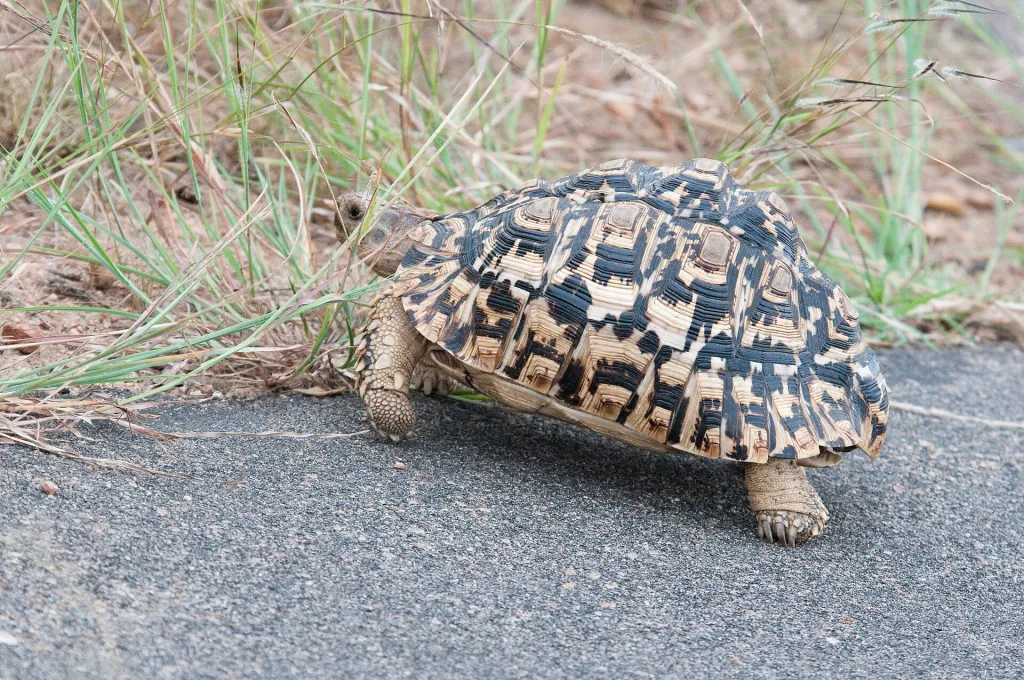
A leopard tortoise
It can grow to about 18 inches long and weigh up to around 40 kg, and can live 80 to 100 years. The markings fade a little with age. It has a brownish or yellow head, legs and tail, which it can pull right back under its shell, and it is a herbivore, feeding mainly on grass and weeds, with the odd mushroom or fruit.
The leopard tortoise is solitary, and is the only tortoise in southern Africa that can swim. Well suited to the semi-arid savannah, it does not tolerate cold or damp. It lives across East and southern Africa and is seen easily on safari, which makes it one of the most commonly spotted of the Little Five.
Antlion
The smallest of the Little Five is the antlion, named for the fierce, predatory habits of its larva. The antlion larva is a skilled hunter that sets deadly traps.
It has a rounded, hairy body and sharp jaws. The adult has a long body, curved or clubbed antennae, and wings mottled black and brown, resembling a damselfly.
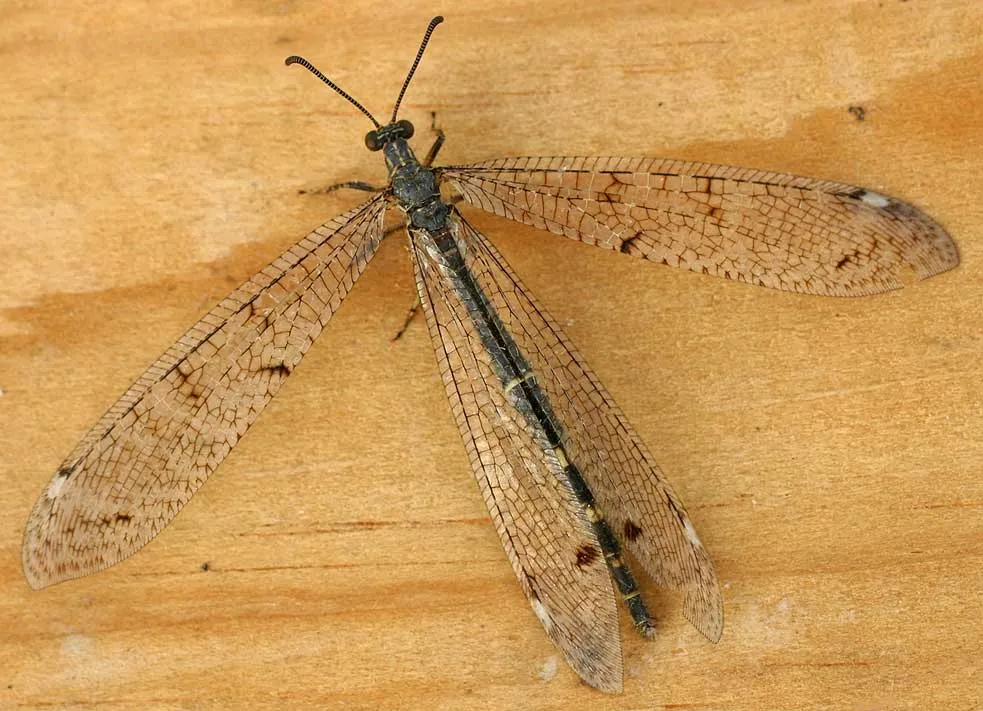
An antlion
The larva traps ants and other insects in a clever way. It uses its abdomen as a plough to dig a funnel-shaped pit, heaping the loose sand on its broad head and flinging it clear. Once the pit is dug, it buries itself with only its jaws showing. When an insect strays over the edge and slides to the bottom, the antlion seizes it, and after draining it, throws the empty husk out of the pit.
In time the larva spins a cocoon of sand and silk, and emerges as a winged adult. Antlions are found in sandy places, such as sandy tracks, dry woodland and desert.
Rhino beetle
The rhinoceros beetle is a member of the scarab family. Like the rhino, the males have horn-like projections on the head, which set them apart. They are also called Hercules beetles, being extremely strong: they are among the few animals that can lift up to 850 times their own weight.
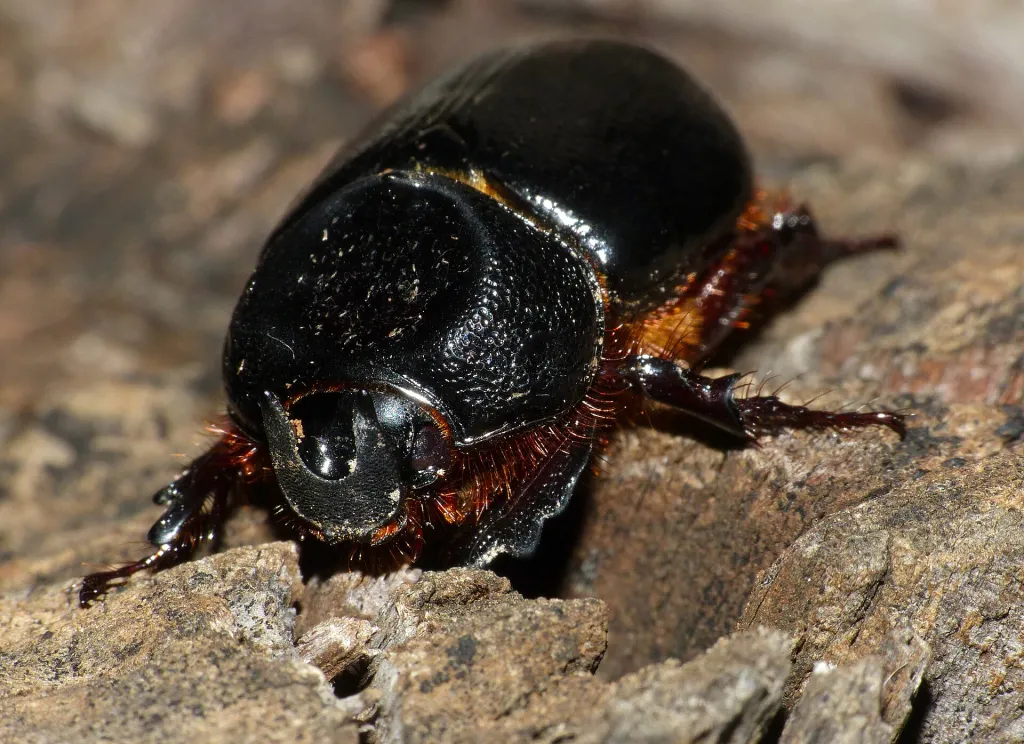
A male rhino beetle
At about 7 cm long, the rhinoceros beetle is usually black, greenish or grey, most of them glossy, though some are covered in soft hairs. The males use their horns to dig into soil and leaf litter to escape danger, and to fight other males for a mate.
The rhinoceros beetle is found everywhere except Antarctica, and across southern Africa in particular. They can be tricky to spot, but are most often seen at night near lights.
Conservationists have come to value the smaller, less noticed animals of the savannah too. So along with ticking off the big game, keep an eye out for the Little Five: you never know when a buffalo weaver will fly overhead or a rhino beetle will turn up near your camp at night.
If you loved reading this story, then subscribe to our blog here (it will ask to verify your email) to get inspiring travel stories and trivia delivered to your email. Stories about wildlife trivia, cultural experiences, curated luxury hotel lists, underrated places to travel, polar journeys and much more.