Africa is the top choice for a safari, thanks to its rich wildlife, and safaris are a big part of the continent’s tourism. Millions of travellers come from around the world to see its wildlife in the wild. Whether through the animated film The Lion King (1994) or documentaries such as the BBC’s Africa (2013), people everywhere know the continent’s wildlife.
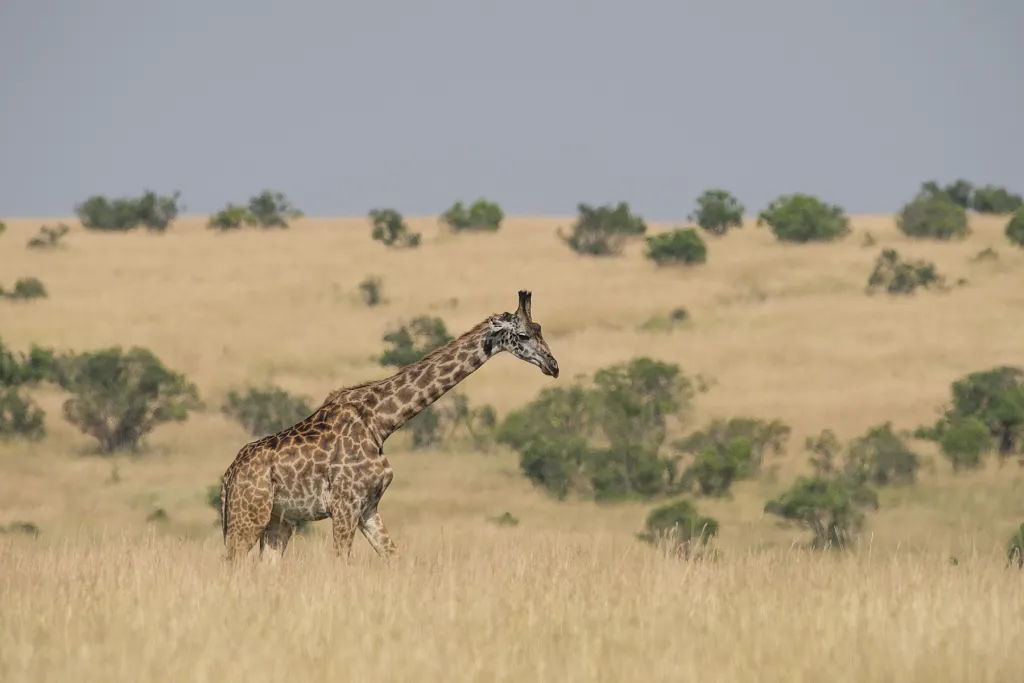
Giraffe in Tanzania
In earlier times, safaris were captured in film and photographs, and only the privileged could travel to Africa to take part. But the safaris of the past were very different from those of today. Knowing how safaris began can add something to your next trip, so here is a brief history.
What “safari” means
Safari is a Swahili word meaning “journey.” It comes from the Arabic noun safar, meaning travel or a trip, and the Swahili verb “to travel” is kusafiri. Originally, safari meant the long distances people covered for trade or migration. Today it is more often linked with lodges, tents, game drives and the like.
The origins of the African safari
Today, a safari is an overland journey to watch wildlife in its natural habitat across Africa. Hundreds of years ago it meant something else.
The earliest safaris were about trade and trade routes. African and Arab cultures were closely linked, and traders travelled long distances between cities. Trade flourished in the 18th century, but, sadly, people were bought and sold along with goods. In the colonial period, European safari caravans appeared, large operations with sizeable crews, supplies and weapons.
This trade, tied to slavery, ended before the 20th century, and the focus shifted from business to exploration. Missionaries, adventurers and explorers roamed the continent, and early naturalists gave the safari a new purpose: discovering, identifying and studying its animals, birds and plants.
Hunting safaris
With that shift came hunting expeditions, which began in East Africa, and for a time the word “safari” carried a darker sense: a journey made to hunt. Rather than the trips we know today, Europeans set out not just to see animals but to shoot them. Hunters travelled alongside naturalists, and hunting became closely tied to the word. These hunters treated animals as trophies and boasted of their kills, and some expeditions ran for a year, with wealthy Western travellers crossing Africa with a rifle on their back.
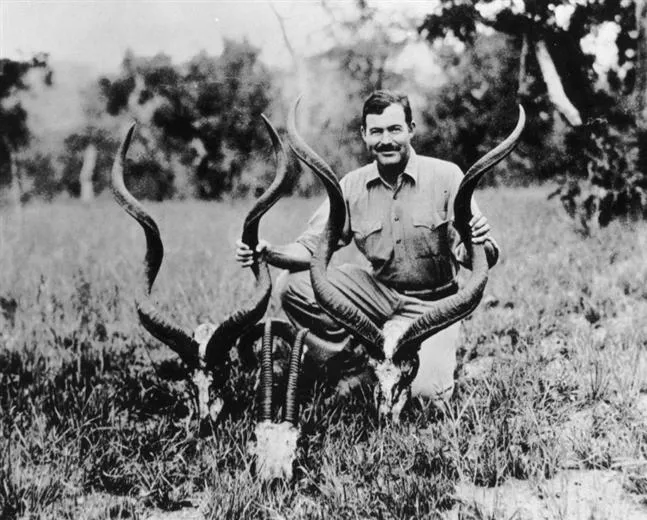
Ernest Hemmingway during one of his hunts in Africa
During the Victorian era (1837 to 1901), trophy hunting was at its height. Explorers, traders and aristocratic sportsmen told tales of their hunts that fascinated people back home. Hunters such as William Cornwallis Harris targeted big game — lion, leopard, elephant, black rhinoceros and African buffalo — and documented their kills to show them off.
The writer Ernest Hemingway hunted in Africa and described it in his book Green Hills of Africa. Wealthy people in America and Europe lapped up these romanticised accounts of hunting on the continent.
The shift to the modern safari
Though Harris was known for his hunting, he also helped start the conservation movement, which saved damaged areas and their wildlife. Protecting the wildlife also meant changing some local customs; a few groups in East Africa hunted lions as part of their rituals, and as species became endangered, governments worked with local communities to end such practices.
The African safari today
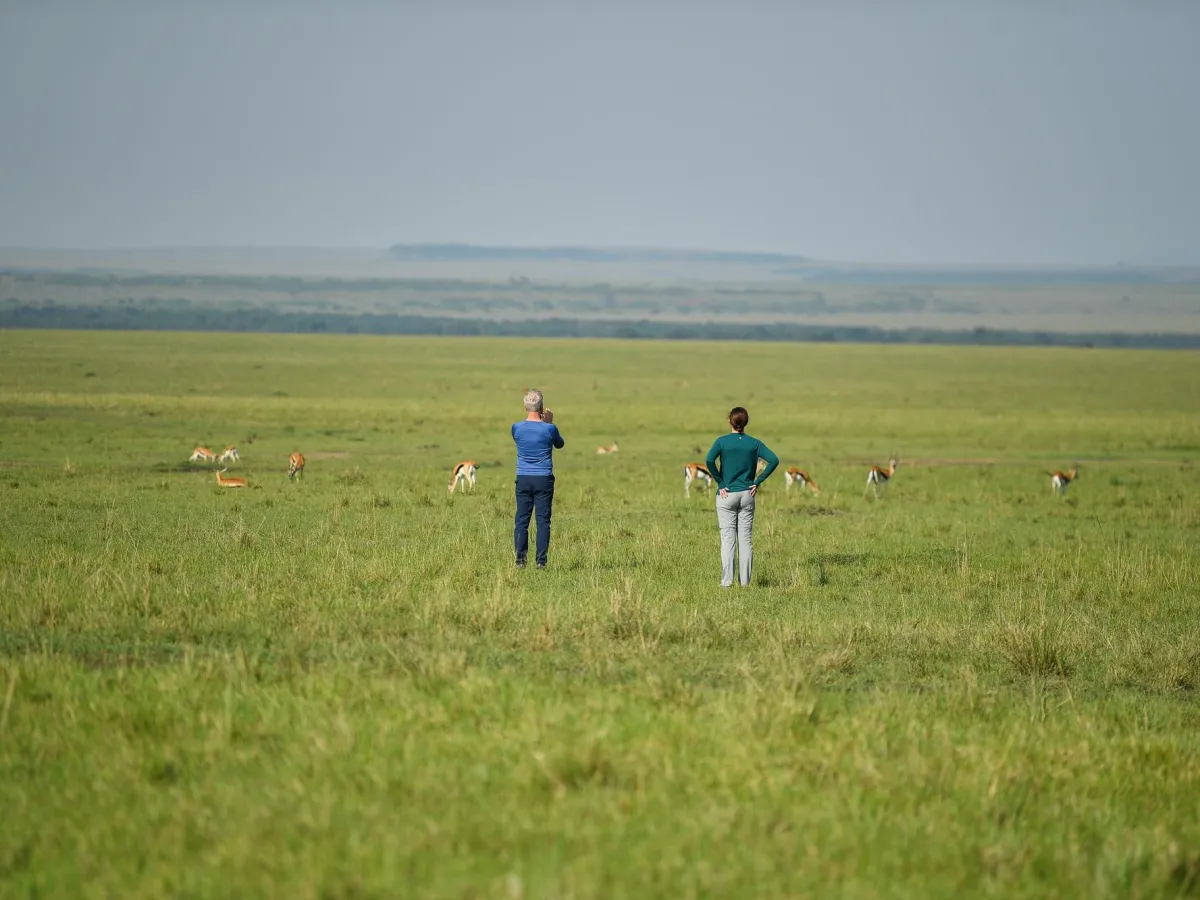
A safari today means something different again: taking part in sustaining African economies, supporting conservation and helping local communities. Safaris still centre on watching wildlife, but the participants now capture animals with cameras rather than weapons.
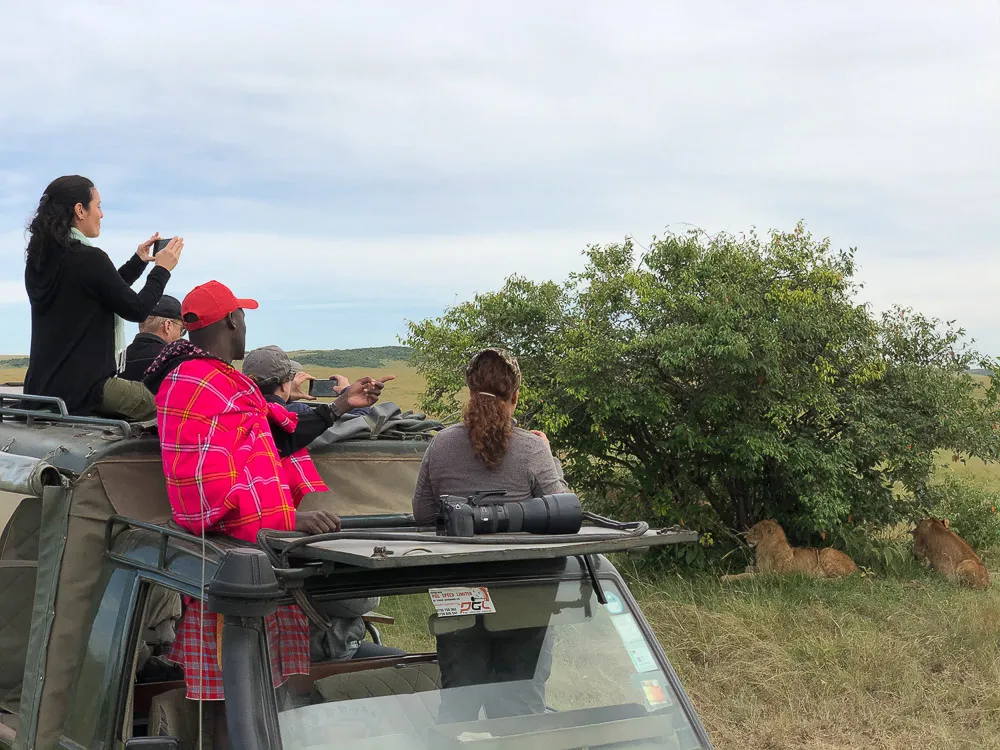
A modern-day African safari
Safari companies contribute to conservation projects and generate tourism revenue that funds game reserves and wildlife schemes. The rise of ecotourism has led to more environmentally friendly travel, and alongside game drives, visitors can experience local cultures, explore natural sights and take part in various outdoor activities.
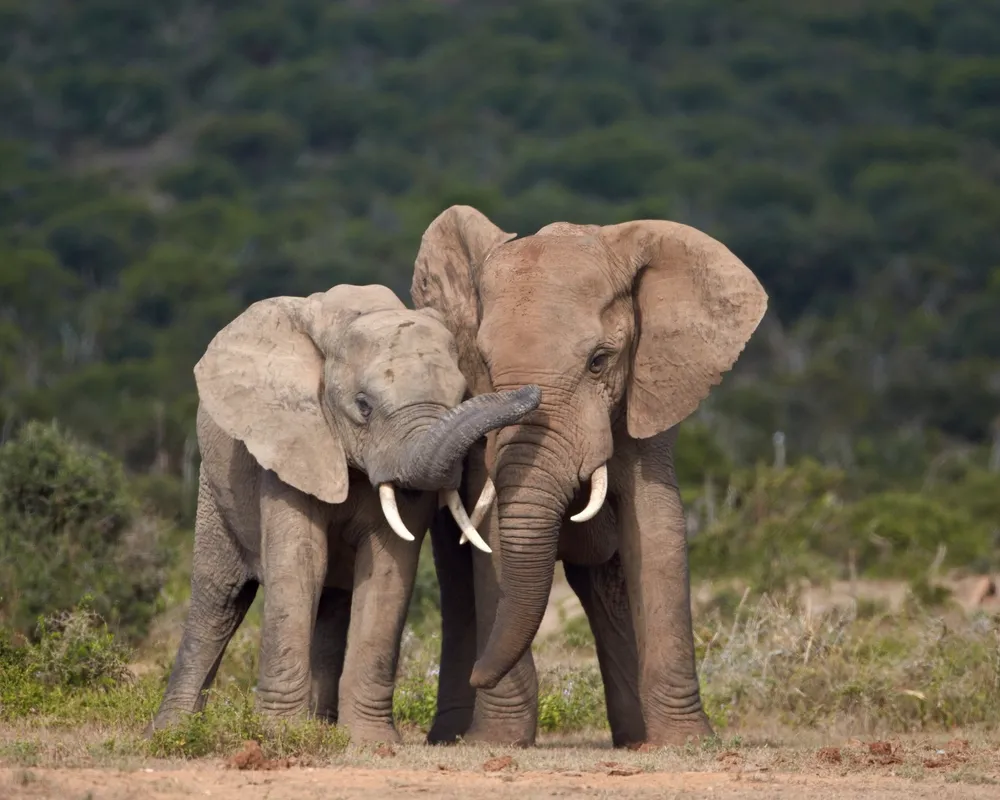
Elephants at Aldo National Park, South Africa
The African safari of today is about conservation and supporting local communities. Several positive trends are changing safaris for the better: empowering local women, stronger community action, new anti-poaching efforts, the rise of lesser-known destinations and more sustainable wildlife-watching.
The 21st-century safari offers lasting memories in the African bush, close animal encounters and real cultural exchange. As Jonathan Safran Foer put it: “If the thrill of hunting were in the hunt, or even in the marksmanship, a camera would do just as well.”
If you loved reading this story, then subscribe to our blog here (it will ask to verify your email) to get inspiring travel stories and trivia delivered to your email. Stories about wildlife trivia, cultural experiences, curated luxury hotel lists, underrated places to travel, polar journeys and much more.