Among the many peoples of Africa, the Maasai are a Nilotic group with roots in the Nile Valley. They are well known for their colourful culture and traditions. Semi-nomadic, they live across northern, central and southern Kenya and northern Tanzania, often near the region’s national parks, with which they are closely associated.
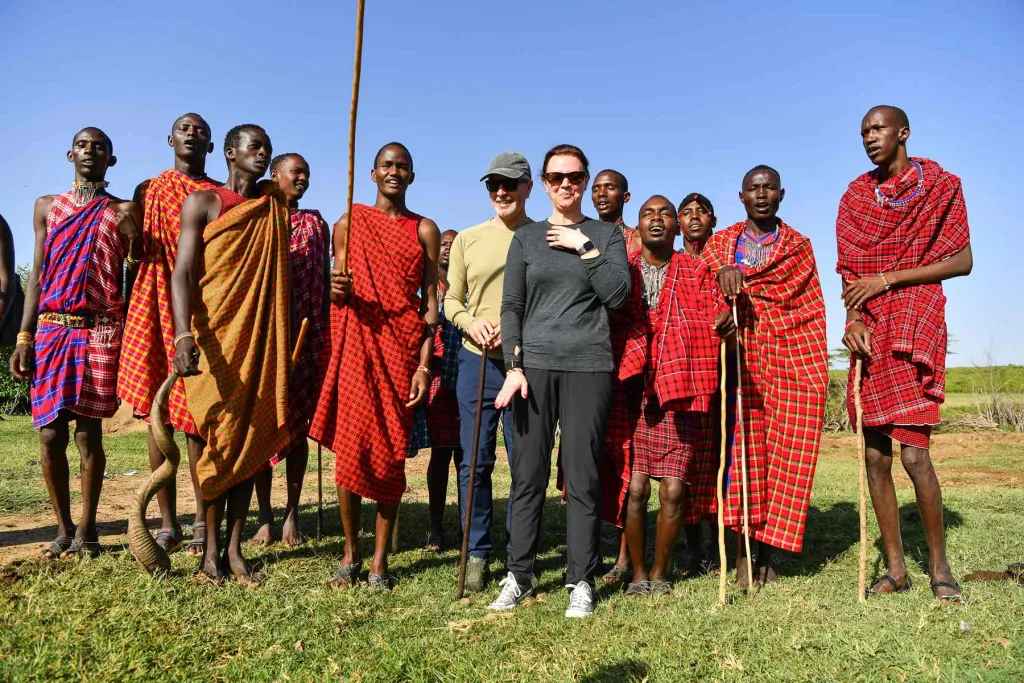
The traditional Maasai tribe
The Maasai are one of the most distinctive peoples in Africa, easily recognised by their red robes and beaded jewellery. Regarded as fearless warriors, they are known for their composure and their physique. They speak the Maa language, and most also speak Swahili.
The Maasai have lived on and looked after their land for centuries. It is worth learning about them and their origins before a safari in Kenya or Tanzania.
Settling in East Africa
By their own oral history, the Maasai began as a Nilo-Saharan people around what is now Sudan. Between the 17th and 18th centuries they moved down from the lower Nile Valley into a stretch of land reaching from present-day northern Kenya to central Tanzania. Their territory was at its largest in the 19th century, covering much of the Great Rift Valley and the land around Mount Marsabit and Dodoma, and they grazed cattle as far as the Tanga coast in what is now mainland Tanzania.
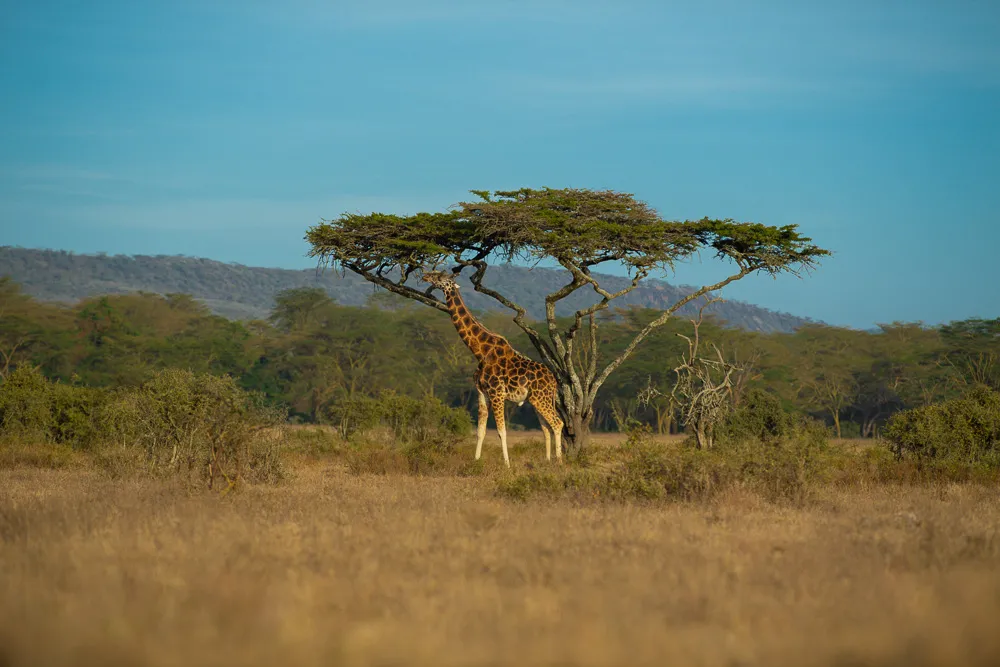
The southwestern landscape of Kenya
In 1852, around 800 Maasai warriors were reported moving into Kenya. They kept expanding around Lake Victoria and Mount Kilimanjaro, sending their younger people to settle new pastures and seeking out lightly populated land. As other peoples filled up East Africa, competition grew, and the Maasai had to fight for grazing rights. They used spears and shields, but were most feared for their throwing clubs, the orinka, which they could hurl a great distance with accuracy.
As they moved, the Maasai adapted well to their new country. The uneven rainfall inland in Kenya and Tanzania led them to concentrate on raising livestock.
Their great period of hardship, known as the Emutai, ran from 1883 to 1902. Smallpox struck the people, and rinderpest killed about 90 per cent of their cattle and half the wild animals, all made worse by drought when the rains failed in 1897 and 1898.
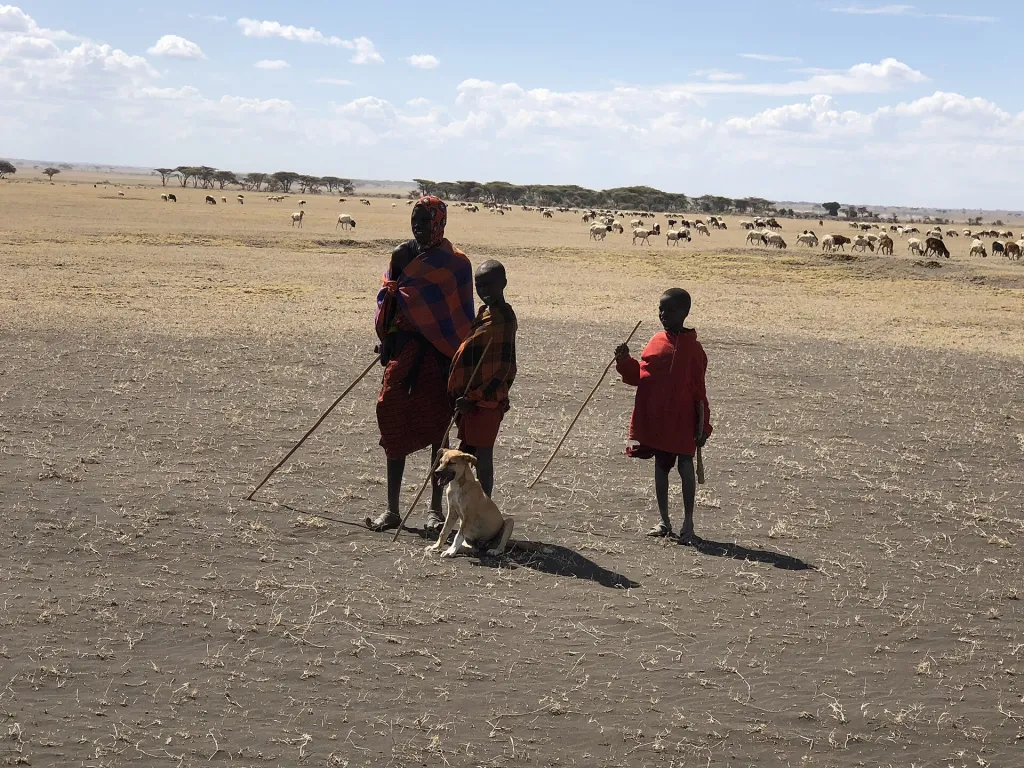
A Maasai man in Tanzania
The coming of European settlers changed everything. Having thrived on fertile land, the Maasai lost much of their best country after signing a first agreement in 1904. In 1911, a small group signed a controversial treaty that gave up their northern land, Laikipia, to the settlers. Maasai land in Kenya was cut by about 60 per cent as the British evicted them, confining them to what are now the Kajiado and Narok districts.
In Tanzania, the authorities pushed the Maasai off the fertile land between Mount Meru and Mount Kilimanjaro, and in the 1940s out of the highlands near Ngorongoro, taking the land for national parks and reserves. Between these losses, the Maasai gave up about two-thirds of their territory and were moved to poorer land in Kenya and Tanzania.
While other peoples have adapted to modern Africa, the Maasai have largely held to their traditional way of life, resisting the pressure from the Kenyan and Tanzanian authorities to change. In both countries they have pressed for the right to pasture and graze their herds within several of the national parks.
The Maasai religion
The Maasai are monotheistic, worshipping a single god. The deity, Enkai or Engai, has two sides: Engai Narok, the benevolent Black God, and Engai Na-nyokie, the vengeful Red God.
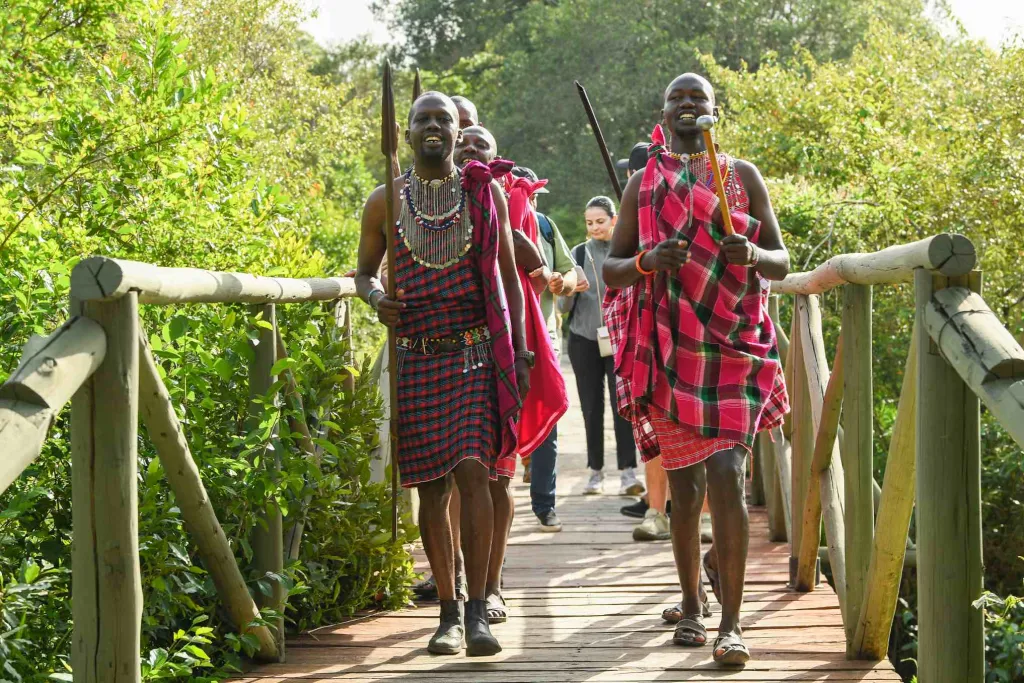
The Maasai people perform a ritual
The society also has two totems, or lines: Oodo Mongi, the Red Cow, and Orok Kiteng, the Black Cow, with a further division into five clans. The laibon is the central religious figure, filling the roles of prophet, diviner and healer. The lion is a totemic animal that may be killed; unlike trophy hunting, the Maasai traditionally hunted a lion as a rite of passage, a practice now of the past, as lion hunting is banned across East Africa.
Maasai society
Maasai society is strongly patriarchal. The elder men, sometimes with retired leaders, decide most matters. Life centres on livestock, a mark of wealth and status, and the herds provide for each person’s needs.
Meat is a main food, and on certain occasions they drink the blood of their animals, eating the meat of bulls, goats and lambs at special ceremonies. As cattle have grown scarcer, though, the Maasai have turned to foods such as sorghum, rice, potatoes and cabbage.
Long before the national parks were created, the Maasai managed their land sustainably, grazing their herds across the Rift Valley without harming the wildlife. They moved with the seasons across large areas, leaving grazing land to recover before returning, and they disapproved of farming, believing it ruined land meant for grazing. They did not hunt for food, relying instead on their herds.
Beadwork
Beadwork has a long history among Maasai women, who show their identity and standing through body ornaments and painting. Before the Europeans arrived, beads were made from local materials such as bone, ivory, clay, shells, seeds, charcoal and brass.
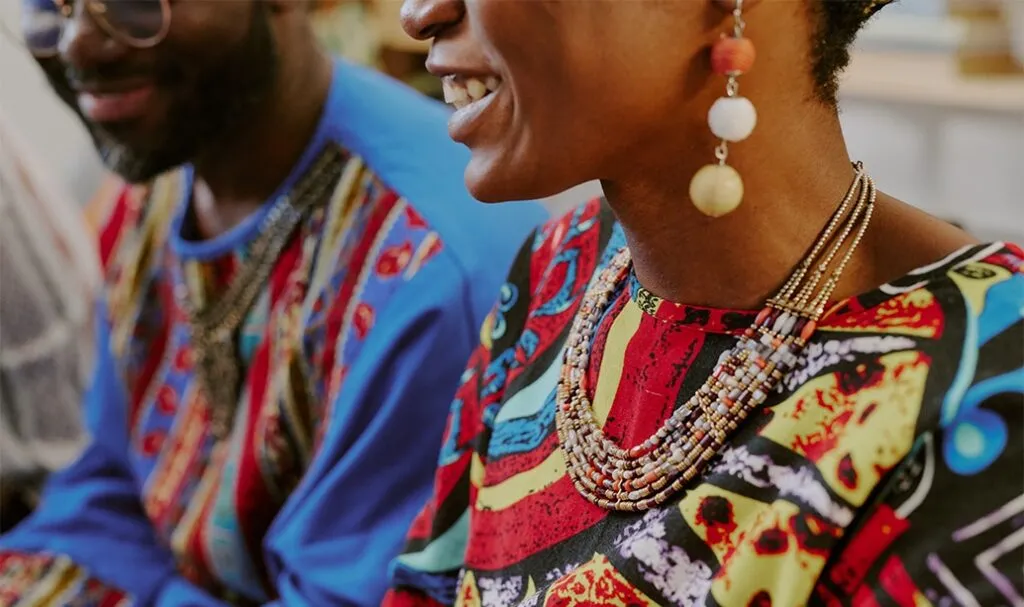
Maasai women adorned in ethic bead jewellery
In the late 19th century, brightly coloured European glass beads reached East Africa and replaced the older ones.
Maasai shelter
The Maasai have always built their houses from local, readily available materials. Simple and impermanent, the houses suited a people who moved often.
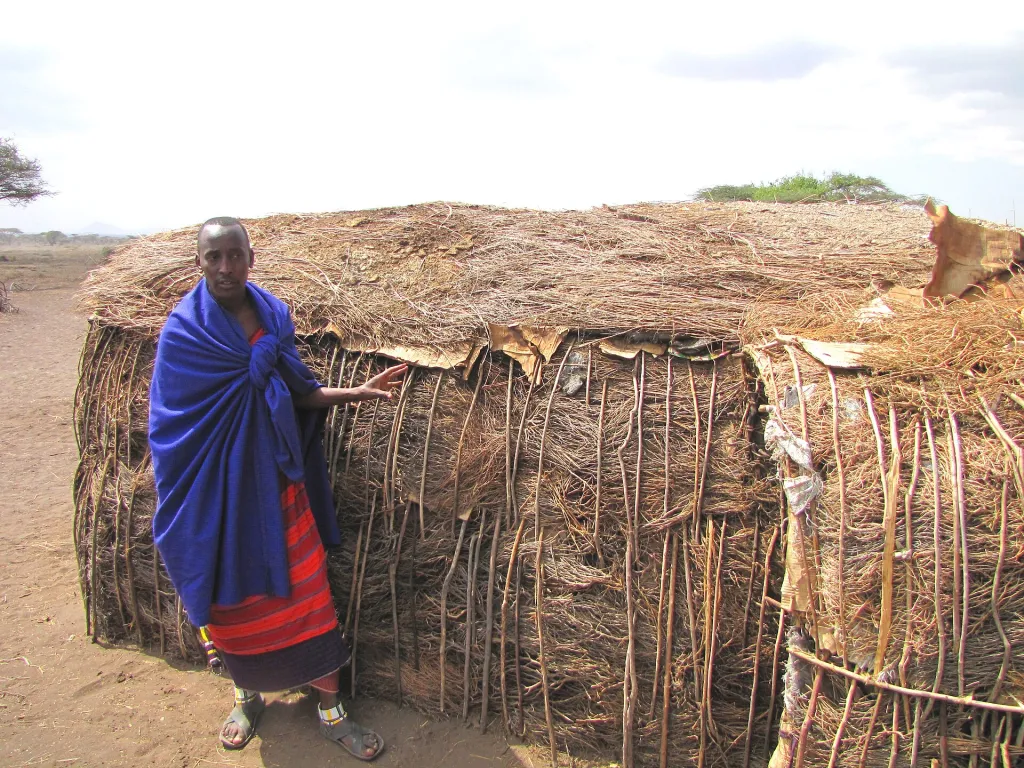
A Maasai shelter
Built mostly by the women, the houses are rectangular or circular, and the men build the enkang, the fences that protect the livestock from wild animals around the village.
The Maasai warriors
As pastoralists, the Maasai are also warriors. In the past, groups clashed over land and resources, and the laibons led and guided the warriors, or moran. These young men lived apart within the tribe, travelling and living together, building their strength through mock battles, and hunting lions to prove their courage. They wore bright red robes and short capes, grew their hair long, and often carried a beaded belt with a short knife, sometimes with an ostrich-feather headdress.
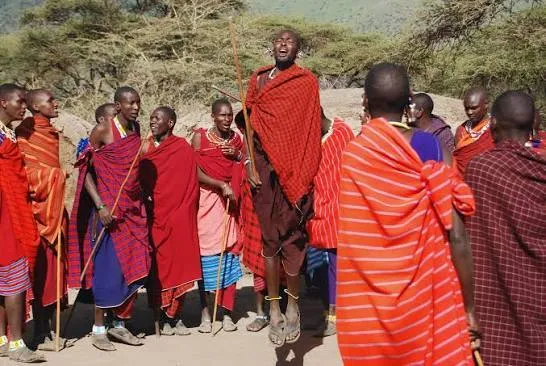
Maasai warriors perform Adamu
One of the best-known displays of the moran is the Adamu, the jumping dance. The warriors form a semicircle and chant together, and each steps forward in turn to leap as high as he can, a show of strength, watched closely by the women.
The Masai Mara
The Masai Mara National Reserve is a large stretch of protected savannah in south-west Kenya, along the Tanzanian border. It carries the name of the Maasai, the land’s original people; in the Maa language, “mara” means spotted, after the short, bushy trees dotting the landscape.
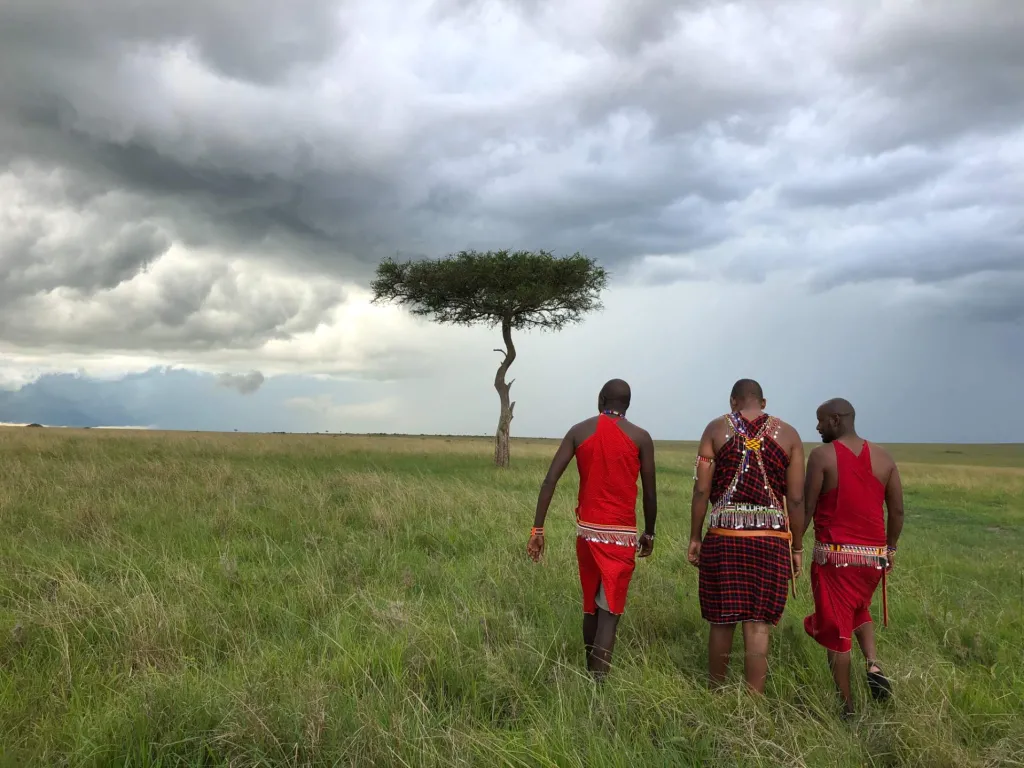
Maasai people in the Masai Mara Reserve
The Masai Mara was established in 1961 and has become one of the most popular reserves in Africa, known for its wildlife and for Maasai culture. The tribe may still graze livestock in parts of the reserve, and visitors can meet them: knowing the land and its wildlife well, the Maasai lead many of the safaris and game drives. Those living near the Serengeti and Ngorongoro are welcoming hosts, sharing their culture with visitors.
The Maasai have held on to their long-standing way of life, and many East African lodges, camps and safaris support them, both economically and by telling their story to visitors.
If you loved reading this story, then subscribe to our blog here (it will ask to verify your email) to get inspiring travel stories and trivia delivered to your email. Stories about wildlife trivia, cultural experiences, curated luxury hotel lists, underrated places to travel, polar journeys and much more.