Africa’s varied terrain, from dense forest and open grassland to desert, is home to more than 200 species of primate. Different species suit different climates and food sources, so each favours particular regions. Here are some of the most notable African primates.
Chimpanzee
These endangered animals share about 98 per cent of their DNA with us, making them our closest living relatives. Fewer than 300,000 chimpanzees, across four subspecies, live in Africa, and their numbers are falling fast, mainly because of the bushmeat trade, deforestation and illegal wildlife trade. Intelligent and social, they live in large groups. They were among the first animals observed using tools, working stones and sharp objects to forage. Grooming is central to their social life and helps them bond. As omnivores, they eat a wide range of food, including insects, eggs, nuts, and even smaller monkeys and antelopes.
The four African subspecies are the western, Nigeria–Cameroon, central and eastern chimpanzee.
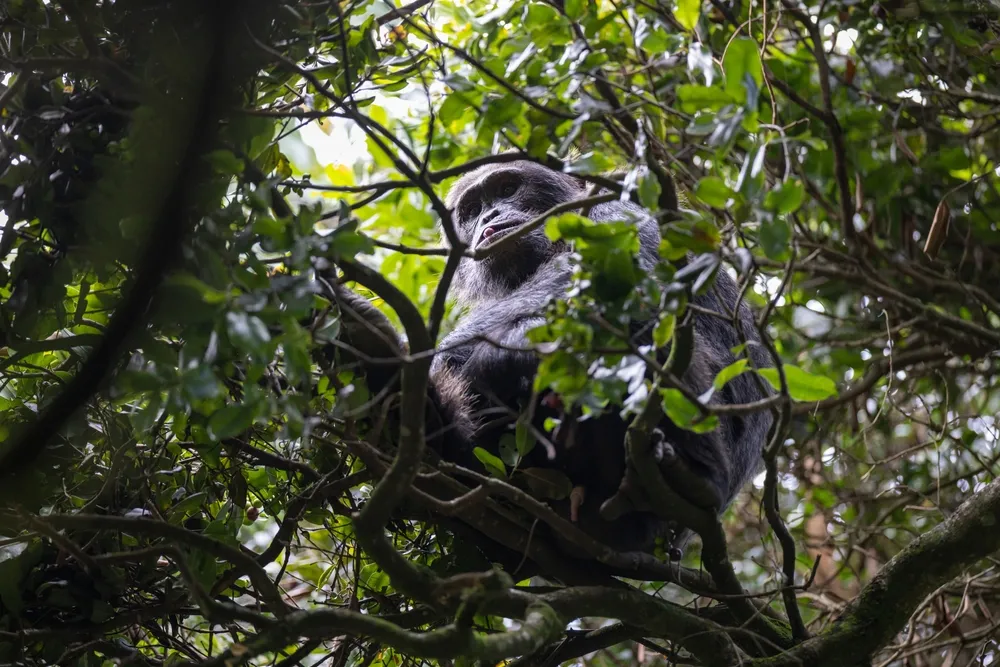
Chimpanzee
Baboons
At 15 to 37 kg, baboons are among the world’s largest monkeys. They are covered in thick fur except on the muzzle and tail, and they favour the semi-arid country and savannahs of Africa. Highly social, they live in troops of as many as 300, foraging, travelling and sleeping together. The young play, the females form close kinship bonds, and a dominant male, usually ranked by age or size, leads the troop. As omnivores they eat seeds, berries and grass, along with fish, hare, earthworms, small antelopes and birds. Baboons can be aggressive, and they often fight among themselves over rank and mating.
There are five distinct baboon species in Africa: the olive, yellow, Guinea, hamadryas and chacma baboon.
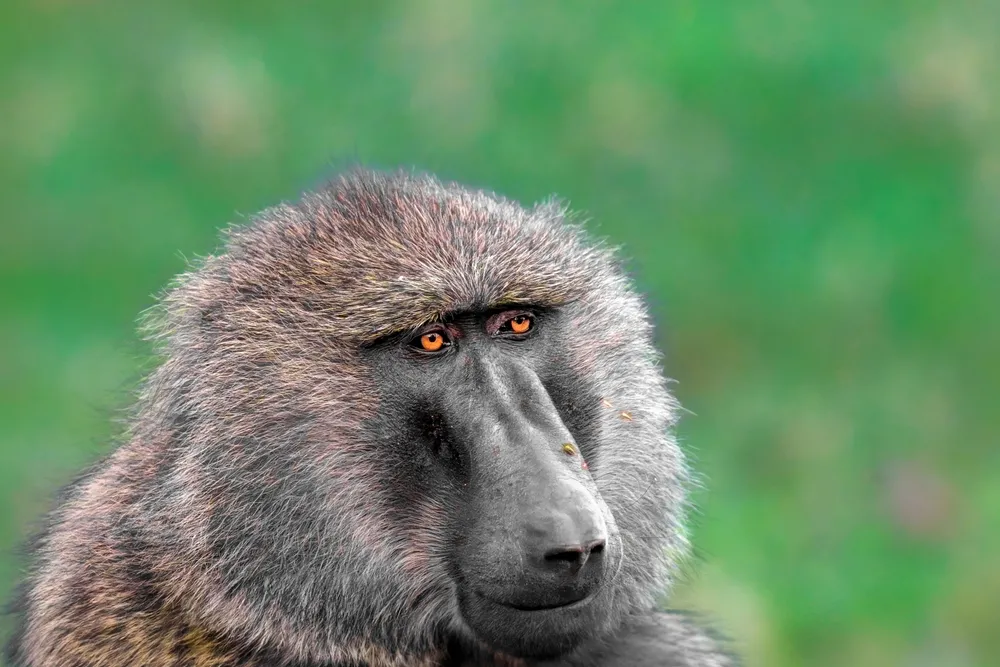
Baboon
Colobus
Unlike other monkeys, colobus monkeys have no thumbs, which gives them their name, from the Greek for “mutilated.” They are social, tree-dwelling and active by day. There are three groups, each with its own subspecies: the black-and-white, red and olive colobus.
The black-and-white colobus has black fur with a long white mantle and whiskers. Its subspecies include the Angolan, black, guereza, king and white-thighed colobus.
Red colobus monkeys vary in behaviour, markings and calls. The African subspecies include the ashy, Preuss’s, Udzungwa, western and Zanzibar red colobus.
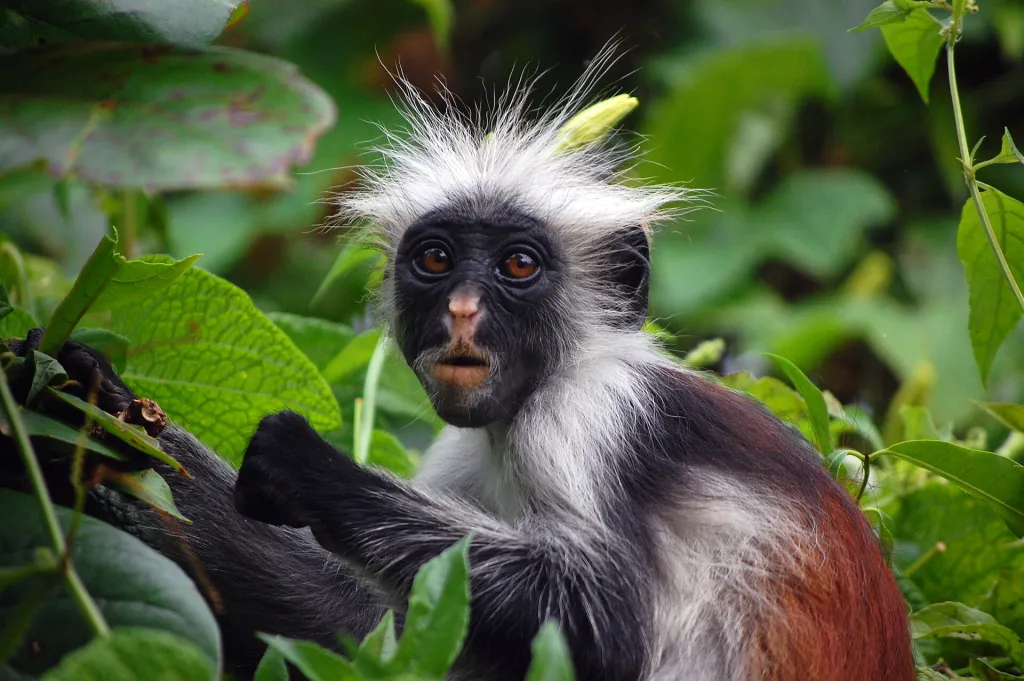
Colobus Monkey
Mangabey
These long-limbed, four-footed monkeys are known for their cheek pouches and the deep hollows beneath their cheekbones. Their tails are almost as long as their head and body combined. They range from 16 to 35 inches in length; males weigh up to about 11 kg and females around 6 kg. Highly social, they communicate through loud, distinctive calls. Their large front teeth let them bite into fruit too hard for other animals, and their diet is mainly seeds, leaves and fruit.
Their ten subspecies vary in build and range across different parts of Africa. They include the white-collared, sooty, golden-bellied, Sanje and Tana River mangabey.
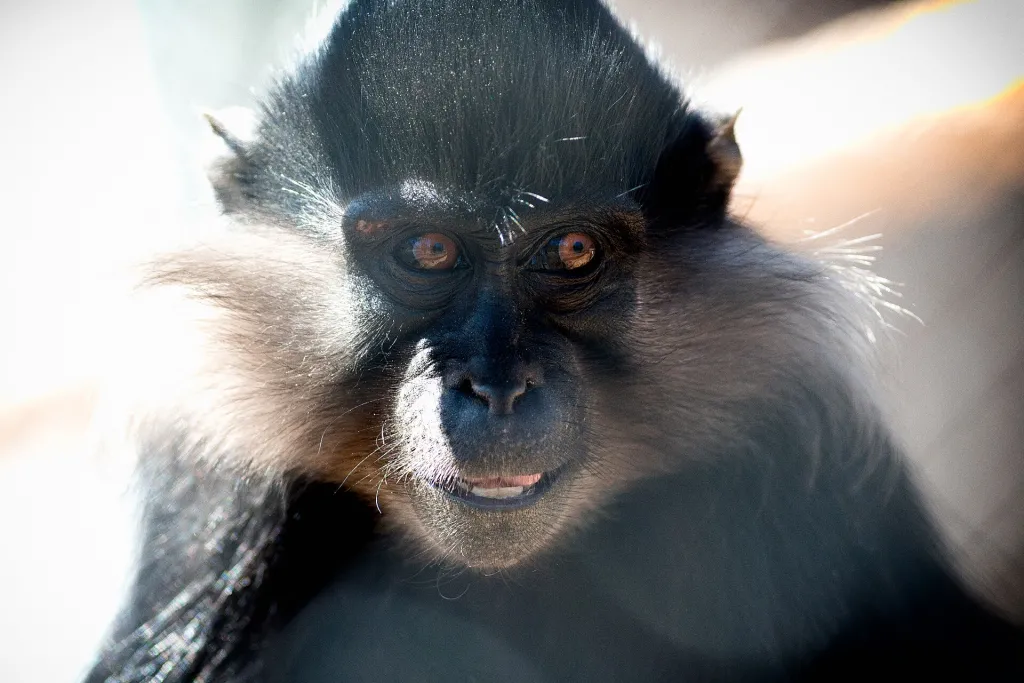
Mangabey Monkey
Mandrills
These colourful, ground-dwelling monkeys live in the equatorial rainforests of Africa. They are easy to recognise by the thick ridges along the nose, coloured pink, scarlet, blue and purple, and by the bare patches of coloured skin on the face and rump, which brighten when a mandrill is excited. They live in troops led by a dominant male, and these troops, or hordes, can number as many as 800. Mandrills are omnivorous, feeding on plants, fruit, mushrooms and bark, with sharp canines for biting into food and large cheek pouches for storing it. The IUCN lists them as vulnerable, owing to hunting and habitat loss.
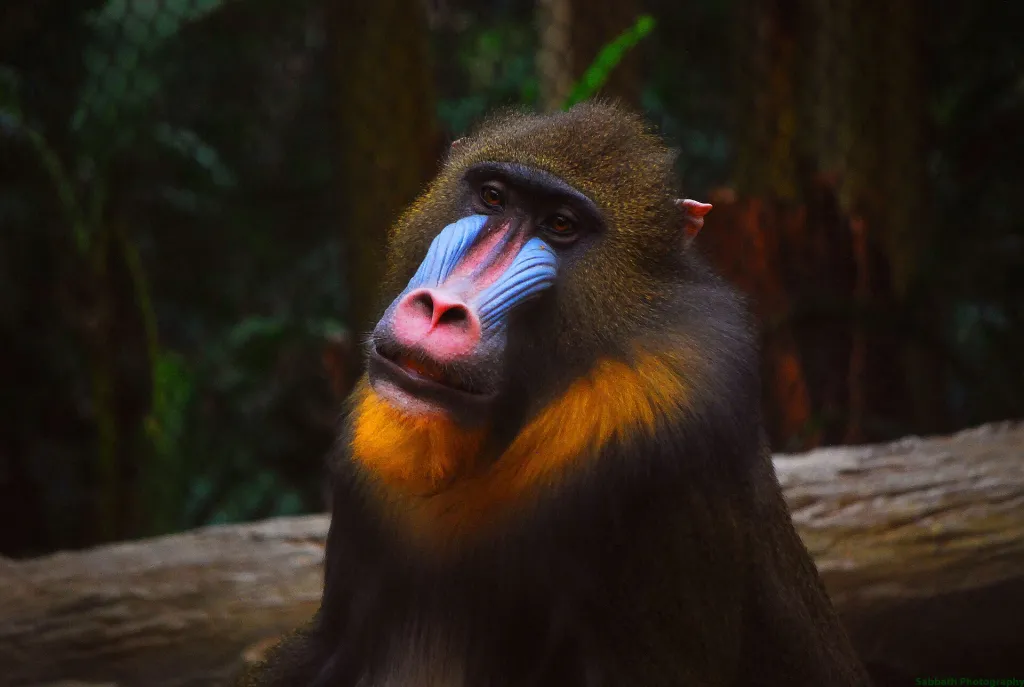
Mandrill Monkey
Guenon
The guenon genus includes at least 26 species and 35 subspecies. These medium-sized primates have a rounded head, long hind legs and a long tail, and are known for their striking colour patterns. They communicate with both calls and facial expressions. Mostly tree-dwellers, though some live in wetlands, they are social and territorial, living in large groups of several young and females with a single adult male, and they forage together. Their diet includes leaves, fruit, insects and small animals.
Commonly seen species include the putty-nosed monkey, spot-nosed guenon, blue monkey, crowned monkey and golden monkey.
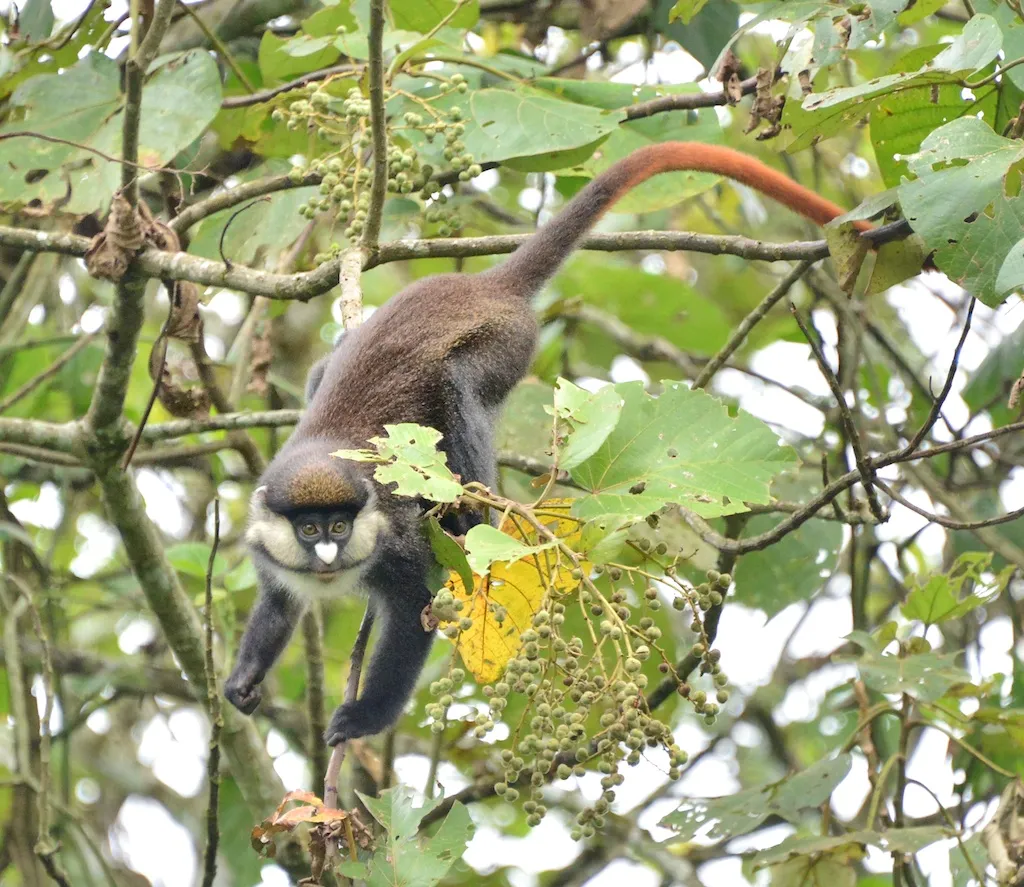
Guenon
If you loved reading this story, then subscribe to our blog here (it will ask to verify your email) to get inspiring travel stories and trivia delivered to your email. Stories about wildlife trivia, cultural experiences, curated luxury hotel lists, underrated places to travel, polar journeys and much more.