India’s varied landscapes support a wide range of primates. Some live in forest, some in grassland, some even in desert, and some close to people. Here are a few of the country’s primates, common and less so.
Grey langur
These are large monkeys with black faces and grey coats, among the biggest monkeys in Asia. Known in India as leaf-eating monkeys, they favour open and lightly wooded country and often live around towns. The grey langurs are split into several species across the subcontinent, including the Northern Plains, Kashmir, Tarai, black-footed, tufted and Nepal grey langurs, which vary in size and tail shape.
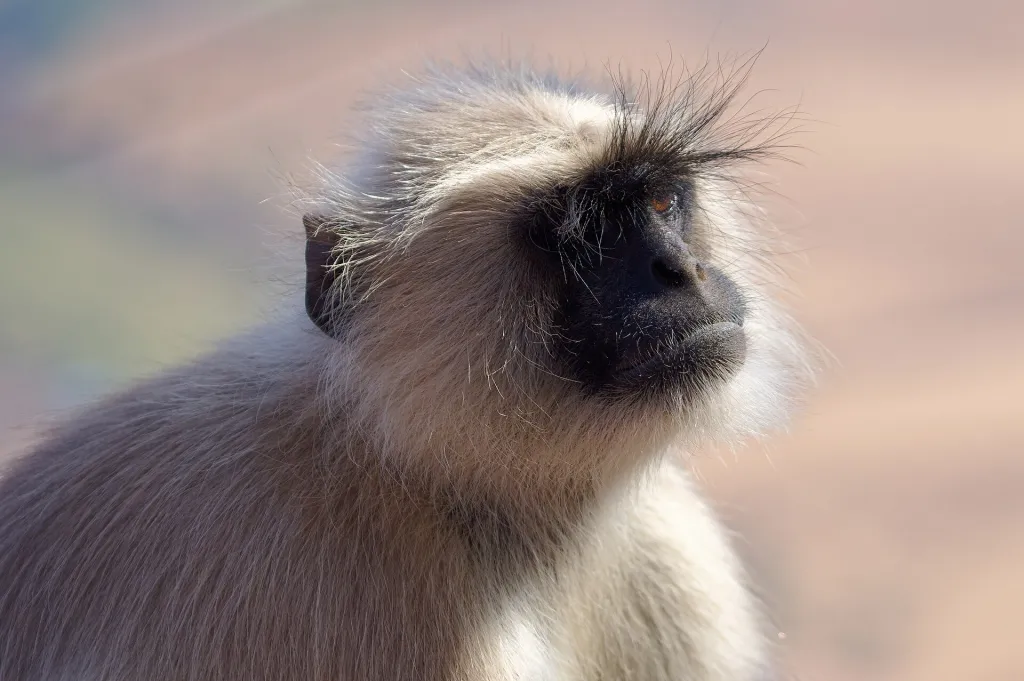
Grey Langur
Golden langur
Gee’s golden langur is one of India’s most striking monkeys, and also one of its most endangered. Its cream coat turns golden in the light. It lives mainly in western Assam, keeping to the high trees, where its long tail helps it move between branches. It is a herbivore, feeding on leaves, buds, seeds, flowers and fruit. Its numbers are low, and there are conservation programmes to protect it.
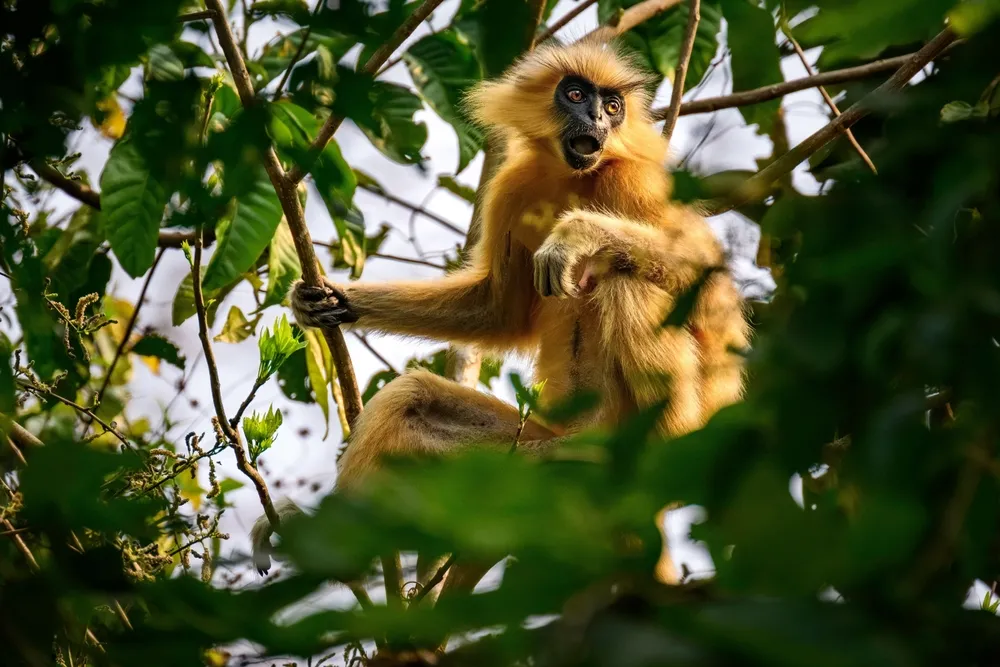
Golden Langur
Capped langur
The capped langur is similar to the grey langur but has a cap of erect, coarse hair. It is slender and light brown, and its young are born golden or cream rather than the black of many other langurs. Also called the leaf monkey, it feeds mainly on leaves and twigs, and moves in groups of two to fourteen through subtropical and tropical dry forest.
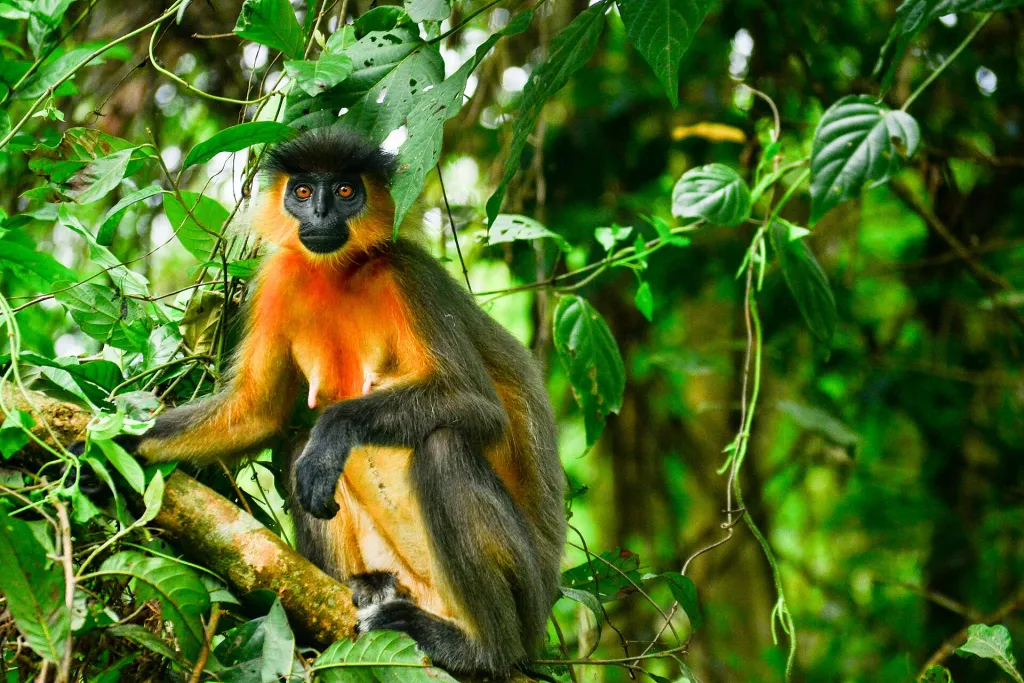
Capped Langur
Nilgiri langur
This langur has a glossy black body and a yellow-brown head. Native to the Western Ghats, it lives in the Nilgiri Hills, the Kodayar Hills and around Coorg, Anaimalai, Cape Comorin and Brahmagiri. It moves in troops of up to ten and feeds on fruit and leaves. Poaching and habitat loss have made it vulnerable.
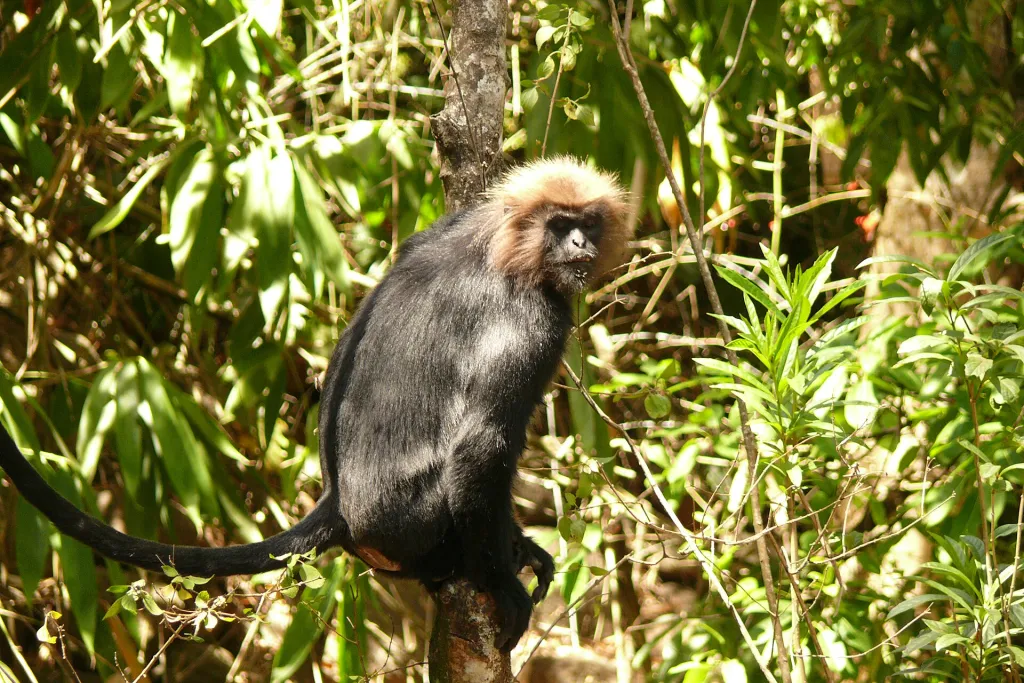
Nilgiri Langur
Rhesus macaque
This is India’s most familiar monkey, found across the country and in large numbers in Delhi, Rajasthan and Varanasi. It tolerates a wide range of habitats, from grassland and dry country to the edges of towns, and is a common sight around temples, stations and other public places, taking food from people.
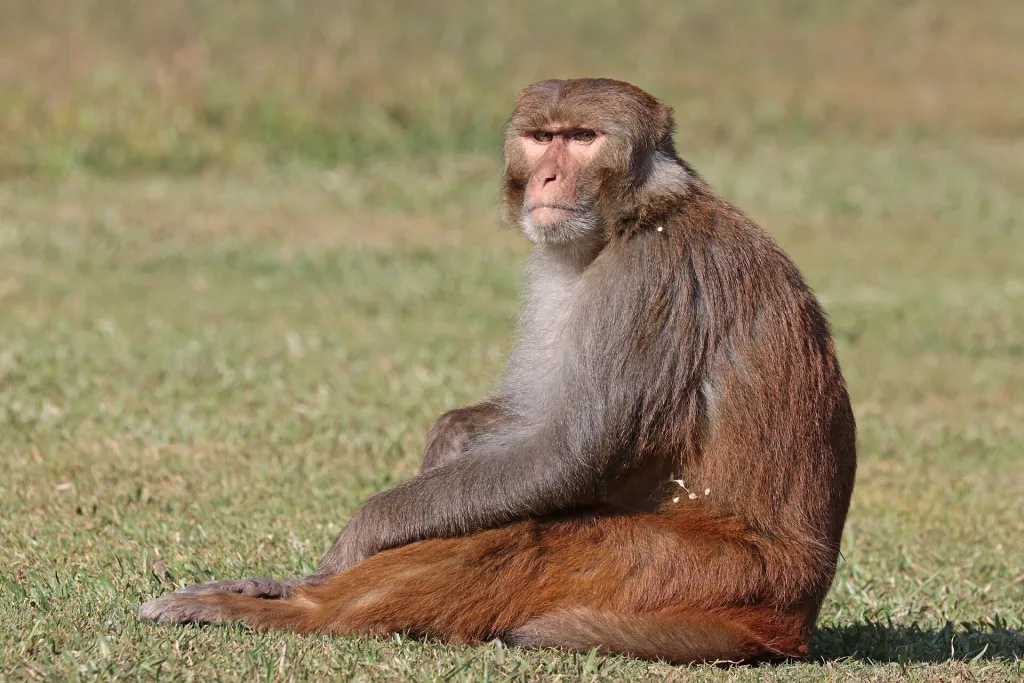
Rhesus Macaque
Bonnet macaque
Native to southern India, the bonnet macaque lives in the evergreen and dry deciduous forests of the Western Ghats. It has the longest tail of any Indian monkey. Males weigh up to about 5.5 kg and females up to 4.5 kg, and it feeds on flowers, fruit, nuts, seeds and small invertebrates, moving in troops of twenty to thirty.
Stump-tailed macaque
Also called the bear macaque, this monkey lives in South Asia. In India it is found south of the Brahmaputra, in Assam, Nagaland, Arunachal Pradesh, Mizoram, Tripura and Manipur. It has a short tail, thick dark-brown fur and a pink-to-red face.
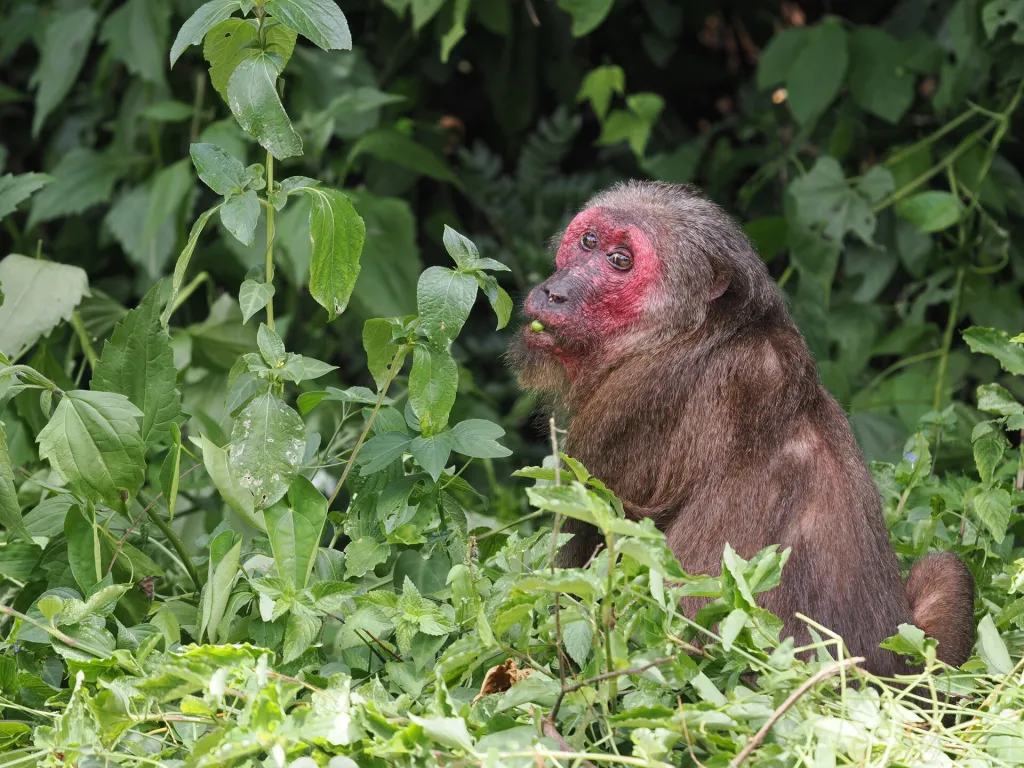
Stump Tailed Macaque
Lion-tailed macaque
This macaque is known for the silver-white mane around its face. Shy and territorial, it lives in the dense forests of the Western Ghats and keeps to the upper canopy. Its troops of ten to twenty defend their range with loud calls and, when pushed, aggression. It is one of the rarest and most threatened primates, with only a few thousand left.
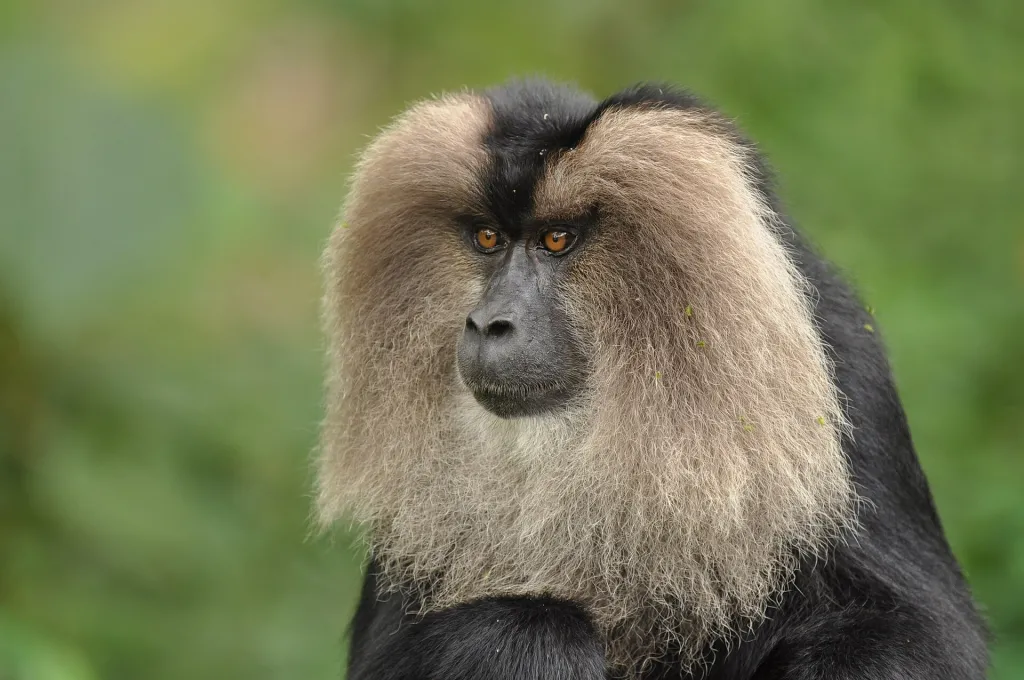
Lion tailed macaque
Hoolock gibbon
The hoolock is among the largest gibbons in the world and the only ape found in India. Only a few hundred live in the north-eastern forests of Assam and neighbouring areas. It takes its name from its loud, elaborate calls, and feeds on fruit, leaves and insects. Its numbers are falling because of habitat loss, shifting cultivation, hunting and trade.
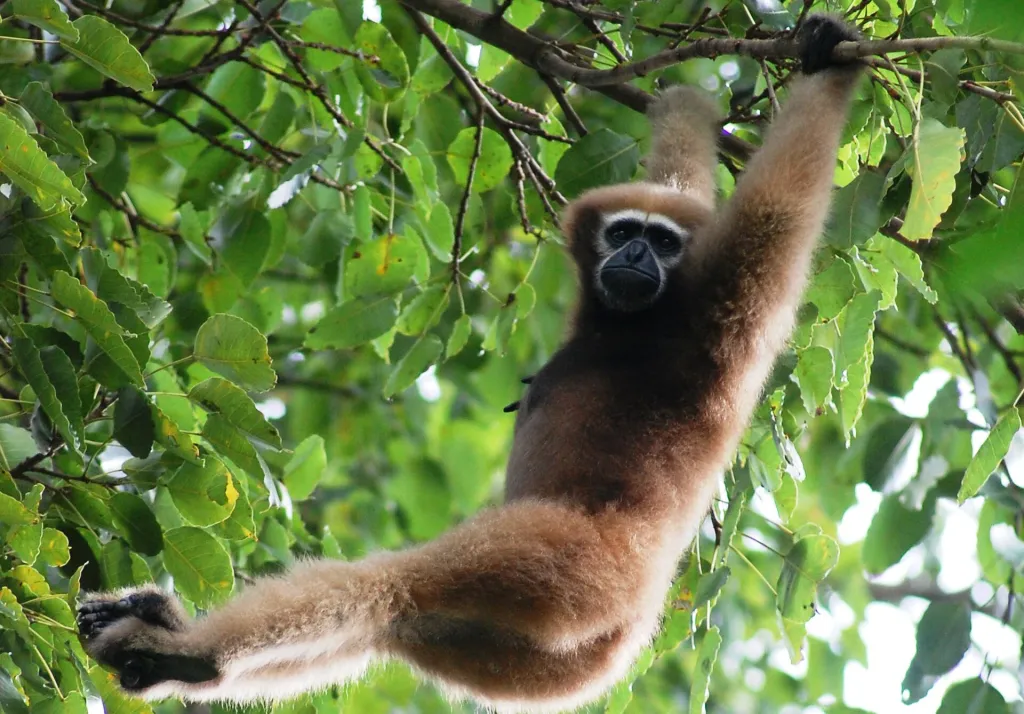
Hoolock Gibbon
Slender loris
The slender loris is a small primate, not a lemur, with a slight body, large eyes and a pointed snout. Nocturnal, it lives in the wet and dry forests of southern India, feeding on flowers, shoots, leaves, insects and slugs. Its distinctive eyes have made it a target for poaching for the pet trade and traditional medicine, which, with habitat loss, threatens its numbers.
If you loved reading this story, then subscribe to our blog here (it will ask to verify your email) to get inspiring travel stories and trivia delivered to your email. Stories about wildlife trivia, cultural experiences, curated luxury hotel lists, underrated places to travel, polar journeys and much more.